
A foul odor wafting from your kitchen sink isn’t just unpleasant; it can be a sign of underlying plumbing issues. Does your kitchen drain smell? The most common culprits are trapped food debris, grease buildup, and bacterial growth within the pipes or the P-trap. Thankfully, many of these issues can be resolved with simple DIY methods.
The kitchen sink is a workhorse, handling everything from dirty dishes to leftover food scraps. It’s no surprise that over time, it can develop an unpleasant odor. This smell can range from mildly musty to downright putrid, often making cooking and even being in the kitchen a less-than-enjoyable experience. Fathoming why your kitchen drain smells is the first step to reclaiming a fresh-smelling kitchen. This comprehensive guide will delve into the various reasons behind that persistent kitchen drain smell and offer practical, effective solutions.
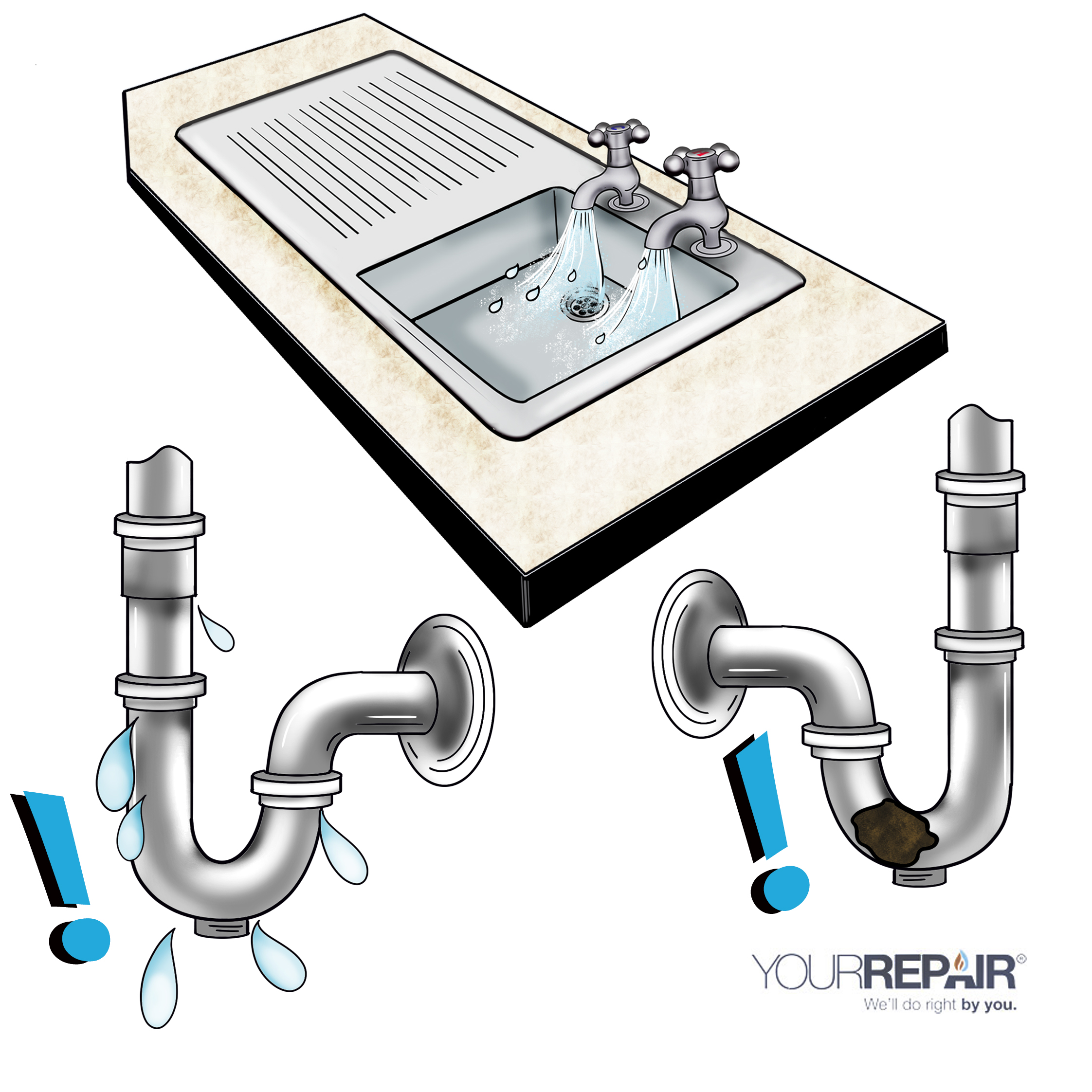
Image Source: www.yourrepair.co.uk
The Roots of a Smelly Kitchen Drain
Several factors contribute to the development of unpleasant odors in kitchen drains. These issues often stem from the natural processes that occur within your plumbing system when organic matter is present.
1. Food Scraps Decomposition
Your kitchen sink is the final destination for countless food remnants. Even with careful scraping, small particles of food inevitably find their way down the drain. These particles, including vegetable peels, coffee grounds, bits of meat, and starchy leftovers, are organic material. When they get stuck in the pipes, they begin to decompose. This decomposition process is essentially a form of decay, driven by microorganisms. As the food breaks down, it releases gases, some of which are quite odorous. These gases can then travel back up the drainpipe, causing that familiar unpleasant smell.
The Role of Garbage Disposal Smell
If you have a garbage disposal, it can be a major contributor to drain odors. While designed to break down food waste, it’s not foolproof. Small pieces of fibrous food (like celery strings or onion skins) or starchy foods (like potato peels) can get caught in the disposal’s grinding components or the drainpipe just beyond it. This trapped material then becomes a breeding ground for bacteria, leading to a distinct garbage disposal smell. Over time, this smell can become quite potent.
2. Grease Buildup
Pouring cooking grease, oils, and fats down the kitchen sink is a common habit, but it’s a significant contributor to drain smells. Unlike water, grease doesn’t flow freely down the pipes. Instead, it cools and solidifies, coating the inside of the pipes. Over time, layers of this solidified grease build up, narrowing the pipe’s diameter. This grease buildup acts like a sticky trap for other debris, including small food particles. As the food particles adhere to the grease, they also begin to decompose, creating foul odors. The grease itself can also harbor bacteria that produce smelly byproducts. This is a primary reason for a persistent, greasy smell.
3. Bacteria in Drain Environments
Even without visible food debris, drains can harbor colonies of bacteria. These bacteria thrive in the moist environment of the pipes and feed on any organic matter that adheres to the pipe walls. The waste products of these bacteria, particularly their metabolic byproducts, can be highly odorous. Certain types of bacteria, like sulfur-reducing bacteria, can produce hydrogen sulfide, a gas that smells like rotten eggs. This is a common cause for a rotten egg smell emanating from your drain. The presence of bacteria in drain environments is a natural, albeit smelly, consequence of organic material being present.
4. Clogged Pipes and Slow Drains
When pipes become partially or fully clogged, wastewater doesn’t drain away as it should. This stagnant water creates an ideal environment for decomposition and bacterial growth. Any food particles or grease that are washed down will sit in the standing water, breaking down and releasing gases. A gurgling drain is often an early indicator of a partial clog, as air struggles to escape through the backed-up water. The longer water sits in the pipes, the more time bacteria have to multiply and produce odors.
5. The P-Trap Smell
Every drain has a P-trap, a U-shaped pipe under the sink. Its primary purpose is to hold a small amount of water, creating a barrier that prevents sewer gases from entering your home. However, this water seal can be compromised. If the sink isn’t used regularly, the water in the P-trap can evaporate, allowing sewer gases to escape. More commonly, debris can get trapped in the P-trap itself. Food particles, grease, and hair can accumulate here, creating a concentrated source of odor. When you run the water, this trapped, stagnant, decomposing material is disturbed, releasing a strong, often unpleasant smell. The P-trap smell is a classic sign of something being lodged in this crucial component.
6. Vent Pipe Issues
Your plumbing system includes vent pipes that allow air into the pipes to help wastewater flow smoothly. They also let sewer gases escape safely through your roof. If a vent pipe becomes blocked (often by leaves, nests, or debris), it can disrupt the proper airflow. This can cause water to siphon out of the P-trap, breaking the water seal and allowing sewer gases to enter your home through the drain. Sewer gases can have a pungent, unpleasant smell, sometimes described as a rotten egg smell or a more general sewage smell. A sewage backup can also be a symptom of a blocked vent pipe.
Identifying the Source of the Smell
Before you can effectively cure your kitchen drain smell, it’s important to pinpoint its origin. Observe when the smell is strongest and if there are any other accompanying symptoms.
Common Indicators
- Persistent Odor: A continuous foul smell suggests ongoing decomposition or bacterial growth.
- Rotten Egg Smell: This is a strong indicator of hydrogen sulfide gas, often produced by specific types of bacteria or can signal a problem with the vent pipe.
- Sewage Smell: A more generalized, unpleasant smell might point to a larger blockage or a problem with the main sewer line, potentially leading to a sewage backup.
- Gurgling Drain: This usually means there’s an obstruction preventing water from flowing freely, causing air to bubble back up.
- Slow Draining: A direct consequence of clogs and buildup, slow draining exacerbates odor issues by trapping water and debris.
- Smell After Using Garbage Disposal: Indicates that food particles are likely trapped within the disposal unit or the immediate drainpipe.
Simple Diagnostic Tests
You can perform a few simple tests to help diagnose the problem:
- The Water Test: Run hot water for a few minutes. If the smell temporarily disappears but returns, it might indicate issues further down the pipes or within the P-trap.
- The Baking Soda and Vinegar Test: This can help neutralize odors and loosen minor buildup. Pour about half a cup of baking soda down the drain, followed by an equal amount of white vinegar. Let it fizz for 10-15 minutes, then flush with hot water. This is often effective for minor food scrap decomposition.
- Check the Garbage Disposal: Run the disposal with cold water. If the smell is strongest when the disposal is running, the problem is likely within the unit itself.
Curing Your Kitchen Drain: Effective Solutions
Once you have a better idea of what’s causing the smell, you can implement targeted solutions.
1. Cleaning the Drain
Regular cleaning is the most effective way to prevent and remedy drain smells.
DIY Cleaning Methods
- Boiling Water Flush: Regularly pouring boiling water down the drain can help melt away grease buildup and dislodge minor debris. Do this weekly to maintain clear pipes.
- Baking Soda and Vinegar: As mentioned, this is a natural and effective cleaner. For a more potent effect, use a full cup of baking soda followed by two cups of vinegar. Cover the drain immediately after adding the vinegar to keep the fizzing action contained within the pipes. Let it sit for at least 30 minutes, then flush with hot water.
- Salt and Baking Soda: Mix half a cup of salt with half a cup of baking soda. Pour the mixture down the drain and let it sit for several hours or overnight. Then, flush with boiling water. The salt acts as an abrasive, and the baking soda helps absorb odors.
Using Commercial Drain Cleaners
While readily available, commercial drain cleaners should be used with caution. Many contain harsh chemicals that can damage pipes, especially older ones, and are not environmentally friendly. If you do use them, follow the instructions precisely and ensure good ventilation. Enzyme-based drain cleaners are a gentler alternative that uses bacteria to break down organic matter and are generally safer for your plumbing and the environment.
2. Addressing Grease Buildup
Grease is a persistent enemy of clear drains.
- Preventative Measures: Never pour grease, oil, or fat down the sink. Wipe greasy pans with paper towels before washing them. Collect cooking grease in a container and dispose of it in the trash once it solidifies.
- Hot Water and Dish Soap: For minor grease issues, pouring hot water mixed with a good grease-cutting dish soap can help. Let the soapy hot water sit in the pipes for a few minutes before flushing with more hot water.
3. Tackling Garbage Disposal Smells
A smelly garbage disposal needs specific attention.
- Citrus Power: Run the disposal with citrus peels (lemon, lime, orange). The oils in the peels can help clean the blades and pipes, while the zest can freshen the smell.
- Ice Cubes: Crushing ice cubes in the disposal can help scrape away accumulated grime and food particles from the grinding chamber and blades.
- Baking Soda and Vinegar Flush: Similar to drain cleaning, this can help neutralize odors within the disposal.
- Professional Cleaning: If the smell persists, the disposal unit itself might need a more thorough cleaning, which might require professional intervention if you’re not comfortable dismantling parts.
4. Clearing Clogged Pipes
If you suspect a clog is the culprit, you’ll need to clear it.
- Plunger Power: A good quality sink plunger can be effective for minor clogs. Ensure there’s enough water in the sink to cover the plunger’s rubber cup. Create a tight seal and plunge vigorously.
- Drain Snake (Auger): For more stubborn clogs, a drain snake is invaluable. It’s a flexible cable that you feed into the pipe to break up or retrieve the obstruction.
- Chemical Cleaners (with caution): As mentioned, use these sparingly and follow instructions. For severe clogs, a professional plumber might be necessary.
5. Dealing with the P-Trap
The P-trap is a common collection point for debris.
- Bucket and Wrench: Place a bucket underneath the P-trap to catch any water or debris. Use a pipe wrench to loosen the slip nuts on either side of the U-bend. Carefully remove the P-trap, clean out any accumulated gunk, and reassemble it, ensuring the seals are tight. Run water to check for leaks.
6. Addressing Vent Pipe Issues
Vent pipe blockages are less common but can cause significant problems.
- Visual Inspection: If you have safe access to your roof, you can visually inspect the vent pipe opening for obvious blockages like nests or debris.
- Professional Help: This is often a job for a professional plumber, as accessing and clearing vent pipes can be dangerous and requires specific tools.
Preventive Measures: Keeping Your Drains Fresh
The best way to deal with a smelly kitchen drain is to prevent the problem from occurring in the first place.
Daily Habits
- Scrape Plates: Always scrape food scraps into the trash or compost bin before rinsing dishes.
- Avoid Pouring Grease: As emphasized, never pour fats, oils, or grease down the drain.
- Run Cold Water with Garbage Disposal: Always run cold water for at least 15-20 seconds before, during, and after using the garbage disposal. This helps flush food particles through the pipes.
- Use a Drain Strainer: A mesh drain strainer can catch larger food particles, preventing them from entering the pipes. Empty it regularly.
Weekly Maintenance
- Hot Water Flush: Pour boiling water down the drain once a week.
- Baking Soda and Vinegar Treatment: Perform the baking soda and vinegar cleaning once a month to keep pipes clear and odors at bay.
When to Call a Professional Plumber
While many kitchen drain smells can be resolved with DIY methods, there are times when professional help is essential.
Signs You Need a Plumber
- Persistent and Strong Odors: If even after thorough cleaning, the smell remains strong and pervasive.
- Multiple Drains Affected: If you notice smells or slow draining in sinks, showers, or toilets throughout your home, it could indicate a more significant issue with your main sewer line or vent system.
- Sewage Backup: Any sign of sewage backing up into your sinks or drains is a serious plumbing emergency and requires immediate professional attention.
- Gurgling in Multiple Fixtures: If you hear gurgling from drains in different areas of your house when you use water in one fixture, it can signal a ventilation problem or a main line blockage.
- Recurring Problems: If you frequently battle smelly drains despite regular cleaning, a professional can identify and fix the root cause.
- Inability to Clear Clogs: If plungers, snakes, or even chemical cleaners fail to clear a clog, a plumber has more advanced tools and techniques.
A qualified plumber can diagnose complex issues, clear stubborn blockages, and repair any damage to your plumbing system that might be contributing to the odors.
Frequently Asked Questions (FAQ)
Here are some common questions people have about smelly kitchen drains:
Q1: Can I pour bleach down my kitchen drain to get rid of the smell?
A1: While bleach can kill bacteria and temporarily mask odors, it’s not recommended as a regular solution. Bleach can damage rubber seals and metal components in your pipes over time, and it’s harsh on the environment. Plus, it doesn’t address the underlying cause of food debris or grease buildup.
Q2: How often should I clean my kitchen drain?
A2: For preventative maintenance, a weekly flush with boiling water and a monthly baking soda and vinegar treatment is a good practice. If you notice any signs of odor or slow draining, you might need to clean it more frequently.
Q3: My garbage disposal smells, what’s the best way to clean it?
A3: The best methods involve running citrus peels through it, using ice cubes to scrape the blades, or a baking soda and vinegar treatment followed by a hot water flush. Avoid putting fibrous or starchy foods down the disposal.
Q4: Is a rotten egg smell from my drain dangerous?
A4: While the smell itself isn’t directly harmful, it can indicate the presence of hydrogen sulfide gas, which can be irritating in high concentrations. More importantly, it often signals a plumbing issue, such as a vent pipe problem or significant bacterial activity, that should be addressed.
Q5: What does a “gurgling drain” mean?
A5: A gurgling drain typically means that air is trapped in the pipes and is being forced back up through the water due to a blockage or a problem with your plumbing’s venting system. It’s a sign that water isn’t flowing freely.
By diligently maintaining your kitchen drains and addressing issues promptly, you can ensure your kitchen remains a fresh and inviting space.