
If your kitchen sink isn’t draining, the most common reasons include grease buildup, food debris, or a blockage in the drain pipe or trap. Can I fix it myself? Yes, often you can! This guide will help you figure out why your kitchen sink is slow draining or backing up and how to fix it.
A sluggish or completely blocked kitchen sink is a common household problem. When water sits in the basin, it’s not just inconvenient; it can lead to unsanitary conditions and unpleasant odors. But before you call a plumber, many kitchen sink drain issues can be resolved with simple, readily available tools and techniques. Let’s dive into the common culprits and explore how to get your water flowing freely again.
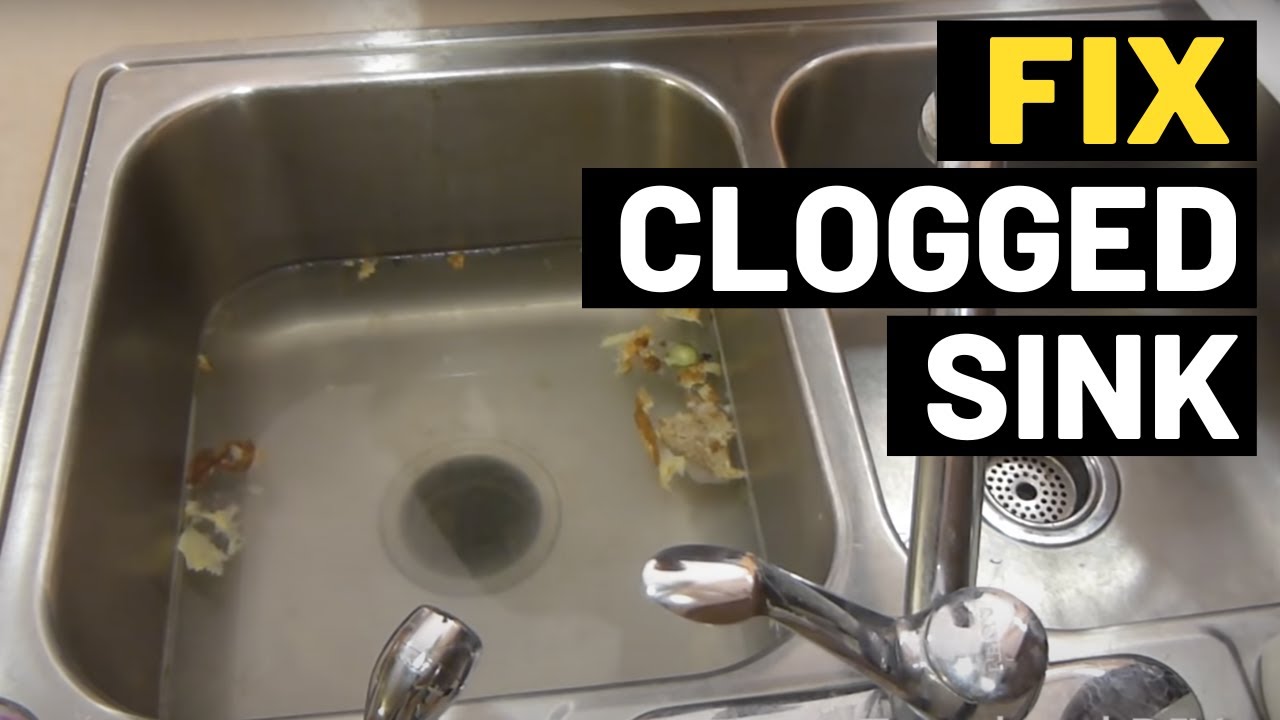
Image Source: i.ytimg.com
Deciphering the Causes of Kitchen Sink Drain Blockage
Several factors can lead to a clogged kitchen sink. It’s usually not one single item but a combination of things that build up over time. Knowing these causes helps in preventing future problems.
The Usual Suspects: What Goes Down the Drain
The kitchen sink is a hub of activity, and what goes down it directly impacts its drainage.
-
Grease Buildup in Sink Drain: This is perhaps the most frequent offender. When hot grease, oil, or fats are poured down the drain, they appear liquid. However, as they cool, they solidify and coat the inside of your pipes. Over time, this grease buildup in sink drain creates a sticky, impassable barrier. Even small amounts of grease, when mixed with other debris, can create significant problems.
-
Food Debris in Sink Drain: Scraps of food, coffee grounds, eggshells, vegetable peels, and even small bits of pasta can get caught in the drain. While many modern garbage disposals can handle some food waste, they aren’t invincible. Certain items, like fibrous vegetables (celery, asparagus), starchy foods (potatoes, rice), and hard pits or seeds, are particularly problematic and can easily lead to a food debris in sink drain blockage.
-
Foreign Objects: Accidental drops of small utensils, bottle caps, or even pieces of packaging can lodge themselves in the pipes, preventing water from passing.
-
Soap Scum: Soaps, especially bar soaps, can leave behind a residue that, over time, hardens and contributes to blockages.
-
Mineral Deposits: In areas with hard water, mineral deposits can build up on the interior walls of pipes, narrowing the passageway for water.
Plumbing System Issues
Sometimes, the problem isn’t just what’s in the immediate drain but further down the line or within the broader kitchen plumbing issues.
-
The Kitchen Sink Trap (P-Trap): Located beneath your sink, the P-trap is a U-shaped pipe designed to hold water. This water creates a seal that prevents sewer gases from entering your home. However, this U-bend is also a prime location for debris to collect and cause a blockage. A kitchen sink trap blockage is very common.
-
Vent Pipe Blockage: Your plumbing system has vent pipes that allow air into the system. This air helps wastewater flow smoothly. If a vent pipe becomes blocked by leaves, bird nests, or other debris, it can create a vacuum in the pipes, slowing down drainage.
-
Main Sewer Line Blockage: Less commonly, the blockage might be in the main sewer line that connects your house to the city’s sewer system. This would affect multiple drains in your home, not just the kitchen sink.
When Your Sink is Backing Up: Identifying the Problem
A kitchen sink backing up is a clear sign of a significant obstruction. The severity of the backup can give clues about the location of the clog.
Signs of a Clogged Sink
-
Slow Draining: Water takes a long time to go down, or it pools in the sink. This often indicates a partial blockage.
-
Gurgling Sounds: When water does drain, you might hear gurgling sounds coming from the drain. This is air being forced back up through the blockage.
-
Foul Odors: Stagnant water and decomposing food debris can create unpleasant smells.
-
Water Backs Up in Other Fixtures: If a blockage is further down the line, you might see water backing up in your dishwasher or even a garbage disposal when you try to drain the sink.
How to Unclog Your Kitchen Sink: Step-by-Step Solutions
Now that we know the potential causes, let’s explore how to unclog kitchen sink blockages. Start with the simplest methods and escalate if necessary.
Method 1: The Boiling Water Flush
This is the easiest and often most effective first step, especially for grease-related clogs.
What you’ll need:
* A kettle or pot for boiling water
* Heat-resistant gloves (optional, but recommended)
Steps:
1. Remove as much standing water from the sink as possible.
2. Boil a kettle or pot of water.
3. Carefully pour the boiling water directly down the drain in two or three stages, allowing a few seconds between each pour.
4. Wait a few minutes and run the hot tap water to see if the drain is clearing.
Why it works: Hot water can melt solidified grease and oils, breaking down the blockage.
Caution: This method is generally safe for most pipes. However, if you have very old or brittle PVC pipes, or if you’ve recently used chemical drain cleaners, it’s best to skip this step or use very hot (not boiling) tap water to avoid potential damage.
Method 2: The Baking Soda and Vinegar Volcano
This natural and effective method uses a chemical reaction to break down clogs.
What you’ll need:
* 1 cup of baking soda
* 1 cup of white vinegar
* A stopper or rag to cover the drain
* Boiling water (optional, for flushing)
Steps:
1. Remove any standing water from the sink.
2. Pour the cup of baking soda directly into the drain.
3. Slowly pour the cup of white vinegar into the drain after the baking soda. You’ll hear fizzing and see bubbling – this is the chemical reaction at work.
4. Immediately cover the drain with a stopper or a rag to keep the reaction contained within the pipes.
5. Let it sit for at least 30 minutes, or even longer (up to an hour or overnight for tougher clogs).
6. Remove the stopper and flush the drain with hot water or boiling water.
Why it works: The combination of baking soda (a base) and vinegar (an acid) creates a powerful effervescence that can dislodge grime, grease, and food particles.
Method 3: The Plunger Power
A plunger is a classic tool for clearing drains, and it works by creating suction and pressure.
What you’ll need:
* A cup plunger (the standard kind for sinks)
* A rag or stopper to seal any overflow drains
Steps:
1. Ensure there’s enough water in the sink to cover the rubber cup of the plunger. If the sink is empty, add a few inches of water.
2. If you have a double sink, block off the other drain with a wet rag or stopper. Also, block any overflow drains with a wet rag. This ensures maximum suction and pressure directed at the clog.
3. Place the plunger cup firmly over the drain opening, creating a tight seal.
4. Push down and pull up vigorously in a steady motion for about 20-30 seconds.
5. Quickly pull the plunger up and away from the drain.
6. Repeat the plunging process several times.
7. Remove the rag from the other drain and run hot water to see if the clog has cleared.
Why it works: The plunging action creates alternating pressure and suction, which can dislodge blockages.
Tip: Make sure your plunger has a good seal. If it’s not creating enough suction, you can try wetting the rim of the plunger cup with water or petroleum jelly for a better seal.
Method 4: Cleaning the Kitchen Sink Trap (P-Trap)
The P-trap is often where the blockage is located. Cleaning it yourself can solve the problem.
What you’ll need:
* A bucket or large bowl to catch water and debris
* Adjustable wrench or pliers (depending on your trap type)
* Work gloves
* Old towels or rags
Steps:
1. Prepare: Place the bucket directly underneath the P-trap to catch any water and debris that will come out.
2. Locate: The P-trap is the U-shaped pipe under your sink.
3. Loosen: Most P-traps have slip nuts on either side. Use your adjustable wrench or pliers to loosen these nuts. Turn them counter-clockwise. Be gentle, especially if the pipes are old or plastic.
4. Remove: Once the nuts are loose, carefully detach the P-trap. Be ready for water and gunk to spill into the bucket.
5. Clean: Empty the contents of the trap into the bucket. Use a brush (an old toothbrush or pipe brush works well) to clean out any stubborn debris from inside the trap. You can also rinse it in another sink or with a hose if the mess is significant.
6. Inspect: While the trap is off, examine the pipe leading into the wall for any visible blockages.
7. Reassemble: Carefully reattach the P-trap, making sure the slip nuts are hand-tightened first, then snugged a bit more with the wrench. Ensure all connections are secure but avoid over-tightening, which can crack plastic pipes.
8. Test: Run water into the sink and check for leaks around the connections. If there are no leaks and the water drains, you’ve successfully cleared the clog!
Why it works: This directly removes the accumulated debris from the most common clog point.
Method 5: Using a Drain Snake (Auger)
For deeper or tougher clogs, a drain snake is an excellent tool.
What you’ll need:
* A drain snake or auger (manual or electric)
* Work gloves
* Rags
Steps:
1. Access the Pipe: You can often insert the snake directly into the drain opening, but for better access, it’s sometimes easier to remove the P-trap first (as described in Method 4) and insert the snake into the pipe leading to the wall.
2. Insert the Snake: Feed the flexible cable of the snake into the drainpipe.
3. Advance and Rotate: Gently push the snake forward until you feel resistance, indicating a clog. Once you hit the blockage, lock the cable and begin rotating the handle (or activating the motor on an electric snake). This helps the snake’s tip (often a corkscrew or cutting head) to break up or grab the clog.
4. Retrieve the Clog: Continue rotating and gently pulling the snake back. You might pull out debris.
5. Repeat: If the drain is still slow, push the snake back in and repeat the process.
6. Flush: Once you believe the clog is cleared, reassemble any removed pipes and flush the drain thoroughly with hot water.
Why it works: The snake physically breaks up or hooks onto the blockage, allowing you to remove it.
Method 6: Chemical Drain Cleaners (Use with Caution)
Chemical drain cleaners are a last resort due to their harsh nature. They can be effective for dissolving organic matter but can also damage pipes and are harmful to the environment.
What you’ll need:
* A commercially available chemical drain cleaner (follow product instructions precisely)
* Protective eyewear
* Rubber gloves
* Good ventilation
Steps:
1. Read Instructions: Thoroughly read and follow all instructions and safety warnings on the product label.
2. Ventilate: Open windows and turn on exhaust fans to ensure good airflow.
3. Pour Carefully: Pour the recommended amount of cleaner directly into the drain.
4. Wait: Allow the cleaner to sit for the time specified on the label. Do NOT leave it for longer than recommended.
5. Flush: Flush the drain with copious amounts of cold water.
Why it works: These cleaners contain strong chemicals (acids or bases) that chemically break down organic blockages.
Important Warnings about Chemical Drain Cleaners:
* Never mix different chemical drain cleaners. This can create dangerous fumes or reactions.
* Never use a plunger immediately after using a chemical drain cleaner. The splashback can cause severe burns.
* Avoid using them on very old or corroded pipes. They can accelerate pipe deterioration.
* If the clog doesn’t clear, do not pour more chemical cleaner. Call a plumber, and inform them you’ve used a chemical cleaner.
* They are not effective against solid obstructions like plastic or hard debris.
Prevention is Key: Keeping Your Kitchen Sink Draining Smoothly
The best way to deal with a clogged kitchen sink is to prevent it from happening in the first place. Implementing good habits can save you a lot of trouble.
Smart Kitchen Habits
- Scrape Plates Thoroughly: Before rinsing dishes, scrape all food scraps into the trash or compost bin. Don’t let food debris go down the drain.
- Never Pour Grease Down the Drain: Keep a separate container for grease, oil, and fats. Once cooled, dispose of it in the trash. You can use old cans or heat-resistant containers.
- Use a Sink Strainer: A good quality sink strainer will catch food particles and debris, preventing them from entering the drain pipe. Clean the strainer regularly.
- Run Cold Water with Garbage Disposal: If you have a garbage disposal, always run cold water while using it and for about 15-20 seconds afterward. Cold water helps solidify grease so the disposal can chop it up and flush it away more effectively.
- Avoid Certain Foods: Be mindful of what you put down the drain, even with a disposal. Avoid coffee grounds, eggshells, starchy foods (rice, pasta), fibrous vegetables (celery, corn husks), fruit pits, and bones.
- Regular Maintenance: Periodically flush your drains with boiling water or the baking soda and vinegar mixture to keep them clear of minor buildup.
Maintaining Your Kitchen Plumbing
- Clean the Sink Trap Periodically: If you have a history of slow drains, consider cleaning your P-trap every few months as a preventative measure.
- Check for Leaks: Regularly inspect under your sink for any signs of leaks around the pipes and connections.
When to Call a Professional Plumber
While many kitchen sink drain issues are DIY-friendly, there are times when you should call a professional plumber.
Signs You Need Professional Help
- Multiple Fixtures Affected: If several drains in your house are backing up or draining slowly, the problem is likely with your main sewer line.
- Persistent Clogs: If you’ve tried multiple DIY methods and the sink still won’t drain, the clog may be too deep or too stubborn for home remedies.
- Foul Odors Persist: If unpleasant smells continue even after attempts to clear the drain, there might be a more serious issue like a sewer gas leak or a significant blockage.
- Water Damage: If you notice water damage around your sink or under the floor, it’s essential to get professional help immediately.
- Uncertainty: If you’re uncomfortable with any of the DIY methods or unsure about what’s causing the blockage, it’s always safer to call a plumber. They have specialized tools and expertise to diagnose and fix complex kitchen plumbing issues.
A plumber can efficiently diagnose issues with your kitchen sink drain pipe, clear severe blockages, and address any underlying plumbing system problems.
Frequently Asked Questions About Kitchen Sink Drains
Here are some common questions people have about their kitchen sink drainage:
Q1: Can I pour bleach down my kitchen sink to unclog it?
A1: While bleach can sanitize, it’s not a reliable or safe method for unclogging drains. It can react dangerously with other chemicals, damage pipes, and is harmful to the environment. Stick to safer methods like baking soda and vinegar or mechanical tools.
Q2: How often should I clean my kitchen sink trap?
A2: If you experience slow drains frequently, cleaning your P-trap every 2-3 months is a good preventative measure. If you have no drainage issues, you might not need to clean it for a year or more, or until a problem arises.
Q3: My garbage disposal isn’t draining the sink, what’s wrong?
A3: This usually indicates a clog in the pipe after the disposal, or a clog within the disposal unit itself. Try plunging the sink (with the disposal turned off and the reset button checked) or running the disposal with plenty of cold water and a few ice cubes to help clear it. If that doesn’t work, a plumber may be needed.
Q4: Is it safe to use a coat hanger to unclog my sink?
A4: A straightened coat hanger can sometimes work for very shallow clogs by snagging debris. However, it’s not very effective for deeper blockages and can scratch your pipes or even push the clog further down. A proper drain snake is a much safer and more effective tool.
Q5: Why does my kitchen sink smell bad?
A5: Bad smells usually come from food particles and grease trapped in the drain or the P-trap. Regular flushing with hot water, baking soda and vinegar, or cleaning the trap can help eliminate these odors.
By following these guidelines and understanding the common causes of kitchen sink backing up, you can effectively tackle most drainage problems and keep your kitchen sink flowing smoothly. Remember, prevention is always the best cure!