
A clogged kitchen sink can be a major inconvenience. Fortunately, most kitchen sink drain blockage issues can be resolved with simple, everyday solutions.
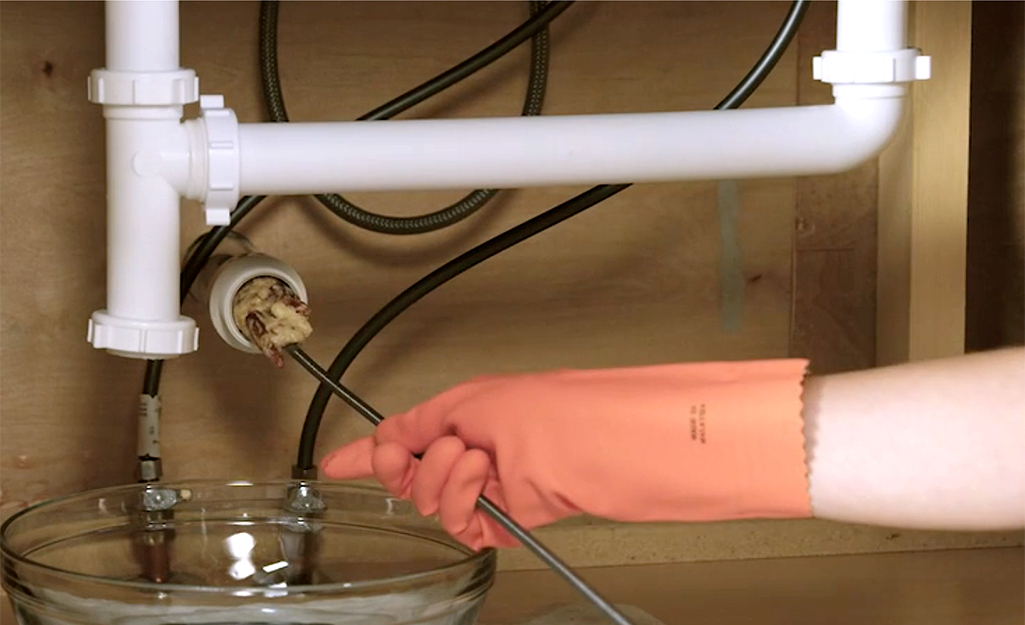
Image Source: contentgrid.homedepot-static.com
Common Culprits Behind a Clogged Kitchen Sink
Several everyday items and habits contribute to a kitchen sink drain blockage. Knowing these culprits is the first step to preventing and fixing the problem.
Food Debris in Sink Drain
The most frequent reason for kitchen sink backup is the accumulation of food debris in sink drain. Even with a garbage disposal, small particles can get through. These can include:
- Small food scraps: Rice, pasta, coffee grounds, eggshells, and vegetable peels are notorious for clinging to pipes.
- Greasy residues: As mentioned below, grease is a major enemy of your pipes.
Grease Buildup Kitchen Sink
Grease buildup kitchen sink is one of the most stubborn causes of clogs. When hot grease or oil is poured down the drain, it appears liquid. However, as it cools, it solidifies and sticks to the inner walls of your pipes. Over time, this layer of grease traps other debris, creating a significant blockage. This is a primary cause of clogged kitchen sink pipes.
Other Household Items
Beyond food, other common household items can cause trouble:
- Starchy foods: Like flour and potato peels, these can expand with water and create a gummy blockage.
- Fibrous vegetables: Celery, asparagus, and corn husks can wrap around pipes and form a net that catches other debris.
- Hair: While more common in bathrooms, hair can find its way into kitchen drains and contribute to clogs, especially if combined with grease.
- Foreign objects: Small utensils, bottle caps, or even bits of plastic can accidentally fall into the drain, causing immediate obstruction.
Troubleshooting Your Clogged Kitchen Sink
When your kitchen sink is draining slowly or not at all, it’s time for some troubleshooting clogged kitchen sink. There are several methods you can try before calling a plumber.
H3: The Boiling Water Flush
This is the simplest and often most effective first step for minor clogs, especially those caused by grease.
How to do it:
- Boil a kettle or pot of water.
- Carefully pour the boiling water directly down the drain.
- Wait a few minutes to see if the water starts to drain.
- Repeat if necessary.
Why it works: The heat from the boiling water can help melt and loosen grease buildup.
Caution: Avoid this method if you have PVC pipes, as excessive heat can damage them. Also, never pour boiling water if you’ve recently used chemical drain cleaners, as it can cause dangerous fumes or splashing.
H3: The Baking Soda and Vinegar Method
This classic DIY approach is safe for most pipes and can effectively break down minor blockages.
What you’ll need:
- 1/2 cup baking soda
- 1/2 cup white vinegar
- Hot water
How to do it:
- Pour the baking soda down the drain.
- Follow with the white vinegar. You’ll notice a fizzing reaction, which is the vinegar and baking soda working together.
- Cover the drain immediately with a stopper or cloth to direct the reaction downwards into the pipes.
- Let it sit for 15-30 minutes.
- Flush the drain with hot tap water or boiling water (if your pipes can handle it).
Why it works: The chemical reaction between baking soda (a base) and vinegar (an acid) creates carbon dioxide gas, which can help dislodge debris. The acidity can also help break down certain types of gunk.
H3: Using a Plunger
A good old-fashioned plunger can be surprisingly effective for how to unclog a kitchen sink.
What you’ll need:
- A sink plunger (a cup-shaped plunger, not the flange-type often used for toilets)
- Water
How to do it:
- Ensure there’s enough water in the sink to cover the rubber cup of the plunger. If not, add some tap water.
- Create a tight seal by placing the plunger over the drain opening. If you have a double sink, block off the other drain with a wet cloth to ensure the suction is focused.
- Plunge vigorously up and down for about 20-30 seconds.
- Quickly pull the plunger away to break the seal.
- Check if the water drains. Repeat if necessary.
Why it works: The plunging action creates alternating pressure and suction, which can dislodge blockages.
H3: The Drain Snake (Auger)
For more stubborn clogs that plunger and DIY methods can’t fix, a drain snake or auger is the next step. This tool is designed to physically break up or pull out obstructions.
What you’ll need:
- A drain snake or auger (available at most hardware stores)
- Gloves
- A bucket or rags
How to do it:
- Feed the end of the snake into the drain opening.
- Gently push the snake down the pipe until you feel resistance (this is likely the clog).
- Turn the handle of the snake to rotate the auger head. This will help break up the clog or hook onto it.
- If you feel you’ve hooked something, slowly pull the snake back out. Be prepared for some mess.
- Dispose of the debris in a trash bag.
- Flush the drain with hot water to clear any remaining debris.
Why it works: The mechanical action of the snake’s coil can break apart solid obstructions or snag soft blockages for removal.
H3: Cleaning the P-Trap
The P-trap is the U-shaped pipe under your sink. It’s designed to hold water, creating a seal that prevents sewer gases from entering your home. It’s also a common place for clogs to form.
What you’ll need:
- Bucket
- Adjustable wrench or pipe wrench
- Gloves
- Rags
How to do it:
- Place the bucket directly underneath the P-trap to catch any water and debris that will spill out.
- Use the wrench to loosen the slip nuts on either side of the P-trap.
- Carefully remove the P-trap.
- Empty its contents into the bucket.
- Clean out any accumulated gunk and debris from the P-trap itself. You can use a brush or an old toothbrush for this.
- Reassemble the P-trap, ensuring the slip nuts are tightened securely.
- Run water down the drain to check for leaks and to flush out any remaining blockage.
Why it works: Directly removing the P-trap allows you to access and clear blockages that might be lodged there. This is a key step in diagnosing and fixing many clogged kitchen sink pipes.
When to Consider Chemical Drain Cleaners
Chemical drain cleaners can be effective for certain types of clogs, particularly those caused by grease and hair. However, they should be used as a last resort due to their harsh nature.
H4: Types of Chemical Drain Cleaners
- Alkaline (Lye-based): These are very effective at breaking down grease and organic matter. They work by producing heat and creating a chemical reaction that dissolves the clog.
- Acid-based: These are more potent and can dissolve tougher blockages, but they are also the most dangerous and can damage pipes if used improperly. They are generally not recommended for home use.
- Enzyme-based: These are gentler and use bacteria or enzymes to slowly break down organic waste. They are safer for pipes and the environment but take longer to work.
H4: Using Chemical Drain Cleaners Safely
If you choose to use a chemical drain cleaner, follow these precautions diligently:
- Read the label carefully: Different products have different instructions and warnings.
- Wear protective gear: Always wear rubber gloves and eye protection.
- Ensure good ventilation: Open windows and turn on exhaust fans to avoid inhaling fumes.
- Never mix chemicals: Combining different drain cleaners or using them with other cleaning products can create toxic gases.
- Do not use if you’ve recently used other methods: Mixing chemical cleaners with baking soda and vinegar, for instance, can be dangerous.
- Follow the recommended waiting time: Don’t leave the product in the pipes for longer than instructed.
- Flush thoroughly with cold water: Avoid hot water unless the product specifically directs you to.
Why they work: The chemicals in these cleaners react with the clog material, breaking it down into smaller, water-soluble particles that can then be flushed away.
Note: Repeated use of chemical drain cleaners can damage your pipes over time, leading to more significant kitchen sink plumbing issues. They are best used sparingly for stubborn clogs.
Preventing Future Kitchen Sink Clogs
Prevention is always better than cure, especially when it comes to common kitchen sink clogs. Implementing a few good habits can save you a lot of hassle.
H5: What NOT to Pour Down the Drain
This list is crucial for avoiding kitchen sink drain blockage:
- Grease, oil, and fats: Always wipe greasy pans with a paper towel before washing them, or dispose of grease in a separate container.
- Coffee grounds: They don’t dissolve and can accumulate into a solid mass.
- Eggshells: Their powdery texture can stick to pipes and trap other debris.
- Starchy foods: Pasta, rice, and potato peels expand with water.
- Fibrous foods: Celery, corn husks, asparagus peels.
- Bones and fruit pits: These are too hard to break down.
- Feminine hygiene products, cotton balls, and paper towels: These do not break down in water and will cause clogs.
- Chemicals not meant for drains: Paint, solvents, and harsh cleaners can damage pipes and the environment.
H5: Best Practices for Your Kitchen Sink
- Use a drain strainer or catcher: These small mesh baskets sit in your drain opening and catch food scraps and other debris, preventing them from going down the pipe. Empty them regularly.
- Scrape plates thoroughly: Before rinsing dishes, scrape all food scraps into the trash or compost bin.
- Run cold water when using the garbage disposal: This helps wash away food particles and solidify any grease so it can be chopped up and flushed away more easily. Never pour hot grease down the disposal.
- Regularly flush your pipes: Periodically pour hot water down the drain to help prevent grease buildup. The baking soda and vinegar method can also be used as a preventative measure once a month.
- Address slow drains promptly: If you notice your kitchen sink draining slowly, don’t ignore it. It’s an early warning sign of a developing clog that can be easier to fix before it becomes a complete blockage.
When to Call a Professional Plumber
While many kitchen sink clogs are DIY-fixable, there are times when professional help is necessary.
H3: Signs You Need a Plumber
- Persistent or Recurring Clogs: If you’ve tried multiple methods and the clog keeps returning, there might be a larger issue further down the line, such as a blockage in the main sewer line or a problem with your kitchen sink plumbing issues.
- Multiple Fixtures Affected: If other drains in your house (like toilets or showers) are also backing up or draining slowly, the problem is likely with your main sewer line, which requires professional attention.
- Foul Odors: Persistent, unpleasant smells coming from the drain can indicate a serious blockage or a problem with your plumbing vent system.
- Water Backups: If water backs up into your sink from other drains, it’s a strong indicator of a main line blockage.
- Lack of Confidence or Tools: If you’re uncomfortable with any of the DIY methods or don’t have the necessary tools, it’s safer and more efficient to call a plumber.
H3: What a Plumber Can Do
Professional plumbers have specialized tools and expertise to handle even the most severe clogs. They can:
- Use powerful electric drain cleaning machines.
- Perform video inspections of your pipes to identify the exact location and nature of the blockage.
- Address structural issues within your plumbing system.
- Provide long-term solutions for recurring problems.
By understanding the common causes of kitchen sink drain blockage and knowing the effective solutions, you can often keep your kitchen sink running smoothly. Don’t hesitate to tackle minor clogs yourself, but know when it’s time to call in the experts for more complex kitchen sink plumbing issues.
Frequently Asked Questions About Kitchen Sink Clogs
Q1: Can I pour bleach down my kitchen sink to unclog it?
It’s generally not recommended to use bleach for unclogging drains. While it can help sanitize, it’s not very effective at breaking down grease or food debris that cause most kitchen sink clogs. Furthermore, mixing bleach with other cleaners (like vinegar or ammonia) can produce dangerous toxic fumes.
Q2: My garbage disposal is running but the sink is still clogged. What does this mean?
If your garbage disposal is running but water isn’t draining, it means the clog is located in the drain pipe after the disposal unit, or possibly further down the main drain line. The disposal is just grinding the food, but it can’t push it through a blocked pipe. You’ll need to use one of the methods described above to clear the clog in the pipes.
Q3: How often should I clean my drains to prevent clogs?
As a preventative measure, you can pour a mixture of baking soda and vinegar down your drain once a month, followed by hot water. This helps to break down any minor buildup before it becomes a problem. Regularly cleaning out your drain strainer also prevents larger debris from entering the pipes.
Q4: Is it normal for my kitchen sink to drain slowly sometimes?
A slow-draining sink is a clear indicator that a clog is forming. It means that debris is already starting to accumulate in your pipes. Addressing a slow drain promptly with the methods discussed in this article can prevent it from developing into a complete blockage.
Q5: What is the difference between a sink plunger and a toilet plunger?
A sink plunger, also known as a cup plunger, has a simple cup shape and is designed to create a seal on flat surfaces like sink drains. A toilet plunger, or flange plunger, has an extra flap (flange) that extends downwards, which is designed to fit into the toilet bowl’s drain opening to create a better seal. You should use the correct type of plunger for each fixture to be most effective.