
Why are kitchen aids so expensive? Kitchen aids are expensive due to a combination of factors including superior materials, advanced technology, meticulous craftsmanship, brand reputation, and the overall durability that makes them an investment.
Navigating the world of kitchen appliances and tools can often feel like stepping into a high-stakes marketplace. You might wander into a showroom or browse online, expecting to find a sturdy whisk or a reliable stand mixer, only to be met with price tags that make your eyes water. This sticker shock isn’t just a personal experience; it’s a widespread phenomenon. Why does a simple-looking blender or a gleaming stainless steel refrigerator command such a hefty sum? The answer lies in a complex interplay of elements that elevate these kitchen essentials from mere gadgets to sophisticated pieces of equipment. This in-depth exploration will delve into the core reasons behind the high cost of many kitchen aids, dissecting the elements that contribute to their premium pricing.
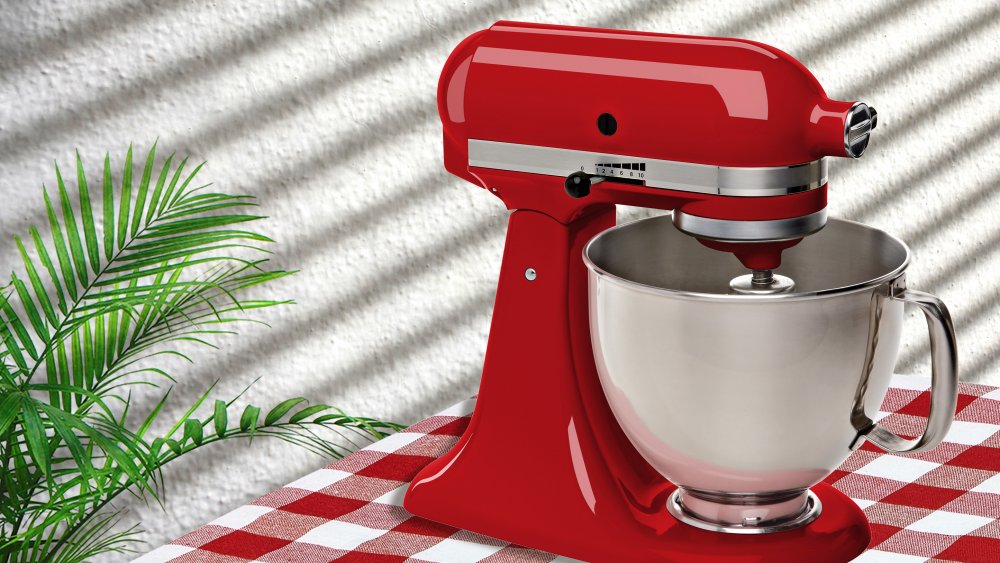
Image Source: www.mashed.com
Deciphering the Cost: Beyond the Surface
The price you see on a kitchen aid isn’t simply a reflection of plastic and metal. It’s a culmination of research, development, material science, manufacturing precision, and brand promise. When you invest in high-end kitchen appliances or luxury kitchen equipment, you’re not just buying a tool; you’re acquiring a piece of engineering designed to perform, endure, and often, to elevate your entire culinary experience.
The Foundation: Superior Materials and Construction
At the heart of many expensive kitchen aids lies the quality of the materials used. This is where the difference between a bargain bin item and a long-term investment truly begins.
Metal Matters: Stainless Steel, Cast Iron, and Beyond
- Stainless Steel: Many quality kitchen appliances boast stainless steel construction. This isn’t just for aesthetics. High-grade stainless steel (like 304 or 18/10) is resistant to rust, corrosion, and staining. It’s also hygienic, non-reactive with food, and can withstand high temperatures. The thickness and finish of the steel also play a significant role. Thicker gauge stainless steel is more durable and less prone to denting.
- Cast Iron: For cookware, cast iron is a prime example. It offers unparalleled heat retention and distribution, crucial for searing and slow cooking. However, it’s heavy and requires specific care, and its production process is more labor-intensive than other metals.
- Aluminum: While often used in less expensive items, high-quality aluminum, especially anodized aluminum, offers excellent conductivity and a non-reactive surface. The processes to create high-quality aluminum components add to the cost.
Durability and Longevity: Built to Last
One of the most significant justifications for a higher price tag is durability. Durable kitchenware and appliances are designed to withstand years of rigorous use.
- Bearings and Motors: For stand mixers, blenders, and food processors, the quality of the motor and its internal components (like bearings) is paramount. High-end models often feature robust, all-metal gear systems and powerful, efficient motors that can handle heavy loads without overheating or faltering. These are built for performance, not just occasional use.
- Components: From the precision-machined gears in a stand mixer to the hardened steel blades in a blender, the individual components are often engineered to tighter tolerances and made from stronger materials. This reduces wear and tear and ensures consistent performance over time.
The Brains of the Operation: Advanced Technology and Innovation
The integration of technology is another major driver of cost in modern kitchen aids. What might seem like simple functions are often powered by sophisticated electronics and smart design.
Smart Features and Connectivity
- Precision Temperature Control: Refrigerators and ovens with advanced temperature sensors and multiple cooling zones maintain precise climates for optimal food preservation and cooking.
- Smart Appliances: Many premium kitchen brands are now incorporating Wi-Fi connectivity, allowing users to control appliances remotely, receive notifications, and access recipes. This requires significant investment in software development and integration.
- Variable Speed Controls: Blenders and mixers with multiple, finely tuned speed settings allow for greater control over texture and consistency, which is crucial for professional chefs and serious home cooks.
Energy Efficiency and Sustainability
- Energy Star Ratings: Appliances that meet rigorous energy efficiency standards often incorporate more advanced insulation, more efficient motors, and smarter power management systems. These technologies, while saving money on utility bills in the long run, add to the upfront manufacturing cost.
- Sustainable Materials: Some brands are also investing in more sustainable materials and manufacturing processes, which can also increase production costs.
The Art of Creation: Craftsmanship and Design
Beyond the functional aspects, the aesthetic appeal and meticulous craftsmanship of premium kitchen aids contribute significantly to their price.
Precision Engineering and Assembly
- Tolerances: High-end products are often built with much tighter manufacturing tolerances. This means parts fit together more precisely, leading to better performance, quieter operation, and greater durability.
- Hand-Finishing: In some cases, particularly with professional kitchen tools or designer kitchen appliances, elements may be hand-finished or assembled by skilled artisans, a process that is inherently more expensive than automated assembly.
Aesthetic Appeal and Ergonomics
- Designer Collaborations: Many luxury brands collaborate with renowned designers to create appliances that are not only functional but also visually stunning. This design input, often involving extensive prototyping and testing, adds to the cost.
- Ergonomic Design: Thoughtful design that considers user comfort, ease of use, and safety also requires significant investment in research and development. Intuitive controls and comfortable grips enhance the user experience.
The Power of the Brand: Reputation and Trust
Brand name recognition and the reputation built over years, often decades, are powerful drivers of price. When you buy from a premium kitchen brand, you’re paying for more than just the product itself.
Legacy and Trust
- Established Brands: Brands like KitchenAid, Viking, Miele, and Sub-Zero have spent years building a reputation for reliability, performance, and customer service. This history translates into trust, and consumers are willing to pay a premium for that assurance.
- Customer Service and Support: Premium brands often offer superior customer support, longer warranties, and readily available replacement parts, all of which contribute to the overall ownership experience and justify a higher initial cost.
Marketing and Perceived Value
- Brand Image: Extensive marketing campaigns, sponsorships, and endorsements all contribute to building a desirable brand image. This perceived value influences what consumers are willing to pay.
- Exclusivity: Some brands position themselves as exclusive, catering to a discerning clientele. This exclusivity, whether genuine or manufactured, allows them to command higher prices.
The Business of Quality: Manufacturing and Distribution
The economics of producing and distributing high-quality kitchen aids also play a crucial role in their pricing.
Research and Development (R&D)
- Innovation: Developing new technologies, improving existing designs, and testing for safety and performance requires significant investment in R&D. This cost is recouped through product pricing.
- Patents: Innovations are often patented, giving the brand exclusive rights and allowing them to charge a premium for their unique technology.
Manufacturing Processes
- Smaller Production Runs: Compared to mass-market goods, specialized kitchen appliances or commercial kitchen gear might be produced in smaller batches. Smaller production runs typically have higher per-unit manufacturing costs due to less economy of scale.
- Quality Control: Rigorous quality control measures at every stage of production ensure that products meet high standards. This involves more extensive testing and inspection, adding to the cost.
Distribution and Retail Markups
- Specialty Retailers: High-end kitchen appliances are often sold through specialty retailers or authorized dealers who provide expert advice and personalized service. These retailers have higher overhead costs, which are reflected in the prices.
- Global Supply Chains: Sourcing high-quality materials and manufacturing components globally can involve complex logistics and tariffs, all of which can impact the final price.
Investment or Expense? Rethinking the Purchase
When considering the cost of premium kitchen aids, it’s essential to frame them not just as expenses, but as investment kitchen purchases.
Total Cost of Ownership
- Lifespan: A well-made appliance can last 10, 15, or even 20 years, far outlasting cheaper alternatives. When you divide the initial cost by the lifespan, the per-year cost can be surprisingly competitive.
- Repair Costs: While initial repairs might be expensive for high-end items, their robust construction often means fewer breakdowns and less frequent need for repairs compared to lower-quality appliances.
- Performance: Consistently good performance can save money in other ways, such as reducing food spoilage in refrigerators or ensuring even cooking in ovens, minimizing wasted ingredients.
Impact on Culinary Skills and Enjoyment
- Enhanced Capabilities: Better tools can unlock new culinary possibilities. A powerful blender can create silky smooth soups, and a precise oven can bake perfect pastries.
- Joy of Cooking: Using well-designed, high-performing tools can simply make cooking more enjoyable and less frustrating. This intangible benefit is a significant part of the value proposition.
Comparing Costs: A Look at Key Kitchen Aids
Let’s examine how these factors play out across common kitchen appliances and tools.
Stand Mixers
- Why they’re expensive: Powerful motors, all-metal construction, multiple attachments, durable gear systems, brand reputation.
- Investment: A well-maintained KitchenAid stand mixer can last a lifetime, with attachments adding versatility for baking, pasta making, and more.
Refrigerators
- Why they’re expensive: Advanced cooling systems, multiple temperature zones, energy-efficient compressors, durable shelving and seals, smart features, premium finishes.
- Investment: Longevity, reduced food spoilage, and lower energy bills contribute to the long-term value.
Blenders
- Why they’re expensive: High-powered motors, hardened steel blades, durable containers (Tritan or glass), variable speed control, advanced blending programs.
- Investment: The ability to create smooth purees, crush ice efficiently, and withstand heavy use makes them a staple for health-conscious individuals and home chefs.
Cookware
- Why they’re expensive: High-quality metals (stainless steel, cast iron, copper), advanced non-stick coatings, ergonomic handles, multi-ply construction for even heating.
- Investment: Proper cookware ensures even cooking, better browning, and can last for decades, outperforming cheaper, thinner alternatives that warp easily.
Coffee Machines
- Why they’re expensive: Precision temperature control, high-pressure pumps, durable grinders, sophisticated brewing mechanisms, advanced steam wands for milk frothing.
- Investment: For coffee enthusiasts, the ability to consistently brew café-quality coffee at home offers significant value, saving money on daily coffee shop visits.
Table: Cost Factors for Premium Kitchen Appliances
| Cost Factor | Description | Impact on Price |
|---|---|---|
| Material Quality | Use of high-grade stainless steel, durable alloys, solid metals, and robust plastics. | High |
| Motor & Gearing | Powerful, efficient motors and robust, precision-engineered gear systems for longevity and performance. | High |
| Technology Integration | Smart features, advanced sensors, precise temperature control, Wi-Fi connectivity, energy efficiency. | High |
| Craftsmanship & Assembly | Tight tolerances, precision engineering, hand-finishing, meticulous assembly by skilled technicians. | Medium |
| Design & Ergonomics | Aesthetic appeal, user-friendly interfaces, comfortable grips, thoughtful layouts, designer collaborations. | Medium |
| Brand Reputation & Marketing | Legacy of quality, customer trust, brand image building, advertising, endorsements. | High |
| Research & Development (R&D) | Investment in innovation, product development, testing, and patent acquisition. | Medium |
| Quality Control & Testing | Rigorous inspection and testing at multiple stages to ensure high standards and reliability. | Medium |
| Warranty & Customer Support | Extended warranties, readily available parts, excellent after-sales service and technical support. | Medium |
| Production Volume & Scale | Smaller production runs for specialized items can increase per-unit manufacturing costs. | Low-Medium |
| Distribution & Retail Markups | Costs associated with specialty retailers, showrooms, and authorized dealers. | Medium |
Frequently Asked Questions (FAQ)
Q1: Are all expensive kitchen appliances worth the money?
Not necessarily. While many premium brands justify their cost through superior materials, performance, and durability, some brands may charge a premium primarily for marketing and brand prestige. It’s important to research individual products and read reviews to determine if the value proposition is truly there for your needs.
Q2: How can I find good quality kitchen tools without overspending?
Look for brands known for durability in specific categories. For example, some brands excel in cookware, while others are renowned for mixers. Read reviews from reputable sources and consider mid-range options from established brands that offer a good balance of quality and price. Also, consider buying during sales events.
Q3: What is the difference between “professional kitchen gear” and “home kitchen appliances”?
Professional kitchen gear is designed for heavy, continuous use in commercial settings. It’s typically built with extremely durable materials and powerful components to withstand demanding environments. While often highly effective for home use, it can be overkill and more expensive than necessary for most home cooks.
Q4: Can I expect a longer lifespan from premium kitchen appliances?
Yes, generally. Premium kitchen appliances are built with higher quality materials and more robust components, which translate into a longer operational lifespan. They are designed for durability and consistent performance over many years of use, often outlasting cheaper alternatives by a significant margin.
Q5: What does “investment kitchen purchase” mean in this context?
It means viewing the cost of a high-quality kitchen appliance or tool as an investment that will provide value and performance over an extended period. Instead of a one-time expense, it’s an asset that enhances your lifestyle, potentially saves money over time (through efficiency or reduced replacements), and offers superior functionality.
In conclusion, the premium price tag on many kitchen aids is a multifaceted indicator of quality, innovation, and enduring value. When you invest in luxury kitchen equipment or high-end kitchen appliances, you are paying for the meticulous craftsmanship, the advanced technology, the superior materials, and the trusted brand reputation that together promise years of reliable performance and enhanced culinary experiences. While the initial outlay might seem steep, for many, these investment kitchen purchases prove their worth through their durability, efficiency, and the sheer joy they bring to the heart of the home.