
You’ve just walked into your kitchen, coffee mug in hand, only to be greeted by a tiny, black, marching line of ants. Suddenly, your clean kitchen has become a battleground. So, why do you suddenly have tiny ants in your kitchen? You have tiny ants in your kitchen because they’ve found a food or water source and have established a trail back to their colony, often seeking sweet or greasy substances, crumbs, or moisture.
This common and often frustrating occurrence signifies that a scout ant has discovered resources in your home, and it has communicated this discovery to its colony mates. Before you know it, what started as a single ant can escalate into a full-blown ant infestation. These little invaders are remarkably persistent, and their ability to find even the smallest openings makes them a formidable challenge for many homeowners. Dealing with kitchen ants effectively requires a multifaceted approach, from immediate cleanup to long-term prevention.
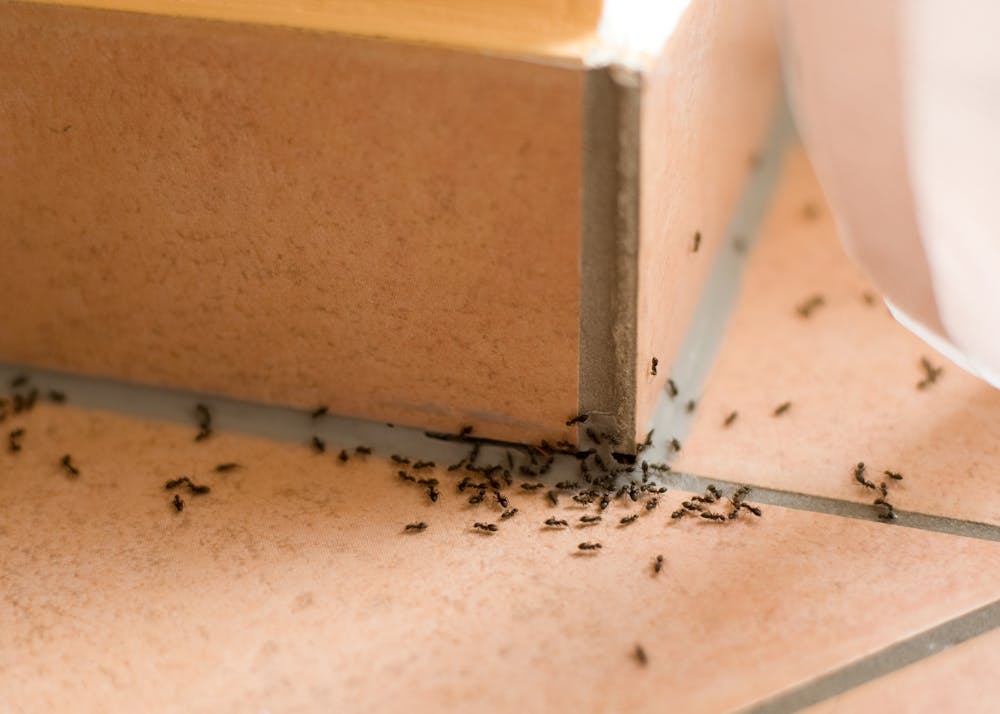
Image Source: images.theconversation.com
Fathoming the Arrival of Kitchen Ants
The sudden appearance of small ants in house settings, particularly the kitchen, is almost always linked to the availability of food and water. Ants are opportunistic foragers, and your kitchen, with its array of potential meals and access to moisture, is an ideal destination.
What Attracts Ants to Your Kitchen?
Several factors can lure ants into your kitchen:
- Sweet Substances: Ants, especially species commonly referred to as “sugar ants,” are highly attracted to anything sweet. This includes spilled juice, honey, sugar granules, jam, syrup, and even the sticky residue left on countertops or appliances.
- Grease and Fats: Greasy residues from cooking, uncleaned stovetops, or spills around the sink can be equally tempting. Ants can detect these scents from a distance.
- Crumbs and Food Debris: Even tiny crumbs dropped from toast, crackers, or pastries can be a significant food source for ants. Pet food left out also serves as an attractive bait.
- Moisture: Ants need water to survive. Leaky faucets, damp sponges, condensation under appliances, or even standing water in plant saucers can draw them in.
- Warmth and Shelter: During colder months, ants may seek the warmth and protection of your home. They can also be attracted to sheltered nesting spots.
- Entry Points: Ants can squeeze through incredibly small cracks and crevices. Gaps around windows, doors, pipes, or baseboards can provide easy access.
Common Types of Kitchen Ants
Identifying the type of ant you’re dealing with can aid in effective ant control. While many species can venture into kitchens, some are more common.
| Ant Species | Typical Size | Coloration | Common Attractants | Nesting Habits |
|---|---|---|---|---|
| Odorous House Ant | 1/8 to 1/4 inch | Dark brown to black | Sweets, grease, dairy | Underneath baseboards, walls, insulation |
| Carpenter Ant | 1/4 to 1/2 inch | Black, red, or brown | Protein, sweets, honeydew | Damp wood, insulation, wall voids |
| Pavement Ant | 1/8 to 1/4 inch | Dark brown to black | Sweets, oils, dead insects | Pavement cracks, sidewalks, wall voids |
| Pharaoh Ant | 1/16 to 1/8 inch | Yellow to reddish-brown | Sweets, proteins, fats | Wall voids, behind baseboards, cabinets |
Knowing which species you’re dealing with helps tailor your ant extermination strategy. For instance, carpenter ants are wood-destroying insects and require a different approach than sugar ants.
Deciphering the Ant Trails
Once ants find a food source, they leave behind a pheromone trail. This chemical scent acts as a highway, guiding other ants from the colony directly to the food. Observing these ant trails is crucial for pinpointing their entry and exit points and the path they are using to access your kitchen.
Following the Scent: How Ants Communicate
Ants rely heavily on scent for navigation and communication. When a scout ant finds food, it releases a pheromone as it travels back to the colony. Other ants detect this pheromone and follow the scent to the food source. This creates the visible ant trails you often see.
Where to Look for Ant Trails
- Sink Areas: Leaky pipes, residual food particles, or dampness under the sink can attract ants.
- Countertops and Islands: Spills, crumbs, or sticky residue are prime targets.
- Stovetop and Oven: Grease splatters and food debris are strong attractants.
- Trash Cans: Uncovered or improperly sealed trash cans can be a feast for ants.
- Pet Food Bowls: Even a small amount of dry or wet pet food can draw them in.
- Pantries and Cupboards: Grains, sugar, and other food items can attract ants if not stored properly.
- Window Sills and Doorways: These are common entry and exit points where ants may leave scent trails.
By meticulously following these trails, you can get a clearer picture of their movement patterns and where their nest might be located, which is vital for effective ant control.
Tackling the Ant Problem: Your Action Plan
Once you’ve identified the cause and traced the trails, it’s time to implement a plan to eliminate the ant problem. This typically involves a combination of cleaning, sealing entry points, and using appropriate control methods.
Immediate Steps for Ant Control
-
Clean Thoroughly:
- Wipe down all surfaces, especially countertops, tables, and the stove, with a soapy cloth or an all-purpose cleaner. Pay close attention to any visible spills or sticky spots.
- Sweep or vacuum floors to remove crumbs and debris.
- Empty and clean trash cans regularly, ensuring they are sealed tightly.
- Wash dirty dishes promptly and don’t leave them in the sink.
- Clean pet food bowls after each feeding.
-
Eliminate Food Sources:
- Store all food, especially sweets and grains, in airtight containers.
- Wipe down the exterior of honey, syrup, and jam jars before returning them to the pantry.
- Seal any open boxes of cereal or crackers.
-
Remove Water Sources:
- Fix any leaky faucets or pipes.
- Wipe down sinks and countertops to ensure they are dry, especially at night.
- Don’t leave pet water bowls full for extended periods if ants are an issue.
-
Disrupt Ant Trails:
- Once you’ve cleaned up the food source, wash away the pheromone trails. Use soapy water, vinegar, or an ant-repellent cleaner. This makes it harder for other ants to follow the established path.
Natural Ant Deterrents
Before resorting to chemical treatments, consider these natural methods to deter ants:
- Vinegar Solution: Mix equal parts white vinegar and water. Spray this solution along ant trails, entry points, and around food areas. The strong scent masks pheromone trails and can kill ants on contact.
- Lemon Juice: The acidity of lemon juice can also disrupt ant trails and deter them. Wipe down surfaces with lemon juice or place lemon peels near entry points.
- Peppermint Oil: Ants dislike the strong scent of peppermint. Mix a few drops of peppermint essential oil with water and spray it around affected areas. You can also place cotton balls soaked in peppermint oil in strategic locations.
- Cinnamon: Sprinkle cinnamon powder or use cinnamon essential oil around entry points. Ants are generally repelled by its strong aroma.
- Chalk or Talcum Powder: Drawing a chalk line or sprinkling talcum powder can create a barrier that ants are reluctant to cross.
Effective Ant Extermination Methods
If natural deterrents aren’t enough to manage the ant infestation, you might need to consider targeted ant extermination methods.
Ant Baits: The Targeted Approach
Ant baits are often the most effective way to eliminate an entire colony. Baits contain a slow-acting poison mixed with an attractant (usually sweet or protein-based). Worker ants consume the bait and carry it back to the colony, sharing it with other ants, including the queen. This process can take a few days to a week but is highly effective in eradicating the source of the problem.
- Types of Baits: Gel baits, liquid baits, and bait stations are available.
- Placement: Place baits along visible ant trails, near entry points, but out of reach of children and pets.
- Patience is Key: Avoid spraying insecticides near baits, as this can deter ants from consuming them. Let the ants do their job.
Insecticide Sprays: For Immediate Relief
Insecticide sprays can kill ants on contact and provide immediate visible results. However, they are generally not as effective for long-term colony elimination as baits.
- Use Sparingly: Overuse of sprays can scatter ants, making them harder to control with baits.
- Targeted Application: Spray directly on visible ants and along their trails.
- Read Labels Carefully: Always follow the instructions on the product label for safe and effective use.
Preventing Future Ant Infestations
Once you’ve dealt with the current ant problem, the key is to prevent their return. This involves consistent cleaning and sealing potential entry points.
Sealing Entry Points
- Inspect Your Home: Thoroughly examine the exterior and interior of your home for cracks and crevices.
- Caulk and Seal: Use caulk to seal gaps around windows, doors, utility lines, and foundation cracks.
- Repair Screens: Ensure window and door screens are in good condition and free of holes.
Maintaining a Clean Kitchen
- Daily Cleaning Routine: Make it a habit to wipe down counters, sweep floors, and wash dishes daily.
- Regular Deep Cleaning: Periodically clean out pantries, cupboards, and appliances to remove any hidden crumbs or spills.
- Proper Food Storage: Continue to store all food in airtight containers.
- Manage Trash: Keep trash cans clean and tightly sealed. Consider using a trash can liner and emptying it frequently, especially if it contains food waste.
Outdoor Ant Management
Ants often originate from nests outside your home. Managing the outdoor environment can reduce the likelihood of them seeking entry.
- Trim Vegetation: Keep branches and shrubs trimmed away from your house. Ants often use these as bridges to reach your home.
- Remove Debris: Clear away leaf litter, woodpiles, and other debris from around your foundation, as these can provide nesting sites.
- Address Moisture Issues: Ensure your gutters are clean and downspouts direct water away from your foundation.
Frequently Asked Questions About Tiny Kitchen Ants
Q1: Will the ants go away on their own?
A1: While some ants may disperse if their food source is removed, a colony with a queen will actively seek new resources. If you have a significant ant infestation, it’s unlikely they will leave on their own without intervention.
Q2: Is it safe to use ant baits around children and pets?
A2: Ant baits are designed to be attractive to ants, but they can also be appealing to children and pets. Always place baits in areas inaccessible to them, follow product instructions carefully, and consider using tamper-resistant bait stations.
Q3: How long does it take for ant baits to work?
A3: It typically takes several days to a week for ant baits to effectively eliminate a colony. Worker ants need time to consume the bait and share it with the rest of the colony, including the queen.
Q4: I killed all the ants I saw, but more keep appearing. Why?
A4: This is because you are likely only seeing the worker ants. The queen and the rest of the colony remain hidden, and more workers are sent out to find food. The key to solving this ant problem is to target the colony itself, often through baiting.
Q5: Can I spray insecticides directly on ant trails?
A5: While this will kill the ants you see, it’s not the most effective long-term solution. Sprays can scatter ants, making them harder to track and potentially causing them to find new entry points or nesting locations. Baits are generally preferred for eradicating the colony.
Dealing with tiny ants in your kitchen can be a nuisance, but with a clear understanding of why they arrive and a systematic approach to ant control, you can reclaim your kitchen and keep these unwelcome guests at bay. Consistent cleaning and proactive prevention are your best defenses against future ant infestations.