
What is a kitchen sink cookie? A kitchen sink cookie is a type of cookie that contains a wide variety of ingredients, often including chocolate chips, nuts, pretzels, potato chips, and other sweet and salty additions, much like throwing everything from your kitchen sink into one pot.
The name “kitchen sink cookie” perfectly captures the essence of this delightful, often chaotic, baked creation. It’s a cookie that embraces abundance, a sweet and salty symphony born from the idea of using up whatever is available in your pantry. The term itself conjures images of a baker, perhaps facing a slightly daunting grocery bill or simply inspired by a burst of creativity, looking at their ingredients and thinking, “Why not put all of this in the cookie dough?” It’s a testament to culinary resourcefulness and a delightful rebellion against strict ingredient lists.
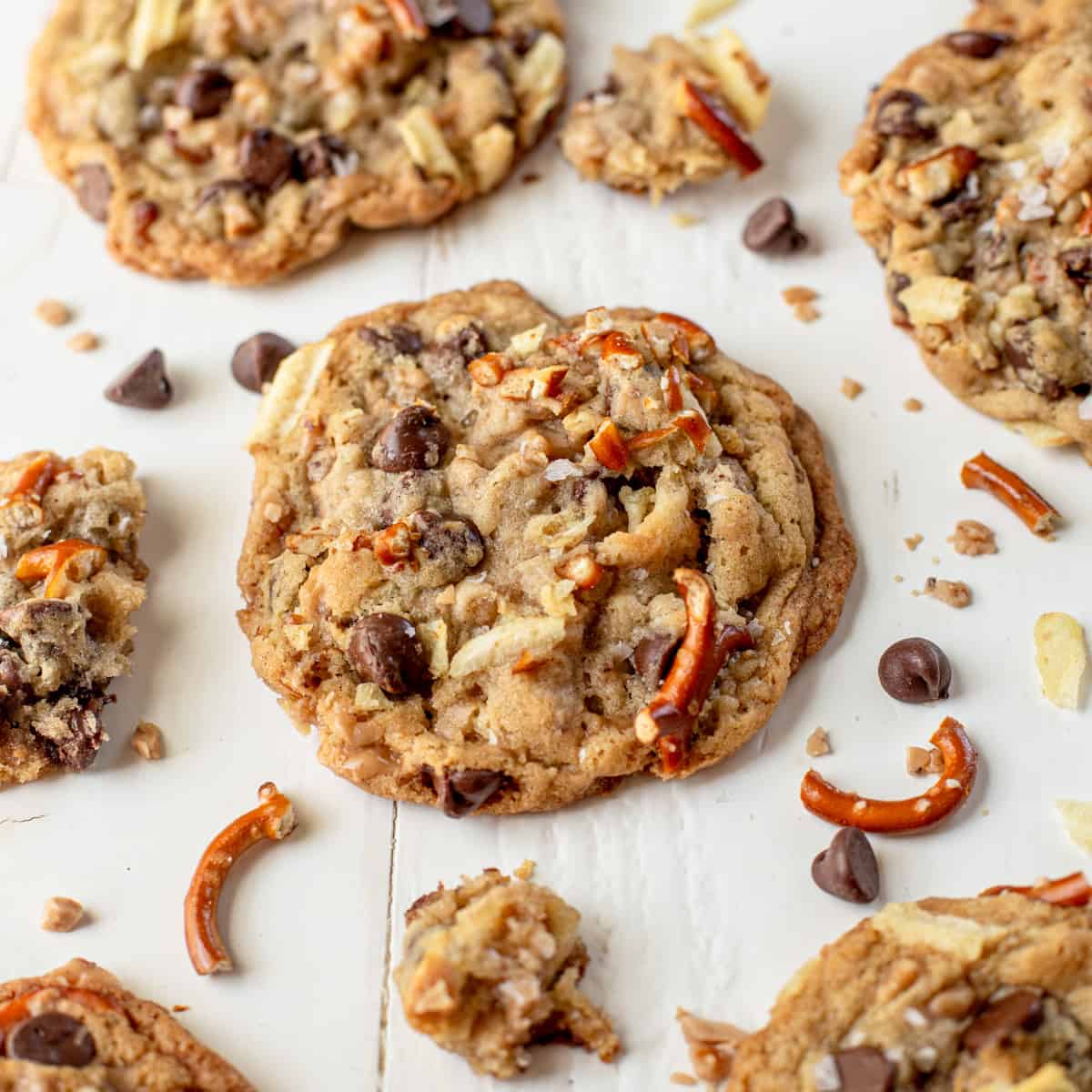
Image Source: inquiringchef.com
Deciphering the “Kitchen Sink” Moniker
The “kitchen sink” part of the name isn’t just a catchy phrase; it’s a direct descriptor of the cookie’s philosophy. Think about what happens when you truly empty your kitchen sink – you get a jumble of leftovers, perhaps a stray carrot sliver, a bit of pasta, a forgotten herb sprig. While we wouldn’t recommend that for cookies, the concept of combining disparate, even mismatched, elements is central.
The term “kitchen sink” is a common idiom in English, meaning to include or consider absolutely everything. When applied to food, especially baked goods, it implies a generous, almost extravagant, inclusion of various components. It’s the culinary equivalent of saying, “We’ve included everything but the kitchen sink cookie” in a recipe, but in this case, the “everything” is in the cookie. This is what makes it an “everything but the kitchen sink cookie” in its most literal sense.
Origins and Evolution of the Everything Cookie
While pinpointing the exact origin of the kitchen sink cookie is as elusive as finding a single matching sock in a laundry basket, its roots lie in the age-old practice of using up leftover ingredients. Before the era of perfectly curated dessert recipes and meticulous grocery lists, home bakers were often more pragmatic. They’d rummage through their pantries and cupboards, cobbling together whatever they had on hand to create something delicious. This meant that a batch of cookies might end up with a mix of chocolate chips, raisins, nuts, and perhaps even a few leftover candies.
This resourceful approach to baking predates the widespread popularity of the specific “kitchen sink cookie” label. However, as home baking gained momentum and people started sharing their creations, these liberally-loaded cookies began to gain traction. The name likely emerged organically, a descriptive and humorous way to label these generously stuffed treats.
The evolution of the kitchen sink cookie reflects changing tastes and a growing appreciation for textural and flavor contrasts. What might have started as a simple “clean out the pantry” cookie recipe has transformed into a deliberate culinary statement. Today, bakers intentionally seek out a variety of ingredients to achieve that signature jumbled cookie appearance and complex flavor profile. It’s no longer just about using leftovers; it’s about crafting a truly unique and satisfying cookie experience.
A Legacy of Leftover Love
The concept of a leftover cookie recipe is deeply embedded in the history of home baking. Before the convenience of readily available specialty ingredients, bakers relied on what was in their pantry. If there were half a bag of chocolate chips, some walnuts, and a few dried cranberries, they all found their way into the dough. The kitchen sink cookie embraces this legacy, celebrating the spirit of using what you have and transforming it into something extraordinary.
The Rise of the “Junk Food Cookie”
In recent years, the kitchen sink cookie has also been embraced by a more playful, indulgent side of baking, often dubbed the “junk food cookie.” This iteration leans into the more decadent and unexpected additions – think crushed potato chips, bits of candy bars, salty pretzels, and even cereal. The goal isn’t just to use up ingredients but to create a maximalist flavor explosion. This type of cookie often appeals to those who enjoy a good balance of sweet, salty, crunchy, and chewy textures. The appeal here is in the sheer audacity of the ingredient combination.
What Makes a Cookie a “Kitchen Sink” Cookie?
The defining characteristic of a kitchen sink cookie is its sheer variety of inclusions. There’s no single definitive recipe, and that’s part of its charm. However, certain elements are commonly found, contributing to its iconic status.
Common Inclusions and Their Roles
- Chocolate: This is almost a given. From classic chocolate chips to chunks of various chocolate bars, it provides sweetness and a familiar base.
- Salty Snacks: Crushed pretzels, potato chips, or even cornflakes add a delightful crunch and a crucial salty counterpoint to the sweetness. This is a key differentiator that elevates it beyond a standard chocolate chip cookie.
- Nuts: Walnuts, pecans, almonds – these add texture, a nutty flavor, and a healthy fat component.
- Dried Fruits: Raisins, cranberries, or chopped apricots contribute chewiness and a different kind of sweetness.
- Candy Pieces: Chopped-up candy bars, M&Ms, or toffee bits inject bursts of extra sweetness and varied textures.
- Other Cereals: Bits of granola or other crunchy cereals can add a unique textural element and flavor.
The beauty of the kitchen sink cookie lies in its adaptability. A true pantry raid cookie is limited only by your imagination (and what you have available!).
The Art of Mismatched Cookie Ingredients
The magic of the kitchen sink cookie lies in its ability to harmonize seemingly mismatched cookie ingredients. The challenge, and the artistry, comes in balancing these diverse flavors and textures. A good kitchen sink cookie doesn’t just throw everything in; it aims for a cohesive, albeit complex, final product.
Consider the interplay of salty pretzels with sweet caramel bits, or the crunch of potato chips against the chewiness of dried cherries. These are juxtapositions that, when executed thoughtfully, create a more exciting and memorable cookie than a single-flavor variety. The “chaotic cookie name” is earned through the delightful disarray of its components, yet the resulting taste is surprisingly harmonious.
The Psychology Behind the Name: Why “Kitchen Sink”?
The name “kitchen sink” is incredibly effective because it taps into several psychological associations.
Embracing Chaos and Creativity
The term “kitchen sink” implies a lack of order, a spontaneous burst of activity. For bakers, it can represent a moment of creative freedom, a break from the rigid rules of traditional baking. It’s a way to express individuality and playfulness. This is where the “random cookie toppings” truly shine, as there are no rules to follow.
Nostalgia and Resourcefulness
For many, the name evokes memories of childhood baking, perhaps with a grandmother who used up every last bit of an ingredient. It taps into a sense of nostalgia for simpler times and the value of resourcefulness. It speaks to a time when baking was more about making do and less about perfection.
The Ultimate “Everything Cookie”
The “everything cookie” moniker is also apt because it truly aims to include as much as possible. It’s a cookie that promises a little bit of everything for everyone, catering to diverse cravings within a single bite. This generous approach is inherently appealing.
The “Pantry Raid Cookie” Philosophy
The kitchen sink cookie embodies the spirit of the “pantry raid cookie.” It’s the ultimate expression of “what’s in the pantry?” baking. This approach encourages bakers to:
- Reduce Food Waste: By using up bits and pieces of ingredients, it’s a delicious way to be more sustainable.
- Experiment with Flavor: It pushes bakers to try new combinations they might not have considered otherwise.
- Bake on a Whim: You don’t need a perfectly stocked pantry; you can often create these cookies with what you already have.
This philosophy makes the kitchen sink cookie incredibly accessible and encourages a more intuitive approach to baking. It’s a “miscellany cookie” in the best possible way, a delightful collection of varied components.
How to Bake the Perfect Kitchen Sink Cookie
While flexibility is key, there are some general guidelines to help you craft a successful kitchen sink cookie.
The Base Dough: A Solid Foundation
The cookie dough itself needs to be sturdy enough to hold a generous amount of inclusions. A classic chocolate chip cookie dough recipe often serves as a good base. Key elements include:
- Butter: Provides richness and helps with spread.
- Sugar: Contributes to sweetness, chewiness, and browning. A mix of granulated and brown sugar is often preferred for depth of flavor and texture.
- Eggs: Bind the ingredients and add moisture.
- Flour: Provides structure. All-purpose flour is standard.
- Leavening Agent: Baking soda or baking powder helps the cookies rise and spread.
- Vanilla Extract: Enhances the overall flavor.
The ratio of wet to dry ingredients is crucial. You want a dough that is firm enough to hold its shape but soft enough to mix in a large quantity of goodies.
The Art of Inclusion: Balance is Key
This is where the “chaotic cookie name” really comes to life. When adding your inclusions, consider:
- Texture: Aim for a variety of textures – crunchy, chewy, crispy.
- Flavor Balance: Combine sweet and salty elements. Don’t let one flavor overpower the others.
- Proportion: While it’s an “everything but the kitchen sink cookie,” you don’t want to overload the dough to the point where it can’t bake properly. A general guideline is to add inclusions that make up about 1 to 1.5 times the amount of flour.
Here’s a sample breakdown of how you might approach your inclusions:
| Ingredient Category | Common Examples | Purpose |
|---|---|---|
| Sweeteners | Chocolate chips, M&Ms, toffee bits | Primary sweetness, flavor bursts |
| Salty Crunch | Pretzels, potato chips, salted nuts | Saltiness, textural contrast |
| Chewy Elements | Dried cranberries, raisins, caramel bits | Chewiness, concentrated sweetness |
| Nuts & Seeds | Walnuts, pecans, sunflower seeds | Texture, nutty flavor, healthy fats |
| “Wild Card” Items | Butterscotch chips, shredded coconut, cereal | Unique flavor notes, added complexity |
Baking and Cooling Tips
- Dough Consistency: If your dough feels too sticky after adding inclusions, chill it for at least 30 minutes. This will make it easier to scoop and prevent excessive spreading.
- Baking Temperature: A standard cookie temperature of 350°F (175°C) usually works well.
- Baking Time: Kitchen sink cookies might take slightly longer to bake due to the higher volume of ingredients. Bake until the edges are golden brown and the centers are still slightly soft.
- Cooling: Allow the cookies to cool on the baking sheet for a few minutes before transferring them to a wire rack to cool completely. This prevents them from breaking apart.
The Enduring Appeal of the Kitchen Sink Cookie
The kitchen sink cookie isn’t just a trend; it’s a reflection of our desire for abundance, our love for surprising flavor combinations, and our appreciation for the resourceful spirit of home baking. It’s a cookie that encourages us to embrace imperfection and celebrate the joy of what happens when you throw caution – and a lot of delicious ingredients – to the wind.
Whether you call it an “everything cookie,” a “pantry raid cookie,” or simply by its beloved “kitchen sink” title, this jumbled cookie remains a testament to the idea that sometimes, the most delicious creations come from the most unexpected places. The “miscellany cookie” is, in fact, a masterpiece of controlled culinary chaos. It’s the ultimate “junk food cookie” for those who appreciate a good flavor adventure.
Frequently Asked Questions (FAQ)
Q1: Can I add any ingredient I want to a kitchen sink cookie?
A1: While the spirit of the kitchen sink cookie is to be generous with ingredients, it’s still important to consider how they will bake. Extremely wet ingredients could make the dough too soft, and very large, hard items might not bake through properly. Stick to smaller, bakeable items for the best results.
Q2: What makes a kitchen sink cookie different from a loaded cookie?
A2: While both are generously filled, “kitchen sink” specifically implies a very wide variety of ingredients, often including sweet and salty items like pretzels or potato chips. A “loaded cookie” might simply have a lot of one or two types of inclusions, like extra chocolate chips and nuts.
Q3: How do I prevent my kitchen sink cookies from spreading too much?
A3: Chilling the dough before baking is the most effective way to control spread. This solidifies the butter, slowing down how quickly the cookies melt and spread in the oven.
Q4: What is the best way to mix in the ingredients?
A4: Gently fold in the inclusions at the very end of mixing the dough. Overmixing can develop the gluten in the flour too much, resulting in tougher cookies, and can also cause some ingredients (like chips) to break down too much.
Q5: Can I make a gluten-free or vegan kitchen sink cookie?
A5: Absolutely! You can adapt a standard kitchen sink cookie recipe by using gluten-free flour blends and vegan butter/egg substitutes. Ensure your chosen inclusions are also compatible with your dietary needs.