
A persistent, irritating drip from your kitchen faucet can be more than just an annoyance; it’s a clear signal that something isn’t right. What is causing my kitchen faucet to drip? Most often, a dripping tap is caused by a worn-out washer, a damaged O-ring, or a problem with the valve seat. Can I fix a dripping faucet myself? Yes, in many cases, you can tackle this common issue with simple tools and a little patience. Who is responsible for faucet repairs? Typically, homeowners are responsible for faucet repair within their own homes.
This constant drip isn’t just a sound problem; it’s a waste of precious water and can significantly increase your water bill. In a time when water conservation is crucial, a leaky faucet is a habit you want to break. The good news is that most household repairs, including fixing a dripping faucet, are well within the reach of the average DIY enthusiast. We’ll walk you through the common culprits and provide straightforward solutions to get your faucet back in working order.
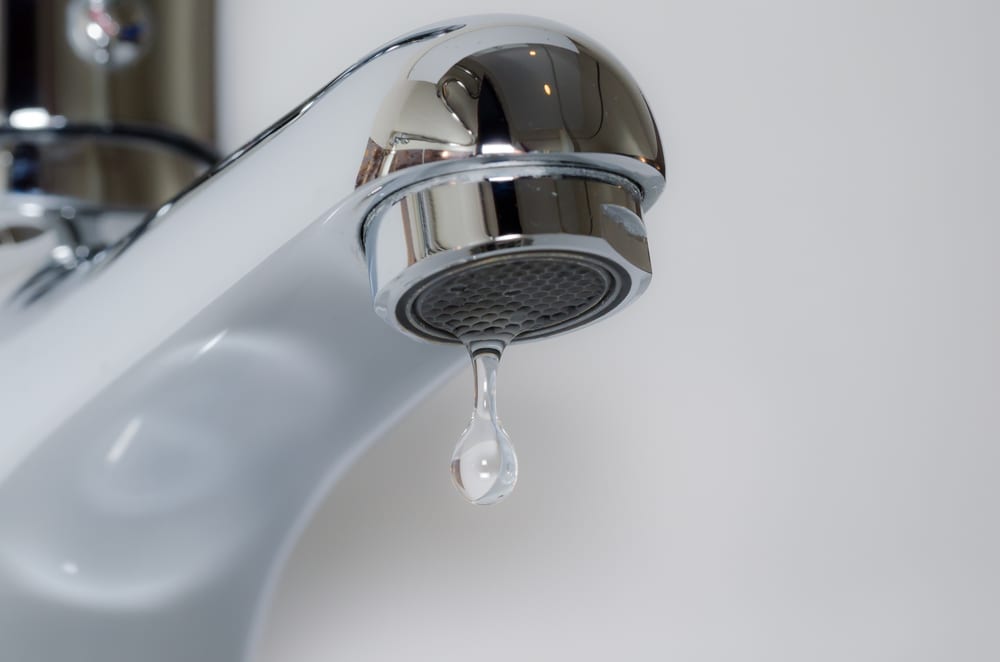
Image Source: www.wmhendersoninc.com
Fathoming the Flow: Common Causes of a Dripping Faucet
Before you can stop the drip, you need to know why it’s happening. Different faucet types have different internal mechanisms, but the root causes of leaks are often quite similar. Let’s dive into the most frequent offenders.
The Worn-Out Washer: A Frequent Culprit
In older faucet models, particularly compression faucets, a small rubber washer is the gatekeeper of water flow. When you turn the handle, this washer presses down against a valve seat, stopping the water. Over time, this washer can become worn, cracked, or hardened, losing its ability to create a watertight seal.
- How it happens: Constant pressure and contact with water, especially if the water has mineral deposits, can degrade the rubber.
- What you’ll see: A slow, steady drip from the spout, often even when the handle is tightly turned off.
- The fix: Washer replacement is usually a straightforward DIY task. You’ll need to turn off the water supply, disassemble the faucet handle, remove the old washer, and install a new one. It’s wise to have a few sizes on hand, as they can vary.
O-Ring Issues: The Silent Leakers
Many modern faucets, especially those with single handles or two-handle designs that don’t use traditional compression mechanisms, rely on O-rings. These are small, rubber rings that seal moving parts, preventing water from escaping around the handle or spout.
- What are O-rings? They are small, circular rubber seals that fit into grooves within the faucet’s body.
- When do they fail? Like washers, O-rings can wear out, become brittle, or get damaged from mineral buildup.
- Signs of trouble: Leaks around the faucet handle base or, in some cases, contributing to a drip from the spout.
- The solution: O-ring issues are also fixable with DIY faucet repair. The process involves carefully disassembling the faucet handle to access and replace the worn O-ring. It’s important to note the size and type of O-ring you remove to ensure you buy the correct replacement.
Valve Seat Problems: The Foundation of the Drip
The valve seat is the part of the faucet where the washer (in compression faucets) or cartridge makes contact to stop water flow. If this metal surface becomes corroded, pitted, or has mineral deposits build up on it, the washer or cartridge won’t be able to create a proper seal, leading to a drip.
- How valve seats get damaged: Hard water deposits can erode the smooth surface. Small debris in the water supply can also cause wear and tear.
- Identifying a valve seat issue: If replacing the washer or cartridge doesn’t stop the drip, the valve seat is a prime suspect.
- The fix: In some cases, you can clean the valve seat using a specialized tool called a valve seat dresser or grinder. If the damage is severe, the valve seat might need to be replaced, which can be a more complex repair, sometimes requiring a plumber.
The Faucet Cartridge: The Heart of Modern Faucets
Many newer faucets, especially single-handle models, use a faucet cartridge. This is a self-contained unit that controls water flow and temperature. When the seals within the cartridge wear out or the cartridge itself becomes damaged, it can lead to leaks.
- What is a faucet cartridge? It’s a cylindrical component, usually made of brass or plastic, with ceramic discs or rubber seals inside that regulate water.
- Why they fail: Over time, the seals inside the cartridge can wear down, or mineral deposits can cause the discs to stick or not seal properly.
- Symptoms of a faulty cartridge: A constant drip from the spout, difficulty controlling water temperature, or a stiff handle.
- The repair: Replacing a faucet cartridge is a common DIY faucet repair. The process involves removing the faucet handle, identifying the type of cartridge, and carefully pulling out the old one to insert a new, compatible cartridge. This is often simpler than dealing with multiple small parts like washers and springs.
Deciphering Your Faucet Type: Key to a Successful Repair
To effectively tackle a dripping tap, it’s essential to know what kind of faucet you have. Different designs have different internal components that are prone to failure.
Compression Faucets: The Traditionalists
These are the oldest and perhaps most common type of faucet. They feature two separate handles for hot and cold water.
- How they work: Turning the handle pushes a stem down, compressing a rubber washer against a valve seat, which stops the water.
- Common failure points: Washers and valve seats.
- Recognizing them: Two distinct handles, often with a “hot” and “cold” indicator.
Ball Faucets: The Single-Handle Swivelers
Popular in the 1980s and 90s, ball faucets have a single handle that controls both water flow and temperature via a rotating metal or plastic ball inside the faucet body.
- How they work: The handle moves a slotted ball, which aligns with openings in the faucet body to control water flow.
- Common failure points: O-rings, rubber seats, and springs that work with the ball mechanism.
- Recognizing them: A single handle that pivots on a rounded ball-shaped cap right at the base of the spout.
Cartridge Faucets: The Modern Workhorses
These faucets, often with single or double handles, utilize a cartridge that contains all the necessary seals and mechanisms to control water.
- How they work: The cartridge moves up and down or rotates to control water.
- Common failure points: The cartridge itself.
- Recognizing them: Can have one or two handles. Often have a more modern aesthetic. The handle action is typically very smooth.
Ceramic Disc Faucets: The Durable Do-It-Alls
These are among the most modern and durable faucet types. They feature two ceramic discs that slide against each other to control water flow.
- How they work: One disc is stationary, while the other rotates with the handle. Holes in the discs align to allow water through.
- Common failure points: While very durable, the seals at the base of the cartridge can wear out, or the discs themselves can crack, though this is rare.
- Recognizing them: Typically a single lever that moves smoothly, often with a quarter-turn action to turn on/off.
Step-by-Step Faucet Repair: A Guide to Stopping the Drip
No matter the cause, the process for faucet repair generally follows a similar pattern. Safety and preparation are key.
Step 1: Shut Off the Water Supply
This is the most crucial first step. You don’t want to be dealing with a gushing pipe!
- Look for shut-off valves directly beneath the sink. These are usually small, oval or round handles attached to the hot and cold water pipes.
- Turn these valves clockwise until they are snug.
- If you can’t find or operate the shut-off valves under the sink, you’ll need to turn off the main water supply to your house. This valve is typically located in the basement, garage, or near your water meter.
- Once the water is off, open the faucet you’re working on to drain any remaining water and relieve pressure.
Step 2: Gather Your Tools and Supplies
Having the right tools makes the job much easier.
- Adjustable wrench
- Screwdriver set (Phillips and flathead)
- Pliers (needle-nose are helpful)
- Plumber’s grease or silicone lubricant
- Replacement parts (washers, O-rings, or cartridge – ensure you have the correct ones for your faucet model)
- A clean rag or towel
- A small bucket or bowl to catch any residual water
Step 3: Disassemble the Faucet
This is where you’ll need to be gentle and methodical.
- Remove the handle: Most faucet handles have a decorative cap or cover. Carefully pry this off with a flathead screwdriver or a utility knife. You might find a screw underneath. Unscrew it.
- Remove the bonnet nut or packing nut: Once the handle is off, you’ll likely see a larger nut holding the faucet stem or cartridge in place. Use your adjustable wrench to loosen and remove this nut. Turn it counter-clockwise.
- Extract the stem or cartridge: This is the part that actually controls the water. In compression faucets, you’ll pull out the stem. In cartridge faucets, you’ll pull out the cartridge. You might need to wiggle it or use pliers to gently extract it. For ball faucets, you’ll need to lift out the ball assembly, seats, and springs.
Step 4: Identify and Replace the Faulty Part
This is where you’ll address the specific cause of the drip.
Replacing a Washer (Compression Faucets)
- At the base of the stem you removed, you’ll see a small screw holding a rubber washer.
- Unscrew this screw and remove the old, worn washer.
- Place the new washer onto the screw, ensuring it sits flat.
- Screw it back into the stem.
- Pro tip: Lightly coat the new washer with plumber’s grease to help it seal and prevent future wear.
Replacing O-Rings
- Examine the stem or cartridge you removed. Look for small rubber rings fitted into grooves.
- Carefully remove the old O-rings using a small screwdriver or needle-nose pliers. Be careful not to scratch the metal.
- Lubricate the new O-rings with plumber’s grease.
- Gently slide the new O-rings into their respective grooves.
Addressing Valve Seat Issues
- After removing the stem, look down into the faucet body. You’ll see the valve seat.
- If it appears dirty or has mineral buildup, try cleaning it with a cloth or a specialized valve seat dresser.
- If the valve seat is visibly pitted or corroded, you might need to replace it. This often involves a valve seat wrench to unscrew the old seat and screw in a new one. If you’re not comfortable with this, it’s time to call a plumber.
Replacing a Faucet Cartridge
- Once the old cartridge is out, take it with you to the hardware store to ensure you get an exact match. There are many types and brands.
- Lubricate the new cartridge’s O-rings with plumber’s grease.
- Carefully insert the new cartridge into the faucet body, ensuring it’s oriented correctly according to the faucet’s design.
Step 5: Reassemble the Faucet
Work in reverse order of disassembly.
- Carefully place the stem or cartridge back into the faucet body.
- Screw the bonnet nut or packing nut back on securely, but don’t overtighten.
- Reattach the handle and its retaining screw.
- Replace the decorative cap.
Step 6: Turn the Water Back On and Test
- Slowly turn the shut-off valves back on (counter-clockwise).
- Check for any immediate leaks around the handle or spout.
- Turn the faucet on and off several times to ensure it’s working correctly and, most importantly, that the drip has stopped.
Important Considerations for Faucet Repair and Water Conservation
Beyond simply stopping the drip, thinking about plumbing maintenance and water conservation can save you time and money in the long run.
Choosing the Right Replacement Parts
The market is flooded with faucet brands and models, each with its own proprietary parts.
- Identify your faucet brand: Look for a brand name or logo on the faucet itself.
- Consult your faucet manual: If you still have it, it will likely list the specific parts needed.
- Take the old part with you: This is often the easiest way to ensure you get an exact match.
- Consider a repair kit: Many manufacturers offer specific repair kits for their faucet models that contain all the necessary washers, O-rings, and even cartridges.
When to Call a Professional Plumber
While many household repairs are DIY-friendly, some situations warrant professional help.
- Uncertainty: If you’re unsure about any step or the cause of the leak, it’s better to call a plumber than risk causing further damage.
- Corroded or stubborn parts: If parts are seized with mineral buildup or rust, attempting to force them can break them.
- Valve seat replacement: If the valve seat needs replacement and you don’t have the specialized tools or confidence, a plumber can handle it efficiently.
- Persistent leaks: If you’ve tried replacing parts and the drip continues, there might be a more complex issue that requires expert diagnosis.
- Old or damaged faucets: If your faucet is very old, corroded, or shows signs of significant wear and tear, it might be more cost-effective to replace the entire faucet rather than trying to repair it.
The Bigger Picture: Water Conservation
A single dripping faucet can waste thousands of gallons of water per year.
- The numbers: A faucet dripping just one drop per second can waste over 3,000 gallons of water annually.
- Environmental impact: Conserving water reduces the strain on local water supplies and the energy required to treat and pump water.
- Financial savings: Stopping leaks directly translates to lower water bills.
Regular plumbing maintenance, including checking for and fixing leaks promptly, is a cornerstone of responsible homeownership and contributes significantly to water conservation efforts.
Frequently Asked Questions About Dripping Kitchen Faucets
Q1: How often should I check my faucets for leaks?
It’s a good practice to visually inspect all your faucets for drips or leaks at least once a month. Also, listen for any unusual sounds like hissing or dripping when the faucet is off.
Q2: Can a dripping faucet affect my water pressure?
While a single dripping faucet is unlikely to significantly impact your overall water pressure, a series of small leaks or a larger, more serious leak could potentially reduce pressure. The primary impact of a drip is water wastage.
Q3: What is the best way to clean mineral deposits from faucet parts?
You can soak metal faucet parts in white vinegar for a few hours. For stubborn deposits, a soft brush or an old toothbrush can help scrub them away. Always rinse thoroughly and dry parts completely before reassembly.
Q4: My faucet handle is hard to turn. What could be the problem?
A stiff handle can indicate worn O-rings, a dried-out cartridge, or mineral buildup within the faucet mechanism. Replacing the O-rings or the entire cartridge often resolves this issue.
Q5: I bought a repair kit, but it has many parts. How do I know which ones to use?
This is where identifying your faucet model or taking the old parts with you to the store is crucial. Most repair kits are designed for specific faucet types or even specific models. Refer to the kit’s instructions or the faucet manufacturer’s website if possible. If you’re still unsure, it might be best to consult a professional.
By taking the time to diagnose the cause and follow these simple solutions, you can effectively stop that irritating drip and contribute to water conservation right in your own home. Happy fixing!