
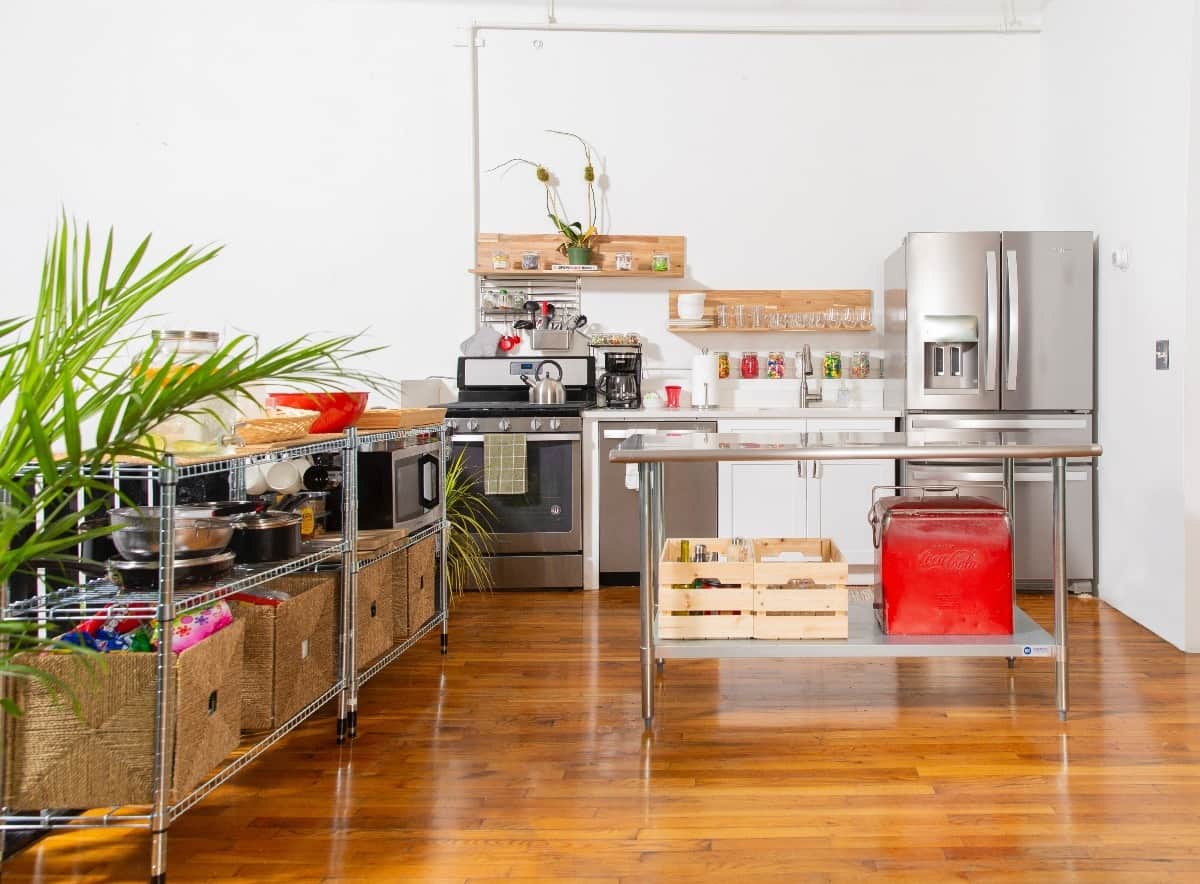
Image Source: www.peerspace.com
How Much To Rent A Commercial Kitchen Cost Explained
How much does it cost to rent a commercial kitchen? The cost to rent a commercial kitchen varies widely, typically ranging from $25 to $100+ per hour, depending on factors like location, size, equipment, and included services. Some facilities offer monthly or even annual packages, which can bring down the per-hour rate significantly.
Starting a food business can be exciting, but the cost of a commercial kitchen can seem daunting. You need a licensed space to cook legally, but building your own from scratch is a massive investment. That’s where renting comes in. This guide breaks down everything you need to know about commercial kitchen rental cost and helps you figure out what you’ll pay.
Figuring Out Commissary Kitchen Pricing
Commissary kitchen pricing is all about what you get for your money. Think of a commissary kitchen as a shared workspace for food businesses. Instead of each business needing its own full, certified kitchen, they can rent time and space in a larger, fully equipped facility. This makes it much more affordable for startups, food trucks, caterers, and bakers.
Several things influence how much a commissary kitchen charges:
- Location: Prime areas, especially in big cities, will always cost more due to higher rent and demand.
- Size and Private vs. Shared Space: Do you need a small corner to prep, or an entire station with specific equipment? Private kitchens or dedicated stations cost more than just renting a shared prep table.
- Equipment: The more specialized or high-end the equipment available, the higher the price. Think combi ovens, blast chillers, or specific mixers.
- Hours of Access: Do you need 24/7 access, or just during business hours? Extended access often comes with a higher price tag.
- Services Included: Some kitchens include cleaning, storage, utilities, and even business support. These extras add value and can influence the overall cost.
- Contract Length: Longer commitments often come with discounts compared to month-to-month rentals.
Shared Kitchen Rental Rates: What to Expect
Shared kitchen rental rates are generally the most common and affordable option. These kitchens have multiple workstations or cooking lines that several food businesses use at different times. It’s like a co-working space, but for cooking.
Here’s a breakdown of what influences these rates:
- Hourly Rates: This is the most flexible option. You pay for the time you use the kitchen. Rates can range from:
- $25 – $50 per hour: For basic prep areas or shared equipment use.
- $50 – $75 per hour: For dedicated stations with more advanced equipment.
- $75 – $100+ per hour: For premium spaces, specialized equipment, or during peak times.
- Daily Rates: Some places offer day passes, which can be more cost-effective if you need a full day of work. This might range from $200 to $500.
- Weekly/Monthly Packages: If you know you’ll need consistent access, these packages offer better per-hour savings. A 10-hour/week commitment might be $300-$400 per month, while a 40-hour/week commitment could be $1000-$1500 or more.
Key factors impacting shared kitchen rates:
- Equipment Availability: Access to ovens, ranges, mixers, prep tables, refrigeration, and dishwashing facilities all factor in.
- Storage: Cold storage (refrigerators, freezers) and dry storage space are often priced separately or included in higher-tier packages.
- Utilities: Electricity, gas, water, and waste disposal are usually covered in the rental fee.
- Cleaning and Sanitation: Most places include basic cleaning services, but if you need specialized cleaning or have a very messy operation, there might be extra fees.
Hourly Kitchen Rental Fees: Paying for What You Use
Hourly kitchen rental fees offer the ultimate flexibility, especially for businesses with unpredictable needs or those just starting out. This model is perfect for testing new recipes, preparing small batches, or fulfilling one-off catering orders.
When looking at hourly fees, consider:
- Minimum Hours: Some kitchens require you to book a minimum number of hours, even if you only need one or two.
- Peak vs. Off-Peak Pricing: Similar to hotels, some kitchens charge more during busy times (evenings, weekends) and less during slower periods.
- Equipment Reservation: Do you need to reserve specific equipment, and does that cost extra?
Example Hourly Rate Comparison (Hypothetical):
| Kitchen Type | Hourly Rate | Includes | Best For |
|---|---|---|---|
| Basic Prep Space | $25 – $35 | Shared prep tables, sinks, basic refrigeration | Small-scale baking, packaging, simple prep |
| Standard Station | $40 – $60 | Range, oven, prep space, shared larger equipment | Catering prep, moderate batch cooking |
| Premium/Specialized | $70 – $100+ | Convection ovens, blast chillers, specialty tools | High-volume production, specific dietary needs |
Commercial Kitchen Space Hire: More Than Just the Oven
When you opt for commercial kitchen space hire, you’re getting more than just a place to cook. You’re accessing a certified, regulated environment that meets health department standards. This is crucial for legal operation.
Here’s what a typical hire agreement might cover:
- Dedicated Workstation: A specific area with access to certain equipment.
- Shared Equipment: Access to communal appliances like large mixers, ovens, or fryers.
- Storage: Dry storage shelves, refrigerator, and freezer space. This can be a significant cost differentiator.
- Utilities: Electricity, gas, water, and waste disposal are usually included.
- Cleaning Supplies & Services: Access to dish soap, sanitizers, and often basic cleaning of common areas.
- Insurance: Some kitchens require you to have your own liability insurance, while others might include it in a higher tier of service.
Consider these additional costs when hiring space:
- Deposit: Many kitchens require a security deposit to cover damages.
- Membership Fees: Some facilities have monthly membership fees on top of rental rates.
- Specialty Equipment Rental: If you need a piece of equipment not at your station, you might pay extra to use it.
- Disposal Fees: For specific waste like excess oil or food scraps, there might be additional charges.
Renting a Professional Kitchen: What It Entails
Renting a professional kitchen means securing a space that adheres to all health and safety regulations. This is a critical step for any food entrepreneur. It’s not just about the stove; it’s about the entire infrastructure that makes food production safe and legal.
When you rent a professional kitchen, you are essentially renting:
- A Certified Space: Approved by local health departments for food preparation.
- Proper Ventilation: Essential for safe cooking environments.
- Adequate Handwashing and Sanitizing Stations: Meeting strict hygiene standards.
- Commercial-Grade Equipment: Durable and designed for high-volume use.
- Compliance Documentation: The facility will have all necessary permits and licenses.
The cost of renting a professional kitchen often reflects this compliance and the quality of the equipment. It’s an investment in the legitimacy and safety of your food business.
Food Truck Kitchen Rental: A Specific Need
Food truck kitchen rental is a specialized segment. Food truck owners often need commissary kitchens for several reasons:
- Prep Work: Preparing ingredients, sauces, and pre-cooking items before loading them onto the truck.
- Storage: Storing perishable ingredients in commercial refrigeration and freezer units.
- Cleaning: Washing truck surfaces, equipment, and utensils.
- Waste Disposal: Properly disposing of greywater and grease.
- Vehicle Servicing: Some commissaries offer parking and maintenance for food trucks.
Rates for food truck kitchen rental can vary:
- Hourly/Daily for Kitchen Use: Similar to other commercial kitchens, but may include access to specific truck amenities.
- Monthly Parking/Stall Fees: This can range from $100 to $500+ per month, depending on location and included services.
- Utility Hookups: Access to water, electricity, and sometimes propane.
Some facilities cater specifically to food trucks, offering package deals that include kitchen time, parking, and waste disposal.
Ghost Kitchen Rental Prices: The Rise of Delivery-Only
Ghost kitchen rental prices are a hot topic due to the boom in food delivery. Ghost kitchens (also known as dark kitchens or virtual kitchens) are commercial kitchens set up solely for delivery-only food brands. They often have multiple small kitchen stations within a larger facility.
The pricing for ghost kitchen rentals can be structured in a few ways:
- Per Station Rental: You rent a dedicated cooking station equipped with necessary appliances. Prices can be similar to shared kitchen rates, perhaps $50-$100+ per hour, or more commonly, a monthly fee for a dedicated station, ranging from $1,500 to $5,000+ per month, depending on size and equipment.
- Revenue Share: Some ghost kitchen operators take a percentage of your sales instead of or in addition to a fixed rental fee. This can be risky but also allows for lower upfront costs.
- Full Facility Lease: Larger food businesses might lease an entire section or the whole facility, with costs varying significantly based on square footage and amenities.
Factors influencing ghost kitchen prices:
- Included Services: Many ghost kitchens offer integrated delivery platform management, marketing support, and even order fulfillment, which adds to the cost.
- Equipment Package: The type and quantity of cooking equipment provided in each station.
- Location: Again, prime urban locations command higher prices.
- Technology Integration: Some facilities come with pre-installed POS systems or delivery management software.
Kitchen Incubator Costs: Nurturing Food Startups
Kitchen incubator costs are often designed to be more supportive for emerging food businesses. Incubators aim to provide not just space but also mentorship, business development resources, and networking opportunities.
Pricing models for kitchen incubators:
- Lower Hourly/Monthly Rates: Generally more affordable than standard commercial kitchens to encourage growth. Rates might be $15-$40 per hour for shared space or $500-$1,500 per month for dedicated time.
- Membership Tiers: Different levels of access and support, with higher tiers including more services and potentially higher fees.
- Program Fees: Some incubators charge a program fee that covers mentorship and business classes, often in exchange for equity or a revenue share.
What you might pay for:
- Access to high-quality, shared equipment.
- Dedicated storage space.
- Business workshops and coaching.
- Networking events.
- Mentorship from experienced food professionals.
The goal of an incubator is to help you grow, so the initial investment might be lower, with the expectation that you’ll eventually graduate to your own space or a more expensive rental.
Co-Working Kitchen Rental: Flexible and Collaborative
Co-working kitchen rental is similar to shared kitchens but often emphasizes a more flexible, collaborative atmosphere, much like traditional co-working spaces for office workers.
What defines co-working kitchen rentals:
- Flexible Access: Often offer hourly, daily, weekly, or monthly plans.
- Community Focus: Designed to foster a sense of community among users, with shared resources and potential for collaboration.
- Variety of Spaces: May include shared prep tables, private cooking stations, dedicated bakeries, or even small office spaces.
Typical pricing:
- Hourly: $30 – $70
- Daily: $200 – $400
- Monthly (Part-time access): $400 – $800
- Monthly (Full-time access): $800 – $2,000+
The specific cost depends heavily on the amenities, location, and the level of access you require.
Breaking Down the Costs: A Closer Look
Let’s delve deeper into the components that make up the commercial kitchen rental cost:
1. Equipment Access and Usage
The type and availability of equipment are primary cost drivers.
- Basic Prep: Access to stainless steel prep tables, sinks, basic refrigeration.
- Standard Cooking: Ranges, ovens (convection or deck), griddles, fryers.
- Specialty Appliances: Mixers (planetary, spiral), food processors, blast chillers, combi ovens, dehydrators, vacuum sealers, specific pastry equipment.
The more specialized or numerous the appliances, the higher the rental fee. Some kitchens might charge an additional fee for using high-demand or energy-intensive equipment.
2. Utilities and Waste Management
This is often bundled into the rental price, but it’s good to know what’s covered.
- Electricity & Gas: Commercial cooking uses a lot of energy.
- Water & Sewer: For washing, cooking, and sanitation.
- Trash & Recycling: Disposal of general waste.
- Grease Trap Pumping: Essential for commercial kitchens and often handled by the facility.
- Specialty Waste: Disposal of cooking oil, food waste, or chemical cleaning supplies might incur extra fees.
Ensure your rental agreement clearly states what utilities are included and if there are any limits or additional charges for excessive use.
3. Storage Solutions
Storage can be a significant factor in your overall cost.
- Dry Storage: Shelving for non-perishable ingredients and supplies.
- Refrigerated Storage: Walk-in or reach-in refrigerators.
- Freezer Storage: Walk-in or chest freezers.
Some kitchens charge per shelf, per cubic foot, or include a certain amount of storage in higher-tier rental packages. If you have a lot of ingredients or prepped items, storage costs can add up.
4. Cleaning and Sanitation Services
Maintaining a hygienic environment is non-negotiable.
- Included Cleaning: Most facilities will clean common areas and provide basic cleaning supplies.
- Your Responsibility: You are typically responsible for cleaning your own workstation and equipment after use. Failure to do so can result in cleaning fees.
- Deep Cleaning: Some kitchens might offer deep cleaning services for an extra charge, which can be helpful for specific projects.
5. Insurance and Licensing
- General Liability Insurance: Most kitchens will require you to carry your own general liability insurance to protect yourself and the facility. This typically costs a few hundred dollars per year.
- Business Licenses: You will need the necessary business licenses and permits to operate, which are separate from kitchen rental fees.
- Food Handler Permits: Your staff will need food handler permits, also a separate cost.
6. Location and Facility Quality
- Prime Real Estate: Kitchens in high-demand urban areas or trendy neighborhoods will command higher prices.
- Facility Age and Condition: Newer, well-maintained facilities with modern equipment often cost more.
- Amenities: Features like ample parking, loading docks, private offices, or meeting rooms can increase the rental cost.
Calculating Your Needs and Budget
To accurately estimate your commercial kitchen rental cost, you need to assess your business needs:
- What type of food are you making? (e.g., baking, sauces, catering, packaged goods) This determines the equipment you’ll need.
- How much volume will you produce? This influences the amount of time and space you require.
- What are your peak production times? This helps you decide if off-peak rates are an option.
- How much storage do you need? Both cold and dry.
- What is your budget? Be realistic about what you can afford.
Sample Budgeting Scenario:
Let’s say you’re a small catering business preparing for a big event:
- Need: 20 hours of cooking and prep time over 3 days.
- Equipment: Standard ranges, ovens, prep tables, and one specific mixer.
- Storage: Moderate refrigerated and dry storage.
- Kitchen Type: A shared kitchen with good equipment.
Estimated Cost:
- Hourly Rate: $50/hour (mid-range for a decent shared kitchen)
- Total Kitchen Time Cost: 20 hours * $50/hour = $1,000
- Storage Cost: $150/month (pro-rated for the week) = $37.50
- Potential Cleaning Fee (if needed): $50
- Total Estimated Cost: $1,000 + $37.50 + $50 = $1,087.50
This is a simplified example. You’d also need to factor in insurance, permits, and ingredient costs.
Tips for Saving Money on Commercial Kitchen Rentals
- Book During Off-Peak Hours: If your schedule allows, renting during weekdays or early mornings can be cheaper.
- Be Efficient: Plan your cooking sessions carefully to minimize the hours you need to book.
- Negotiate Longer Contracts: If you anticipate needing a kitchen consistently, a longer-term lease might offer significant discounts.
- Shop Around: Get quotes from multiple facilities in your area. Compare not just the price but also what’s included.
- Consider a Kitchen Incubator: If you’re a startup, the resources and lower initial costs of an incubator can be invaluable.
- Optimize Storage: Only rent the storage space you truly need.
- Maintain Your Space: Avoid cleaning fees by leaving your rented space spotless.
Frequently Asked Questions (FAQ)
Q1: What is the average cost to rent a commercial kitchen per month?
A1: Monthly costs can range from $500 for very part-time access to $5,000+ for dedicated stations in ghost kitchens or fully equipped private spaces. For shared kitchen rentals, expect $800 – $2,500 for significant access.
Q2: Can I rent a commercial kitchen for just one day?
A2: Yes, many facilities offer daily rental rates, typically ranging from $200 to $500, depending on the kitchen and services.
Q3: Do I need my own insurance to rent a commercial kitchen?
A3: Most commercial kitchens will require you to have your own general liability insurance policy. Always check the facility’s requirements.
Q4: What is included in commercial kitchen rental fees?
A4: Typically, rental fees cover the use of the kitchen space, access to cooking equipment, utilities (electricity, gas, water), and basic cleaning of common areas. Storage, specialty equipment, and premium services are often extra.
Q5: Are there hidden costs when renting a commercial kitchen?
A5: Potential hidden costs can include security deposits, cleaning fees for leaving a mess, charges for excessive utility usage, additional storage fees, or charges for using specific high-demand equipment. Always clarify what’s included in the base rate.
Q6: What is a ghost kitchen, and how does its pricing differ?
A6: A ghost kitchen is a commercial kitchen designed exclusively for delivery orders, without a dine-in area. Ghost kitchen rental prices can be based on dedicated station rentals, revenue sharing, or full facility leases, often including technology and delivery support services.
Q7: How much does food truck kitchen rental usually cost?
A7: Beyond kitchen usage fees (hourly/daily), food truck owners often pay monthly fees for parking and utility hookups, which can range from $100 to $500+.
Q8: What are kitchen incubator costs like?
A8: Kitchen incubator costs are often designed to be more affordable for startups, with lower hourly/monthly rates and additional support services like mentorship and business development programs, which might be included or offered as part of a package.
Renting a commercial kitchen is a vital step for many food businesses. By carefully considering your needs and the pricing structures of different facilities, you can find a suitable and affordable space to bring your culinary creations to life. Remember to always read your contract thoroughly and ask questions to avoid any surprises.