
So, how much room do you need for a kitchen island? Generally, you need at least 36 inches of clearance on all sides for comfortable movement, but 42-48 inches is ideal for active work zones and seating.
Adding a kitchen island can transform your kitchen. It’s a hub for cooking, eating, socializing, and storage. But before you fall in love with a sprawling island, it’s crucial to know how much space you actually have. Cramming an island into a small kitchen can make it feel cramped and difficult to use. Too much space around a small island can make it feel lost. This guide will help you figure out the perfect fit.
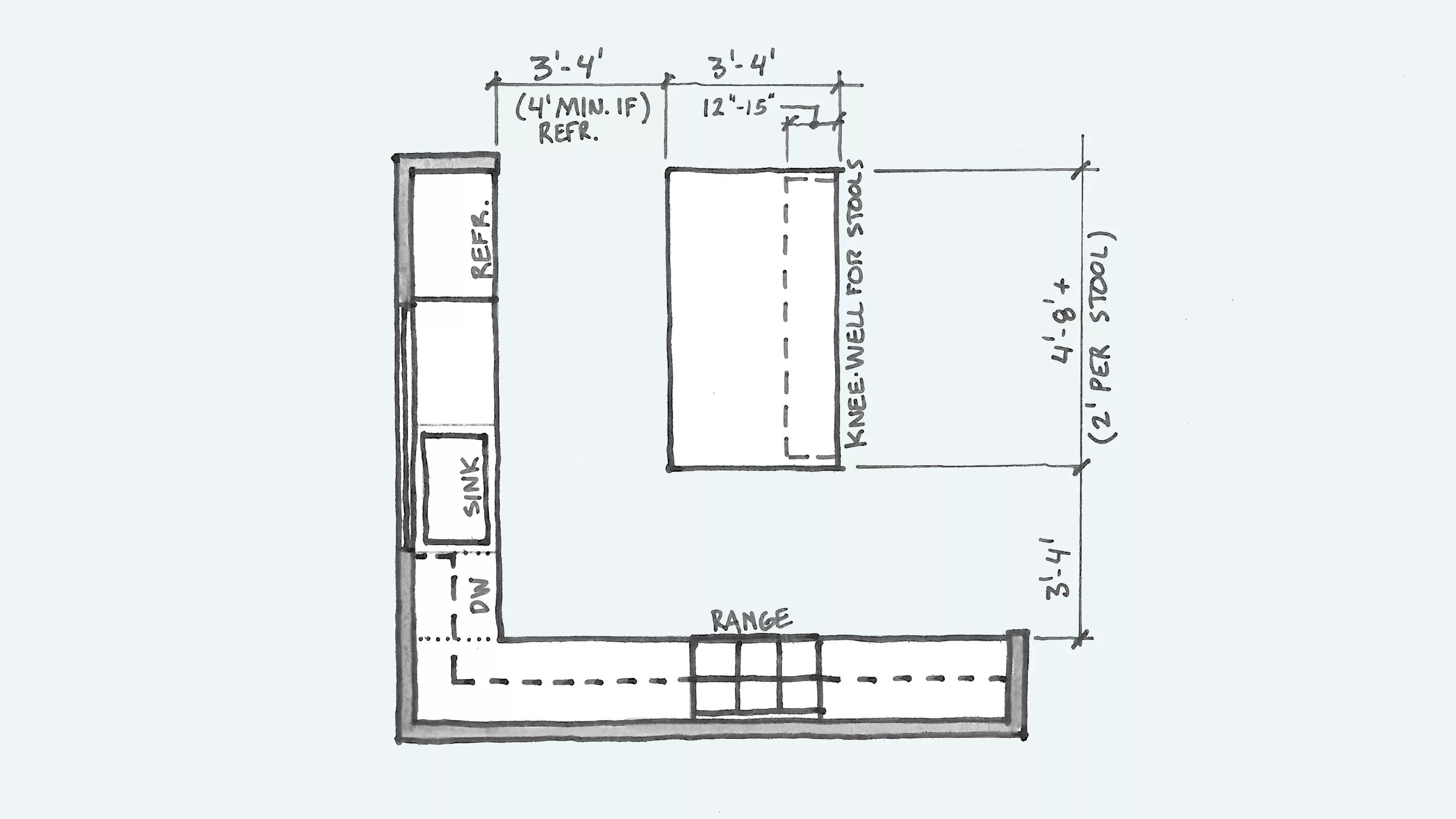
Image Source: www.boardandvellum.com
Planning Your Kitchen Island: Key Considerations
When you think about putting an island in your kitchen, a few things are super important. You need to think about how you’ll move around, where the island will go, and how it will fit with your other kitchen stuff.
Island Placement: The Foundation of Function
Where you put your island is a big deal. It needs to make sense with your kitchen’s layout.
- The Work Triangle: Most kitchens have a “work triangle” between the sink, stove, and refrigerator. Your island shouldn’t block this flow. It should be placed so you can easily move between these key areas.
- Traffic Flow: Think about how people will walk through your kitchen. Do you have a main path from the dining room or living room? Make sure your island doesn’t create a bottleneck. Good kitchen island traffic flow means people can move freely without bumping into things.
- Proximity to Appliances: If your island has a sink or cooktop, you’ll need to consider plumbing and electrical hookups. Also, think about the space needed for appliance doors to open.
Island Clearance Requirements: The Crucial Spacing
This is where the numbers really matter. Kitchen island spacing is key to making your kitchen safe and easy to use.
- Minimum Clearance: The absolute minimum walkway around kitchen island that is recommended by most designers is 36 inches. This allows one person to walk behind someone who might be standing at the island.
- Ideal Clearance: For a more comfortable experience, especially if you’ll have two people working in the kitchen or if there’s a lot of traffic, aim for 42 to 48 inches. This extra space makes a huge difference.
- Work Zones: If your island has appliances like a dishwasher or oven, you’ll need more space. Think about the space needed to open appliance doors fully. For a dishwasher, 48 inches is better. For an oven, you might need even more.
Island Seating Clearance: Comfort for Everyone
If you plan to have seating at your island, you need to add more room. Kitchen island seating clearance is about more than just fitting chairs.
- Knee Space: People need room for their legs under the counter. Standard overhangs for seating are usually 10-12 inches.
- Back-to-Back Spacing: If you have seating on one side and a walkway on the other, you need enough room for people to sit and for others to walk by. Aim for at least 36 inches between the edge of the seating overhang and any counter or wall behind it. Ideally, 42-48 inches is best here.
- Chair Clearance: Consider the space the chairs themselves take up when pulled out. You need room to pull chairs out easily.
Determining Your Kitchen Island Size
Once you know the spacing you need, you can figure out the best size for your island.
Minimum Kitchen Island Size: Making it Work
Can you fit an island in a smaller kitchen? Yes, but you have to be smart. The minimum kitchen island size often depends on your kitchen’s layout and what you want the island to do.
- Narrow Islands: If space is tight, a narrow island or a console-style island can work. These might be only 18-24 inches deep. They offer some counter space and storage without taking up too much room.
- Galley Kitchens: In a galley kitchen, an island should not be so wide that it makes the walkways too narrow. Always keep the 36-inch minimum walkway in mind.
Ideal Kitchen Island Dimensions: The Sweet Spot
The ideal kitchen island dimensions will vary based on your kitchen’s overall size and how you plan to use the island.
- Length: The length of your island can be quite flexible, but it should look balanced in your kitchen. It shouldn’t be so long that it overwhelms the space or blocks essential pathways.
- Width (Counter Depth): The kitchen island counter depth is typically between 25 to 36 inches. This depth allows for standard cabinet bases and a comfortable countertop surface.
- Standard Cabinet Depth: Most base cabinets are 24 inches deep.
- Countertop Overhang: You usually add a 1.5-inch overhang to the front for a finished look and to allow for comfortable seating.
- Seating Overhang: If you have seating, you’ll need an additional overhang, often 10-12 inches, which means the total depth can be around 36 inches or more.
Let’s look at some common island sizes and the space they require.
Table: Kitchen Island Dimensions and Required Space
| Island Length | Island Depth (Cabinet) | Countertop Overhang | Total Island Depth (with overhang) | Minimum Walkway (All Sides) | Total Kitchen Space Needed (Length) | Total Kitchen Space Needed (Depth) |
|---|---|---|---|---|---|---|
| 4 feet | 24 inches | 1.5 inches | 25.5 inches | 36 inches | 4 ft + 36 in + 36 in = 10 ft | 25.5 in + 36 in + 36 in = 7.5 ft |
| 6 feet | 24 inches | 1.5 inches | 25.5 inches | 36 inches | 6 ft + 36 in + 36 in = 12 ft | 25.5 in + 36 in + 36 in = 7.5 ft |
| 8 feet | 24 inches | 1.5 inches | 25.5 inches | 36 inches | 8 ft + 36 in + 36 in = 14 ft | 25.5 in + 36 in + 36 in = 7.5 ft |
Notes:
- These are examples. Adjust based on your specific layout.
- “Total Island Depth” assumes a standard 24-inch cabinet base with a 1.5-inch front overhang. If you add seating, you’ll need more depth.
- “Total Kitchen Space Needed” is a rough estimate. You need to measure your actual kitchen space carefully.
Different Kitchen Island Styles and Their Space Needs
The type of island you choose affects how much space it needs.
The Classic Island
This is the most common type, usually a freestanding unit with cabinets and countertop space.
- Spacing: Requires the standard 36-48 inches of clearance on all sides for walkways.
- Seating: If you add seating, you’ll need an additional 36-48 inches behind the seated guests. This means a minimum of 72-84 inches of depth for the island and seating area.
The Rolling Island (Trolley)
These are portable and can be moved around. They are great for smaller kitchens or for adding extra prep space when needed.
- Spacing: While they can be moved, you still need to consider kitchen island traffic flow when they are in place. If you use it as a central island, follow the 36-inch minimum clearance.
- Flexibility: The beauty here is you can push it against a wall when not in use, freeing up floor space.
The Peninsula
A peninsula is attached to a wall or cabinet on one end, creating an L-shape.
- Spacing: You need at least 36 inches of clearance on the open sides. The side attached to the wall doesn’t need clearance.
- Benefit: This can be a good option for smaller kitchens that can’t accommodate a freestanding island. It still offers counter space and can define zones.
The Island with Seating
This is a popular choice, combining prep space with a casual dining area.
- Spacing: This is where kitchen island seating clearance becomes critical. You need enough room for people to sit comfortably and for others to pass behind them.
- Seating Area Depth: Allow at least 15 inches of clear space behind the seating overhang for comfortable seating. Combine this with the countertop and seating overhang (10-12 inches) and then the walkway (36-48 inches). This can mean a total depth of 61-75 inches for the island and its surrounding space.
- Island Counter Depth for Seating: Ensure your kitchen island counter depth is sufficient for seating. A standard 24-inch cabinet with a 12-inch overhang will create a 36-inch deep seating surface.
Practical Tips for Measuring and Planning
Getting the measurements right is key. Don’t guess!
Measure Twice, Cut Once (or Install Once!)
- Layout Your Space: Use painter’s tape on the floor to mark out the dimensions of your intended island. This helps you visualize the space it will take up and how it impacts your walkways.
- Walk Around: Simulate walking through the space with the tape lines in place. Open imaginary cabinet doors and appliance doors. See how easy it is to move.
- Consider Door Swings: Make sure the island doesn’t block any doors, including pantry doors, cabinet doors, or the main kitchen entry doors.
What Does the “Walkway” Really Mean?
The walkway around kitchen island is the open space for movement.
- Primary Walkways: These are the main paths where people will move in and out of the kitchen. Aim for 48 inches here.
- Secondary Walkways: These are paths between the island and other counters or appliances. 36 inches is often acceptable, but 42 inches is better if there’s frequent traffic.
Table: Recommended Clearances for Different Scenarios
| Scenario | Recommended Clearance | Notes |
|---|---|---|
| Walkway between island and wall/cabinets | 36 inches minimum | Allows one person to pass comfortably. |
| Work zone behind island (e.g., prepping) | 42 inches ideal | Allows two people to work or pass more easily. |
| Walkway with appliance door (e.g., dishwasher) | 48 inches ideal | Essential for opening appliance doors fully. |
| Seating area behind island | 36 inches minimum | Allows chairs to be pulled out and one person to pass. |
| Seating area behind island (active kitchen) | 42-48 inches ideal | Provides more comfort and ease of movement for busy kitchens. |
Common Pitfalls to Avoid
Many people make mistakes when planning their kitchen island.
Ignoring Existing Layout Constraints
- Don’t Block Doors: Ensure your island doesn’t prevent access to pantries, ovens, or the main kitchen entrance.
- Appliance Doors: Always factor in the space needed for oven doors, dishwasher doors, and refrigerator doors to open fully without hitting the island.
Underestimating Seating Space
- Too Little Room: If you cram seating into too small a space, it will be uncomfortable and impractical. People need room to get in and out of their seats.
- Island Counter Depth for Seating: Make sure the kitchen island counter depth allows for a comfortable overhang (10-12 inches) for seating.
Disregarding Traffic Flow
- Creating Bottlenecks: A poorly placed island can make your kitchen feel like a maze. Think about how people naturally move through your space.
- Balancing Function and Form: While a large island might look great, it needs to be functional. Prioritize kitchen island traffic flow over sheer size.
Frequently Asked Questions (FAQ)
Q1: What is the minimum size for a kitchen island?
A1: The minimum kitchen island size is often dictated by the spacing requirements. While you can have very narrow islands (around 18-24 inches deep), they offer limited functionality. A functional island with base cabinets typically needs to be at least 36 inches long and 24 inches deep (plus overhang) to be useful.
Q2: How much space do I need behind a kitchen island with seating?
A2: For kitchen island seating clearance, you need at least 36 inches behind the seating overhang. This allows people to sit and for others to walk behind them. Ideally, aim for 42-48 inches for more comfort and better kitchen island traffic flow, especially in busier kitchens.
Q3: Can I put an island in a small kitchen?
A3: Yes, you can often put an island in a smaller kitchen, but you’ll need to be strategic. Consider narrower islands, rolling islands, or peninsula designs. Always maintain the minimum island clearance requirements of 36 inches for walkways.
Q4: What is the ideal kitchen island dimension for a standard kitchen?
A4: The ideal kitchen island dimensions vary, but a common size is around 3-4 feet wide and 6-8 feet long. This allows for ample counter space and often incorporates seating. Crucially, ensure you have at least 36-48 inches of walkway around kitchen island.
Q5: How much space do I need behind the island if there’s a dishwasher?
A5: If your island has a dishwasher, you need at least 48 inches of space behind it. This allows the dishwasher door to open fully without obstructing the walkway. This is a critical island clearance requirement for functional use.
Q6: What is the standard kitchen island counter depth?
A6: The standard kitchen island counter depth for the countertop itself is typically 1.5 inches. This sits atop a standard 24-inch deep base cabinet, making the total island depth around 25.5 inches. If you add a seating overhang, the total depth will increase.
Conclusion: Balancing Your Space and Needs
Adding a kitchen island can greatly enhance your kitchen’s functionality and appeal. However, it’s essential to approach the decision with careful planning and accurate measurements. By prioritizing proper kitchen island spacing, island clearance requirements, and kitchen island traffic flow, you can ensure your island is a beautiful and practical addition to your home. Remember to consider the minimum kitchen island size for your space and aim for the ideal kitchen island dimensions that balance your needs for prep, storage, and socialising, all while respecting kitchen island seating clearance if you choose to include it. Measure carefully, visualize your layout, and you’ll create a kitchen that is both stunning and highly functional.