
What is the standard depth of a base kitchen cabinet? The standard depth for base kitchen cabinets is 24 inches from the front edge to the back, including the door and hardware. This measurement is a cornerstone of kitchen design, impacting everything from workflow to appliance fitment. This guide will delve into the nuances of base cabinet depth and its significance in your kitchen.
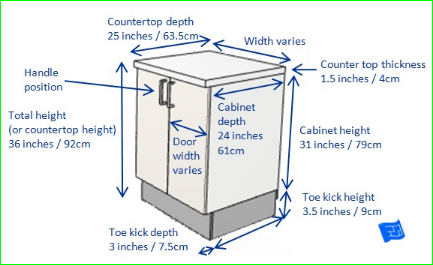
Image Source: re-newcabinets.com
The Foundation of Kitchen Design: Base Cabinet Depth
When you’re planning or renovating your kitchen, one of the most crucial decisions revolves around your cabinets. Among the various dimensions to consider, the depth of your base cabinets plays a pivotal role in both functionality and aesthetics. The standard base cabinet depth of 24 inches isn’t an arbitrary number; it’s a carefully considered dimension that has evolved to optimize usability in the heart of the home. This depth allows for ample storage, comfortable working space, and the seamless integration of standard kitchen appliances.
Deciphering Standard Kitchen Cabinet Dimensions
Kitchen cabinetry isn’t built to a single, rigid set of rules, but there are widely accepted kitchen cabinet dimensions that form the basis of most designs. These standards ensure compatibility between cabinets, countertops, appliances, and the overall layout of a kitchen. Understanding these typical measurements is key to a successful kitchen project.
Base Cabinet Dimensions: More Than Just Depth
While the 24-inch depth is a key figure, base cabinets also have other important dimensions:
- Base Cabinet Height: The base cabinet height typically measures 34.5 inches from the floor to the top of the cabinet box. This height, when combined with a standard 1.5-inch countertop, results in a total countertop height of 36 inches. This 36-inch countertop height is a comfortable and ergonomic standard for most adults.
- Base Cabinet Width: The base cabinet width varies significantly, ranging from as little as 9 inches for narrow filler cabinets to 36 inches or more for larger base units. Common widths include 12, 15, 18, 21, 24, 27, 30, and 33 inches. The choice of width depends on the available space, storage needs, and the desired aesthetic.
The Importance of Countertop Depth
The countertop depth is directly influenced by the base cabinet depth. With a standard base cabinet depth of 24 inches, most countertops extend an additional 1 to 1.5 inches beyond the cabinet box, creating a standard countertop depth of approximately 25 to 25.5 inches. This overhang serves several purposes:
- Protection: It protects the cabinet boxes from spills and splashes.
- Ergonomics: It allows for comfortable working space in front of the cabinets and easy access to the back of the countertop.
- Aesthetics: It provides a finished look and a visual break between the cabinet and the countertop edge.
Why Is 24 Inches the Standard Base Cabinet Depth?
The 24-inch depth for base cabinets is a well-established standard for several practical reasons:
- Appliance Integration: Most standard kitchen appliances, such as dishwashers, ranges, and refrigerators (whether built-in or freestanding), are designed to fit within or flush with a 24-inch deep cabinet structure. A shallower cabinet would make it difficult to recess these appliances properly, leading to them protruding awkwardly into the kitchen space.
- Work Surface Area: The 24-inch depth, combined with the countertop overhang, provides a generous and functional work surface. This allows ample space for food preparation, placing appliances like mixers or blenders, and even casual dining when a breakfast bar is incorporated.
- Storage Capacity: Deeper cabinets mean more storage space. The 24-inch depth allows for deeper shelves and drawers, accommodating larger pots, pans, small appliances, and bulk food items. This maximizes the utility of your kitchen’s footprint.
- Ergonomics and Reach: While a deeper cabinet might seem like it could make reaching the back difficult, the standard depth, coupled with the countertop overhang and typical drawer slides, offers a good balance. Most items are easily accessible, and specialized pull-out shelves or drawers can further enhance reachability.
Exploring Variations in Base Cabinet Depth
While 24 inches is the standard, there are situations where variations in base cabinet depth are necessary or desirable.
Shallower Base Cabinets: When Space is Limited
In smaller kitchens, galley kitchens, or spaces where a full 24-inch depth might impede traffic flow, shallower base cabinets can be a practical solution.
- Common Depths: You might find base cabinets at 12, 15, 18, or 21 inches deep.
- Considerations:
- Reduced Storage: The most obvious trade-off is less storage space.
- Appliance Limitations: Standard-sized appliances may not fit flush. You might need to opt for slimline dishwashers or counter-depth refrigerators.
- Countertop Overhang: You may need to increase the countertop overhang on the working side to compensate for the reduced cabinet depth, ensuring adequate workspace.
- Aesthetics: Shallower cabinets can sometimes make a kitchen feel more open and less imposing, especially in compact areas.
Deeper Base Cabinets: Maximizing Storage
For kitchens with ample space or those designed for serious cooks and entertainers, deeper base cabinets can be beneficial.
- Common Depths: You might see depths of 27, 30, or even 36 inches.
- Considerations:
- Increased Storage: Significantly more storage is available, perfect for large appliances or specialized cookware.
- Countertop Depth: The countertop will also need to be deeper to accommodate the cabinet, typically 27 to 31.5 inches or more.
- Work Surface: This provides an even larger work surface.
- Reachability: Ensure the use of deep pull-out shelves or drawers to maintain accessibility to items stored at the back.
- Traffic Flow: Ensure that deeper cabinets do not obstruct walkways.
Understanding Under Cabinet Clearance
The space between the countertop and the wall cabinets, known as under cabinet clearance, is another critical dimension that base cabinets influence.
- Standard Clearance: The typical under cabinet clearance is between 18 and 20 inches.
- Impact of Base Cabinet Depth: While base cabinet depth doesn’t directly dictate under cabinet clearance, the overall kitchen layout and the placement of wall cabinets are coordinated with base cabinet dimensions. For instance, if you opt for deeper base cabinets, you might adjust the placement of wall cabinets to maintain comfortable working heights and clearances.
Cabinet Base Height: The Foundation’s Footprint
The cabinet base height refers to the height of the cabinet box itself, before the countertop is added. As mentioned, this is typically 34.5 inches. This measurement is crucial for achieving the standard 36-inch finished countertop height.
- Toe Kick: The toe kick is the recessed area at the bottom of the base cabinet. It’s usually around 4 inches high and 3 to 4 inches deep. This allows you to stand closer to the countertop without bumping your toes against the cabinet.
- Adjustable Legs: Many modern base cabinets come with adjustable legs, allowing for minor height adjustments during kitchen cabinet installation to account for uneven floors.
Standard Cabinet Sizes: A Broader Perspective
When we talk about standard cabinet sizes, it encompasses not just depth but also height and width for both base and wall cabinets.
Base Cabinet Size Chart (Typical)
| Dimension | Standard Measurement | Typical Range | Notes |
|---|---|---|---|
| Depth (Box) | 24 inches | 21 – 30+ inches | Includes door/drawer front. |
| Depth (Countertop) | 25 – 25.5 inches | 22 – 30+ inches | Includes cabinet depth + overhang (usually 1-1.5 inches). |
| Height (Box) | 34.5 inches | 34 – 36 inches | Before countertop. |
| Height (Total with Countertop) | 36 inches | 35.5 – 37.5 inches | Standard ergonomic height. |
| Width | Varies | 9 – 60+ inches | Common widths: 12, 15, 18, 21, 24, 27, 30, 33, 36 inches for single doors. |
| Toe Kick Height | 4.5 inches | 4 – 5 inches | Recessed area at the bottom. |
| Toe Kick Depth | 3 inches | 3 – 4 inches | Recessed area at the bottom. |
Wall Cabinet Considerations
While this guide focuses on base cabinets, it’s worth noting that wall cabinet dimensions also relate. Typical kitchen cabinet depth for wall cabinets is 12 inches, but this can vary. The height of wall cabinets is chosen to fit within the under cabinet clearance and reach the ceiling or a desired height.
The Process of Kitchen Cabinet Installation
Kitchen cabinet installation requires careful planning and precise execution. The depth of your base cabinets directly affects how you install them and how other elements are positioned.
- Plumb and Level: Base cabinets must be installed perfectly plumb (vertical) and level (horizontal). The adjustable legs help achieve this.
- Anchoring: Cabinets are securely anchored to the wall studs for stability.
- Countertop Fitment: The cabinet installation must be precise to ensure the countertop fits correctly and sits flush or with the intended overhang.
- Appliance Placement: The depth of the cabinets dictates the setback for appliances like dishwashers and ranges. A miscalculation here can lead to appliances that stick out too far or don’t fit at all.
Customization and Non-Standard Depths
While standard cabinet sizes are widely available, custom cabinetry offers the flexibility to deviate from these norms.
- Benefits of Custom: If you have unique space constraints, specific storage needs, or a particular design vision, custom cabinets allow for non-standard depths.
- Cost: Custom cabinetry is generally more expensive than stock or semi-custom options.
- Expertise: It’s highly recommended to work with experienced kitchen designers or cabinet makers for custom solutions to ensure proper functionality and aesthetic appeal.
Reaching the Back: Enhancing Accessibility
For base cabinets, especially those with a standard or greater depth, ensuring easy access to the back is crucial.
Pull-Out Shelves and Drawers
- Functionality: These are the most effective solutions for making the entire depth of the cabinet accessible.
- Types:
- Full-Extension Drawer Slides: Allow the entire drawer to be pulled out, providing complete access.
- Pull-Out Shelves: These shelves slide out from the cabinet, bringing items from the back to the front.
- Benefits: They significantly improve usability, preventing items from being lost in the “black hole” at the back of deep cabinets.
Lazy Susans and Corner Solutions
- Corners: Corner base cabinets, often a challenge for accessibility, are best outfitted with specialized hardware like Lazy Susans or pull-out corner shelving units.
- Maximizing Space: These solutions rotate or slide out, making items stored in these often-awkward spaces easy to retrieve.
Fathoming the Impact on Kitchen Layout
The depth of your base cabinets is a foundational element that influences your entire kitchen layout.
- Traffic Flow: Shallower cabinets can improve traffic flow in narrow kitchens, while deeper cabinets might require more clearance.
- Appliance Placement: As discussed, appliance dimensions must be considered alongside cabinet depth.
- Work Zones: The depth impacts the size and usability of your kitchen’s work zones, such as the prep area, cooking zone, and cleaning zone.
- Aesthetics: The visual weight of cabinets can be affected by their depth. Deeper cabinets can appear more substantial.
Frequently Asked Questions (FAQ)
Q1: Can I use shallower base cabinets than the standard 24 inches?
A1: Yes, you can. Shallower base cabinets (e.g., 21 inches deep) are often used in smaller kitchens or to improve traffic flow. However, be aware of reduced storage capacity and potential appliance fitment issues. You may also need to adjust countertop overhangs for adequate workspace.
Q2: What is the standard countertop depth?
A2: The standard countertop depth is typically between 25 and 25.5 inches. This is achieved by adding a 1 to 1.5-inch overhang to the 24-inch deep base cabinet box.
Q3: What is the typical base cabinet height?
A3: The typical base cabinet height is 34.5 inches. When combined with a 1.5-inch countertop, this results in a standard finished countertop height of 36 inches.
Q4: How does base cabinet depth affect appliance installation?
A4: The standard 24-inch depth is designed to accommodate most standard appliances like dishwashers and ranges so they can be installed flush with the cabinet fronts. Shallower or deeper cabinets may require special appliance models or adjustments to the installation.
Q5: Is it possible to have custom depth base cabinets?
A5: Yes, custom cabinetry allows you to specify non-standard depths to perfectly fit your kitchen’s unique requirements or design preferences.
Q6: What are the benefits of pull-out shelves in base cabinets?
A6: Pull-out shelves significantly improve accessibility in base cabinets, especially deeper ones, by allowing you to slide items out. This prevents items from getting lost at the back and makes retrieving them much easier.
Q7: How deep are base kitchen cabinets usually for storage?
A7: Base kitchen cabinets are typically 24 inches deep to maximize storage capacity for cookware, dishes, and small appliances. This depth allows for ample shelf space and the use of full-extension drawer slides.
Q8: What is the standard clearance between base cabinets and wall cabinets?
A8: The standard under cabinet clearance, the space between the countertop and wall cabinets, is typically between 18 and 20 inches. This provides comfortable working space and accommodates most small appliances like toasters or coffee makers.
In conclusion, the standard base cabinet depth of 24 inches is a critical dimension that influences many aspects of kitchen design and functionality. By carefully considering this measurement, along with other kitchen cabinet dimensions like height and width, you can create a kitchen that is both beautiful and highly practical. Whether you opt for standard sizes or custom solutions, paying attention to these details ensures a successful and enjoyable kitchen experience.