
Can you clean stainless steel with bleach? No, you should not clean stainless steel with bleach, as it can cause pitting and corrosion.
Keeping stainless steel sparkling and hygienic in a bustling commercial kitchen is crucial. This isn’t just about aesthetics; it’s about food safety, equipment longevity, and maintaining the high standards expected in the food service industry. From gleaming prep tables to spotless fryers, commercial kitchen equipment cleaning demands a diligent and informed approach. This comprehensive guide will walk you through the best practices for stainless steel maintenance tips, ensuring your kitchen operates smoothly and safely.
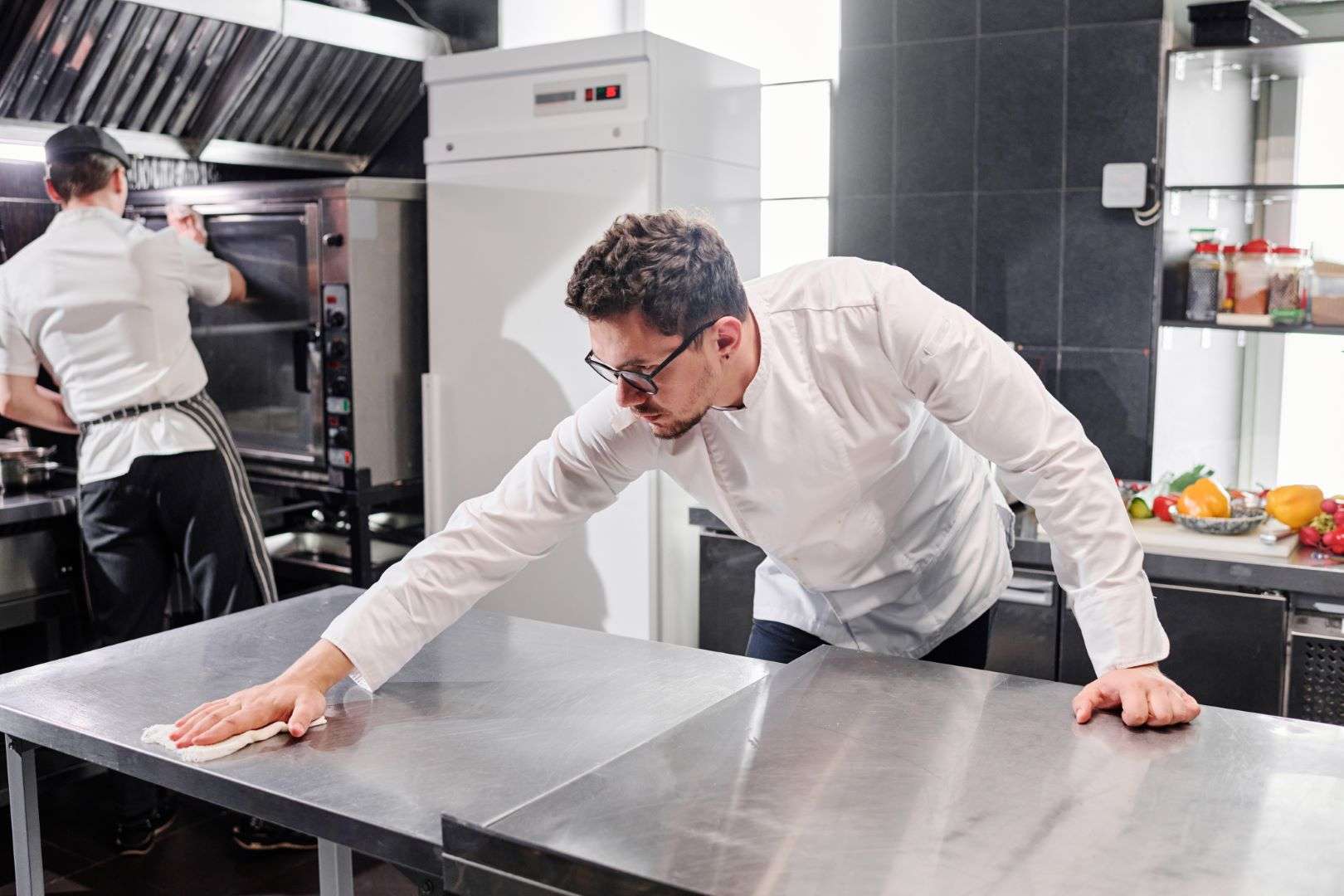
Image Source: safekitchens.com
The Importance of Proper Stainless Steel Cleaning
Stainless steel is favored in commercial kitchens for its durability, resistance to corrosion, and non-porous surface, which makes it easier to clean and sanitize. However, improper cleaning can lead to damage, reduced lifespan, and even pose health risks. Regular and correct stainless steel sanitization is a cornerstone of good restaurant kitchen hygiene.
Preventing Damage and Corrosion
The wrong cleaning agents or techniques can wreak havoc on stainless steel. Harsh chemicals, abrasive scrubbers, and even certain cleaning tools can scratch surfaces, dull the finish, and create areas where bacteria can hide. Over time, this can lead to rust and corrosion, compromising the integrity of your equipment. Understanding the material’s properties is key to effective professional stainless steel care.
Ensuring Food Safety and Hygiene
A clean kitchen is a safe kitchen. Stainless steel surfaces must be free from food residues and bacteria to prevent cross-contamination. Effective cleaning protocols contribute directly to meeting commercial kitchen sanitation standards. This includes proper stainless steel degreasing to remove grease buildup, which can harbor harmful microorganisms.
Extending Equipment Lifespan
Investing in quality commercial kitchen equipment is significant. Proper cleaning and maintenance, especially for stainless steel components, will significantly extend their operational life. This translates to reduced replacement costs and a more efficient kitchen.
Essential Supplies for Stainless Steel Cleaning
Before you begin, gather the right tools and supplies. Using the correct commercial kitchen cleaning solutions is paramount.
Recommended Cleaning Agents
- Mild Dish Soap: For everyday cleaning and light grease.
- Baking Soda Paste: An excellent gentle abrasive for tougher spots.
- Vinegar Solution (Diluted): Good for tackling water spots and mineral deposits.
- Specialized Stainless Steel Cleaners: Formulated to clean and polish without damaging the surface. Always choose non-chlorine-based products.
Cleaning Tools
- Soft Cloths or Microfiber Towels: Essential for wiping and polishing without scratching.
- Non-Abrasive Sponges: For scrubbing away stuck-on food.
- Plastic or Rubber Scrapers: For removing hardened debris.
- Soft Brushes: For cleaning crevices and hard-to-reach areas.
- Spray Bottles: For applying cleaning solutions.
Step-by-Step Cleaning Process
Following a consistent process ensures thorough cleaning and optimal results for your industrial stainless steel cleaning needs.
Daily Cleaning Routine
A consistent daily routine is the foundation of good stainless steel maintenance tips.
- Wipe Down Surfaces: After each use, wipe down all stainless steel surfaces with a damp, soft cloth to remove loose food particles and spills.
- Mild Soap and Water: For general cleaning, use a soft cloth or sponge dipped in warm water with a small amount of mild dish soap. Wipe in the direction of the grain of the stainless steel.
- Rinse Thoroughly: Rinse all soap residue with clean water. Any leftover soap can leave a film.
- Dry Completely: Use a clean, dry microfiber cloth to dry the surfaces thoroughly. This prevents water spots and streaks.
Deep Cleaning for Tough Stains and Grease
For more stubborn grime, a deeper approach is needed. This is where effective stainless steel degreasing comes into play.
- Address Stuck-On Food: For dried or stuck-on food, use a plastic scraper to gently lift the debris. Alternatively, apply a paste of baking soda and water to the affected area, let it sit for a few minutes, then gently scrub with a non-abrasive sponge.
- Tackle Grease Buildup: Grease can be persistent. A solution of warm water and a grease-cutting dish soap is a good start. For tougher grease, consider a diluted vinegar solution (one part vinegar to two parts water) or a specialized commercial cleaning agents for steel designed for degreasing. Apply the solution, let it sit for a few minutes, and then scrub gently.
- Rinse and Dry: As with daily cleaning, rinse thoroughly with clean water and dry completely with a microfiber cloth.
Polishing for Shine
A polished finish not only looks good but also helps repel fingerprints and minor stains.
- Apply Stainless Steel Polish: Use a small amount of a reputable stainless steel polish on a clean, dry microfiber cloth.
- Buff in the Direction of the Grain: Apply the polish and buff it onto the stainless steel surface, moving in the direction of the brushed grain. This will reveal a uniform shine.
- Remove Excess: Use a separate clean, dry cloth to buff away any excess polish for a streak-free finish.
Cleaning Specific Equipment
Different pieces of commercial kitchen equipment cleaning require tailored approaches.
Stainless Steel Worktables and Counters
These surfaces see the most action. Daily wiping, sanitizing, and drying are essential. Pay attention to edges and undersides where debris can accumulate.
Stainless Steel Sinks
- Daily Rinse and Dry: Rinse out all food particles and dry the sink to prevent water spots.
- Tackle Stains: For sink stains, a baking soda paste can be effective. Apply, let sit, then gently scrub.
- Sanitize: Use a food-safe sanitizer as per manufacturer instructions after cleaning.
Stainless Steel Ovens and Ranges
- Exterior: Clean the exterior with mild soap and water or a dedicated stainless steel cleaner. Always wipe with the grain and dry thoroughly.
- Interior (if applicable): Refer to the oven’s manual for specific cleaning instructions, as some interiors may have different finishes or components. Many ovens have self-cleaning cycles, but the exterior still needs manual cleaning.
Stainless Steel Refrigeration Units
- Exterior: Similar to ovens, a mild cleaner and soft cloth are best. Pay attention to door handles and seals.
- Interior Shelving: Remove shelves if possible and wash them with soap and water. Wipe down the interior walls and ensure they are dry.
What to Avoid When Cleaning Stainless Steel
Knowing what not to do is as important as knowing what to do.
Harsh Chemicals and Abrasives
- Bleach: As mentioned, bleach can damage the protective chromium oxide layer on stainless steel, leading to pitting and rust.
- Steel Wool or Abrasive Pads: These will scratch the surface, making it harder to clean and more susceptible to corrosion.
- Scouring Powders: Many contain harsh abrasives that can dull or scratch the finish.
Improper Cleaning Techniques
- Wiping Against the Grain: This can create visible streaks and dull the finish over time.
- Leaving Cleaning Solutions to Dry: Residue can be harder to remove and may cause spotting.
- Using Dirty Cloths or Sponges: This can spread dirt and bacteria, defeating the purpose of cleaning.
Advanced Techniques and Considerations
For specialized situations and deeper care.
Restoring Shine and Removing Scratches
Minor scratches are often unavoidable. While a professional polish can minimize their appearance, deep scratches may be permanent.
- Scratch Removal Kits: Specialty kits with fine-grit abrasive pads and polishing compounds are available. Use them with extreme caution and always follow the product instructions precisely, working in the direction of the grain.
Dealing with Rust Spots
Rust spots on stainless steel are usually a sign of external contamination, often from other metal items or harsh chemicals.
- Mild Abrasive: A paste of baking soda and water can often remove light rust spots when gently rubbed with a soft cloth.
- Specialized Rust Removers: For more stubborn rust, use a rust remover specifically formulated for stainless steel. Apply it carefully and rinse thoroughly.
- Rinse and Polish: After rust removal, always rinse the area thoroughly and polish to restore the protective layer.
Professional Stainless Steel Care Programs
For many establishments, partnering with professional cleaning services is a smart choice. These services often have access to specialized commercial kitchen cleaning solutions, equipment, and expertise for industrial stainless steel cleaning. They can ensure adherence to commercial kitchen sanitation standards and provide a comprehensive approach to stainless steel maintenance tips.
Creating an Effective Cleaning Schedule
A well-structured cleaning schedule ensures that all stainless steel surfaces and equipment are cleaned consistently and effectively.
Daily Tasks
- Wipe down all stainless steel surfaces.
- Clean and sanitize worktables, sinks, and prep areas.
- Dry all surfaces to prevent water spots.
Weekly Tasks
- Deep clean all stainless steel equipment (ovens, fryers, refrigerators).
- Polish frequently used stainless steel surfaces.
- Inspect for any signs of damage or corrosion.
Monthly Tasks
- Thoroughly clean under and behind equipment.
- Address any persistent stains or buildup.
- Review cleaning protocols and supply inventory.
Staff Training for Stainless Steel Cleaning
Proper training is key to consistent and effective cleaning.
Key Training Points
- Importance of Stainless Steel: Educate staff on why stainless steel is used and how to care for it.
- Correct Cleaning Agents and Tools: Demonstrate the proper use of approved commercial kitchen cleaning solutions and tools.
- Technique: Emphasize wiping with the grain and the importance of rinsing and drying.
- Safety: Outline safety procedures when using cleaning chemicals.
- Reporting Issues: Train staff to report any damage or persistent cleaning challenges.
Frequently Asked Questions (FAQ)
What is the best way to remove fingerprints from stainless steel?
The best way to remove fingerprints is to wipe the surface with a soft microfiber cloth and a dedicated stainless steel cleaner or a diluted solution of mild dish soap and water. Always wipe in the direction of the grain and dry thoroughly afterward.
Can I use glass cleaner on stainless steel?
While glass cleaner might remove some smudges, it’s not ideal for regular stainless steel cleaning. It can leave streaks and doesn’t offer the protective properties of specialized stainless steel cleaners. It’s best to stick to products designed for stainless steel.
How often should I deep clean stainless steel equipment?
The frequency of deep cleaning depends on the equipment and how heavily it’s used. Most major stainless steel equipment, like ovens and refrigerators, should be deep cleaned at least weekly. Prep surfaces might require more frequent attention.
What are commercial kitchen sanitation standards related to stainless steel?
These standards typically require that all food contact surfaces be cleaned and sanitized regularly to prevent the growth and spread of bacteria. This includes ensuring no food residues remain on stainless steel surfaces and that they are treated with appropriate sanitizing agents.
Is it okay to use vinegar to clean stainless steel?
Yes, diluted vinegar can be effective for removing water spots and light grease. However, it’s important to dilute it (e.g., one part vinegar to two parts water) and rinse the surface thoroughly with clean water afterward. Avoid using it too frequently or on certain types of stainless steel that might be more sensitive.
How do I maintain the shine on my stainless steel appliances?
To maintain shine, regular cleaning and drying are essential. Polishing with a stainless steel polish once a week or as needed will help protect the surface and keep it looking its best. Always buff with the grain.
By implementing these detailed practices and focusing on consistent stainless steel maintenance tips, you can ensure your commercial kitchen’s stainless steel surfaces remain clean, hygienic, and in excellent condition for years to come. This commitment to professional stainless steel care is vital for the success and safety of any food service operation.