
When planning your dream kitchen, the kitchen island is often the centerpiece. But how tall should it be? The ideal kitchen island height depends on how you plan to use it. Generally, most kitchen islands fall into one of three main height categories: standard counter height, counter height with a raised bar, or bar height. Each offers a different feel and functionality for your space.
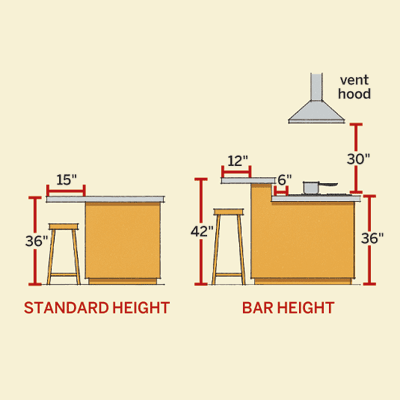
Image Source: kikiinteriors.com
Determining Your Kitchen Island’s Purpose: Height is Key
The primary driver for deciding on your kitchen island’s height is its intended use. Will it be a prep space, a casual dining spot, a place for kids to do homework, or a combination of these? Each activity has specific ergonomic requirements.
Counter Height Islands: The Versatile Workhorse
Counter height islands are the most common choice, mirroring the height of your standard kitchen countertops. This uniformity creates a seamless work surface, perfect for food preparation, baking, and general kitchen tasks.
-
Benefits of Counter Height:
- Ergonomic for Prep: The standard 36-inch height is comfortable for most adults to chop vegetables, mix ingredients, or roll out dough without straining their backs.
- Easy Transition: It allows for easy movement between the island and surrounding countertops, creating an efficient workflow.
- Appliance Integration: Many standard under-counter appliances, like dishwashers and trash pull-outs, are designed to fit within this height.
- Casual Seating Option: While not ideal for long meals, counter height stools can be used for quick snacks or brief conversations while someone is working.
-
Typical Counter Height Dimensions:
- Height: 36 inches (91.4 cm) from the floor to the top of the countertop.
- Standard Kitchen Island Dimensions: While height is crucial, standard kitchen island dimensions also encompass length and width. A typical island might range from 3 feet (36 inches) to 8 feet (96 inches) in length and 2 feet (24 inches) to 4 feet (48 inches) in width. The exact kitchen island width and kitchen island length will depend on your kitchen’s overall layout and available space.
- Island Countertop Depth: A common island countertop depth is 25 inches for the main work surface, accommodating standard cabinet depths.
Bar Height Islands: The Social Hub
Bar height islands are taller, designed to mimic the height of a bar or pub counter. They are excellent for creating a casual dining or entertaining space.
-
Benefits of Bar Height:
- Comfortable Dining: This height is perfect for diners who want to sit and chat with the cook or enjoy a meal without feeling too close to the countertop workspace.
- Visual Separation: A taller island can act as a subtle divider between the kitchen and living or dining areas in open-plan homes.
- Great for Entertaining: Guests can comfortably stand or sit at a bar height island, making it a natural gathering spot during parties.
-
Typical Bar Height Dimensions:
- Height: 40 to 42 inches (101.6 to 106.7 cm) from the floor to the top of the countertop.
- Seating Height for Kitchen Island: For bar height, you’ll need bar stools that are typically 30 inches high.
- Kitchen Island Overhang: To ensure comfortable legroom, a kitchen island overhang of at least 12 inches is recommended for bar height seating.
Counter Height with a Raised Bar: The Hybrid Solution
This popular option combines the functionality of a counter height workspace with a raised bar area for seating. It offers the best of both worlds.
-
Benefits of a Hybrid Design:
- Dual Functionality: You get a dedicated prep area at a comfortable working height and a separate elevated seating zone.
- Conceals Clutter: The raised bar can help hide the mess on the main countertop from diners seated at the bar.
- Varied Design Opportunities: Allows for different countertop materials or finishes for the two levels, adding visual interest.
-
Typical Hybrid Dimensions:
- Workspace Height: Typically 36 inches (91.4 cm).
- Bar Height: Usually around 40-42 inches (101.6 to 106.7 cm).
- Overhang: The raised bar section will require a sufficient kitchen island overhang for comfortable seating, typically 10-15 inches.
Standard Kitchen Island Dimensions: A Closer Look
Beyond height, the standard kitchen island dimensions of length, width, and depth play a critical role in the island’s usability and how well it fits into your kitchen.
Length and Width: Maximizing Usability and Flow
The kitchen island length and kitchen island width are dictated by the size of your kitchen and the desired clearances. It’s essential to maintain adequate space for movement around the island.
- Minimum Clearance: Aim for at least 36 inches (91.4 cm) of clearance on all sides where people will be walking. If the island will be used for cooking with appliances like a dishwasher or oven, you might need closer to 42-48 inches (106.7-121.9 cm) of clearance in front of those active zones.
- Typical Kitchen Island Size: A truly typical kitchen island size is hard to define as kitchens vary so greatly. However, smaller kitchens might accommodate islands as small as 3 feet by 5 feet (91.4 cm x 152.4 cm), while larger kitchens can comfortably house islands of 4 feet by 8 feet (121.9 cm x 243.8 cm) or even larger.
- Proportion is Key: The island should be in proportion to the rest of your kitchen. A massive island in a tiny kitchen will feel cramped, while a small island in a vast kitchen might look lost.
Depth: Accommodating Cabinets and Countertops
The island countertop depth is a significant factor, usually determined by the cabinetry used and the desired countertop overhang.
- Standard Cabinet Depth: Base cabinets in kitchens are typically 24 inches (61 cm) deep.
- Island Countertop Depth: To accommodate a standard cabinet and allow for an overhang, an island countertop depth of 25 inches (63.5 cm) is common for the cabinet side.
- Countertop Overhang: The countertop itself will usually extend beyond the cabinet. A typical kitchen island overhang for the working side (where you prep) might be 1.5 inches. For seating, as mentioned, you’ll need a more substantial overhang.
Seating Considerations: Comfort is Paramount
When planning for seating at your island, consider the type of seating and the necessary legroom.
Seating Height for Kitchen Island and Stool Selection
The seating height for kitchen island is directly related to the island’s overall height.
- Counter Height Islands (36 inches): Require counter stools that are typically 24 to 26 inches high.
- Bar Height Islands (40-42 inches): Require bar stools that are typically 30 inches high.
- Adjustable Stools: For a bit more flexibility, consider adjustable stools.
Kitchen Island Overhang for Seating
The kitchen island overhang is crucial for comfortable seating. It provides the space for your legs to tuck underneath the counter.
- Counter Height Seating: A 12-inch overhang is generally comfortable.
- Bar Height Seating: A 15-inch overhang is recommended for maximum comfort.
- Ensuring Enough Space: If your island has seating on multiple sides, ensure adequate space between seating areas and walkways.
Creating Your Perfect Kitchen Island: Putting it All Together
When designing your kitchen island, consider these key aspects to ensure it functions beautifully and fits seamlessly into your space.
Measuring Your Kitchen for Island Placement
Before committing to standard kitchen island dimensions, measure your kitchen carefully.
- Layout: Sketch out your kitchen layout, marking doorways, windows, and existing appliances.
- Walkways: Measure the proposed walkways around the island. Ensure you have at least 36 inches for comfortable passage.
- Appliance Doors: Consider clearance for refrigerator, dishwasher, and oven doors.
Island Countertop Depth and Kitchen Island Overhang: Balance Function and Form
Choosing the right island countertop depth and kitchen island overhang involves balancing practical needs with aesthetic desires.
- Functionality First: If the island is primarily a workspace, a shallower depth might suffice, but if it’s also a dining spot, a deeper countertop with a generous overhang is essential.
- Material Matters: The thickness and material of your countertop can affect the achievable overhang. Stone countertops, for example, can often support larger overhangs than laminate.
Kitchen Island Width and Length: Tailoring to Your Needs
The kitchen island width and kitchen island length are highly customizable.
- Small Kitchens: Focus on a narrower, longer island to maximize prep space without overwhelming the room. A typical kitchen island size might be around 24-30 inches in width.
- Large Kitchens: You can afford wider islands and potentially a larger kitchen island length, perhaps incorporating seating on one side and a dedicated prep zone on the other.
What is the standard height of a kitchen island?
The standard height for a kitchen island countertop is 36 inches (91.4 cm). This height aligns with most standard kitchen countertops, making it ideal for food preparation and general use. However, islands can also be designed as bar height (around 40-42 inches) or have a split-level design with a raised bar.
Can I have a kitchen island that’s taller than my counters?
Yes, you absolutely can! Many people opt for a counter height island with a raised bar section that is taller than their main countertops. This creates a comfortable dining or socializing area while keeping the prep space at a standard working height. This split-level design is very popular and offers excellent functionality.
How much overhang do I need for seating at my kitchen island?
For comfortable seating at a counter height island (36 inches), you generally need a kitchen island overhang of at least 12 inches. For bar height island seating (40-42 inches), a 15-inch overhang is recommended to provide ample legroom. Always consider the thickness of your countertop material when planning the overhang.
What are typical kitchen island dimensions?
Typical kitchen island dimensions vary greatly depending on kitchen size and layout, but common ranges include:
- Length: 3 to 8 feet (36 to 96 inches)
- Width: 2 to 4 feet (24 to 48 inches)
- Height: 36 inches (counter height), or 40-42 inches (bar height)
- Island Countertop Depth: Typically 25 inches for the cabinet side, with overhangs adding to the total depth.
Frequently Asked Questions (FAQ)
Q1: What is the best height for a kitchen island for cooking and prepping?
The best height for cooking and prepping is counter height, which is typically 36 inches (91.4 cm). This matches standard countertop heights and provides an ergonomic surface for tasks like chopping, mixing, and kneading.
Q2: How much space is needed around a kitchen island?
You need at least 36 inches (91.4 cm) of clearance around a kitchen island for comfortable walking space. For areas where appliance doors (like dishwashers or ovens) open, or where traffic is heavier, it’s advisable to have 42-48 inches (106.7-121.9 cm).
Q3: Can I use different heights for different parts of my island?
Yes, a popular design is a split-level island. This allows for a lower counter height island section for prepping and a raised bar height island section for seating. This offers great versatility.
Q4: What is the ideal island countertop depth for seating?
For comfortable seating, you’ll want a kitchen island overhang of at least 12 inches for counter height seating and 15 inches for bar height seating. This ensures enough legroom. The total island countertop depth will include the cabinet depth plus the overhang.
Q5: How do I choose the right kitchen island width and length?
The kitchen island width and kitchen island length should be proportional to your kitchen’s overall size. Measure your kitchen and plan for adequate walkways. A good rule of thumb is to ensure the island doesn’t dominate the space or impede traffic flow. Consider what you’ll use the island for – more workspace needs more length and width.
By carefully considering these dimensions and functionalities, you can ensure your kitchen island is not only beautiful but also a highly practical addition to your home.