
Can you paint kitchen chairs? Absolutely! Giving your kitchen chairs a fresh coat of paint is a fantastic way to revitalize your dining space, update your decor, and even save money. This comprehensive guide will walk you through every step of the process, from prepping your chairs to applying the perfect finish, making it a rewarding DIY project. Whether you’re aiming for a sleek modern look, a charming farmhouse vibe, or something uniquely yours, painting your kitchen chairs is a creative and achievable way to achieve your desired kitchen chair makeover.
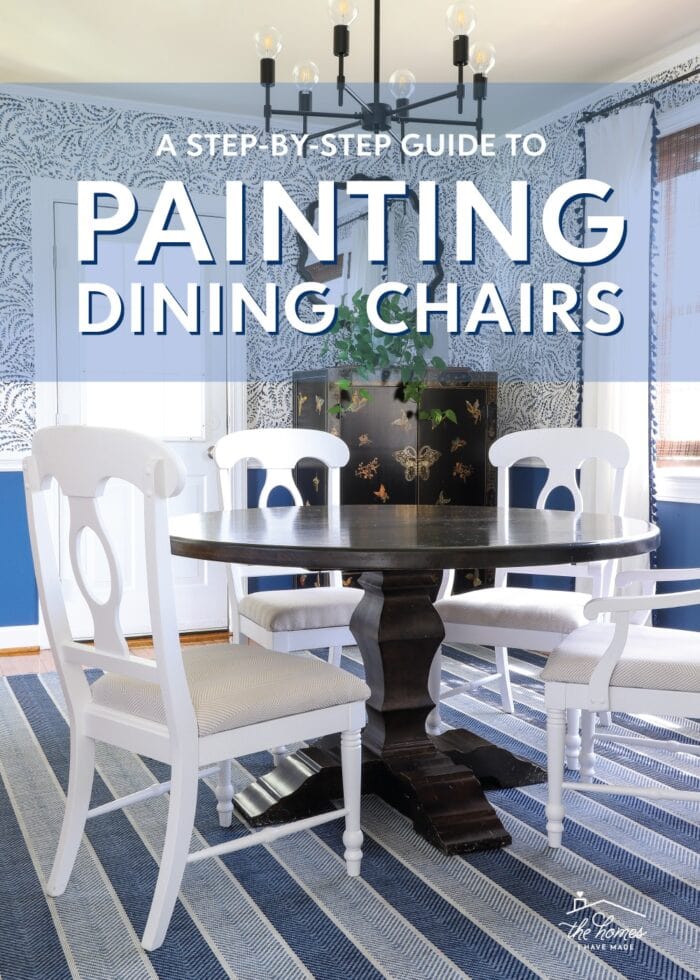
Image Source: thehomesihavemade.com
Why Paint Your Kitchen Chairs?
There are many great reasons to embark on this furniture refinishing project. Old, dated, or slightly damaged chairs can be transformed into stunning focal points.
Benefits of Painting Kitchen Chairs:
- Cost-Effective: Buying new chairs can be expensive. Painting your existing ones is a budget-friendly alternative.
- Customization: You get to choose the exact color and finish to match your kitchen’s aesthetic.
- Upcycling Potential: It’s a fantastic way to give old furniture a new lease on life, promoting sustainability and upcycling furniture.
- Personalization: Add a unique touch that reflects your style and creativity.
- Durability: With proper techniques, painted chairs can be as durable as new ones.
- Repair and Refresh: It can cover up minor scratches, scuffs, and wear, breathing new life into your beloved furniture.
Gathering Your Supplies
Before you dive in, it’s essential to have all your tools and materials ready. This will ensure a smooth and efficient painting process.
Essential Tools and Materials:
- Chairs: Your kitchen chairs, of course!
- Screwdriver/Drill: For removing chair seats or legs if needed.
- Sanding Blocks or Electric Sander: For surface preparation.
- Medium-grit sandpaper (100-150 grit): For initial smoothing and removing old finishes.
- Fine-grit sandpaper (220-320 grit): For final smoothing and between coats.
- Tack Cloths or Damp Cloths: For removing dust.
- Painter’s Tape: For masking off areas you don’t want to paint.
- Drop Cloths or Newspaper: To protect your work area.
- Primer: To ensure paint adhesion and a smooth finish.
- Paint: Choose a paint suitable for furniture. Options include chalk paint, latex, acrylic, or enamel.
- Paintbrushes: Various sizes for different areas (flat brushes for large surfaces, round brushes for details).
- Foam Rollers: For smooth, even coverage on larger flat areas.
- Spray Paint (Optional): For a very smooth, factory-like finish on certain chair types.
- Topcoat or Sealer: Polyurethane, polycrylic, or wax for durability and protection.
- Gloves and Safety Glasses: For protection.
- Respirator or Mask: Especially if using spray paint or sanding.
- Wood Filler (if needed): For repairing dents or cracks.
- Staple Gun (if doing upholstery): For re-attaching fabric.
- Fabric and Batting (if doing upholstery): For seat cushions.
Step 1: Prepping Your Kitchen Chairs for Paint
This is arguably the most crucial step for a successful paint job. Proper prepping furniture for paint ensures the new finish adheres well and lasts.
Removing the Seat and Hardware
- Inspect your chairs: Look for any loose screws, bolts, or parts. Tighten them.
- Remove seats: Most chair seats are attached with screws from underneath. Use your screwdriver or drill to remove them. This makes painting much easier and allows you to paint the seat separately or even update its upholstery.
- Remove hardware: If your chairs have any decorative hardware, metal plates, or felt pads, remove them. Keep track of all screws and small parts, perhaps in a labeled plastic bag.
Cleaning Your Chairs
Dust, grease, and grime will prevent paint from sticking.
- Wipe down thoroughly: Use a damp cloth with mild soap or a dedicated furniture cleaner.
- Stubborn grease: For any greasy spots (common in kitchens!), a degreaser or a solution of TSP (Trisodium Phosphate) and water can be effective. Follow product instructions carefully.
- Rinse and dry: Wipe down with a clean, damp cloth to remove any soap residue, then let the chairs air dry completely.
Sanding for Adhesion
Sanding creates a slightly rough surface for the primer and paint to grip.
- Start with medium grit: Use 100-150 grit sandpaper to remove any old, peeling paint or varnish. If your chairs are in good condition with no old finish, you can skip this aggressive sanding and go straight to fine grit.
- Smooth with fine grit: Follow up with 220-320 grit sandpaper. This will smooth out any imperfections and create a good surface for the primer.
- Don’t forget nooks and crannies: Use sanding sponges or folded sandpaper to get into corners and details.
- For painted wood furniture: If you’re painting previously painted or stained wood furniture, a light scuff-sand is usually enough to help the new paint adhere.
Repairing Imperfections
Address any damage before painting.
- Fill cracks and holes: Use wood filler for any dents, gouges, or screw holes. Apply it according to the product instructions.
- Let it dry: Allow the wood filler to dry completely.
- Sand smooth: Once dry, sand the filled areas smooth so they are flush with the surrounding surface.
Dust Removal
This is critical after sanding. Any dust left behind will show up in your paint finish.
- Vacuum: Use a vacuum cleaner with a brush attachment to remove loose dust.
- Tack cloths: Wipe down the entire chair with tack cloths. These are specially treated cloths that attract and hold dust particles. A slightly damp cloth can also work.
Step 2: Priming Your Kitchen Chairs
Primer acts as a bridge between your chair’s surface and the paint, ensuring better adhesion, hiding the original color, and preventing bleed-through from old stains.
Choosing the Right Primer
- General purpose primer: Works well for most projects.
- Stain-blocking primer: Essential if your wood has a dark stain or tannins that might bleed through lighter paint colors.
- Adhesion primer: Recommended for tricky surfaces like laminate or glossy finishes.
Application
- Brush or Spray: You can apply primer with a paintbrush, roller, or spray can.
- Even coats: Apply one or two thin, even coats. Avoid thick application, which can lead to drips and an uneven finish.
- Allow drying time: Let each coat dry completely according to the manufacturer’s instructions. This is crucial for proper adhesion.
- Light sanding between coats: Once the primer is dry, lightly sand with 220-320 grit sandpaper. This will create a super smooth surface for your paint. Wipe away dust with a tack cloth.
Step 3: Painting Your Kitchen Chairs
Now for the fun part! Here are different methods and paint types to consider.
Popular Paint Options for Chairs
Chalk Paint Chairs
Chalk paint is a popular choice for DIY furniture painting due to its matte finish, excellent adhesion, and minimal prep required.
- Pros: Little to no sanding or priming needed, adheres to most surfaces, creates a vintage or distressed look easily.
- Cons: Can be more expensive, requires a topcoat (wax or poly) for durability, can be chalky if not sealed properly.
- Application: Brush on in thin coats. It dries quickly. You can distress the paint with fine-grit sandpaper for a worn look. Seal with furniture wax or a polycrylic topcoat.
Latex or Acrylic Paint
These are versatile water-based paints that come in many finishes.
- Pros: Widely available, affordable, easy cleanup with water, low VOC options available.
- Cons: May require more prep (sanding and priming), can chip if not properly sealed.
- Application: Use chalk paint brushes, synthetic brushes, or foam rollers for smooth application. Apply in thin, even coats, allowing adequate drying time between each.
Enamel Paint
Enamel paints offer a very durable and often glossy finish.
- Pros: Extremely durable, resistant to chipping and moisture, often provides a smooth finish.
- Cons: Can have stronger fumes, requires mineral spirits for cleanup, may require more thorough prep.
- Application: Typically applied with brushes or rollers. Ensure good ventilation.
Spray Painting Kitchen Chairs
Spray paint offers a very smooth, even finish, especially for intricate designs or when you want a factory-like look.
- Pros: Fast application, smooth and even finish, great for intricate details or multiple chairs.
- Cons: Requires proper ventilation and protective gear, can be tricky to control overspray, can be wasteful if not applied correctly.
- Application:
- Preparation is key: Ensure chairs are clean, sanded, and primed.
- Ventilation: Spray in a well-ventilated area, ideally outdoors or in a garage with the door open.
- Protective Gear: Wear a respirator mask and gloves.
- Shake the can: Shake the spray paint can vigorously for at least 1-2 minutes.
- Thin coats: Apply several thin, even coats from about 10-12 inches away. Keep the can moving to avoid drips.
- Overlap passes: Overlap each spray pass by about half.
- Drying time: Allow ample drying time between coats as per the can’s instructions.
Painting Techniques
- Brush Application: Use good quality brushes. For flat surfaces, a foam roller can provide a smoother finish. Work in the direction of the wood grain.
- Spray Application: As detailed above, thin, even coats are best.
- Distressing (Optional): If you want a distressed look, lightly sand edges or raised areas after the paint has dried.
Applying Multiple Coats
- Thin is in: Always apply thin, even coats. This prevents drips and ensures better adhesion.
- Drying time: Wait for each coat to dry completely before applying the next. Refer to your paint can for specific drying times.
- Light sanding between coats: For a super smooth finish, lightly sand with 220-320 grit sandpaper between coats (except usually the final coat). Wipe away dust with a tack cloth.
- Number of coats: Most projects require 2-3 coats for full coverage and durability.
Step 4: Applying a Topcoat for Durability
A topcoat is essential to protect your painted finish from everyday wear and tear, especially in a busy kitchen environment.
Topcoat Options
- Water-based Polyurethane/Polycrylic: These are durable, clear, and available in various sheens (matte, satin, gloss). Polycrylic is generally preferred for lighter colors as it won’t yellow over time.
- Furniture Wax: Often used with chalk paint for a soft, matte finish. It provides a good level of protection but may need reapplication over time, especially in high-traffic areas.
- Spray Lacquer: Offers a very hard, durable finish but requires good ventilation and careful application.
Application
- Ensure paint is fully dry: Wait at least 24-48 hours after your final paint coat before applying a topcoat, especially if using a solvent-based topcoat.
- Brush or Spray: Topcoats can be applied with brushes, foam rollers, or spray cans.
- Thin coats: Apply 2-3 thin, even coats.
- Drying time: Allow adequate drying time between coats.
- Sanding between coats (optional): For an exceptionally smooth finish, you can lightly sand with very fine grit (320-400) sandpaper between topcoats. Always wipe away dust.
Step 5: Reassembling and Finishing Touches
Once everything is dry, it’s time to put your chairs back together.
Reattaching Seats
- If you painted the seats: Place the painted seats back onto the chair frames.
- Secure with screws: Use your screws to reattach the seats from underneath. Don’t overtighten.
Chair Upholstery Repair (If Applicable)
If you removed your chair seats to update the upholstery, now is the time to re-cover them.
- New Fabric: Choose a durable fabric suitable for upholstery.
- Batting (Optional): Add a layer of batting for extra cushioning.
- Process:
- Lay your new fabric right-side down on a clean surface.
- Place the seat cushion on top, upside down.
- Pull the fabric up and over the edges of the seat, stapling it to the underside of the seat with a staple gun.
- Work your way around, pulling the fabric taut and stapling as you go. Smooth out wrinkles as you work.
- Trim excess fabric.
- Reattach the newly upholstered seat to the chair frame.
Final Inspection
- Check for drips or imperfections: Touch up any missed spots or minor flaws.
- Wipe down: Give your newly painted chairs a final wipe-down.
Tips for a Professional Finish
Achieving a professional look is about attention to detail.
Table: Common Painting Mistakes and How to Avoid Them
| Mistake | How to Avoid |
|---|---|
| Skipping prep | Clean, sand, and dust thoroughly. |
| Too much paint at once | Apply thin, even coats. |
| Drips | Keep the can moving when spraying; use a steady hand with brushes. |
| Visible brush strokes | Use high-quality brushes; try a foam roller for flat areas. |
| Poor adhesion | Use primer; scuff-sand if needed. |
| Inadequate durability | Apply a good quality topcoat. |
| Not enough drying time | Follow manufacturer’s drying times between coats. |
| Dust in the finish | Use tack cloths; work in a dust-free environment if possible. |
| Forgetting the back | Paint all sides and undersides for a complete look. |
| Not painting enough coats | Apply enough coats for full coverage and durability. |
Important Considerations for Various Chair Types
- Metal Chairs: Clean thoroughly, sand any rust, use a metal primer, and opt for spray paint or enamel paint for best results.
- Wicker or Rattan Chairs: Clean well. Spray paint works very well for these, as it can get into all the crevices. Use an adhesion primer if the material is glossy.
- Upholstered Chairs: If you’re only painting the frame, remove the upholstery as described above. If you’re feeling adventurous, you can spray paint fabric upholstery, but this requires special fabric spray paints and careful application to avoid stiffness.
Frequently Asked Questions (FAQ)
Q: What kind of paint is best for kitchen chairs?
A: The best paint depends on the look you want and the chair material. Chalk paint is great for a matte, vintage look with minimal prep. Latex or acrylic paints are versatile and easy to use. Spray paint offers a smooth, factory-like finish. Enamel paints provide superior durability. Always ensure your chosen paint is suitable for furniture and follow with a protective topcoat.
Q: Do I need to sand my kitchen chairs before painting?
A: Yes, in most cases, you need to sand. Sanding, even a light scuff-sand with fine-grit sandpaper, creates a surface for the primer and paint to adhere to. If there’s old peeling paint or varnish, you’ll need a coarser grit to remove it first.
Q: Can I paint over varnish or stain without sanding?
A: While some modern primers claim to adhere without sanding, it’s generally not recommended for a durable finish. Sanding creates the necessary “tooth” for paint adhesion. Skipping this step can lead to chipping or peeling paint later.
Q: How many coats of paint do I need?
A: Typically, 2-3 thin, even coats of paint are sufficient for good coverage and durability. Always apply thin coats, allowing each to dry fully before applying the next.
Q: What is the best topcoat for painted kitchen chairs?
A: For most kitchen chairs, a water-based polycrylic topcoat is an excellent choice. It’s durable, resists yellowing (especially important over light colors), and is easy to clean up. Furniture wax can be used with chalk paint for a softer finish but offers less protection.
Q: How long should I wait before using my painted chairs?
A: While paint often feels dry to the touch within a few hours, it can take up to 30 days for paint to fully cure and harden. For the first week or two, be gentle with your chairs to avoid scuffs or damage.
By following these detailed steps and tips, you can confidently transform your kitchen chairs with a fresh, beautiful paint job. Enjoy your updated kitchen!