
A kitchen cabinet’s height is crucial for both functionality and aesthetics, with standard upper cabinet height typically ranging from 30 to 42 inches, and base cabinet height usually at 34.5 inches before countertop installation. This guide will delve into the various cabinet dimensions and considerations that impact the overall ergonomic kitchen height, ensuring your kitchen is both beautiful and practical.
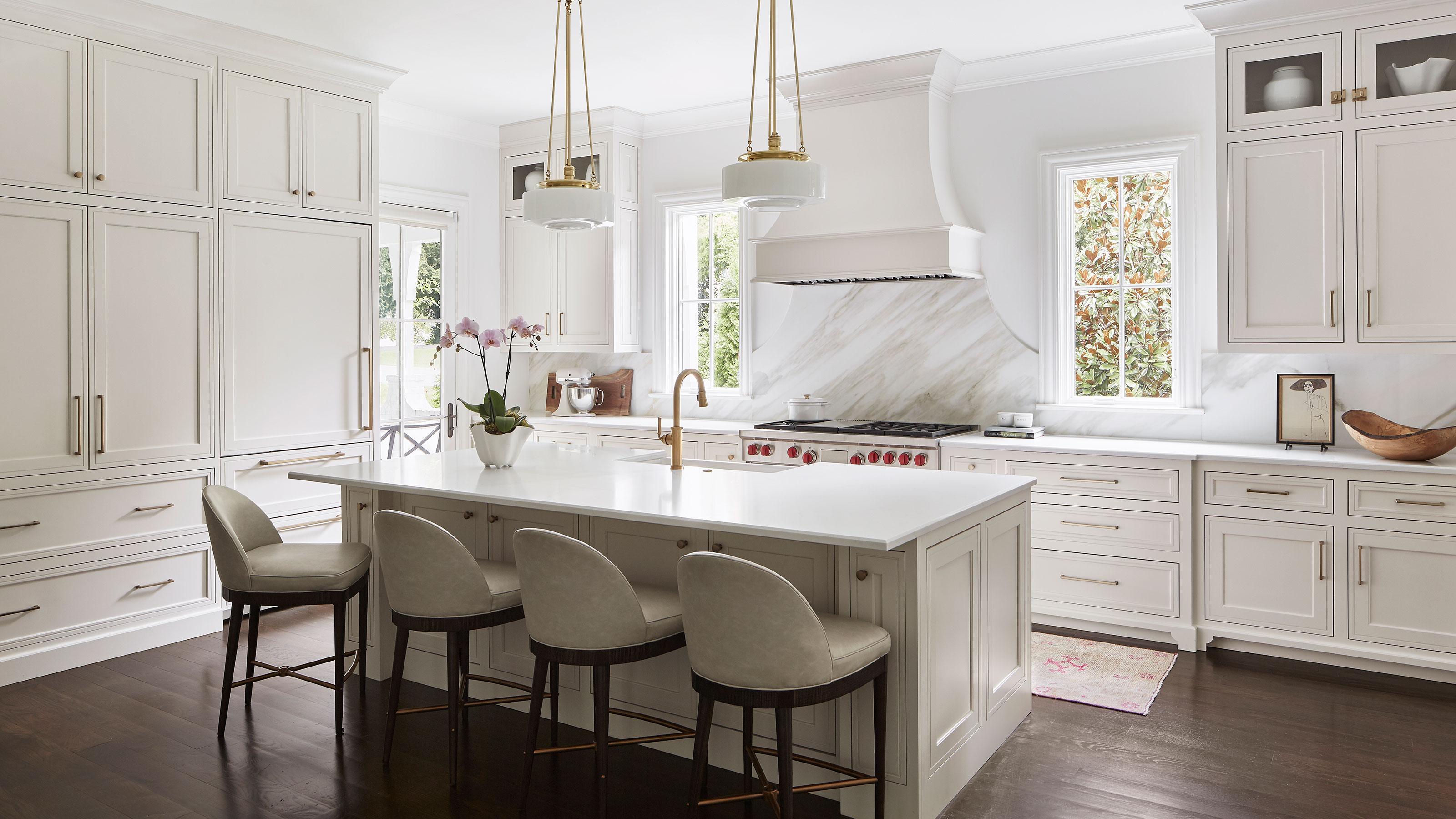
Image Source: cdn.mos.cms.futurecdn.net
Deciphering Standard Kitchen Cabinet Height
When planning or renovating your kitchen, understanding standard kitchen cabinet height is the first step. These dimensions are not arbitrary; they are based on decades of use and ergonomic studies to create a comfortable and efficient working environment.
Base Cabinet Heights
Base cabinet height is a foundational element in kitchen design. They provide essential storage space and support your countertops, which are the primary work surfaces in any kitchen.
- The Standard: The most common base cabinet height is 34.5 inches. This measurement is taken from the finished floor to the top of the cabinet box, before the countertop is added.
- Countertop Inclusion: Once a standard 1.5-inch thick countertop is installed, the total kitchen counter height reaches 36 inches. This 36-inch height is widely considered the ideal working surface height for most individuals, offering comfortable access for tasks like chopping vegetables, mixing ingredients, and preparing meals.
- Variations: While 34.5 inches is the standard, custom cabinetry can allow for variations. If you have a significantly taller or shorter homeowner, adjusting the base cabinet height can improve ergonomics. For example, slightly taller base cabinets might be beneficial for very tall individuals to reduce bending. Conversely, lower cabinets could be considered for those with mobility issues.
- Adjustable Feet: Many base cabinets come with adjustable feet. These are invaluable during installation, allowing you to level the cabinets on uneven floors and fine-tune the overall height to achieve that perfect kitchen counter height.
Upper Cabinet Heights
Upper cabinet height, also known as wall cabinet height, dictates what you can store within easy reach and how much visual space is available on your walls.
- Common Heights: The most frequent upper cabinet height options are 30 inches, 36 inches, and 42 inches.
- The 30-Inch Upper Cabinet: This is a popular choice, often paired with a standard 36-inch counter height, leaving a 18-inch space for the backsplash height. This creates a balanced look and provides ample room for everyday items.
- The 36-Inch Upper Cabinet: When a 36-inch upper cabinet is used, paired with a 36-inch counter height, it leaves a 12-inch space for the backsplash. This can make the upper cabinets feel more imposing and may require a slightly higher reach for some individuals.
- The 42-Inch Upper Cabinet: This height option is ideal for kitchens with higher ceilings. Paired with a standard counter height, it leaves a 6-inch backsplash area. This can make the kitchen feel more spacious and maximize storage, but it also means the highest shelves are typically out of reach for most people without a step stool.
- Strategic Placement: The decision on upper cabinet height often depends on your ceiling height and how you want to utilize the vertical space. For standard 8-foot ceilings, 30-inch or 36-inch upper cabinets are usually the most practical. For higher ceilings (9 feet or more), 42-inch cabinets can be a great way to fill the space and provide extra storage.
The Critical Gap: Kitchen Counter Height and Upper Cabinets
The distance between your countertop and your upper cabinets is a crucial design element that impacts both usability and aesthetics. This space is primarily where your backsplash height resides.
- The Standard Spacing: The generally accepted and most common gap between the kitchen counter height and the bottom of upper cabinets is 18 inches. This provides ample room for most kitchen activities, allowing you to work comfortably without hitting your head on the cabinets above.
- Ergonomic Considerations: This 18-inch spacing is considered an ergonomic kitchen height standard because it accommodates the average arm reach of adults. It allows for easy access to frequently used items stored in the upper cabinets without excessive stretching or strain.
- Variations and Their Impact:
- Less Than 18 Inches: A smaller gap, say 15 or 16 inches, can make the kitchen feel more compact but might make it slightly more challenging to maneuver large appliances or taller items on the counter. It can also make cleaning the backsplash more awkward.
- More Than 18 Inches: A larger gap, such as 20 or 24 inches, can make the kitchen feel more open and airy, especially in kitchens with higher ceilings. However, it also means that items stored on the higher shelves of your wall cabinet height will be less accessible. You might also need taller items on your backsplash area, like decorative jars or spice racks, to avoid a feeling of emptiness.
- Customization: If you have specific needs, such as being exceptionally tall or short, you might adjust this spacing. For example, a taller individual might opt for a 20-inch gap, while someone shorter might prefer 16 inches.
Cabinet Depth: A Key Dimension
Beyond height, cabinet depth plays a significant role in storage capacity and kitchen workflow.
- Base Cabinet Depth: Standard base cabinet depth is typically 24 inches. This depth allows for ample storage for pots, pans, dishes, and small appliances. It also ensures that standard countertops (which typically overhang by about 1 to 1.5 inches) don’t extend too far into the kitchen and create an obstruction.
- Upper Cabinet Depth: Upper cabinet depth is usually shallower, with 12 inches being the most common measurement. This shallower depth prevents the cabinets from protruding too far into the kitchen and bumping into people working at the counter. It’s sufficient for storing most glasses, plates, and pantry items.
- Specialty Depths:
- Wider Base Cabinets: Some base cabinets can be deeper, up to 27 inches, to accommodate specific appliances like larger refrigerators or to provide extra counter space.
- Shallower Upper Cabinets: In tight spaces, shallower upper cabinets (e.g., 8 or 10 inches) can be used to maximize walkway space. However, this will reduce storage capacity.
- Deep Upper Cabinets: Occasionally, deep upper cabinets (e.g., 15 or 18 inches) might be used for specific storage needs, but these are less common due to their bulkiness.
Cabinet Dimensions: A Quick Reference
Let’s summarize the common cabinet dimensions for clarity.
| Cabinet Type | Standard Height (Box Only) | Standard Countertop Height | Standard Depth | Typical Backsplash Gap |
|---|---|---|---|---|
| Base Cabinets | 34.5 inches | 36 inches | 24 inches | N/A |
| Upper Cabinets | 30, 36, or 42 inches | N/A | 12 inches | 18 inches (typical) |
Note: These are standard dimensions and can vary based on manufacturer and custom orders.
The Importance of Ergonomic Kitchen Height
An ergonomic kitchen height focuses on designing your kitchen to minimize physical strain and maximize efficiency. This involves considering the heights of your countertops, cabinets, and even the placement of appliances.
- Reducing Strain: Having the correct kitchen counter height is paramount. If counters are too high, it can lead to shoulder and back strain. If they are too low, it can cause hunching and leg discomfort. The standard 36 inches is a good compromise for most adults.
- Accessibility: The height and placement of upper cabinets also contribute to ergonomics. Cabinets that are too high make it difficult to access frequently used items. Conversely, very low upper cabinets can feel cramped. The 18-inch gap for the backsplash is designed with accessibility in mind.
- Appliance Height: Consider the height of your oven or microwave. Built-in ovens at counter height can be more ergonomic than those requiring you to bend down significantly.
- Customization for You: If multiple household members have significantly different heights, consider custom solutions. This could involve a slightly higher or lower island counter, or a mix of upper cabinet heights in different zones of the kitchen.
Beyond the Standard: When to Deviate
While standards are helpful, your kitchen is a personal space, and sometimes deviating from the norm is necessary.
Adapting for Height
- Taller Homes: For homeowners over 6 feet tall, increasing the base cabinet height by 2-3 inches can make a significant difference in comfort. This would result in a counter height of 38-39 inches.
- Shorter Homes: For those under 5’4″, lowering the counter height to 34-35 inches might be more comfortable. This can be achieved with slightly shorter base cabinets or by using a thinner countertop material.
- Universal Design: For kitchens intended for a wide range of users, including children or those with mobility issues, universal design principles are key. This might involve varied countertop heights or accessible pull-out shelves in base cabinets.
Ceiling Height and Visual Balance
- High Ceilings (9ft+): As mentioned, 42-inch upper cabinets can be excellent for filling tall wall spaces, creating a grander feel, and maximizing storage. Ensure sufficient clearance for access. You might consider installing a stylish ladder for higher shelves.
- Low Ceilings (8ft or less): 30-inch or 36-inch upper cabinets are usually the best fit. Going too high can make the space feel smaller and more enclosed. Sometimes, open shelving can be a good alternative to upper cabinets in low-ceilinged kitchens to avoid a boxed-in feeling.
Storage Needs and Workflow
- Maximizing Storage: If storage is your top priority, opt for taller upper cabinets, especially if you have high ceilings. Consider cabinets that go all the way to the ceiling to minimize dust traps and maximize every inch.
- Appliance Placement: The height of your appliances, such as dishwashers or ovens, will influence the surrounding cabinet heights. Ensure seamless integration for a cohesive look.
- Accessibility of Items: Think about what you store where. Everyday dishes and glasses should be in easily accessible upper cabinets. Less frequently used items can go on higher shelves.
Aesthetics and Style
The height of your cabinets also plays a role in the overall aesthetic of your kitchen.
- Proportion: The kitchen cabinet height should be in proportion to the room’s size and ceiling height. Tall cabinets in a small room can feel overwhelming, while short cabinets in a large room might look squat.
- The Backsplash: The backsplash height is directly influenced by your upper cabinet height. A taller backsplash can accommodate artwork or decorative elements, while a shorter one might feel more minimalist.
- Open Shelving: Replacing some upper cabinets with open shelving can lighten the feel of the kitchen, especially in smaller spaces or kitchens with lower ceilings. The height of these shelves will follow similar principles as upper cabinets.
Frequently Asked Questions (FAQ)
Q1: What is the standard height for kitchen cabinets?
The standard base cabinet height is 34.5 inches, which, with a 1.5-inch countertop, results in a kitchen counter height of 36 inches. For upper cabinets, common heights are 30, 36, or 42 inches.
Q2: Can I install cabinets higher or lower than the standard?
Yes, you can customize cabinet heights to suit your needs, especially if you are particularly tall or short, or if you have non-standard ceiling heights. It’s important to maintain ergonomic kitchen height principles for comfort and safety.
Q3: What is the ideal distance between upper cabinets and the counter?
The ideal and most common distance is 18 inches. This is the typical backsplash height and provides comfortable working space and accessibility for most people.
Q4: Does cabinet depth affect kitchen workflow?
Yes, cabinet depth is critical. Standard base cabinet depth of 24 inches allows for good storage and counter overhang, while shallower upper cabinet depth (usually 12 inches) prevents them from obstructing movement.
Q5: How do I determine the best cabinet height for my kitchen?
Consider your ceiling height, your own height and the height of other regular users of the kitchen, your storage needs, and the overall aesthetic you wish to achieve. Always prioritize ergonomic kitchen height for a comfortable and safe cooking experience.