
Can you see your kitchen cabinets in a different color? Yes, you absolutely can! Seeing your kitchen cabinets in a new color is easier than ever, thanks to modern technology and creative approaches. This guide will walk you through various methods to help you visualize fresh colors for your kitchen cabinets before you commit to a repaint.
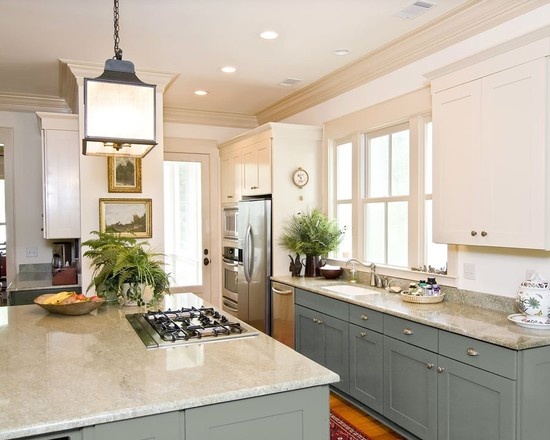
Image Source: thedecorologist.com
Embracing a Kitchen Cabinet Color Change
The kitchen is often called the heart of the home, and its cabinets play a starring role in its overall aesthetic. Over time, your current cabinet colors might feel dated, or your tastes might simply evolve. Deciding to repaint kitchen cabinets is a significant decision, and it’s natural to want to see how different shades will look before you start. This is where cabinet color visualization comes into play. Instead of relying solely on imagination or small paint chips, you can now use powerful tools to visualize cabinet colors with remarkable accuracy.
Why Visualize Your Cabinet Colors?
Making a mistake on cabinet paint can be costly and time-consuming. Visualizing your choices beforehand helps you avoid:
- Costly repaints: Applying paint multiple times is a hassle.
- Regret: Choosing a color you later dislike can impact your enjoyment of your kitchen.
- Wasted materials: Buying gallons of paint only to find it doesn’t work is inefficient.
- Time lost: The process of painting cabinets is labor-intensive.
Methods to Visualize Cabinet Colors
There are several effective ways to try cabinet colors and get a clear picture of how they’ll transform your kitchen. These range from digital tools to physical samples, each offering a unique perspective.
1. Virtual Cabinet Painting Tools
Virtual cabinet painting is perhaps the most popular and accessible method today. These digital tools allow you to upload a photo of your kitchen and experiment with countless cabinet color options.
How Virtual Painting Works:
- Take a Good Photo: Use a clear, well-lit photo of your kitchen. Ensure the cabinets are the main focus and that there aren’t too many distracting elements in the background.
- Upload to a Tool: Many paint brands and design websites offer free cabinet color simulators. You can also find dedicated apps.
- Select and Apply Colors: Most tools allow you to “paint” sections of your cabinets by selecting the desired color from a palette. You can often adjust the shade, finish, and even see how light affects the color.
Popular Virtual Cabinet Painting Tools:
- Sherwin-Williams ColorSnap® Visualizer: Allows you to upload photos or use pre-loaded room images. You can then use their extensive color library to virtually paint.
- Benjamin Moore Color Capture: Similar to Sherwin-Williams, this app lets you capture colors from your environment or upload photos to test.
- Home Depot Project Color™ App: Offers a robust visualization tool with a vast selection of brands and colors.
- IKEA Kitchen Planner: While primarily for planning entire kitchens, it can be used to visualize cabinet colors in their specific product lines.
Pros:
- Instantaneous feedback.
- Access to a vast range of colors.
- Can experiment with multiple colors quickly.
- Often free to use.
Cons:
- Colors might not be perfectly accurate due to screen calibration and lighting.
- May not capture the texture or sheen of the paint realistically.
- Can be tricky to precisely “paint” all cabinet surfaces accurately.
2. Cabinet Door Samples: The Physical Approach
While digital tools are great for initial ideas, seeing paint samples in your actual kitchen environment is crucial. Ordering cabinet door samples is a highly recommended step for anyone considering a DIY cabinet color change.
Getting Cabinet Door Samples:
- Choose Your Colors: Based on your virtual painting, narrow down your choices to a few top contenders.
- Order Samples: Many paint companies offer small sample pots. For a more accurate representation, some companies or cabinet refacing specialists offer actual cabinet door samples painted in your chosen colors.
- Apply Samples Correctly:
- Paint on Actual Cabinet Material: If you can get a spare piece of your cabinet material (e.g., from inside a door), paint that. This gives the truest representation of how the color will look on your specific cabinets.
- Use Swatches: If you can’t get spare material, paint large swatches (at least 1ft x 1ft) on cardboard or poster board. This is better than tiny paint chips as it allows you to see the color in a larger format.
- Consider the Finish: Make sure your samples reflect the sheen (matte, satin, semi-gloss) you plan to use. The finish significantly impacts how a color appears.
Where to Get Samples:
- Paint Stores: Purchase sample pots from your local paint retailers.
- Cabinet Refacing Companies: Many offer actual painted door samples as part of their consultation service.
- Online Retailers: Some specialized sites offer custom-painted samples.
Pros:
- Most accurate representation of color in your kitchen.
- Allows you to see how the color interacts with your kitchen’s lighting.
- Helps you assess the paint finish and texture.
Cons:
- Can be time-consuming to acquire and test.
- Sample pots can add up in cost.
- Requires more effort than a quick digital test.
3. Using Peel-and-Stick Samples
For a less permanent but still visual option, consider large peel-and-stick paint samples. These are becoming increasingly popular for walls and can be adapted for cabinets.
How to Use Peel-and-Stick Samples for Cabinets:
- Clean Cabinet Doors Thoroughly: Ensure your cabinet doors are clean and dry.
- Apply the Sample: Carefully apply the peel-and-stick sample to a visible cabinet door.
- Observe: See how the color looks at different times of day.
Pros:
- Easy to apply and remove without damage.
- Can be repositioned to different cabinets.
- Provides a larger color swatch than traditional sample pots.
Cons:
- May not perfectly mimic the exact paint finish or sheen.
- The adhesive might leave residue or affect certain cabinet finishes if left on too long.
- Limited availability compared to traditional paint samples.
Choosing Your Kitchen Cabinet Color Ideas
The possibilities for kitchen cabinet color ideas are endless, but narrowing them down involves considering several factors beyond just how the color looks on a screen or sample.
Factors Influencing Cabinet Color Choice:
- Kitchen Size and Lighting:
- Small kitchens with limited natural light: Lighter, cooler colors (whites, soft grays, pastels) can make the space feel larger and brighter.
- Large kitchens with abundant light: You have more flexibility. Darker, richer colors can add warmth and drama, while brighter colors can create a vibrant atmosphere.
- Existing Kitchen Elements:
- Countertops: Coordinate your cabinet color with your countertops. For example, a classic white cabinet pairs well with most countertop materials, while a dark gray cabinet might look striking with marble.
- Backsplash: The backsplash is another key element to consider. If you have a busy or colorful backsplash, a more neutral cabinet color might be best.
- Flooring: The floor color also needs to harmonize with your chosen cabinet shade.
- Appliance Colors: Stainless steel, black, or white appliances all have different aesthetic implications for cabinet colors.
- Your Personal Style: Are you drawn to modern, traditional, farmhouse, or eclectic styles? Your cabinet color should reflect your overall design preference.
- Current Trends vs. Timelessness: While trends are exciting, consider if you want a color that will remain stylish for years to come. Classic colors like white, gray, and natural wood tones tend to be more timeless.
Popular Cabinet Color Palettes:
Here’s a look at some popular cabinet color options and how they perform:
| Color Family | Shades | Pros | Cons | Best For |
|---|---|---|---|---|
| Whites | Pure White, Off-White, Cream, Alabaster | Bright, airy, versatile, timeless, makes spaces feel larger | Can show dirt easily, can feel stark if not balanced with other elements | Small kitchens, modern, traditional, transitional styles, high-traffic areas |
| Grays | Light Gray, Charcoal, Greige (Gray-Beige) | Sophisticated, modern, hides minor dirt, pairs well with many colors | Can feel cool or sterile if not warmed up, can be less timeless than white | Modern, industrial, transitional, contemporary kitchens, balanced with warm accents |
| Blues | Navy, Slate Blue, Light Blue, Teal | Calming, adds personality, can be dramatic or soft | Can make a space feel smaller if too dark, trends can shift | Transitional, coastal, modern farmhouse, kitchens wanting a pop of color |
| Greens | Sage Green, Forest Green, Mint Green | Earthy, natural, calming, can feel fresh or sophisticated | Can be polarizing, deep greens can darken a space | Farmhouse, traditional, transitional, kitchens seeking a natural feel |
| Blacks | Matte Black, Deep Charcoal, Espresso | Bold, dramatic, modern, hides dirt well | Can make a space feel smaller and cave-like, requires good lighting | Large kitchens, modern, contemporary, industrial styles, high-contrast designs |
| Wood Tones | Natural Oak, Walnut, Cherry, Maple, Painted Wood | Warm, natural, classic, hides wear and tear, diverse range of looks | Can look dated if the wood species or finish is out of style | Traditional, rustic, farmhouse, transitional styles, kitchens valuing natural beauty |
The Process of Repainting Kitchen Cabinets: A Look Ahead
Once you’ve visualized and chosen your new cabinet color, the next step is the actual repainting. Whether you decide to hire professionals or undertake a DIY cabinet color change, knowing the process is key.
Steps for a DIY Cabinet Color Change:
-
Preparation is Paramount:
- Empty Cabinets: Remove all contents from your cabinets.
- Remove Doors and Drawers: Detach all cabinet doors, drawer fronts, and visible hardware.
- Label Everything: Use painter’s tape and a marker to label each door and drawer front so you know exactly where it belongs when reassembling.
- Clean Thoroughly: Use a degreaser or TSP (trisodium phosphate) substitute to remove any grease, grime, or buildup from the cabinet surfaces.
- Repair Imperfections: Fill any holes or dents with wood filler and sand smooth once dry.
- Sand Surfaces: Lightly sand all cabinet surfaces to create a smooth, receptive surface for primer and paint. Use fine-grit sandpaper (150-220 grit). Clean off all dust with a tack cloth or damp cloth.
- Prime: Apply a high-quality primer designed for cabinets. This is crucial for adhesion and a smooth finish. Two coats might be necessary.
-
Painting:
- Choose Your Paint: Opt for a durable paint specifically formulated for cabinets. Alkyd enamels or high-quality acrylic latex paints are good choices. A satin or semi-gloss finish is generally recommended for cabinets as it’s more durable and easier to clean than a matte finish.
- Apply Thin Coats: Use a high-quality brush for detail work (edges, corners) and a foam roller or sprayer for the flat surfaces. Apply multiple thin, even coats rather than one thick coat.
- Allow Adequate Drying Time: Follow the manufacturer’s recommendations for drying time between coats and before reassembling.
-
Reassembly and Hardware:
- Reattach Doors and Drawers: Once the paint is fully cured, carefully reattach the doors and drawers using your labels as a guide.
- Install New Hardware: If you’re updating your hardware, now is the time to install new knobs or pulls.
Professional vs. DIY Cabinet Painting
Deciding whether to tackle a DIY cabinet color change or hire professionals depends on your budget, time, and desired outcome.
| Feature | DIY Cabinet Color Change | Professional Cabinet Painting |
|---|---|---|
| Cost | Lower labor costs; pay for materials, tools, and your time. | Higher overall cost due to professional labor and expertise. |
| Time | Can take several days to weeks depending on experience. | Typically faster turnaround, often 1-2 weeks. |
| Skill Level | Requires patience, attention to detail, and some painting skill. | Professionals have specialized skills and equipment. |
| Quality | Varies greatly with skill; can achieve professional results. | Generally higher, more consistent finish and durability. |
| Stress | Can be stressful, especially for beginners. | Less stressful, as professionals handle the work. |
Tip: If you opt for DIY and are new to this, consider practicing on a spare cabinet door or piece of wood first.
Beyond Paint: Other Ways to Change Your Cabinet Look
If painting isn’t for you, or you want to explore other cabinet color options, consider these alternatives:
- Cabinet Refacing: This involves replacing your existing cabinet doors and drawer fronts with new ones in your desired style and color. The cabinet boxes remain the same. This is a more involved process than painting but can offer a completely new look.
- Cabinet Wraps/Veneers: Vinyl wraps or veneers can be applied to your existing cabinets to change their color and finish. This is a less permanent option than painting and can be a good choice for renters or those who like to change their decor frequently.
- Hardware Updates: Sometimes, simply changing the knobs and pulls can dramatically update the look of your cabinets and their perceived color, especially if you’re moving from very dated hardware.
Frequently Asked Questions (FAQ)
Q1: How do I get the most accurate cabinet color visualization?
A1: The most accurate visualization comes from ordering physical cabinet door samples painted in your chosen colors. These allow you to see the color in your kitchen’s unique lighting conditions and assess the paint finish.
Q2: Can I try different cabinet colors without painting?
A2: Yes, you can use virtual cabinet painting tools and apps. These digital simulators allow you to upload photos of your kitchen and experiment with a wide range of cabinet color options virtually. Peel-and-stick samples can also offer a temporary physical visualization.
Q3: What are the best cabinet colors for a small kitchen?
A3: Lighter, cooler colors like whites, soft grays, and pale blues or greens are generally best for small kitchens. They reflect light and can make the space feel larger and more open.
Q4: How long does it take to repaint kitchen cabinets?
A4: For a DIY cabinet color change, the process can take anywhere from a few days to over a week, depending on your preparation, the number of coats, and drying times. Professional painters typically complete the job in 1-2 weeks.
Q5: Should I paint or replace my kitchen cabinets?
A5: This depends on your budget, the condition of your existing cabinets, and the desired outcome. Painting is usually more cost-effective for updating the color of cabinets that are structurally sound. Replacing or refacing is an option if the cabinets are damaged, outdated in style, or if you want a completely different layout.
By utilizing these visualization techniques and considering the various factors involved, you can confidently choose and implement a new cabinet color that breathes fresh life into your kitchen. Happy visualizing!