
What is the standard kitchen cabinet height? The standard upper kitchen cabinet height is typically 30, 36, or 42 inches, while base cabinets are usually 34.5 inches tall before the countertop. This guide will help you decipher the ideal kitchen cabinet dimensions for your space.
When planning your dream kitchen, the height of your cabinets plays a crucial role in both function and form. It’s not just about aesthetics; it’s about ensuring reachability of kitchen cabinets, efficient storage, and a comfortable working environment. This comprehensive guide will explore kitchen design cabinet sizes, focusing on standard upper cabinet height, base cabinet height, and how these choices impact your kitchen’s usability.
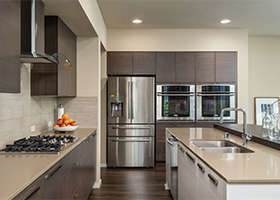
Image Source: www.lampertlumber.com
Fathoming Standard Kitchen Cabinet Dimensions
The world of kitchen cabinet height offers a range of options, but a few standard measurements have become the norm due to ergonomics and manufacturing efficiencies. Let’s break down these key dimensions.
Base Cabinet Height: The Foundation of Your Kitchen
Your base cabinet height is the starting point for your kitchen’s functionality. These cabinets sit directly on the floor and support your countertops, the primary workspace in your kitchen.
Standard Base Cabinet Height
The most common base cabinet height is 34.5 inches. This measurement is crucial because it accounts for the typical height of kitchen countertops. Once a standard countertop, usually made of granite, quartz, or laminate, is installed on top of the base cabinet, the total height reaches the universally accepted countertop cabinet height of 36 inches. This 36-inch height is ergonomic for most adults, allowing for comfortable food preparation and cooking without excessive bending or reaching.
Factors Influencing Base Cabinet Height
While 34.5 inches is standard, there are situations where you might deviate:
- Custom Countertop Thickness: If you opt for an unusually thick or thin countertop material, you might adjust the base cabinet height accordingly. For instance, a very thick butcher block might necessitate a slightly shorter base cabinet to maintain the desired 36-inch overall height.
- User Height: For families with significantly taller or shorter adults, a custom base cabinet height might be considered to optimize comfort and accessibility. However, this is less common and usually reserved for highly personalized kitchen designs.
- Appliance Integration: Some specific appliance installations, like certain types of built-in ovens or dishwashers, might have specific height requirements that influence the base cabinet dimensions.
Upper Cabinet Height: Reaching for Storage
Upper cabinets, also known as wall cabinet height, provide essential storage above your countertops. Their height is a delicate balance between maximizing storage space and ensuring reachability of kitchen cabinets.
Standard Upper Cabinet Height Options
The most common standard upper cabinet height options are:
- 30 inches: This is a popular choice, especially in kitchens with lower ceilings or when a more balanced aesthetic is desired, leaving ample space above the cabinets for decorative elements or ventilation.
- 36 inches: This height offers more storage capacity and is frequently used in kitchens with standard 8-foot ceilings. It provides a good amount of vertical storage without making the upper cabinets feel overwhelming.
- 42 inches: For kitchens with higher ceilings (9 feet or more), 42-inch upper cabinets maximize storage potential. They extend closer to the ceiling, reducing the amount of unused space and creating a more cohesive look.
The Crucial Gap: Clearance Between Countertop and Upper Cabinets
The space between your countertop and your upper cabinets is as important as the cabinets themselves. This is where your backsplash lives and where you perform most of your tasks.
- Standard Clearance: The standard clearance between the countertop and the bottom of the upper cabinets is typically 18 inches. This 18-inch gap provides enough room to work comfortably, chop vegetables, mix ingredients, and use small appliances without feeling cramped. It also accommodates most backsplashes, whether they are tile, stone, or a solid surface.
- Adjusting the Clearance:
- For Taller Individuals: A slightly larger clearance, perhaps 20-22 inches, can be beneficial for taller individuals to prevent them from stooping too much while working.
- For Microwave or Small Appliance Placement: If you plan to place a microwave or other small appliances on the countertop that you use frequently, ensure the cabinet height allows for easy access and ventilation. Some people opt for specialized microwave cabinets that integrate the appliance within the upper cabinet structure, often at a lower height.
Cabinet Depth: How Far They Reach Out
Beyond height, cabinet depth is another critical dimension. It dictates how much you can store inside and how much space your cabinets will occupy in your kitchen.
Standard Cabinet Depth
- Base Cabinets: The standard cabinet depth for base cabinets is 24 inches. This depth allows for ample storage within the cabinet and provides a generous work surface on the countertop.
- Upper Cabinets: The standard depth for upper cabinets is typically 12 inches. This depth is sufficient for storing most dishes, glassware, and pantry items without protruding too far into the kitchen workspace, which could obstruct movement.
Deeper or Shallower Cabinets: When to Consider Alternatives
- Deeper Base Cabinets: In larger kitchens or for specific storage needs, deeper base cabinets (e.g., 27 or 30 inches) can offer significantly more storage. However, this comes at the cost of encroaching on your kitchen’s floor space.
- Shallower Upper Cabinets: In narrower kitchens or hallways, shallower upper cabinets (e.g., 9 or 10 inches) might be preferable to improve walkability and prevent a feeling of being enclosed.
- Specialty Cabinets: Consider the depth of specialty cabinets like pot and pan drawers, which are often deeper than standard upper cabinets, or narrow spice cabinets.
Exploring Cabinet Sizes in Kitchen Design
The interplay of kitchen design cabinet sizes is what creates a functional and beautiful kitchen. Understanding how different heights and depths work together is key.
The Impact of Ceiling Height on Cabinet Choices
Your ceiling height is arguably the most significant factor influencing your choice of wall cabinet height.
- 8-Foot Ceilings: For standard 8-foot ceilings, 30-inch or 36-inch upper cabinets are generally recommended.
- A 30-inch upper cabinet with a 15-inch space above (totaling 45 inches from countertop to ceiling) leaves a comfortable 33 inches of wall space, which is ample for a backsplash and allows for some visual breathing room.
- A 36-inch upper cabinet with an 18-inch space above (totaling 54 inches from countertop to ceiling) leaves 24 inches of wall space, still providing a good backsplash area and maximizing storage.
- 9-Foot Ceilings: With 9-foot ceilings, 36-inch or 42-inch upper cabinets become more viable options.
- A 36-inch upper cabinet with a 24-inch space above (totaling 60 inches from countertop to ceiling) leaves 18 inches of wall space.
- A 42-inch upper cabinet with a 24-inch space above (totaling 66 inches from countertop to ceiling) leaves 12 inches of wall space. This is a popular choice for maximizing storage without going all the way to the ceiling.
- 10-Foot Ceilings and Above: For even higher ceilings, 42-inch cabinets are often the best way to utilize vertical space. You can also consider stacking cabinets (e.g., a 30-inch cabinet on top of a 12-inch decorative stacker) to fill the entire wall height, providing maximum storage.
Optimizing Reachability of Kitchen Cabinets
Reachability of kitchen cabinets is a fundamental ergonomic consideration. You want to be able to access your most frequently used items without strain.
Factors Affecting Reachability
- Cabinet Height: Taller cabinets naturally reduce the reachability of kitchen cabinets for shorter individuals.
- Cabinet Depth: Deeper cabinets can make it harder to reach items stored at the back.
- Shelf Placement: Adjustable shelves within cabinets allow you to customize the vertical space and improve reachability.
- Kitchen Layout: The placement of cabinets relative to your primary work zones (e.g., sink, stove, prep area) impacts how easily you can reach them during cooking.
Strategies to Enhance Reachability
- Pull-Out Shelves and Drawers: These are game-changers for base cabinets and even deeper upper cabinets. They bring items forward, eliminating the need to reach deep into the cabinet.
- Tiered Shelving or Risers: Within cabinets, these accessories can create multiple levels of storage, making smaller items more accessible.
- Lazy Susans and Corner Cabinet Solutions: For those awkward corner cabinets, rotating shelves or pull-out corner systems dramatically improve access to stored goods.
- Consider Open Shelving: For frequently used items like spices or everyday dishes, open shelving can offer excellent reachability of kitchen cabinets.
Cabinet Installation Height: Precision in Placement
The cabinet installation height is where the planning meets reality. Proper installation ensures that your cabinets are not only aesthetically pleasing but also safe and functional.
Base Cabinet Installation Height
As mentioned, base cabinets are installed to achieve a standard countertop cabinet height of 36 inches. This involves:
- Leveling: Base cabinets are mounted on a level subfloor. Shims are often used to ensure cabinets are perfectly level, which is crucial for countertop installation and drawer/door operation.
- Securing: Cabinets are typically secured to the wall studs for stability and safety. This ensures they can bear the weight of their contents and the countertop.
- Toe Kick: The toe kick at the bottom of the base cabinet provides a slight recess, allowing you to stand closer to the countertop without stubbing your toes.
Upper Cabinet Installation Height
The cabinet installation height for upper cabinets is critical for both aesthetics and practicality.
- Measuring the Clearance: The 18-inch standard clearance from the countertop to the bottom of the upper cabinets is the primary guideline. This measurement should be consistent across all upper cabinets.
- Leveling and Securing: Similar to base cabinets, upper cabinets must be perfectly level and securely attached to wall studs. The weight of the cabinets and their contents requires robust anchoring.
- Consider Appliance Locations: If you are installing a range hood or over-the-range microwave, the cabinet installation height must align with the appliance’s specific requirements to ensure proper fit and function.
- Visual Balance: While 18 inches is standard, slight adjustments might be made for visual balance, especially in kitchens with varied ceiling heights or architectural features. However, these adjustments should not compromise functionality or reachability of kitchen cabinets.
Customizing Your Cabinet Heights for Unique Needs
While standard dimensions are excellent starting points, your kitchen is unique, and sometimes custom solutions are necessary.
When Standard Doesn’t Quite Fit
- Unusual Ceiling Heights: Very low or very high ceilings might require custom cabinet heights or creative solutions like stacking cabinets or open shelving to fill the space appropriately.
- Specific User Needs: As mentioned, individuals with significantly different heights might benefit from slightly adjusted base cabinet heights.
- Appliance Integration: Bespoke cabinetry can be designed around specific appliance sizes and shapes, such as integrated refrigerators or unique oven configurations.
- Accessibility Requirements: For individuals with mobility issues, lower counter heights and easily accessible cabinets are paramount. This often involves custom base cabinet heights and specialized pull-out systems.
Creative Solutions for Filling Vertical Space
- Stacking Cabinets: For high ceilings, a common approach is to stack upper cabinets. For example, a 36-inch upper cabinet might be paired with a 12-inch or 18-inch decorative stacker cabinet on top. This maximizes storage and creates a more built-in look.
- Open Shelving: Strategically placed open shelving can break up long runs of upper cabinets, offer display space, and improve the sense of openness. They are also excellent for improving the reachability of kitchen cabinets.
- Bulkheads: In some older homes or for specific design choices, bulkheads (structural elements that drop down from the ceiling) might be present, dictating where cabinets can be installed and potentially limiting the wall cabinet height.
A Table of Standard Kitchen Cabinet Dimensions
Here’s a quick reference table for common standard kitchen cabinet dimensions:
| Cabinet Type | Standard Height | Standard Depth | Standard Widths | Notes |
|---|---|---|---|---|
| Base Cabinet | 34.5 inches | 24 inches | 9-48 inches | Height before countertop. Supports 36-inch countertop cabinet height. |
| Upper Cabinet | 30 inches | 12 inches | 12-36 inches | Common with 8ft ceilings. 18-inch clearance to countertop. |
| Upper Cabinet | 36 inches | 12 inches | 12-36 inches | Common with 8-9ft ceilings. 18-inch clearance to countertop. |
| Upper Cabinet | 42 inches | 12 inches | 12-36 inches | Common with 9ft+ ceilings. 18-inch clearance to countertop. |
| Sink Base Cabinet | 34.5 inches | 24 inches | 30-48 inches | Usually wider to accommodate the sink. |
| Tall Pantry Cabinet | 84-96 inches | 12-24 inches | 18-36 inches | Floor-to-ceiling storage. |
Note: These are typical dimensions. Customization is always an option.
Frequently Asked Questions About Kitchen Cabinet Height
Here are some common questions regarding kitchen cabinet height:
Q1: What is the ideal kitchen cabinet height for someone who is very tall or very short?
For taller individuals, consider increasing the base cabinet height slightly (e.g., to 35-36 inches) or ensuring a slightly larger gap (20-22 inches) between the countertop and upper cabinets. For shorter individuals, standard heights are usually manageable, but ensuring easy reachability of kitchen cabinets with pull-out shelves and lower upper cabinet placements can be beneficial.
Q2: Can I install upper cabinets higher than the standard 18-inch clearance from the countertop?
Yes, you can. However, consider the impact on reachability of kitchen cabinets. If you move them too high, accessing items will become difficult. Also, ensure you leave adequate space for your backsplash. A common alternative is to use taller upper cabinets (36 or 42 inches) to maximize storage while maintaining a workable clearance.
Q3: What is the standard cabinet depth for upper cabinets?
The standard cabinet depth for upper cabinets is typically 12 inches. This provides good storage without making the cabinets protrude too far into the kitchen workspace.
Q4: What are the standard kitchen design cabinet sizes for a small kitchen?
In a small kitchen, maximizing every inch is key. Consider using taller upper cabinets (36 or 42 inches if ceiling height allows) to utilize vertical space. Opt for narrower base cabinets (12-15 inches) for secondary storage areas and prioritize efficient drawer systems and pull-outs within standard depths to enhance reachability of kitchen cabinets.
Q5: How do I determine the right cabinet installation height for my new kitchen?
Measure your ceiling height carefully. Then, decide on your desired upper cabinet height (30, 36, or 42 inches). Calculate the clearance needed (typically 18 inches from the countertop). For base cabinets, aim for a 34.5-inch height to achieve the standard 36-inch countertop cabinet height. Always ensure cabinets are leveled and securely fastened to wall studs during cabinet installation height.
By carefully considering these dimensions and options, you can create a kitchen that is not only beautiful but also perfectly tailored to your needs, ensuring both excellent storage and effortless reachability of kitchen cabinets.