
Kitchen sinks are typically measured from the outside edge to the outside edge for both length and width, and from the inside rim to the inside bottom for depth. This comprehensive guide will walk you through the entire process of measuring your kitchen sink, ensuring a perfect fit for your countertop and cabinet space. Whether you’re replacing an old sink, installing a new one, or simply trying to figure out what will fit, knowing how to take accurate sink measurements is crucial.
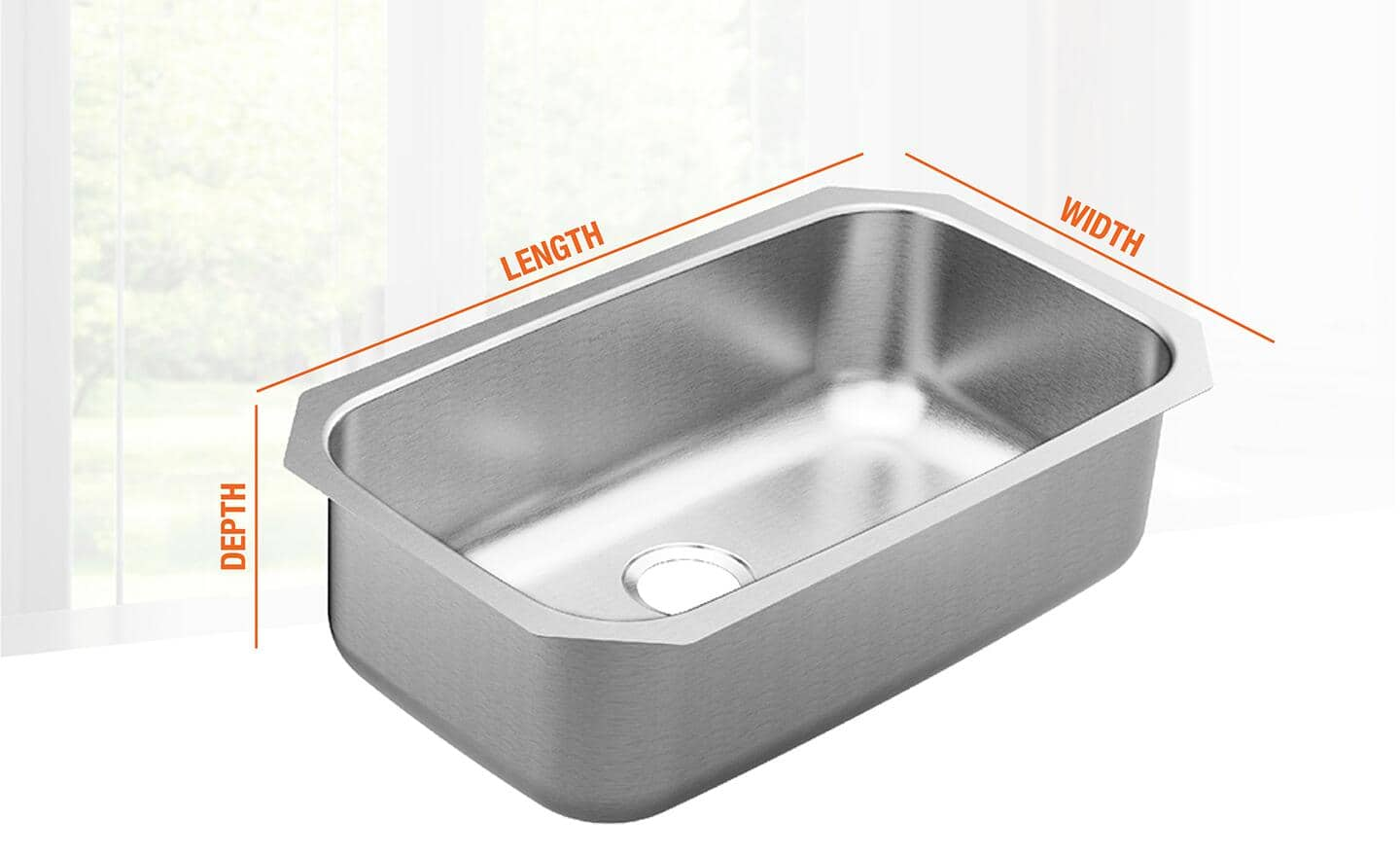
Image Source: dam.thdstatic.com
Deciphering Sink Dimensions: The Foundation of a Perfect Fit
When embarking on a kitchen renovation or even just a simple sink upgrade, one of the most critical steps is accurately measuring for your new fixture. This isn’t just about aesthetics; it’s about ensuring functionality, proper installation, and avoiding costly mistakes. The sink dimensions are your blueprint, guiding your selection from a vast array of kitchen sink sizes.
The Importance of Precise Measurements
Why is precision so vital? Imagine ordering a sink that’s too large for your existing countertop cutout, or too deep for your base cabinets to accommodate plumbing. These scenarios lead to delays, extra expenses for custom modifications, or even the need to return the sink and start the selection process all over again. A meticulous approach to sink measurements guide yourself and your installer towards a seamless integration of your new sink.
Key Areas to Measure
To achieve a perfect fit, you need to consider several key measurements:
- Overall Sink Dimensions: This refers to the outermost points of the sink.
- Countertop Cutout Dimensions: For drop-in sinks, this is the hole in your counter. For undermount sinks, this is the precise opening needed.
- Cabinet Space: The internal dimensions of the cabinet beneath your sink.
- Plumbing Clearance: Ensuring enough space for pipes, garbage disposals, and water filtration systems.
Navigating Kitchen Sink Sizes: A Comprehensive Approach
The world of kitchen sinks offers a dazzling variety of styles, materials, and, importantly, sizes. From compact single bowls to expansive double-basin designs, understanding kitchen sink sizes is paramount. This section will break down how to approach measuring for different types of sinks.
Measuring for Drop-In Sinks (Top-Mount)
Drop-in sinks, also known as top-mount or self-rimming sinks, are characterized by their rim that rests on top of the countertop. Their installation is generally simpler, but accurate measurement is still key.
Sink Width and Length for Drop-In
- Measure the Existing Cutout: If you are replacing a drop-in sink, carefully measure the existing hole in your countertop.
- Measure from the left edge of the cutout to the right edge to get the sink width.
- Measure from the front edge of the cutout to the back edge to get the sink length.
- Measure the Sink’s Overall Dimensions: Place the sink upside down on a flat surface.
- Measure the total width from the outermost left edge of the sink to the outermost right edge.
- Measure the total length from the outermost front edge to the outermost back edge.
- Check the Rim Overhang: For a drop-in sink, you need to ensure the sink’s rim will adequately cover the countertop cutout.
- Measure the width of the rim on each side.
- Measure the width of the rim on the front and back.
- The sink’s overall width should be larger than the cutout width, and the sink’s overall length should be larger than the cutout length, with enough rim to overlap the countertop securely.
Standard Sink Depths for Drop-In
- Measure from the Rim to the Bottom: Place the sink upright. Measure from the top surface of the sink’s rim straight down to the very bottom of the sink basin.
- Consider Cabinet Clearance: You also need to ensure the sink’s depth won’t interfere with your countertop thickness or the cabinet space below. Check the height of your faucet and any backsplash you plan to install.
Measuring for Undermount Sinks
Undermount sinks are installed from beneath the countertop, creating a sleek, seamless look. This requires a precise cutout in the countertop.
Sink Width and Length for Undermount
- Measure the Sink’s Overall Dimensions: This is the most critical measurement for undermount sinks.
- Place the sink upside down on a flat surface.
- Measure the total width from the outermost left edge to the outermost right edge.
- Measure the total length from the outermost front edge to the outermost back edge.
- Determine the Required Countertop Cutout: The cutout in your countertop will be slightly smaller than the sink’s overall dimensions to allow for mounting clips and sealant.
- Consult the Manufacturer’s Template: Most undermount sinks come with a template. This is the most accurate way to determine the cutout size and shape. The template will specify the exact dimensions for the cutout.
- If No Template is Available: As a general rule, you’ll subtract a small amount (typically 1/4 inch to 1/2 inch) from each side of the sink’s overall dimensions to determine the cutout dimensions. However, always verify with the sink manufacturer for their specific recommendations. This is crucial for proper sink installation measurements.
Undermount Sink Dimensions and Cabinet Clearance
- Measure from the Rim to the Bottom: As with drop-in sinks, measure from the top surface of the sink’s rim straight down to the bottom of the basin.
- Crucial Cabinet Considerations: Undermount sinks often extend deeper into the cabinet space.
- Measure the internal height of your base cabinet.
- Check for obstructions like pipes, valves, or garbage disposal units. Ensure the sink depth, plus any necessary plumbing fittings, will fit comfortably without hitting cabinet walls or the floor.
Measuring for Farmhouse Sinks (Apron-Front Sinks)
Farmhouse sinks, also known as apron-front sinks, have a distinctive exposed front panel. Their installation can sometimes require modifications to existing cabinetry.
Sink Width and Length for Farmhouse
- Measure the Sink’s Overall Width and Length:
- Measure from the outermost left edge of the apron to the outermost right edge for the sink width.
- Measure from the outermost front of the apron to the outermost back edge of the sink basin for the sink length.
- Consider Cabinet Width:
- Measure the width of your existing base cabinet. Farmhouse sinks are typically designed to fit into standard cabinet widths (e.g., 30-inch, 36-inch, 42-inch cabinets).
- The sink’s width should be slightly less than the cabinet’s width to allow for installation and a flush fit.
- Cabinet Front Modification:
- For a true farmhouse sink installation, the cabinet face will likely need to be modified or replaced. The sink’s apron replaces the cabinet front.
- Measure the height of the cabinet front you’ll be removing to determine the required height of the sink’s apron.
Standard Sink Depths for Farmhouse Sinks
- Measure the Apron Height: Farmhouse sinks have a significant apron that extends down the front. Measure the height of this apron from the top edge to the bottom.
- Measure the Bowl Depth: Measure from the top rim of the basin to the bottom of the bowl.
- Total Depth: Add the apron height and the bowl depth to get the sink’s total projection. This measurement is important for ensuring it doesn’t extend too far into your kitchen walkway.
Capturing Essential Sink Measurements: A Practical Guide
When you’re armed with a tape measure and a clear objective, taking accurate sink measurements guide your entire purchase decision. Let’s break down the practical steps for measuring any kitchen sink.
Tools You’ll Need
- Tape Measure: A metal tape measure is ideal for its rigidity and accuracy.
- Pen and Paper (or a Digital Device): To record your measurements.
- Helper (Optional but Recommended): Especially for larger sinks or when measuring installed sinks.
- Sink Template (if available): Essential for undermount sinks.
Measuring the Sink Itself
This is the most straightforward part. It’s best to do this when the sink is out of the countertop, if possible.
Sink Width and Length
- Overall Width: Measure the widest part of the sink from the exterior left edge to the exterior right edge.
- Overall Length: Measure the longest part of the sink from the exterior front edge to the exterior back edge.
- Internal Bowl Dimensions: For double-bowl sinks, measure the width and length of each individual bowl. This is important for practical use.
Standard Sink Depths
- Bowl Depth: Place the sink upright. Measure from the top rim of the sink basin down to the bottom of the basin.
- Overall Depth (Including Rim): For drop-in sinks, this is essentially the bowl depth. For undermount sinks, this is also the bowl depth. For farmhouse sinks, remember to also account for the apron’s height.
Measuring Your Countertop Cutout (For Replacements)
If you’re replacing an existing sink, measuring the cutout is vital.
Sink Installation Measurements for Cutouts
- For Drop-In Sinks:
- Measure the width of the existing hole from edge to edge.
- Measure the length of the existing hole from edge to edge.
- Measure the depth of the countertop material.
- For Undermount Sinks:
- This is trickier as the cutout is on the underside. You’ll need to get underneath the countertop.
- Measure the width and length of the opening from the underside of the countertop.
- Crucially, check for any clips or mounting hardware that might affect the usable space. The template provided by the manufacturer is the most accurate guide for the cutout.
Measuring Cabinet Space
This is often overlooked but is critical for a successful installation.
Sink Measurement Chart Considerations for Cabinets
- Cabinet Width: Measure the interior width of the cabinet that will house the sink. This is essential for ensuring the sink fits and that there’s space for plumbing.
- Cabinet Depth: Measure the interior depth of the cabinet.
- Clearance for Plumbing and Disposal:
- Measure the vertical space available from the bottom of the sink basin to the cabinet floor.
- Measure the horizontal space available for the drain pipes, P-trap, and garbage disposal unit.
- Factor in the thickness of the countertop material and any supporting structures.
Specialty Sinks and Their Unique Measurement Needs
Different sink styles have unique aspects that require specific attention when measuring.
Undermount Sink Dimensions: Precision is Key
Undermount sink dimensions are all about how the sink will integrate seamlessly with your countertop.
- The Template is Your Best Friend: Always use the manufacturer’s template if one is provided. This template dictates the precise size and shape of the countertop cutout.
- Edge Distance: Consider how close the sink edge will be to the countertop edge. This affects the structural integrity of the countertop and the visual appeal.
- Cabinet Corner Radius: The curved corners of undermount sinks need to align with any curved corners in the countertop cutout.
Drop-In Sink Measurements: Covering the Cutout
For drop-in sink measurements, the key is ensuring the sink’s rim adequately covers the existing countertop opening.
- Rim Width: A wider rim provides more coverage and forgiveness for slightly imperfect cutouts.
- Faucet Hole Placement: If your sink has pre-drilled faucet holes, measure the distance between them and ensure they align with your chosen faucet spread.
Farmhouse Sink Measurements: Cabinetry and Apron Fit
Farmhouse sink measurements require a careful look at both the sink’s apron and the cabinet it will inhabit.
- Apron Front Dimensions: Measure the height and width of the exposed apron. This will be visible in your kitchen.
- Cabinet Modification Space: You may need to measure the space where the cabinet front will be removed to accommodate the apron.
- Drainboard Measurements: If your farmhouse sink includes an integrated drainboard, measure its dimensions as well.
A Sink Measurement Chart for Reference
To simplify the process, here’s a conceptual sink measurement chart that outlines common measurements and what they signify. When shopping, you’ll find these sink dimensions listed by manufacturers.
| Measurement Type | What it Represents | Key Considerations |
|---|---|---|
| Overall Width | Widest exterior point of the sink. | Must fit within cabinet width and countertop space. |
| Overall Length | Longest exterior point of the sink. | Must fit within countertop space. |
| Bowl Width (Each) | Interior width of an individual sink basin. | Practicality for fitting dishes and pots. |
| Bowl Length (Each) | Interior length of an individual sink basin. | Practicality for fitting dishes and pots. |
| Bowl Depth | Vertical distance from sink rim to sink bottom. | Plumbing clearance, faucet height, aesthetic preference. |
| Countertop Cutout | The actual hole in the countertop. | Must match sink type (undermount template is critical). |
| Cabinet Width | Interior width of the cabinet supporting the sink. | Must accommodate the sink’s overall width and installation hardware. |
| Cabinet Depth | Interior depth of the cabinet. | Must accommodate the sink’s depth and plumbing. |
| Faucet Hole Spacing | Distance between pre-drilled holes. | Must match your chosen faucet configuration. |
| Apron Height | For farmhouse sinks, the visible front panel height. | Aesthetic and must align with cabinet front modification. |
Common Pitfalls to Avoid When Measuring
Even with the best intentions, mistakes can happen. Being aware of common pitfalls can save you a lot of trouble.
Misinterpreting “Sink Size”
Manufacturers often list sink dimensions in different ways. Always clarify if the listed size refers to the overall exterior dimensions or the countertop cutout dimensions. For undermount sinks, the cutout size is paramount.
Neglecting Cabinet Space
A sink might fit the countertop cutout, but if it’s too deep or too wide internally, it can clash with plumbing, garbage disposals, or even the cabinet doors. Always measure the internal cabinet space.
Forgetting Faucet and Accessories
If you’re installing a new faucet, consider its height, reach, and any required deck plates. Ensure there’s enough clearance behind the sink for the faucet handles. Also, think about where soap dispensers or filtered water taps will go.
Assuming Standard Measurements
While there are common kitchen sink sizes, variations exist. Don’t assume your old sink’s measurements will perfectly match a new one, even if they appear similar. Always measure your specific space and the sink you intend to purchase.
Final Checks Before You Buy
Before clicking “add to cart” or making a final purchase, do one last review:
- Double-Check All Measurements: Compare your handwritten notes with the sink’s specifications.
- Review Sink Type: Is it drop-in, undermount, or farmhouse? This dictates how it installs and what measurements are most critical.
- Confirm Countertop Compatibility: For undermount sinks, ensure your countertop material (e.g., granite, quartz, solid surface) is suitable for undermount installation.
- Consult with Your Installer: If you’re not doing the installation yourself, discuss your measurements and chosen sink with your plumber or contractor. They can offer invaluable advice and identify potential issues you might have missed.
By diligently following these steps and utilizing this sink measurements guide, you can confidently select and install a kitchen sink that fits perfectly, enhancing both the functionality and beauty of your kitchen.