
Can you get rid of sink smells fast? Yes! You can easily get rid of kitchen sink smells fast using common household items like baking soda and vinegar. These natural remedies are safe, effective, and budget-friendly ways to combat a smelly sink.
Is your kitchen sink starting to smell bad? A persistent odor from your kitchen sink drain can be more than just unpleasant; it can signal underlying issues that need attention. Before you reach for harsh chemical drain cleaners, consider the power of natural solutions. Baking soda and vinegar, staples in most kitchens, are surprisingly potent allies in the battle against smelly sinks and can help with cleaning kitchen pipes effectively. This guide will delve into how to use these simple ingredients to tackle that unpleasant odor, explore why sinks smell in the first place, and offer tips to prevent sink odor from returning. We’ll also touch on how these methods can act as a gentle garbage disposal cleaner.
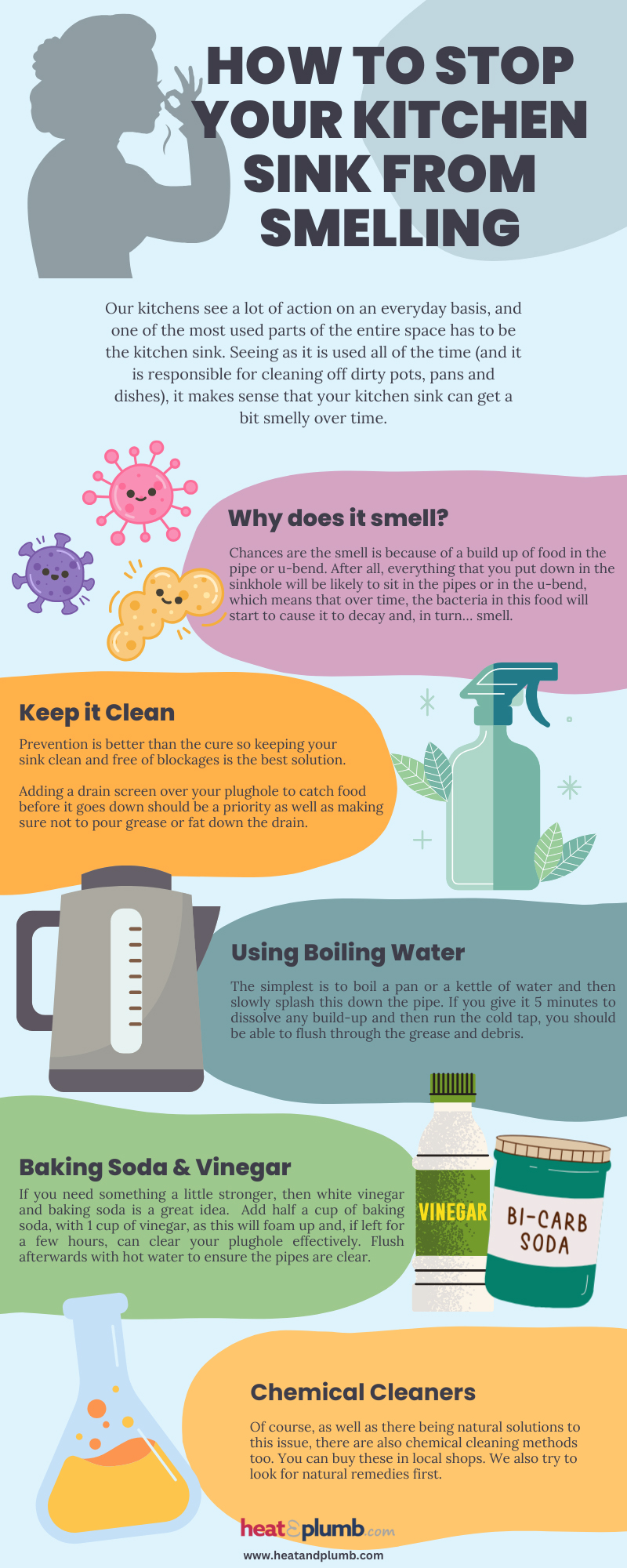
Image Source: www.heatandplumb.com
Why Does My Kitchen Sink Smell?
A smelly sink is a common problem, but knowing the cause helps in finding the right solution. Several factors can contribute to that unpleasant aroma emanating from your kitchen sink drain.
Food Scraps and Grease Buildup
The most frequent culprit is trapped food particles and grease. When you wash dishes, small bits of food, oils, and fats go down the drain. While some of this washes away, remnants can cling to the inside of your pipes and the drain itself. Over time, this organic matter decomposes, producing foul-smelling gases. This buildup can be particularly stubborn and is a primary reason for a smelly sink.
Bacterial Growth
Warm, moist environments are perfect breeding grounds for bacteria. Your kitchen sink pipes, especially with the constant presence of water and organic material, create an ideal habitat for bacteria to thrive. As these bacteria break down the trapped food and grime, they release sulfurous compounds that smell like rotten eggs or sewage.
Clogged Drains
A partially clogged drain is a magnet for debris. If water isn’t flowing freely down your kitchen sink drain, it means waste is accumulating. This stagnant water and decaying matter create the perfect conditions for odors to develop and linger. Even minor clogs can contribute to a persistent bad smell.
Garbage Disposal Issues
If you have a garbage disposal, it can also be a source of sink smells. Food particles that get stuck in the disposal unit, or even residual waste clinging to the blades and under the splash guard, can decompose and produce odors. Without regular cleaning, a garbage disposal can quickly turn into a smelly sink problem.
Hard Water Deposits and Mineral Buildup
In areas with hard water, mineral deposits can accumulate on the inside of your pipes. These deposits can create rough surfaces where food particles and grease can more easily adhere, exacerbating the buildup and leading to odors.
Sewer Gases
Less commonly, a bad smell from your kitchen sink could indicate an issue with your plumbing vent system or a dry P-trap. The P-trap is the U-shaped pipe under your sink that holds water to prevent sewer gases from entering your home. If the water in the P-trap evaporates or is siphoned out, sewer gases can escape and cause a foul odor.
The Magic Duo: Baking Soda and Vinegar for a Fresh Sink
Baking soda (sodium bicarbonate) and vinegar (acetic acid) are a dynamic duo for cleaning and deodorizing. Their chemical reaction creates a fizzing action that can help dislodge grime and neutralize odors. These are considered excellent natural remedies for sink issues.
How Baking Soda Works
Baking soda is a mild abrasive, meaning it can help scrub away residue without damaging your pipes. More importantly, it’s a natural deodorizer. It works by absorbing and neutralizing acidic and alkaline odor molecules, effectively eliminating smells rather than just masking them.
How Vinegar Works
Vinegar is acidic, which helps break down grease, soap scum, and other common sink gunk. Its antimicrobial properties can also help kill some of the odor-causing bacteria. When combined with baking soda, the resulting carbon dioxide gas helps to further agitate and loosen debris.
Getting Rid of Smelly Sink Odors: The Step-by-Step Guide
This method is simple and effective for a smelly sink, and it’s a great alternative to commercial drain cleaner. It can also help in cleaning kitchen pipes and act as a gentle garbage disposal cleaner.
What You’ll Need:
- 1/2 cup of baking soda
- 1 cup of white vinegar
- Hot water (kettle or pot)
- A sink stopper or rag
The Process:
- Clear the Sink: Remove any standing water from the sink. If you have a double sink, you can plug one drain while you treat the other.
- Pour in Baking Soda: Pour the 1/2 cup of baking soda directly down the kitchen sink drain. Try to get as much of it as possible to go down the drain opening itself, rather than just coating the sink basin.
- Add the Vinegar: Slowly pour the 1 cup of white vinegar over the baking soda. You will immediately see a fizzing and bubbling reaction. This is the key to loosening grime.
- Safety Note: Be careful when pouring the vinegar. The fizzing can sometimes cause a bit of splashing.
- Plug the Drain: Immediately place a sink stopper over the drain opening or stuff a rag into it. This traps the reaction and the released gases within the pipes, allowing them to work more effectively on the buildup.
- Let it Sit: Allow the baking soda and vinegar mixture to sit and work its magic for at least 30 minutes, or even longer (up to an hour or overnight for stubborn smells). The longer it sits, the more time it has to break down gunk and neutralize odors.
- Rinse with Hot Water: After the waiting period, remove the stopper or rag. Boil a kettle of water (or heat it on the stove). Carefully and slowly pour the hot water down the drain. This flushes away the loosened debris and the residual baking soda and vinegar.
- Repeat if Necessary: For particularly stubborn smells or significant buildup, you might need to repeat the process.
This method is a fantastic way to clean your kitchen sink drain naturally and tackle that smelly sink issue without harsh chemicals. It helps in cleaning kitchen pipes and is a good first step before considering a stronger drain cleaner.
A Deeper Clean: Enhancing the Baking Soda and Vinegar Method
Want to give your sink an even more thorough cleaning? You can adapt the baking soda and vinegar method for a more intensive approach, especially if you suspect significant buildup or want to give your garbage disposal a good clean.
For Tougher Odors and Clogs: Baking Soda Paste and Boiling Water Flush
This variation focuses on creating a more concentrated cleaning action.
What You’ll Need:
- 1/2 cup baking soda
- 1/4 cup water
- 1 cup white vinegar
- Boiling water
The Process:
- Create the Paste: In a small bowl, mix the 1/2 cup of baking soda with the 1/4 cup of water to form a thick paste.
- Apply the Paste: Carefully spoon this paste directly down the kitchen sink drain, ensuring it coats the drain opening as much as possible.
- Add Vinegar: Pour 1 cup of white vinegar over the baking soda paste. The fizzing reaction will occur again, helping to lift the paste and dislodge grime.
- Let it Sit: Allow this to sit for at least an hour, or even longer if possible.
- Flush with Boiling Water: Slowly pour a pot of boiling water down the drain. This powerful flush will help carry away the loosened debris.
- Follow with Vinegar/Baking Soda: If the smell persists, consider a final rinse with the original baking soda and vinegar method described earlier.
This enhanced method is excellent for tackling persistent smells and can be a very effective garbage disposal cleaner if applied directly into the disposal unit (ensure it’s off and unplugged for safety, and run cold water while doing so).
Cleaning Your Garbage Disposal with Baking Soda and Vinegar
A smelly garbage disposal is a common source of sink odor. These natural methods can help keep it fresh.
Method 1: Ice and Citrus Peels
- Fill with Ice: Fill your garbage disposal with ice cubes.
- Add Vinegar: Pour about 1/2 cup of white vinegar over the ice.
- Run the Disposal: Turn on the cold water, then run the garbage disposal. The ice helps to scour the disposal blades, while the vinegar cleans and deodorizes.
- Citrus Boost: For extra freshness, add a few lemon or orange peels before running the disposal.
Method 2: Baking Soda and Vinegar Flush
- Ensure Disposal is Clear: Make sure there are no large food scraps in the disposal.
- Add Baking Soda: Pour 1/2 cup of baking soda into the disposal.
- Add Vinegar: Pour 1 cup of white vinegar into the disposal. Let it fizz for a few minutes.
- Flush: Run cold water and turn on the disposal.
Regularly using these methods can prevent sink odors from developing in your garbage disposal.
Preventing Sink Odor: Proactive Measures
Once you’ve banished the bad smells, it’s important to prevent sink odor from returning. Consistent, simple habits can make a big difference in maintaining a fresh-smelling kitchen sink drain.
What to Avoid Putting Down the Drain:
- Grease and Oils: Never pour cooking grease, oils, or fats down the sink. They solidify in pipes and create stubborn clogs that trap food particles and cause odors. Wipe greasy pans with a paper towel before washing, or pour grease into a container to discard in the trash.
- Coffee Grounds: While they seem small, coffee grounds don’t dissolve in water and can accumulate, leading to clogs and smells.
- Eggshells: Similar to coffee grounds, eggshells have a membrane that can stick to pipes and contribute to buildup.
- Starchy Foods: Pasta, rice, and potato peels can expand with water and clog drains.
- Fibrous Foods: Celery, corn husks, and onion skins have stringy fibers that can snag on pipe edges and trap other debris.
- Food Scraps in General: Even small food particles can accumulate. Use a sink strainer to catch them before they go down the drain.
Regular Cleaning Habits:
- Daily Rinse: After using the sink, especially after meals, run hot water down the drain for about 30 seconds to help flush away any lingering food particles or grease.
- Weekly Deodorizing: Perform the baking soda and vinegar treatment (or a similar natural cleaning) at least once a week to keep your pipes clean and odor-free. This is a great way to prevent sink odor proactively.
- Clean the Sink Strainer: Make it a habit to empty and rinse your sink strainer daily. This prevents the collected debris from decomposing and smelling.
- Wipe Down the Sink Basin: Regularly clean the sink basin itself, as food particles and grime can accumulate there and contribute to overall odor.
Garbage Disposal Maintenance:
- Run Cold Water: Always run cold water when using the garbage disposal. This helps solidify any grease, allowing it to be ground up and flushed away more easily.
- Avoid Overloading: Don’t put too much food waste down the disposal at once. Feed it slowly, allowing it to process.
- Scrape Plates: Scrape as much food as possible from plates into the trash or compost bin before rinsing them in the sink.
By implementing these preventative measures, you can significantly reduce the chances of developing a smelly sink and keep your kitchen smelling fresh. These habits are key to effective cleaning kitchen pipes and maintaining a healthy plumbing system.
When to Call a Professional
While baking soda and vinegar are powerful natural solutions, there are times when a plumbing professional might be needed. If you’ve tried these methods and the smell persists, or if you suspect a more serious issue, it’s best to consult an expert.
Signs You Might Need a Plumber:
- Persistent Foul Odor: If the bad smell continues even after repeated natural cleaning attempts, it could indicate a deeper problem, such as a sewer line issue, a blocked vent pipe, or a problem with your P-trap that needs professional assessment.
- Slow Drains or Gurgling Sounds: These are often signs of more significant blockages that natural remedies might not be able to clear.
- Multiple Drains Affected: If you notice bad smells or slow drainage in multiple sinks or drains throughout your house, it could point to a main sewer line blockage.
- Sewage Backups: Any indication of sewage backing up into your sinks is a serious plumbing emergency that requires immediate professional attention.
While baking soda and vinegar are excellent for everyday maintenance and tackling common sink smells, they are not a substitute for professional plumbing services when more complex issues arise. They are, however, a fantastic first line of defense and an environmentally friendly way to keep your kitchen sink fresh.
Frequently Asked Questions About Smelly Sinks
Here are some common questions people have about getting rid of sink odors and using natural cleaning methods.
Q1: How often should I use baking soda and vinegar to clean my kitchen sink drain?
It’s generally recommended to use the baking soda and vinegar method once a week for regular maintenance and to prevent sink odor. If you have a persistent smell or notice slow draining, you might need to do it more frequently for a short period.
Q2: Can I use baking soda and vinegar if I have a septic system?
Yes, baking soda and vinegar are generally safe for septic systems. Unlike harsh chemical drain cleaners, they are biodegradable and do not contain chemicals that can harm the beneficial bacteria in your septic tank. However, it’s always a good idea to check with your septic system manufacturer or a professional if you have any concerns.
Q3: Will baking soda and vinegar damage my pipes?
No, when used as directed, baking soda and vinegar are safe for most types of plumbing pipes, including PVC, copper, and galvanized steel. The fizzing reaction is mild and designed to clean, not corrode.
Q4: What if the smell is like rotten eggs?
A rotten egg smell is often caused by hydrogen sulfide gas, which is produced by the breakdown of organic matter and certain bacteria. Baking soda and vinegar are very effective at neutralizing these sulfurous compounds.
Q5: Can I pour boiling water down my drain after using a chemical drain cleaner?
It’s generally not recommended to pour boiling water down the drain immediately after using a chemical drain cleaner. Some chemical cleaners can react with extreme heat, potentially causing damage to pipes or creating hazardous fumes. Always follow the instructions on the chemical cleaner’s packaging carefully. For natural cleaning, boiling water is perfectly fine.
Q6: My kitchen sink still smells after using baking soda and vinegar. What else can I do?
If the smell persists, try repeating the baking soda and vinegar treatment, perhaps leaving it overnight. You can also try adding a few drops of dish soap with the baking soda and vinegar for added grease-cutting power. If all natural remedies fail, the blockage or odor source might be more significant and require a professional plumber to investigate. This could mean you need a more powerful garbage disposal cleaner or a more thorough cleaning of your kitchen pipes.
Q7: Is there anything better than baking soda and vinegar for a really smelly sink?
For very stubborn smells or more significant clogs, you might consider a commercial enzyme-based drain cleaner. These cleaners use beneficial bacteria and enzymes to break down organic waste without using harsh chemicals. However, the baking soda and vinegar method is often sufficient and is a great starting point for a smelly sink.
By understanding the causes and employing these effective, natural solutions, you can say goodbye to that unpleasant kitchen sink smell and enjoy a fresher, cleaner kitchen. Regular maintenance is key to preventing sink odor and keeping your kitchen sink drain in good working order.