
Can you keep mice out of kitchen drawers permanently? Yes, by implementing a multi-pronged strategy that includes sealing entry points, removing attractants, and utilizing effective deterrents, you can permanently keep mice out of kitchen drawers.
Mice in the kitchen are more than just a nuisance; they pose a serious health risk and can cause significant damage to your home and food supplies. The cozy, dark environment of kitchen drawers, often filled with crumbs and forgotten edibles, is a prime target for these persistent pests. If you’re wondering how to keep mice out of kitchen drawers for good, you’ve come to the right place. This comprehensive guide will equip you with the knowledge and tools needed for effective mouseproofing kitchen drawers and overall rodent prevention kitchen.
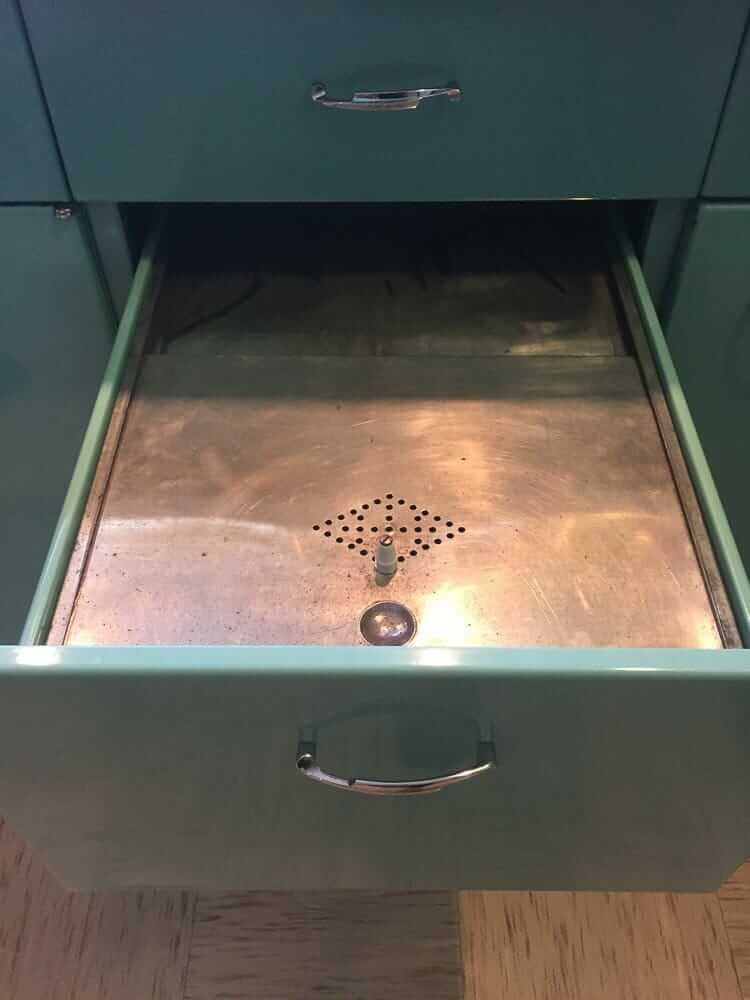
Image Source: retrorenovation.com
Why Mice Seek Refuge in Your Kitchen Drawers
Before we dive into solutions, it’s helpful to grasp why mice are so drawn to your kitchen drawers. These small rodents are opportunists. Your kitchen offers a buffet of delicious food scraps and a warm, safe place to nest.
- Food Availability: Even tiny crumbs, spilled sugar, or grease splatters are a feast for a mouse. Kitchen drawers, especially those holding utensils, spices, or baking supplies, are often the last place food residue is cleaned thoroughly.
- Shelter and Warmth: Mice are looking for a safe, sheltered place to live, breed, and store food. Kitchen drawers provide protection from predators and the elements, offering a perfect nesting site.
- Proximity to Resources: Drawers are conveniently located near the kitchen’s main food sources, minimizing the distance a mouse has to travel for sustenance.
Identifying the Signs of Mouse Infestation in Drawers
The first step in solving any problem is recognizing its presence. Early detection is key to preventing a full-blown infestation and making mouseproofing kitchen drawers much easier.
Common Indicators
- Droppings: Small, dark, pellet-shaped droppings are the most common sign. You might find them in drawers, on countertops, or along baseboards.
- Gnaw Marks: Mice have continuously growing teeth. They will gnaw on almost anything to keep their teeth filed down, including wooden drawer interiors, packaging, and even electrical wires.
- Nesting Materials: Shredded paper, fabric scraps, or insulation found in or around drawers can indicate a mouse nest.
- Scurrying Noises: You might hear faint scurrying or scratching sounds, especially at night, coming from within your cabinets or drawers.
- Greasy Smudges: As mice travel along the same paths, their body oils can leave greasy marks on surfaces, including the edges of drawers and cabinets.
The Foundation of Prevention: Sealing Entry Points
To effectively keep mice out of kitchen drawers, you must first address how they are getting into your kitchen in the first place. Mice can squeeze through surprisingly small openings.
Outdoor Entry Points to Inspect
- Cracks and Crevices: Check the foundation of your home, around windows, doors, and utility line penetrations for any gaps larger than a quarter-inch.
- Vents and Gaps: Unscreened vents, dryer vents, or gaps around pipes can all serve as entry points.
- Door and Window Seals: Ensure doors and windows have tight-fitting weather stripping and that there are no gaps at the bottom.
Indoor Entry Points to Secure
- Wall Cavities and Gaps: Mice can travel within walls. Seal any openings where pipes or wires enter walls.
- Baseboards and Trim: Gaps between baseboards and walls can allow mice to move freely.
- Cabinet and Drawer Gaps: Examine the seams and edges of your kitchen cabinets and drawers.
How to Seal Kitchen Drawers and Cabinets Effectively
Once you’ve identified potential entry points, it’s time to seal them. This is a critical step in mouseproofing kitchen drawers and preventing mice from accessing your food.
Materials for Sealing
- Steel Wool: Mice cannot chew through steel wool, making it an excellent material for filling small holes and gaps. Pack it tightly into openings.
- Caulk: Use a good quality silicone caulk to seal smaller cracks and crevices around pipes and wires.
- Expanding Foam Sealant: For larger holes, expanding foam can be effective, but it should be covered with another material like sheet metal or wire mesh once cured, as mice can sometimes chew through cured foam.
- Metal Flashing/Hardware Cloth: For larger openings or areas susceptible to frequent gnawing, use pieces of metal flashing or sturdy hardware cloth (1/4-inch mesh or smaller) to create a barrier.
Sealing Strategy for Drawers and Cabinets
- Thorough Inspection: Before sealing, carefully inspect the interior and exterior of all kitchen drawers and cabinets. Look for any signs of gnawing or damage that indicates a previous entry or exit. Pay close attention to the corners, edges, and where drawer slides connect.
- Seal Drawer Slides and Runners: Often, mice can enter through the small gaps where drawer slides are attached to the cabinet frame. Use steel wool or caulk to fill these gaps securely.
- Address Drawer Corners and Edges: If you notice small gnaw marks or gaps on the edges of wooden drawers, you can reinforce these areas with thin strips of metal flashing, secured with small screws or staples. This creates a chew-proof barrier.
- Cabinet Gaps: Ensure there are no gaps between cabinet frames and walls or floors. Seal these with caulk or steel wool.
- Back of Cabinets: Sometimes, mice enter cabinets from behind. If accessible, check the back of cabinets and seal any openings leading into the walls.
Eliminating Food Sources: The Ultimate Deterrent
Mice are driven by their need for food. To keep mice from food, you must make your kitchen an unappealing dining destination. This is a crucial part of pantry pest control and overall rodent prevention kitchen.
Smart Food Storage Practices
- Airtight Containers are Key: This is the most important step to seal food storage. Store all dry goods – flour, sugar, pasta, cereal, rice, pet food, etc. – in sturdy, airtight containers made of glass, metal, or thick plastic. Mice can chew through cardboard boxes, plastic bags, and thin plastic containers with ease.
- Clean Up Spills Immediately: Don’t leave crumbs or spills on counters, floors, or inside cabinets. Wipe surfaces thoroughly after every meal preparation and cooking session.
- Secure Trash Cans: Use trash cans with tight-fitting lids, both indoors and outdoors. Empty them regularly, especially before bedtime.
- Pet Food Management: Never leave pet food out overnight. Store it in airtight containers, and clean pet bowls after meals.
- Rinse Recyclables: Rinse out jars and cans before placing them in recycling bins to remove any food residue.
- Clean Under Appliances: Don’t forget to clean regularly under and behind refrigerators, stoves, and dishwashers, as fallen food particles can accumulate there.
Maintaining a Clean Kitchen Environment
A clean kitchen is a less attractive kitchen for mice. Regular cleaning is a vital component of kitchen pest control.
Deep Cleaning Strategies
- Regular Pantry Purges: Periodically go through your pantry and drawers, discarding any old or damaged food packaging. Check for signs of gnawing or droppings on food items themselves.
- Wipe Down Drawer Interiors: Even if you store food in airtight containers, it’s wise to occasionally empty and wipe down the interiors of your kitchen drawers, especially those used for spices, baking supplies, or utensils. This removes any trace scents or microscopic food particles that might attract mice.
- Clean Behind Appliances: As mentioned, this area is often overlooked but can be a haven for mice if food debris collects there.
Trapping and Removal: When Prevention Isn’t Enough
Despite your best efforts, sometimes mice still find a way in. In these cases, humane trapping or removal methods can be necessary to eliminate mice from kitchen.
Effective Trapping Methods
- Snap Traps: These are a common and effective method. Use them with enticing bait like peanut butter, cheese, or a small piece of bacon. Place traps perpendicular to walls, with the bait side facing the wall, as mice tend to travel along edges.
- Glue Traps: While effective at catching mice, glue traps are often considered inhumane as the animal suffers a slow death. If you choose to use them, check them frequently.
- Live Traps: These traps capture mice alive, allowing you to release them elsewhere. Ensure you release them at least a few miles from your home to prevent them from returning. Check live traps daily.
Baiting Strategy
The right bait can significantly increase your trapping success. Consider:
- Peanut Butter: A classic and highly effective bait.
- Nuts and Seeds: Mice are naturally attracted to these.
- Chocolate: A small piece can be very enticing.
- Oatmeal: Plain rolled oats are also a good attractant.
Placement of Traps
- Along Walls: Mice prefer to run along walls. Place traps parallel to walls, about 5-10 feet apart.
- Near Droppings or Gnaw Marks: Target areas where you’ve seen evidence of mice.
- Inside Cabinets and Drawers (with caution): If you suspect mice are specifically targeting a drawer, you can place traps inside, but ensure they are secured and won’t fall or damage anything.
Deterrents: Discouraging Mice from Your Kitchen
Beyond sealing and cleaning, there are natural and commercial deterrents you can use to deter rodents from drawers.
Natural Deterrents
- Peppermint Oil: Mice have a strong aversion to the scent of peppermint. Soak cotton balls in pure peppermint oil and place them in and around drawers, cabinets, and potential entry points. Reapply the oil weekly as the scent fades.
- Clove Oil: Similar to peppermint oil, the strong scent of cloves can repel mice.
- Bay Leaves: Some anecdotal evidence suggests mice dislike the smell of bay leaves. Scatter them in drawers and cabinets.
Commercial Deterrents
- Ultrasonic Repellers: These devices emit high-frequency sound waves that are supposed to be unpleasant for rodents. Their effectiveness is debated, and mice may become accustomed to the sound over time.
- Rodent Repellent Sprays: Many commercially available sprays use essential oils like peppermint or eucalyptus. Follow product instructions carefully.
Mice in the Pantry: Specific Strategies for Pantry Pest Control
The pantry is a high-risk area for mice due to the concentration of food. Effective pantry pest control is vital to keep mice from food.
Pantry Organization
- Elevate Shelving: If possible, store items on shelves that are at least a foot off the floor.
- Regular Inspections: Make it a habit to check your pantry shelves regularly for any signs of infestation on food packaging or the shelves themselves.
- FIFO (First-In, First-Out): Rotate your pantry stock to ensure older items are used first. This prevents food from sitting for extended periods, becoming stale and potentially attracting pests.
What About Mice in Drawers with Utensils or Linens?
Even drawers not used for food storage can attract mice if they offer a cozy nesting spot or if there’s residual scent from previous food contact.
Making These Drawers Uninviting
- Thorough Cleaning: Even if you don’t store food here, give these drawers a good clean. Wipe down the interiors to remove any dust or accidental food particles.
- Sealing Gaps: As with food drawers, ensure all gaps and openings around these drawers are sealed.
- Repellent Placement: Consider placing a cotton ball soaked in peppermint oil in these drawers, especially if you’ve noticed activity.
- Avoid Cardboard or Soft Nesting Materials: If you store fabric items, ensure they are clean and free from any food residue. Mice are less likely to nest in drawers filled with clean, smooth materials rather than soft, easily shreddable ones.
When to Call a Professional
While DIY methods are effective for minor issues, a persistent or severe mouse problem might require professional help. A pest control expert can identify hidden entry points, implement targeted treatment plans, and offer advice tailored to your specific situation. They are essential for truly eliminating mice from kitchen spaces.
Summary Table: Key Strategies for Mouse-Free Kitchen Drawers
| Strategy | Key Actions | Benefits |
|---|---|---|
| Seal Entry Points | Inspect and seal cracks, gaps, and holes with steel wool, caulk, or metal flashing. | Prevents mice from entering the home and kitchen. |
| Secure Food Storage | Store all food in airtight glass, metal, or thick plastic containers. | Eliminates primary attractants, making food inaccessible. |
| Maintain Cleanliness | Clean spills immediately, empty trash regularly, clean under appliances, and conduct regular pantry clean-outs. | Removes food sources and scent trails, making the kitchen less appealing. |
| Strategic Trapping | Use snap traps or live traps with effective bait (peanut butter, nuts) and place them strategically along walls. | Removes existing mice from the environment. |
| Utilize Deterrents | Use natural deterrents like peppermint oil or commercial repellents in and around drawers and cabinets. | Discourages mice from entering or nesting in specific areas. |
| Drawer & Cabinet Specifics | Seal drawer slides, reinforce corners with metal, wipe drawer interiors, and avoid storing easily shreddable materials. | Creates specific barriers and deterrents within the drawers themselves. |
| Professional Help | Contact pest control services for severe infestations or persistent problems. | Provides expert assessment, targeted solutions, and comprehensive kitchen pest control. |
Frequently Asked Questions About Keeping Mice Out of Kitchen Drawers
Q1: How do I know if mice are in my kitchen drawers and not just in the walls?
A1: You’ll likely find mouse droppings directly inside the drawers, gnaw marks on the drawer materials or stored items, or nesting materials. Scurrying noises specifically emanating from the drawer area are also a strong indicator.
Q2: Can I use mothballs to keep mice out of kitchen drawers?
A2: While mothballs have a strong smell that might deter mice initially, they are not recommended for use in kitchens or around food. Mothballs contain toxic chemicals (naphthalene or paradichlorobenzene) that can contaminate food and pose health risks to humans and pets. Natural deterrents like peppermint oil are safer alternatives.
Q3: What is the best bait for mouse traps in kitchen drawers?
A3: Peanut butter is a universally effective bait. Other good options include small pieces of nuts, seeds, chocolate, or even a small piece of jerky. The key is to use something with an appealing scent and texture.
Q4: How often should I check my kitchen drawers for signs of mice?
A4: It’s a good practice to visually inspect your kitchen drawers, especially those used for food or storing dry goods, at least once a month. If you suspect a problem, check weekly or even daily.
Q5: I’ve sealed everything, but mice still seem to get into my drawers. What am I missing?
A5: Mice are incredibly resourceful. Double-check for even the smallest gaps, especially around drawer slides, hinges, and where the drawer box meets the frame. Also, ensure your food storage is completely airtight, as mice may be bypassing drawer seals to get to food directly. Sometimes, a persistent issue might indicate a larger structural problem or a more significant infestation within the home’s walls.
By diligently applying these strategies, you can effectively eliminate mice from kitchen spaces and ensure your drawers remain a clean, safe, and mouse-free zone for good. Consistent effort in mouseproofing kitchen drawers, rodent prevention kitchen practices, and meticulous seal kitchen drawers will create a lasting barrier against these unwelcome visitors.