
Can you get rid of roaches in kitchen appliances? Yes, you absolutely can! This guide will show you how to tackle a roach infestation appliances presents, focusing on kitchen appliance pest control to remove roaches from oven, get rid of roaches in microwave, and effectively deal with cleaning roaches out of fridge. We’ll cover everything from deep cleaning to natural remedies for appliance sanitation roaches and complete exterminating roaches appliances.
Roaches in the kitchen are a homeowner’s nightmare. They’re not just unpleasant to look at; they can also spread germs and trigger allergies. When these unwelcome guests start setting up shop inside your kitchen appliances, the problem becomes even more frustrating and challenging to solve. Appliances like ovens, microwaves, refrigerators, and toasters offer warmth, moisture, and often, leftover food particles – a perfect haven for these resilient pests. Dealing with a roach infestation appliances harbor requires a systematic and thorough approach. This guide is designed to be your ultimate resource for cockroach removal kitchen appliances.
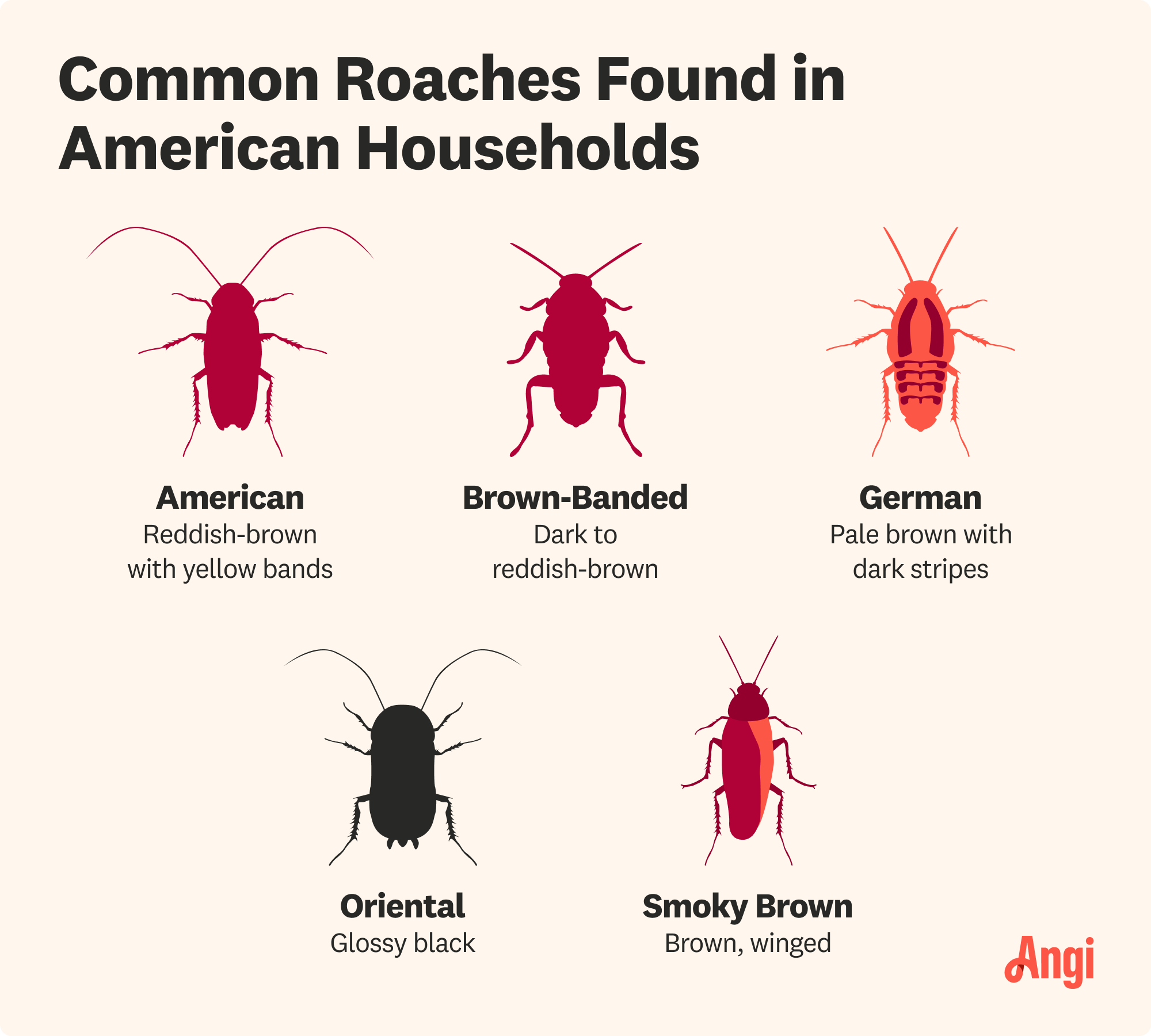
Image Source: media.angi.com
Why Roaches Love Your Kitchen Appliances
Before we dive into the “how,” let’s briefly touch on the “why.” Kitchen appliances are prime real estate for roaches due to several factors:
- Food Sources: Even tiny crumbs or spills can attract roaches. Think about forgotten bits of food in toaster slots, under oven racks, or even dried-on spills inside a microwave.
- Water Sources: Refrigerators often have drip pans that can collect water. Dishwashers, even when not in use, can retain moisture. Roaches need water to survive.
- Warmth and Shelter: Appliances like ovens, toasters, and refrigerators (especially the motor area) generate heat, providing a cozy environment. The nooks and crannies offer excellent shelter from predators and disturbances.
- Darkness: Roaches are nocturnal and prefer dark, undisturbed spaces, which are abundant within the workings of appliances.
Identifying the Problem: Signs of Roaches in Appliances
The first step in tackling a roach infestation appliances create is recognizing the signs. You might not see the roaches themselves, as they are often nocturnal. Look for:
- Droppings: These look like small, dark specks, often resembling black pepper or coffee grounds. You’ll find them along appliance edges, inside, or on surfaces around them.
- Egg Cases (Oothecae): These are small, brown, capsule-like structures. If you find them, it means roaches are breeding.
- Musty Odor: A significant roach infestation can produce a distinct, unpleasant, musty smell.
- Shed Skins: Roaches shed their exoskeletons as they grow. Finding these translucent casings is a sure sign of their presence.
- Live Roaches: The most obvious sign, but often seen only at night or if the infestation is severe.
Tackling Roaches in Specific Appliances: A Detailed Breakdown
Let’s get down to business and address how to get rid of roaches in kitchen appliances for each common culprit.
3.1. Getting Rid of Roaches in the Oven
Ovens are a common spot for roach activity due to residual heat and potential food debris. Remove roaches from oven requires careful attention.
3.1.1. Preparation and Safety First
- Unplug the Oven: For electric ovens, always unplug the appliance before starting any cleaning or pest control. For gas ovens, turn off the gas supply. Safety is paramount.
- Empty the Oven: Remove all racks, trays, and any visible debris.
3.1.2. Deep Cleaning for Roach Removal
This is where deep cleaning kitchen appliances roaches become critical.
- Remove Racks and Trays: Wash these thoroughly in hot, soapy water. You can also soak them in a diluted bleach solution (1 part bleach to 10 parts water) for an hour, then rinse well.
- Clean the Interior:
- Scrape Away Debris: Use a plastic scraper or spatula to remove any dried food particles, grease, or carbonized bits from the oven walls, bottom, and door.
- Degrease: A strong degreaser is your best friend here. Apply it to the interior surfaces, let it sit for the recommended time, and then wipe it down with damp cloths or sponges. Ensure you rinse thoroughly to remove all degreaser residue.
- Steam Cleaning (Optional but Effective): Place an oven-safe bowl filled with water and a tablespoon of white vinegar inside the oven. Heat the oven to about 250°F (120°C) for 30 minutes. The steam will loosen grime, making it easier to wipe away.
- Focus on Cracks and Crevices: Roaches love to hide. Use an old toothbrush or a small brush to dislodge any debris from seals, heating element housings, and other tight spots.
- Clean the Door Seals and Glass: These areas can harbor eggs and droppings. Use a mixture of baking soda and water to form a paste, apply it to the seals and glass, let it sit for a while, then wipe clean.
3.1.3. Roach Deterrents and Treatments for Ovens
After cleaning, consider these methods:
- Diatomaceous Earth (Food-Grade): This is a natural roach remedy appliances can benefit from. Lightly dust food-grade diatomaceous earth in areas where roaches might travel within the oven cavity, especially around the heating elements (ensure the oven is completely cool and unplugged). This powder damages their exoskeletons.
- Roach Baits: Place roach bait stations in discreet locations outside the oven, near its base or vents, if accessible. Do not place baits inside the cooking surfaces.
- Sealing Entry Points: Inspect the oven for any cracks or holes in the casing that might allow roaches in or out. Seal these with caulk or sealant.
3.2. Getting Rid of Roaches in the Microwave
Microwaves are often overlooked, but splatters and crumbs can attract roaches. Get rid of roaches in microwave is straightforward with a good cleaning.
3.2.1. Safety Precautions
- Unplug the Microwave: Always disconnect the power before cleaning.
3.2.2. Thorough Cleaning Steps
- Remove Turntable and Support: Take out the glass turntable and the roller ring. Wash them in hot, soapy water.
- Clean the Interior:
- Steam Power: Place a microwave-safe bowl with 1 cup of water and 1 tablespoon of white vinegar or lemon juice inside. Microwave on high for 5 minutes, or until the window steams up. Let it sit for another 5-10 minutes with the door closed to allow the steam to loosen debris. Carefully remove the bowl and wipe down the interior walls, ceiling, and turntable base with a damp cloth or sponge.
- Tackle Stubborn Spots: For dried-on food, use a paste of baking soda and water. Apply, let it sit for a few minutes, then wipe clean.
- Wipe Down Exterior and Seals: Pay attention to the door seals, control panel, and vents. Use a mild all-purpose cleaner and a damp cloth.
3.2.3. Preventing Future Infestations in Microwaves
- Wipe Up Spills Immediately: Don’t let splatters sit.
- Cover Food: Use a microwave-safe cover when heating food to prevent messes.
- Check Seals: Ensure the door seals are intact and clean to prevent roaches from entering.
3.3. Cleaning Roaches Out of the Refrigerator
Refrigerators offer a cool environment but can still attract roaches due to condensation and dropped food. Cleaning roaches out of fridge requires attention to detail.
3.3.1. Essential Safety Measures
- Unplug the Refrigerator: Crucial for safety.
- Empty Contents: Remove all food items. Store perishables in a cooler. Discard any food that shows signs of contamination or proximity to roaches.
3.3.2. Comprehensive Cleaning Process
- Remove Shelves and Drawers: Take out all removable parts. Wash them thoroughly in hot, soapy water. For tougher grime or disinfection, you can use a diluted vinegar solution or a mild bleach solution (rinse thoroughly).
- Clean the Interior:
- Wipe Down Surfaces: Use a solution of warm water and mild dish soap to wipe down all interior surfaces – walls, ceiling, floor, and door.
- Address Condensation and Drips: Pay close attention to areas where condensation might form.
- The Drip Pan is Key: This is a critical area for appliance sanitation roaches might exploit. Locate the drip pan (usually at the bottom, behind a kick plate). Carefully remove it (it might contain stagnant water and debris). Empty it, clean it thoroughly with hot, soapy water, and consider a disinfectant. Ensure it’s dried completely before replacing to prevent mold growth.
- Clean Door Seals: Use a damp cloth with a mild cleaner to wipe down the rubber door seals. Ensure they are free of debris, as roaches can hide here.
- Clean the Exterior: Wipe down the outside of the fridge, including handles and control panels.
3.3.3. Deterrents for Refrigerators
- Seal Cracks: Inspect the exterior and interior for any cracks or openings, especially around vents or tubing. Seal them with silicone caulk.
- Keep the Area Around the Fridge Clean: Don’t let food debris accumulate behind or underneath the refrigerator.
3.4. Dealing with Roaches in Other Appliances (Toasters, Coffee Makers, etc.)
Smaller appliances can also be targets for roaches.
- Toasters: Unplug. Turn the toaster upside down and shake out crumbs vigorously. Use a small brush or compressed air to clear out stubborn debris from heating elements.
- Coffee Makers: Unplug. Disassemble removable parts and wash them. Run a cleaning cycle with water and vinegar to clean the internal tubing. Descale regularly.
- General Approach: For most small appliances, unplugging, emptying, thoroughly cleaning with appropriate cleaners, and drying are key steps in exterminating roaches appliances might harbor.
Natural Roach Remedies for Appliances
For those who prefer natural roach remedies appliances, there are several effective options:
- Diatomaceous Earth (Food-Grade): As mentioned, this is excellent. Apply a thin layer in cracks, crevices, and behind appliances. It dehydrates roaches by damaging their outer shell.
- Boric Acid: Similar to DE, boric acid is a desiccant and stomach poison for roaches. Apply it as a fine dust in areas roaches frequent, but keep it away from food preparation surfaces and out of reach of children and pets.
- Baking Soda and Sugar: Mix equal parts baking soda and sugar. Place this mixture in small dishes or bottle caps in areas where you see roach activity. The sugar attracts them, and the baking soda causes internal distress.
- Vinegar: While not a direct killer, vinegar (especially white vinegar) is a great disinfectant and cleaner that can remove roach pheromone trails, making it harder for them to navigate.
- Essential Oils: Peppermint, eucalyptus, and tea tree oil can act as repellents. Mix a few drops with water in a spray bottle and spray around appliance bases.
When to Call the Professionals
Despite your best efforts with deep cleaning kitchen appliances roaches, some infestations are too severe to handle alone. If you notice:
- A widespread problem throughout your kitchen, not just in appliances.
- Roaches appearing in large numbers, even after cleaning.
- Persistent signs of infestation despite multiple treatment attempts.
It’s time to consider exterminating roaches appliances are affected by with professional help. A pest control expert can identify the specific species of roach, locate their primary hiding places, and implement targeted treatments that are safe and effective.
Prevention is Key: Keeping Roaches Out of Appliances
Once you’ve successfully executed cockroach removal kitchen appliances needed, the focus shifts to prevention.
- Maintain Immaculate Kitchen Hygiene:
- Wipe down counters and appliance surfaces daily.
- Clean up spills and crumbs immediately.
- Regularly clean under and behind appliances.
- Empty trash cans frequently and keep them sealed.
- Don’t leave dirty dishes in the sink overnight.
- Seal Entry Points:
- Caulk cracks and crevices in walls, baseboards, and around pipes.
- Ensure window and door screens are intact.
- Proper Food Storage:
- Store food in airtight containers.
- Avoid leaving pet food out overnight.
- Reduce Moisture:
- Fix leaky pipes and faucets promptly.
- Ensure good ventilation in the kitchen.
- Wipe down surfaces that tend to get damp.
- Regular Appliance Maintenance:
- Check appliance seals for damage.
- Clean drip pans and vents regularly as part of your appliance sanitation roaches prevention plan.
Frequently Asked Questions (FAQ)
Q1: How do I know if roaches are inside my appliances?
A: Look for droppings (like black pepper), egg cases, shed skins, or a musty odor. You might also see live roaches at night or if the infestation is severe.
Q2: Can I use bug spray directly inside my kitchen appliances?
A: It is generally not recommended to use chemical bug sprays directly inside appliances, especially those used for cooking or food storage. This can contaminate food surfaces and pose health risks. Focus on cleaning and targeted baits placed outside the appliance or in designated bait stations.
Q3: Are natural remedies as effective as chemical treatments?
A: Natural remedies like diatomaceous earth and boric acid can be very effective for smaller infestations or as part of an integrated pest management plan. For severe infestations, professional chemical treatments might be more potent.
Q4: How often should I deep clean my appliances for pest prevention?
A: Aim for a thorough cleaning of appliance interiors at least every 3-6 months. Daily wiping of surfaces and immediate spill cleanup are crucial for ongoing prevention. Pay special attention to drip pans and seals during regular cleaning routines.
Q5: What’s the most important step in removing roaches from kitchen appliances?
A: The most important step is thorough cleaning. Removing food sources, moisture, and hiding places makes appliances less attractive to roaches and significantly aids in their removal.
By following this comprehensive guide, you can effectively tackle roach infestation appliances present in your kitchen, ensuring a cleaner, healthier, and more pest-free home. Remember, persistence and a systematic approach are key to achieving a lasting solution.