
Falls in the kitchen are a common concern, but can I prevent them? Yes, you absolutely can prevent kitchen falls by taking proactive steps. This guide will offer detailed kitchen safety tips to help you prevent slip and fall incidents. We’ll cover everything from floor maintenance to proper footwear, aiming for maximum kitchen accident prevention and fall hazard reduction. This is especially important for elderly kitchen safety, but beneficial for everyone.
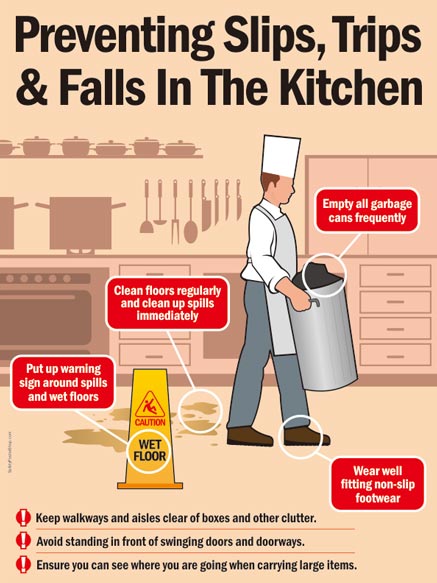
Image Source: www.safetypostershop.com
Keeping Floors Safe
The kitchen floor is a prime area for accidents. Many falls happen because of slick or uneven surfaces. Let’s look at ways to make your kitchen floors safer.
The Importance of Kitchen Floor Mats
Kitchen floor mats are more than just decoration. They are critical safety tools.
Choosing the Right Mats
- Material Matters: Look for mats made of rubber or a non-slip material. These offer excellent grip, even when wet. Avoid mats with smooth plastic or fabric tops that can become slippery.
- Size and Placement: Ensure mats are large enough to cover high-traffic areas, like in front of the sink, stove, and prep counters. They should extend far enough to catch drips.
- Edge Design: Mats with beveled edges are less likely to curl up, reducing the risk of tripping. Avoid mats with thick, raised edges that can be a tripping hazard themselves.
- Easy to Clean: Spills are common in kitchens. Choose mats that are easy to wipe down or even machine washable to keep them clean and slip-free.
Keeping Mats Secure
Even the best mats can cause falls if they slide.
- Secure Backing: Always check that the mat has a non-slip backing.
- Adhesive Solutions: For mats that tend to move, consider using double-sided carpet tape or a rug gripper spray specifically designed for floor mats. Test these in an inconspicuous area first.
- Regular Checks: Periodically check your mats to ensure they are still lying flat and securely in place.
Tackling Kitchen Spill Cleanup Promptly
A wet floor is a slippery floor. Immediate kitchen spill cleanup is crucial for prevent slip and fall occurrences.
Creating a Spill Response Kit
Keep a dedicated spill kit handy. This could include:
- Paper towels or absorbent cloths
- A mop and bucket (or a spray mop)
- A floor cleaner suitable for your flooring type
- A “Wet Floor” sign
Spill Cleanup Best Practices
- Act Fast: Don’t delay in cleaning up any spills, no matter how small.
- Use the Right Tools: For liquids, use absorbent materials first. Then, clean the area with a suitable cleaner.
- Dry Thoroughly: Ensure the area is completely dry before allowing foot traffic.
- Use Warning Signs: If you can’t dry the area immediately, place a “Wet Floor” sign to alert others.
Dealing with Other Floor Hazards
Beyond spills, other things can make floors dangerous.
Water and Grease Traps
- Dishwasher Leaks: Ensure your dishwasher is properly installed and doesn’t leak.
- Sink Leaks: Fix any leaks around the sink promptly.
- Grease Splatter: Be mindful of grease splattering from cooking. Use splatter guards and clean up any grease spots immediately.
Crumbs and Debris
- Sweep Regularly: Even small crumbs can make a floor slick. Sweep or vacuum your kitchen floor daily.
- Clear Pathways: Make sure no items are cluttering the floor.
Ensuring Footwear Safety
What you wear on your feet in the kitchen makes a big difference. Proper footwear is a key part of kitchen accident prevention.
The Benefits of Non-Slip Shoes Kitchen
Wearing non-slip shoes kitchen environments is highly recommended. These shoes are designed with specialized sole patterns that provide superior grip, even on wet or oily surfaces.
Features to Look For
- Grip-Focused Soles: Look for shoes with deep treads and a sticky rubber compound. The sole pattern should offer multiple points of contact with the floor.
- Closed Toes and Heels: These offer protection from dropped items and prevent feet from slipping out of the shoes.
- Good Arch Support: Comfortable shoes can prevent fatigue, which can lead to clumsiness.
- Water-Resistant Materials: If you often work with liquids, shoes that repel water are a good choice.
When to Wear Non-Slip Shoes
While wearing them all the time might not be practical for everyone, consider wearing non-slip shoes kitchen use when:
- You are doing a lot of cooking or cleaning.
- The floor is damp or recently mopped.
- You have conditions that affect your balance.
- You are preparing meals for guests.
Avoiding Slippery Footwear
- Bare Feet: While seemingly safe, bare feet can be vulnerable to sharp objects and can also slip on slick surfaces.
- Socks: Socks offer very little grip and can easily lead to slips, especially on smooth floors.
- Slippers: Many house slippers have smooth soles that offer poor traction.
Securing Rugs and Mats
While mats can help, loose rugs can be just as dangerous. Proper handling of secure rugs kitchen areas is vital.
Why Secure Rugs are Essential
- Trip Prevention: Rugs that bunch up or slide are major tripping hazards. This is a critical aspect of trip prevention kitchen activities.
- Stability: Secure rugs provide a stable surface to stand on, especially during activities like chopping or reaching for items.
Methods for Securing Rugs
- Rug Grippers/Underlays: These are designed specifically to go under rugs. They provide friction against the floor and prevent the rug from shifting.
- Double-Sided Tape: For smaller rugs or runners, strong double-sided tape can be used around the edges. Ensure the tape is suitable for your floor type to avoid damage.
- Rug Corner Grippers: These small, adhesive pieces can be attached to the underside of rug corners to help them stay flat.
- Heavy Furniture: In some cases, placing heavy kitchen furniture like tables or chairs on the edges of rugs can help hold them in place, but ensure this doesn’t create new tripping hazards.
Maintaining a Clutter-Free Kitchen
Clutter is a silent contributor to falls. Keeping your kitchen tidy is a key part of fall hazard reduction.
Clear Pathways
- Floor Space: Keep aisles and walkways clear of appliances, boxes, bags, or any other items that could be tripped over.
- Appliance Cords: Ensure appliance cords are not running across walkways where they can be a tripping hazard. Use cord covers or keep them neatly tucked away.
Organized Storage
- Countertops: Avoid overcrowding countertops with appliances or utensils that can spill onto the floor.
- Cabinets and Drawers: Store items logically so you don’t have to reach precariously or pull things out that might fall.
Proper Lighting
Good lighting is essential for seeing potential hazards.
- Bright Illumination: Ensure your kitchen is well-lit. This includes overhead lighting, under-cabinet lighting, and task lighting at prep areas.
- Night Lights: Consider night lights in the kitchen, especially if you or someone in your household uses it at night.
Kitchen Safety for Specific Groups
Certain individuals may have a higher risk of falling in the kitchen.
Elderly Kitchen Safety
For older adults, elderly kitchen safety is a significant concern. Age can bring changes in balance, vision, and strength, increasing fall risks.
Adapting the Kitchen for Seniors
- Sturdy Seating: Provide a stable chair or stool with armrests for resting while cooking or preparing food.
- Easy-to-Reach Storage: Store frequently used items in easily accessible cabinets between waist and shoulder height. Avoid high shelves or low drawers that require bending or stretching.
- Lever-Style Faucets: These are easier to operate than knobs, especially for those with arthritis.
- Grab Bars: Consider installing grab bars near the sink or stove for extra support.
- Non-Slip Flooring: If possible, opt for flooring with a high coefficient of friction, and ensure existing flooring is well-maintained.
Food Preparation Assistance
- Pre-Cut Ingredients: Utilize pre-cut vegetables or ask for assistance with tasks requiring fine motor skills.
- Lightweight Utensils: Use lightweight pots, pans, and utensils that are easier to handle.
- Adaptive Tools: Tools like jar openers or electric can openers can make kitchen tasks less physically demanding.
Children in the Kitchen
While not directly about preventing falls, teaching children kitchen safety is important for overall kitchen accident prevention.
- Supervision: Always supervise children in the kitchen.
- Clear Instructions: Teach them about hot surfaces, sharp objects, and safe ways to move around the kitchen.
- No Running: Emphasize that running in the kitchen is not allowed.
Practicing Good Habits
Beyond physical changes, developing good habits can significantly improve kitchen safety tips.
Mindful Cooking and Preparation
- Stay Alert: Avoid distractions like phones or TV while cooking. Focus on the task at hand.
- Stable Surfaces: Ensure cutting boards and appliances are placed on stable, non-slip surfaces.
- Proper Lifting: When lifting heavy pots or pans, use your legs and keep your back straight.
Regular Maintenance
- Appliance Checks: Regularly check appliances for any issues, like leaky hoses or frayed cords.
- Floor Inspection: Periodically inspect your kitchen floor for any cracks, loose tiles, or other damage that could create a tripping hazard.
- Lighting Maintenance: Replace any burnt-out bulbs promptly.
Summary Table of Kitchen Safety Measures
Here’s a quick reference to the key strategies for preventing kitchen falls:
| Safety Measure | Description | Key Benefit |
|---|---|---|
| Kitchen Floor Mats | Use rubber or non-slip mats with beveled edges in high-traffic areas. | Prevents slips from spills and improves traction. |
| Prompt Spill Cleanup | Clean up spills immediately using absorbent materials and appropriate cleaners. | Eliminates wet, slippery surfaces. |
| Non-Slip Shoes | Wear shoes with good grip, closed toes, and heels designed for kitchen environments. | Enhances stability and reduces foot slippage. |
| Secure Rugs | Use rug grippers or double-sided tape to keep rugs and mats from moving. | Prevents tripping hazards from shifting rugs. |
| Clutter-Free Kitchen | Keep walkways clear of obstructions and ensure proper storage for items. | Reduces tripping hazards. |
| Adequate Lighting | Ensure all areas of the kitchen are well-lit to easily see hazards. | Improves visibility of potential dangers. |
| Elderly Kitchen Safety Aids | Use grab bars, accessible storage, and stable seating for older adults. | Supports balance and reduces strain for seniors. |
| Regular Maintenance | Check appliances, floors, and lighting regularly for any safety issues. | Proactively identifies and addresses hazards. |
By implementing these kitchen safety tips, you can significantly reduce the risk of falls. Prioritizing fall hazard reduction through consistent effort will create a safer cooking and living environment for everyone. Remember, a little prevention goes a long way in kitchen accident prevention.
Frequently Asked Questions (FAQ)
What is the most common cause of kitchen falls?
The most common cause of kitchen falls is slippery floors, often due to spills of water, oil, grease, or food. Clutter and poorly secured rugs also contribute significantly.
Can I use regular household cleaners for kitchen spills?
It depends on the spill and your floor type. For general spills, a mild dish soap and water or a manufacturer-recommended floor cleaner is usually effective. For greasy spills, a degreaser might be needed. Always test cleaners in an inconspicuous area first, especially on sensitive flooring.
How often should I clean my kitchen floors to prevent falls?
Ideally, kitchen floors should be swept or vacuumed daily to remove dry debris. Spills should be cleaned immediately. A more thorough mopping should be done regularly, depending on usage, but at least once or twice a week.
Are kitchen mats necessary if I have non-slip flooring?
While non-slip flooring provides a good base, kitchen mats offer an extra layer of protection, especially in areas prone to frequent spills or prolonged standing, like in front of the sink or stove. They can also provide comfort and absorb some impact if a fall does occur.
What if an elderly person in my home has trouble reaching items?
It’s crucial to rearrange storage to make frequently used items accessible between waist and shoulder height. Avoid placing items on high shelves or in low drawers. Consider step stools with handrails if absolutely necessary, but prioritize re-organizing first.
How can I make my kitchen safer for someone with a balance issue?
Focus on the basics: non-slip flooring and mats, clear pathways, good lighting, and secure footwear. For specific balance issues, consider installing grab bars in strategic locations and providing stable seating. Regular exercise and medical check-ups are also important for overall balance.