
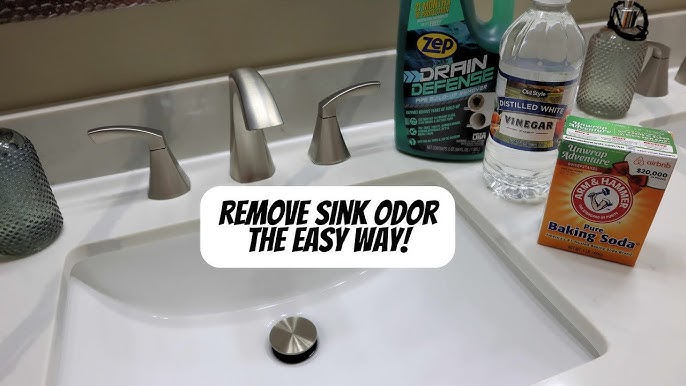
Image Source: i.ytimg.com
How To Eliminate Odor From Kitchen Sink Drain Easily
Does your kitchen sink emit an unpleasant odor? This common problem can be frustrating, but thankfully, eliminating sink drain smells is usually quite straightforward. What is the best way to get rid of kitchen sink drain odors? The most effective methods often involve natural cleaning agents and regular maintenance.
The kitchen sink drain is a prime spot for smells to develop. Food scraps, grease, and hair can all accumulate within the pipes, creating a breeding ground for bacteria. As these organic materials decompose, they release foul-smelling gases. This article will guide you through easy and effective ways to tackle these odors, from simple DIY solutions to more robust drain cleaning methods. We’ll also cover how to prevent sink smell from returning and address specific issues like garbage disposal odor.
Natural Drain Cleaning: Harnessing the Power of Household Staples
Many of the most effective solutions for a smelly kitchen sink drain rely on common household items. These natural drain cleaning methods are not only budget-friendly but also environmentally conscious.
Baking Soda Drain Cleaner: A Gentle Yet Effective Solution
Baking soda is a fantastic natural deodorizer and a mild abrasive, making it a go-to ingredient for tackling sink drain smells. When combined with vinegar, it creates a fizzing reaction that helps loosen grime and kill odor-causing bacteria.
How to use baking soda as a drain cleaner:
- Pour Baking Soda: Start by pouring about half a cup of baking soda directly down the drain. Ensure it settles as much as possible into the pipe.
- Add Vinegar: Slowly pour about one cup of white vinegar over the baking soda. You’ll notice an immediate fizzing and bubbling action.
- Cover the Drain: Immediately cover the drain opening with a sink stopper or a damp cloth. This helps to direct the fizzing action downwards into the pipes where it’s needed most.
- Let it Work: Allow the mixture to sit and work its magic for at least 30 minutes, or even better, overnight for stubborn odors.
- Flush with Boiling Water: After the waiting period, remove the cover and flush the drain with a kettle full of boiling water. This hot water helps to wash away any loosened debris and lingering residue.
This baking soda drain cleaner method is excellent for routine maintenance and tackling mild odors.
Vinegar Drain Deodorizer: The Acidic Ally
White vinegar is another kitchen staple that excels at deodorizing and disinfecting. Its acidity helps to break down grease and grime, while its strong smell neutralizes unpleasant odors.
Using vinegar as a drain deodorizer:
- Pour Vinegar: Pour one cup of white vinegar down the drain.
- Wait: Let the vinegar sit in the drain for at least 30 minutes to an hour.
- Flush: Flush the drain thoroughly with hot water. You can use running hot tap water or follow up with a boiling water drain flush for a more powerful clean.
For an extra boost, you can combine the baking soda and vinegar approach. Pour the baking soda first, then the vinegar, let it fizz, and then flush with hot water. This dual-action method is a powerful natural drain cleaning approach.
Boiling Water Drain Flush: The Simplest Solution
Sometimes, all a smelly drain needs is a good flush with hot water. Boiling water can effectively melt away accumulated grease and soap scum, which are common culprits behind unpleasant odors.
Performing a boiling water drain flush:
- Boil Water: Heat a kettle or pot of water to boiling.
- Pour Carefully: Slowly and carefully pour the entire kettle of boiling water directly down the drain. Be cautious to avoid splashing yourself.
- Repeat if Necessary: For persistent smells or if you suspect a minor blockage, you can repeat this process a couple of times.
This is a simple yet often overlooked method. It’s a great first step before trying other remedies or as part of a regular maintenance routine to prevent sink smell.
Citrus Peels Drain: A Natural Freshener
Don’t toss those citrus peels! Lemon, orange, or grapefruit peels can be excellent natural deodorizers for your kitchen sink drain. The oils in the peels have a pleasant scent and can help to cut through grease.
How to use citrus peels:
- Prepare Peels: Collect citrus peels from lemons, oranges, or grapefruits.
- Grind (Optional): For a more thorough clean, you can lightly chop or grind the peels in a food processor.
- Feed to Disposal (if applicable): If you have a garbage disposal, feed the peels into it along with cold water and run it. This grinds the peels and distributes their deodorizing oils.
- Boiling Water Method: If you don’t have a garbage disposal, you can place the peels in a pot, cover them with water, and boil them for a few minutes. Then, carefully pour the citrus-infused hot water down the drain.
This method not only eliminates odors but also leaves a fresh, clean scent.
Addressing Specific Sink Drain Issues
Beyond general odor elimination, you might be dealing with more specific problems like a clogged kitchen sink or persistent garbage disposal odor.
Garbage Disposal Odor
Garbage disposals can be notorious for developing smells if not maintained properly. Food particles can get trapped in the disposal’s blades and under the rubber splash guard.
Tips for eliminating garbage disposal odor:
- Regular Flushing: Always run cold water while using the disposal and continue running it for about 15-30 seconds after you turn it off to ensure all debris is flushed away.
- Citrus Peels: As mentioned above, running citrus peels through the disposal is a fantastic way to freshen it up.
- Ice Cubes: Grinding a few ice cubes can help to scrape away buildup from the disposal chamber and blades.
- Baking Soda and Vinegar: Pour baking soda followed by vinegar into the disposal, let it sit for a while, then flush with cold water.
- Specialized Cleaners: You can also purchase specific garbage disposal cleaners designed to break down trapped food waste and eliminate odors.
Dealing with a Clogged Kitchen Sink
A clogged kitchen sink often accompanies unpleasant odors because trapped waste material starts to decompose. While the primary goal is to clear the clog, odor elimination naturally follows.
Drain cleaning methods for clogs:
- Plunger: A good old-fashioned plunger can often dislodge minor clogs. Ensure there’s enough water in the sink to cover the plunger’s cup, create a seal, and plunge vigorously.
- Baking Soda and Vinegar: This is a good starting point for clogs that aren’t severe.
- Boiling Water: A strong flush of boiling water can sometimes break down grease clogs.
- Manual Removal: If you can see the clog near the drain opening, try to remove it with tongs or a wire coat hanger bent into a hook.
- Drain Snake (Auger): For more stubborn clogs, a drain snake can be used to physically break up or pull out the obstruction.
- Enzyme Drain Cleaners: These cleaners use natural enzymes and bacteria to break down organic waste. They are a safer alternative to harsh chemical drain cleaners and are effective for preventing clogs and odors.
Table: Natural Drain Cleaning Methods at a Glance
| Method | Primary Action | Best For | Ease of Use |
|---|---|---|---|
| Baking Soda & Vinegar | Deodorizing, Loosening | Mild odors, general cleaning | Easy |
| Boiling Water Flush | Melting Grease, Flushing | Grease buildup, maintenance | Very Easy |
| Citrus Peels | Deodorizing, Freshening | Odors, garbage disposal | Easy |
| Drain Enzyme Cleaner | Breaking down waste | Organic buildup, slow drains | Easy |
Chemical vs. Natural Drain Cleaning Methods
While chemical drain cleaners are readily available and promise quick results, they come with significant drawbacks.
Harsh Chemical Drain Cleaners:
- Corrosive: They can damage your pipes, especially older ones, leading to leaks and costly repairs.
- Toxic Fumes: The fumes released can be harmful to your respiratory system and the environment.
- Ineffective on Certain Clogs: They may not always be effective against solid blockages like hair.
- Dangerous if Mixed: Mixing different chemical cleaners can create toxic gases.
In contrast, natural drain cleaning methods are safer for your pipes, your health, and the environment. They might require a bit more time or repeated applications, but the long-term benefits outweigh the risks associated with harsh chemicals.
Drain Enzyme Cleaner: A Biological Approach
A drain enzyme cleaner is a fantastic option for ongoing maintenance and tackling those lingering organic smells. These cleaners contain beneficial bacteria and enzymes that “eat” away at grease, hair, and food particles that accumulate in your pipes.
Benefits of drain enzyme cleaner:
- Safe for Pipes: They are non-corrosive and won’t damage your plumbing.
- Environmentally Friendly: They are biodegradable and pose no threat to waterways.
- Effective on Organic Waste: They are specifically designed to break down the type of material that causes sink drain smells.
- Prevents Clogs: Regular use can help prevent future clogs and keep your drains flowing smoothly.
How to use a drain enzyme cleaner:
- Follow Product Instructions: Always read and follow the specific instructions on the product label.
- Apply at Night: Many enzyme cleaners work best when left to work overnight. Pour the recommended amount down the drain before bed.
- Flush in the Morning: In the morning, flush the drain with cool or warm water.
Using a drain enzyme cleaner is a proactive way to prevent sink smell and keep your drains in top condition.
Preventing Sink Smell: Proactive Maintenance is Key
The best way to eliminate odor from your kitchen sink drain is to prevent it from happening in the first place. Regular maintenance can save you a lot of hassle and unpleasant experiences.
Regular Cleaning Routine
Make drain cleaning a part of your weekly or bi-weekly cleaning routine.
- Daily Flush: Always run cold water for a few seconds after using the garbage disposal.
- Weekly Maintenance: Use the baking soda and vinegar method or a boiling water flush once a week.
- Scrape Plates: Scrape excess food from plates into the trash or compost bin before rinsing them.
- Avoid Pouring Grease Down the Drain: Never pour cooking grease, oil, or fat down the sink. Wipe it up with a paper towel and dispose of it in the trash.
What NOT to Put Down the Drain
Certain items are particularly problematic for kitchen sink drains and garbage disposals:
- Grease, Oil, and Fats: These solidify in pipes and create major clogs and odors.
- Coffee Grounds: They don’t break down easily and can accumulate, forming a sludge.
- Eggshells: While some argue they can help clean disposals, they can also create a gritty paste that doesn’t always flush away.
- Fibrous Foods: Celery, corn husks, artichokes, and asparagus can wrap around disposal blades and cause issues.
- Pasta and Rice: These expand when wet and can swell in the pipes, leading to clogs.
- Fruit Pits and Seeds: They are hard and can damage disposal blades or get stuck.
- Bones: Small, soft bones might be ground, but larger or harder ones can cause damage.
Table: Items to Avoid in Your Kitchen Sink Drain
| Category | Specific Items | Reason for Avoidance |
|---|---|---|
| Fats and Oils | Grease, cooking oil, butter, lard | Solidify in pipes, cause clogs and odors |
| Organic Debris | Coffee grounds, tea bags, eggshells, vegetable peels | Can accumulate, form sludge, lead to odors |
| Fibrous Vegetables | Celery, corn husks, asparagus, onion skins | Can wrap around blades, cause clogs |
| Starches | Pasta, rice, bread | Expand with water, cause clogs |
| Hard Items | Fruit pits, seeds, bones, ice (excessive) | Can damage blades, cause clogs |
| Non-food items | Paper towels, napkins, wrappers | Do not break down, cause clogs |
When to Call a Professional
While most kitchen sink drain odors can be resolved with these DIY methods, there are times when you might need to call a plumber.
- Persistent Clogs: If you’ve tried several methods and the sink is still draining slowly or is completely blocked.
- Multiple Drains Affected: If you have slow drains or odors in more than one sink or bathroom, it could indicate a larger issue with your main sewer line.
- Foul Odors with No Obvious Cause: If you can’t identify a source of the smell and natural methods aren’t working, there might be a problem within the pipes or venting system.
- Leaking Pipes: Any signs of leaks around your sink or pipes warrant professional attention.
Frequently Asked Questions (FAQ)
Q1: How often should I clean my kitchen sink drain to prevent odors?
A1: It’s a good idea to perform a basic cleaning, like a boiling water flush or baking soda and vinegar treatment, at least once a week or every other week. For garbage disposals, running citrus peels through them regularly can help maintain freshness.
Q2: Can I use bleach in my kitchen sink drain?
A2: While bleach can kill bacteria and deodorize, it is a harsh chemical that can damage your pipes over time, especially if they are made of certain materials. It’s also not recommended to mix bleach with other cleaning products, like vinegar, as it can create dangerous fumes. Natural methods are generally safer and just as effective for routine odor elimination.
Q3: My garbage disposal smells bad even after using citrus peels. What else can I do?
A3: Try the baking soda and vinegar method in the disposal itself. You can pour about half a cup of baking soda, followed by a cup of vinegar, let it fizz for 15-30 minutes, and then flush with cold water while running the disposal. You can also use specialized garbage disposal cleaners. Ensure you are running enough cold water when using the disposal and for a short period after.
Q4: What causes that “rotten egg” smell from the sink drain?
A4: The “rotten egg” smell is often caused by hydrogen sulfide gas, which is produced when bacteria decompose organic matter in the drain pipes. This is common if food particles, grease, or other debris are trapped. Regular cleaning with baking soda, vinegar, or enzyme cleaners is the best way to combat this.
Q5: My sink is draining very slowly and smells. Is it a clog or just an odor issue?
A5: A slow drain and odor are often related. The material causing the odor is likely contributing to a partial clog. Start with methods like baking soda and vinegar, followed by a boiling water flush. If the draining does not improve, you may need to use a drain snake or call a professional to address the clog.
By implementing these simple yet effective drain cleaning methods and practicing good preventative habits, you can easily eliminate odor from your kitchen sink drain and enjoy a fresher-smelling kitchen. Remember that consistent maintenance is your best ally against unpleasant sink smells.