
If your kitchen sink drain is emitting unpleasant smells, you’re likely asking, “What is causing my kitchen sink drain to smell?” The most common culprits are trapped food particles, grease, and other organic matter that decompose over time. Can you use bleach to clean a drain? While bleach can kill some bacteria, it’s often not the most effective solution for odor removal and can be harsh on pipes, especially older ones. Who is responsible for fixing a smelly drain? Typically, homeowners are responsible for their own drain maintenance.
A stinky kitchen sink is a common household problem, but thankfully, it’s usually a manageable one. The source of the offensive aroma is almost always the same: decaying food scraps, grease, and other organic debris accumulating in the pipes and drain trap. This gunk provides a feast for bacteria, which release gases as they break down the matter – and those gases are what you’re smelling. But fear not! There are numerous effective ways to tackle drain smell removal and restore freshness to your kitchen. This guide will walk you through the best methods, from quick fixes to preventative strategies, ensuring your kitchen stays smelling delightful.
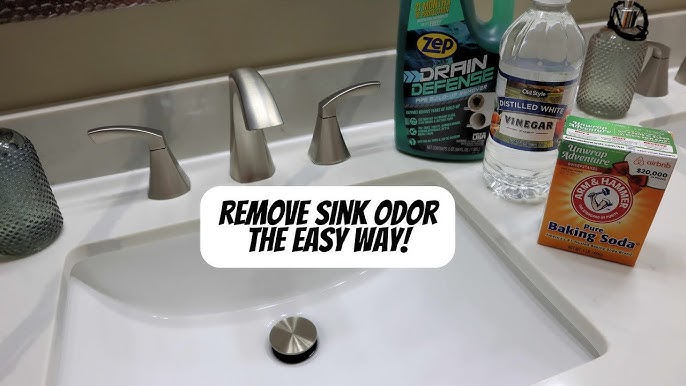
Image Source: i.ytimg.com
Why Does My Kitchen Sink Drain Smell?
Before we dive into solutions, let’s explore why this happens. Fathoming the root cause is key to effective drain cleaning solutions.
The Science Behind the Stink
The kitchen sink is a prime target for food waste. When you rinse dishes, small food particles, grease, oil, and soap scum inevitably go down the drain. While water washes most of it away, some of it clings to the inside of the pipes. Over time, this residue builds up, forming a sticky layer called biofilm.
- Food Particles: Bits of vegetables, grains, coffee grounds, and even small bones can get trapped.
- Grease and Oil: Fats and oils solidify as they cool, coating the pipe walls and trapping other debris. This is a major contributor to clogs and smells.
- Bacteria and Mold: The trapped organic matter becomes a breeding ground for bacteria and mold. As these microorganisms consume the waste, they release foul-smelling gases, such as hydrogen sulfide (which smells like rotten eggs).
- P-Trap Issues: The P-trap, the U-shaped pipe beneath your sink, is designed to hold water, creating a seal that prevents sewer gases from entering your home. If the water in the P-trap evaporates or if there’s a clog, these gases can escape, causing odors.
Quick Fixes: Immediate Kitchen Sink Deodorizer
When you need a fast solution to an embarrassing odor, these methods are your best bet for eliminating sink odors.
The Power of Boiling Water
Sometimes, all it takes is a blast of heat. Boiling water can help melt away grease and dislodge minor debris.
- How to: Boil a kettle or pot of water. Carefully pour the entire contents down the drain.
- Frequency: Can be done daily or whenever you notice a faint smell.
- Pros: Simple, natural, and effective for mild grease buildup.
- Cons: May not be strong enough for significant clogs or deeply embedded odors.
Baking Soda and Vinegar: The Classic Duo
This is a go-to for many households, combining two natural cleaning powerhouses for effective drain smell removal.
- How to Use Baking Soda as a Drain Cleaner:
- Pour about ½ cup of baking soda down the drain.
- Follow it with ½ cup of white vinegar.
- You’ll hear fizzing – this is the chemical reaction working to break down grime.
- Cover the drain with a plug or cloth for about 15-30 minutes to let the mixture work.
- Flush the drain thoroughly with hot water.
- Frequency: Once a week or as needed.
- Pros: Natural, non-toxic, effective for deodorizing and light cleaning.
- Cons: Might require repeat applications for stubborn odors or clogs.
Salt and Baking Soda for Tougher Smells
Adding salt can boost the abrasive power of baking soda.
- How to:
- Mix ½ cup of baking soda with ½ cup of salt.
- Pour the mixture down the drain.
- Let it sit for at least 30 minutes, or preferably overnight.
- Flush with boiling water.
- Frequency: Weekly for maintenance.
- Pros: Salt’s abrasive qualities can help scrub away buildup.
- Cons: Still a natural solution, so severe blockages might need more.
Lemon Juice or Citrus Peels: The Natural Drain Freshener
Citrus is excellent for cutting through grease and leaving a pleasant scent.
- How to:
- Pour a cup of lemon juice down the drain.
- Alternatively, boil citrus peels (lemon, orange, grapefruit) in water, let it cool slightly, and pour the liquid down the drain.
- Follow with hot water.
- Frequency: Regularly for a fresh scent.
- Pros: Leaves a refreshing scent, cuts grease, and is completely natural.
- Cons: Primarily a deodorizer, less effective for physical blockages.
Deeper Cleaning: Tackling Persistent Odors
When quick fixes aren’t enough, it’s time for more thorough sink drain maintenance.
The Importance of the P-Trap
The P-trap is crucial. If it dries out or is clogged, odors will surface. Sometimes, the problem is simply that the water in the trap has evaporated due to infrequent use.
- How to check: Run water for about 30 seconds to ensure the P-trap is filled. If the smell persists, the issue is likely further down.
Clearing Physical Blockages
A persistent odor can be a sign of a partial or complete clog.
Using a Plunger
A good old-fashioned plunger can be surprisingly effective.
- How to:
- Ensure there’s enough water in the sink to cover the plunger cup.
- Create a tight seal around the drain with the plunger.
- Pump vigorously up and down for about 15-20 seconds.
- Break the seal quickly.
- Repeat several times if necessary.
- Flush with hot water afterward.
The Drain Snake (or Auger)
For deeper clogs, a drain snake is invaluable for how to clean sink drain thoroughly.
- How to:
- Insert the end of the snake into the drain.
- Feed it down the pipe until you meet resistance (the clog).
- Crank the handle to break up or hook the clog.
- Slowly pull the snake back out, bringing the debris with it.
- Flush the drain with hot water.
- Frequency: As needed for clogs.
Enzymatic Drain Cleaners
These are a fantastic, eco-friendly option that uses natural enzymes to break down organic waste.
- How they work: Enzymes “eat” the grease, food particles, and other organic matter causing the odor and clogs.
- How to use: Follow the product instructions carefully. Usually, you pour it down the drain and let it sit overnight.
- Frequency: Weekly or monthly for maintenance.
- Pros: Safe for pipes, environmentally friendly, effective for organic waste.
- Cons: Takes time to work, not suitable for chemical or mineral buildup.
Commercial Drain Cleaners: Use with Caution
While readily available, chemical drain cleaners should be a last resort due to their harsh nature.
- Types: Caustic (lye-based) and acidic cleaners are common. They work by dissolving organic matter.
- How to use: Always follow label instructions precisely. Wear gloves and eye protection. Ensure good ventilation. Never mix different drain cleaners.
- Frequency: Use sparingly, as they can damage pipes over time, especially if used repeatedly.
- Pros: Can be very effective for stubborn clogs.
- Cons: Can damage pipes and septic systems, produce toxic fumes, and are harmful if ingested or come into contact with skin.
Natural Drain Freshener: A Sustainable Approach
Choosing natural methods is often the best for sink drain maintenance and preventing drain smells.
Baking Soda and Hot Water: A Simple Combination
If you prefer to avoid vinegar’s smell, baking soda and hot water are a good alternative for drain cleaning solutions.
- How to:
- Pour ½ cup of baking soda down the drain.
- Wait a few minutes.
- Flush with a generous amount of hot water.
- Frequency: Weekly.
- Pros: Simple, safe, effective deodorizer.
- Cons: Less potent than the baking soda and vinegar method.
The Power of Ice Cubes and Salt
This method combines the abrasive action of salt with the chilling effect of ice, which can help solidify grease for easier removal when flushing with hot water.
- How to:
- Fill the sink with a few ice cubes.
- Add about ½ cup of coarse salt.
- Turn on the garbage disposal (if you have one) and let it grind the ice and salt. This acts as a natural scrubber.
- If you don’t have a disposal, you can add ice and salt, let it sit for a bit, then flush with hot water.
- Frequency: Monthly.
- Pros: Cleans and deodorizes, good for garbage disposals.
- Cons: Requires a garbage disposal for optimal results.
Preventing Future Drain Smells: Proactive Measures
The best way to deal with a smelly drain is to prevent it from happening in the first place. This involves good habits and regular sink drain maintenance.
What NOT to Pour Down the Drain
Being mindful of what goes down your kitchen sink is paramount for preventing drain smells.
- Grease, Fats, and Oils: Never pour these down the drain. Wipe greasy pans with paper towels or pour cooled grease into a disposable container and throw it in the trash.
- Coffee Grounds: While some suggest they help clean, they can clump together and form clogs, especially when mixed with grease.
- Eggshells: These can break down into a slimy residue that coats pipes.
- Fibrous Foods: Celery, corn husks, asparagus, and other stringy vegetables can tangle and create blockages.
- Starchy Foods: Rice and pasta can expand and congeal in pipes.
- Chemicals: Harsh chemicals, paints, and solvents can damage pipes and are harmful to the environment.
Using a Drain Strainer
A simple mesh strainer can catch most food particles before they enter the drain.
- How to: Place a strainer in your sink drain and empty it regularly into the trash.
- Frequency: After every use of the sink.
- Pros: Highly effective at preventing food debris from entering pipes.
- Cons: Requires manual emptying.
Running Cold Water with Garbage Disposal
If you have a garbage disposal, always run cold water while using it and for about 15-20 seconds afterward. Cold water helps solidify any grease, allowing the disposal to grind it up and flush it away more effectively. Hot water can melt grease, allowing it to coat the pipes further down.
Regular Flushing
Even without a disposal, running hot water down the drain for a minute or two after each use can help flush away small amounts of residue before they build up.
Periodic Deep Cleaning
Even with good habits, some buildup is inevitable. Incorporate a deep cleaning routine into your sink drain maintenance.
- Monthly: Use the baking soda and vinegar method or an enzymatic cleaner.
- Quarterly: Consider using a drain snake to check for and remove any accumulated buildup.
Troubleshooting Persistent Odors
If you’ve tried multiple methods and the smell persists, there might be a more significant issue.
Check the Garbage Disposal (If Applicable)
- Cleaning the Disposal: Food particles can get stuck in the disposal unit itself, causing odors.
- Method: Grind a few ice cubes with coarse salt, followed by citrus peels. Then, flush with cold water. Ensure you always run cold water when using the disposal.
- Caution: Never put your hand into the disposal. Always turn off the power supply first if attempting any physical cleaning or inspection.
Vent Pipe Issues
Your plumbing system has a vent pipe that allows gases to escape safely outside. If this vent is blocked, sewer gases can back up into your home through the drains. This is less common but can happen, especially after heavy rain or if leaves and debris accumulate.
- Symptoms: Odors may be stronger when it rains or when you flush a toilet.
- Solution: If you suspect a vent pipe blockage, it’s best to call a plumber.
Leaky Pipes or Traps
A slow leak under your sink can create a damp environment where mold and bacteria thrive, leading to odors.
- Symptoms: Visible water damage, mold growth, or a musty smell.
- Solution: Inspect the pipes and P-trap for any signs of leaks. Tighten connections or replace worn-out parts. If unsure, consult a plumber.
Table: Comparison of Drain Cleaning Methods
Here’s a quick comparison to help you choose the best approach for eliminating sink odors:
| Method | Effectiveness for Odor Removal | Effectiveness for Clogs | Speed of Action | Safety for Pipes | Natural/Eco-Friendly |
|---|---|---|---|---|---|
| Boiling Water | Mild | Mild | Fast | High | Yes |
| Baking Soda & Vinegar | High | Moderate | Moderate | High | Yes |
| Salt & Baking Soda | High | Moderate | Moderate | High | Yes |
| Lemon Juice / Citrus | High (Deodorizing) | Low | Fast | High | Yes |
| Ice Cubes & Salt (Disposal) | High | Mild | Moderate | High | Yes |
| Enzymatic Cleaners | Very High | High | Slow (Overnight) | Very High | Yes |
| Plunger | Low (Indirectly via clog) | High | Fast | High | Yes |
| Drain Snake | Low (Indirectly via clog) | Very High | Moderate | High | Yes |
| Chemical Cleaners | Very High | Very High | Fast | Low | No |
Frequently Asked Questions About Kitchen Sink Drain Odors
Q1: How often should I clean my kitchen sink drain?
A: For most households, a weekly cleaning with a natural method like baking soda and vinegar is sufficient for preventing drain smells. If you notice odors more frequently, you may need to increase the frequency or try a deeper cleaning method. Regular sink drain maintenance is key.
Q2: Can I pour cooking grease down the drain?
A: Absolutely not. Cooking grease, fats, and oils are a primary cause of drain clogs and odors. Always dispose of them in the trash or a grease disposal container.
Q3: My drain smells like rotten eggs. What should I do?
A: The rotten egg smell (hydrogen sulfide) is a classic sign of bacterial decomposition. Try the baking soda and vinegar method or an enzymatic cleaner to tackle the bacteria and the organic matter they are feeding on. Ensure you are using a kitchen sink deodorizer regularly.
Q4: Is it safe to use commercial drain cleaners regularly?
A: It’s generally not recommended to use harsh chemical drain cleaners regularly. They can degrade your pipes over time and are harmful to the environment. Opt for natural drain cleaning solutions or enzymatic cleaners whenever possible.
Q5: How do I clean a smelly garbage disposal?
A: To clean a smelly garbage disposal, grind ice cubes with coarse salt, followed by citrus peels. Always run cold water while the disposal is operating and for a short period afterward. This helps break down food residue and deodorize the unit.
By understanding the causes and employing the right techniques for how to clean sink drain, you can effectively eliminate unpleasant odors and keep your kitchen smelling fresh and clean. Consistent sink drain maintenance is the best defense against recurring issues.