
Can you get rid of small roaches in the kitchen permanently? Yes, with consistent effort in cleaning, sealing entry points, and employing effective treatments, you can achieve permanent kitchen cockroach control. Small roaches, often German cockroaches, are a common kitchen nuisance. Their small size allows them to hide in tiny cracks and crevices, making them difficult to eradicate. This comprehensive guide will walk you through the most effective strategies for exterminating small roaches and keeping your kitchen roach-free for good.
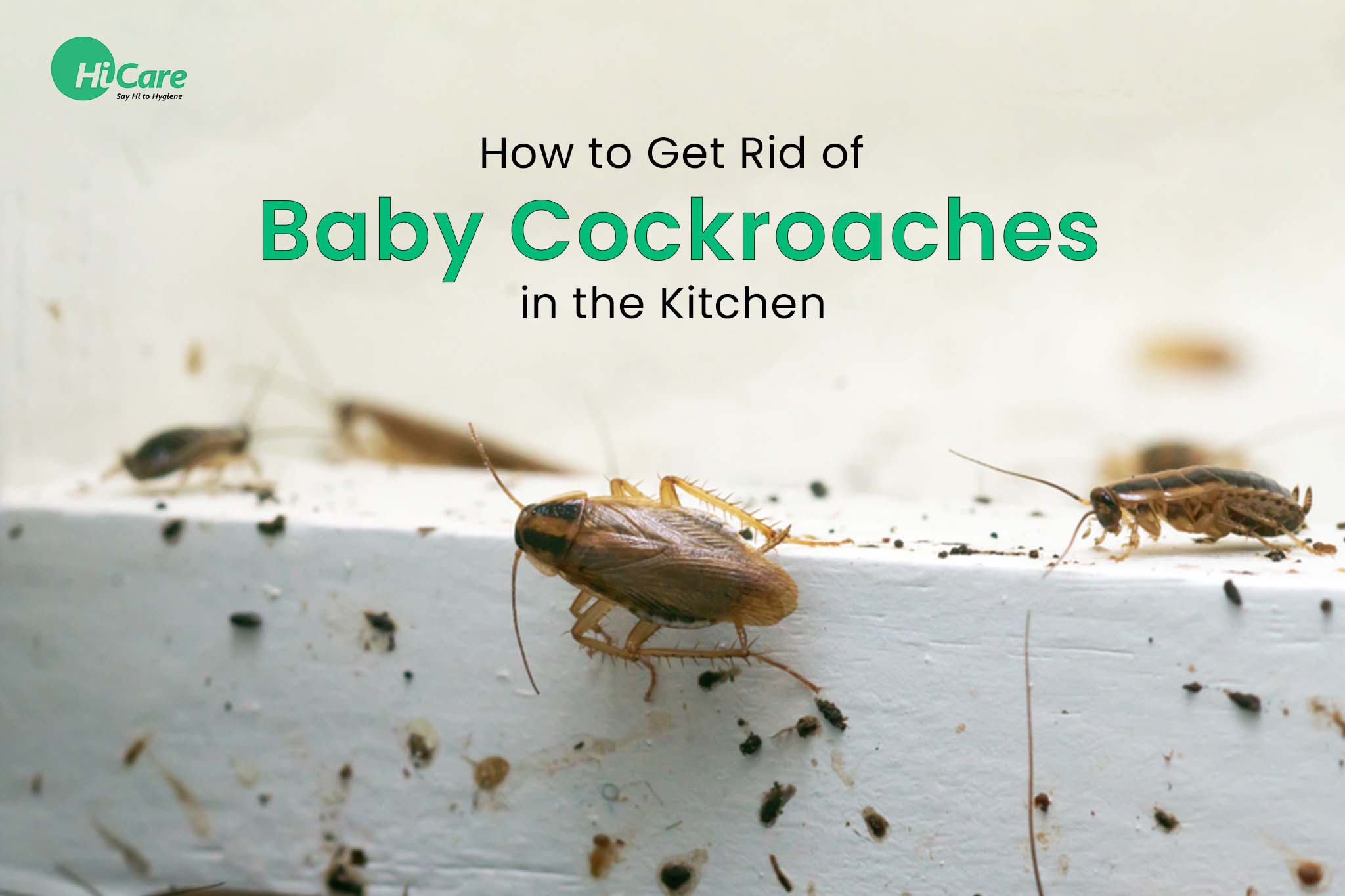
Image Source: hicare.in
The Hidden World of Small Roaches in Your Kitchen
Small roaches in the kitchen, most commonly the German cockroach, are a persistent problem. These little pests thrive in warm, humid environments, making kitchens their ideal habitat. They are nocturnal, meaning they are most active at night, which is why you might only see them scurrying away when you turn on the lights.
Why Are Small Roaches in My Kitchen?
Small roaches are attracted to kitchens for a few key reasons:
- Food Sources: Crumbs, spills, grease, and even pet food can be a feast for these opportunistic insects.
- Water Sources: Leaky pipes, damp sponges, and standing water in sinks are prime attractions.
- Shelter: They love dark, warm, and moist places like behind appliances, in cabinets, and inside wall voids.
- Entry Points: They can hitchhike on grocery bags, cardboard boxes, or even be carried in from outside.
Identifying Small Roaches
The most common culprit is the German cockroach. Here’s what they look like:
- Size: About 1/2 inch to 5/8 inch long.
- Color: Light brown to tan, with two darker parallel stripes on their pronotum (the shield-like section behind the head).
- Wings: Both males and females have fully developed wings, but they are not strong fliers. They are more likely to run.
- Nymphs: Younger roaches (nymphs) are smaller, darker, and have a light stripe on their back.
Your Step-by-Step Plan for DIY Roach Removal
Tackling a roach problem yourself is entirely possible with the right approach. DIY roach removal involves a multi-pronged strategy that addresses sanitation, harborage, and direct treatment.
Step 1: Deep Cleaning is Your First Line of Defense
Kitchen sanitation roaches is paramount. This isn’t just a quick wipe-down; it’s a thorough deep clean.
Daily Cleaning Habits to Break the Cycle
- Wipe Down Surfaces: After every meal, thoroughly clean countertops, stovetops, and tables.
- Sweep and Mop: Sweep and mop floors daily, especially in areas where food is prepared or eaten.
- Wash Dishes Promptly: Don’t leave dirty dishes in the sink overnight. Wash them immediately or at least rinse them thoroughly.
- Empty Trash Regularly: Use trash cans with tight-fitting lids and empty them daily, especially before bed. Clean the trash cans themselves periodically.
- Clean Appliances: Don’t forget the areas around and behind appliances. Grease buildup is a magnet for roaches. Clean the toaster crumb tray, microwave interior, and under the refrigerator.
- Store Food Properly: Keep all food in airtight containers. This includes sugar, flour, cereal, and pet food. Don’t leave open food items on counters.
Weekly Deep Cleaning Tasks
- Clean Inside Cabinets and Drawers: Remove all items, wipe down shelves, and vacuum up any crumbs or debris.
- Clean Behind Appliances: Pull out your refrigerator and stove to clean thoroughly. This is a prime hiding spot.
- Clean the Sink and Dishwasher: Ensure there are no food particles left in the sink drain or dishwasher filter.
- Declutter: Reduce clutter in your kitchen. Roaches love to hide in stacks of newspapers, empty boxes, and general disarray.
Step 2: Seal Entry Points and Harborage Areas
Roaches can squeeze through incredibly small openings. Sealing these is crucial for preventing roaches kitchen invasion and for cockroach infestation treatment.
Where to Look for Entry Points
- Cracks and Crevices: Inspect walls, baseboards, cabinets, and countertops for any cracks.
- Around Pipes and Wires: Gaps where pipes and electrical wires enter the kitchen are common entry points.
- Window and Door Frames: Ensure these are sealed properly and that screens are intact.
- Gaps Under Doors: Use door sweeps to close the gap between the bottom of your doors and the floor.
Sealing Materials to Use
- Caulk: Use silicone caulk to seal cracks and crevices in walls, baseboards, and around pipes.
- Steel Wool: Stuff steel wool into larger gaps around pipes or vents, then seal with caulk. Roaches can’t chew through steel wool.
- Weatherstripping: Apply to doors and windows to create a tighter seal.
Step 3: Employ Effective Roach Treatments
Once your kitchen is clean and sealed, it’s time to target the roaches directly. There are several effective methods for killing kitchen roaches.
Roach Baits: The Smart Way to Kill Roaches
Roach baits are a highly effective cockroach infestation treatment. They contain a slow-acting poison mixed with an attractant. Roaches eat the bait, return to their hiding spots, and die. Other roaches may eat the poisoned feces or carcasses, leading to a domino effect.
Types of Roach Baits:
- Gel Baits: These are applied in small dots in areas where roaches are seen, such as behind appliances, under sinks, and in cabinet corners.
- Bait Stations: These are small plastic containers with bait inside. They are safe to use around children and pets when placed appropriately.
Where to Place Baits:
- Along baseboards
- Inside cabinets and drawers
- Under sinks
- Behind refrigerators and stoves
- Near plumbing penetrations
- In wall voids (if accessible)
Important Note: Read and follow all label instructions carefully. Do not spray insecticides near baits, as this can deter roaches from eating the bait.
Insect Growth Regulators (IGRs)
IGRs don’t kill adult roaches directly but disrupt their life cycle by preventing nymphs from maturing into reproductive adults. This is a vital part of long-term kitchen cockroach control.
How IGRs Work:
- They mimic insect hormones.
- This prevents molting, mating, and egg-hatching.
IGRs are often available as sprays or aerosols and can be a powerful tool when used alongside baits.
Insecticidal Dusts
Insecticidal dusts, like diatomaceous earth (food-grade) or boric acid, are effective for treating voids and cracks where roaches hide.
- Diatomaceous Earth (Food-Grade): This natural powder is made from fossilized aquatic organisms. Its sharp edges scratch the roach’s exoskeleton, causing them to dehydrate and die. Apply a light dusting in cracks, crevices, and behind appliances.
- Boric Acid: This is a common and effective roach killer. It acts as a stomach poison and an abrasive. Apply a thin layer in areas roaches frequent. Keep it away from pets and children.
Application Tips for Dusts:
- Apply in a fine, light layer. Too much can make roaches avoid the area.
- Use a puffer or bulb duster for precise application.
- Apply in areas that are dry, as moisture can make dust clumpy and ineffective.
Roach Traps: Monitoring and Catching
Small roach traps are useful for both monitoring the extent of your infestation and catching roaches.
Types of Roach Traps:
- Sticky Traps: These are cardboard traps with a strong adhesive surface. They are placed in areas where roaches are active. Roaches walk onto the sticky surface and get stuck.
- Bait Traps: These traps contain a small amount of attractant bait to lure roaches inside, where they become trapped.
Using Traps Effectively:
- Place them along walls, under sinks, and in cabinets where you’ve seen roach activity.
- Check traps regularly and replace them as needed.
- The number of roaches caught can indicate the severity of your problem and the effectiveness of your treatments.
Step 4: Consider Natural Roach Deterrents
While not a primary solution for a large infestation, natural roach deterrents can complement your efforts and help keep roaches away.
- Essential Oils: Peppermint, tea tree, and eucalyptus oils have repellent properties. Mix a few drops with water and spray around entry points or common roach paths. However, their effectiveness is often short-lived.
- Bay Leaves: Some people find that placing bay leaves in cupboards and pantry areas can deter roaches.
- Vinegar: A mixture of vinegar and water can be used for cleaning surfaces, which can help remove food odors that attract roaches.
Important Note on Natural Deterrents: While they can be useful for prevention or in conjunction with other methods, they are unlikely to eliminate an established cockroach infestation treatment.
Step 5: Professional Pest Control for Severe Infestations
If you’ve tried DIY methods and are still struggling, or if you have a very large infestation, it might be time to call in the professionals. A pest control service can provide a thorough inspection and develop a targeted pest control kitchen plan. They have access to stronger products and specialized techniques for exterminating small roaches.
Long-Term Prevention: Keeping Roaches Out
Getting rid of roaches is only half the battle; the other half is preventing roaches kitchen recurrence.
Maintain Impeccable Sanitation
As detailed in Step 1, consistent cleaning is the single most important factor in preventing roaches kitchen. Make deep cleaning a habit, not a chore you only do when you see roaches.
Regular Inspections
Periodically inspect your kitchen for new cracks or potential entry points. Check your pantry for any signs of roach activity, especially after bringing in groceries.
Be Smart About Groceries
- Inspect Packaging: Before bringing groceries into your home, check packaging for any signs of damage or pests.
- Unpack Immediately: Don’t leave grocery bags sitting around. Unpack and put away items immediately.
- Cardboard is Risky: Roaches love to hide in cardboard. If possible, transfer dry goods from cardboard boxes to airtight plastic containers as soon as you bring them home.
Manage Moisture
Fix any leaky pipes or faucets promptly. Don’t leave standing water in sinks or on countertops. Ensure good ventilation in your kitchen, especially around the sink area.
Seal Your Home
Continue to seal any new cracks or holes that appear in your kitchen walls, floors, or around pipes. This is a continuous process for effective kitchen cockroach control.
Troubleshooting Common Roach Problems
Even with the best efforts, you might encounter specific challenges.
What if I Keep Seeing Roaches After Treatment?
- Reapply Baits: Roaches are resilient. They might have missed the bait initially.
- Check Bait Placement: Ensure baits are in active areas.
- Clean Again: There might be a missed food or water source.
- Consider IGRs: They are crucial for breaking the reproductive cycle.
- Professional Help: If the problem persists, it’s time for professional intervention.
How Long Does It Take to Get Rid of Roaches?
Eliminating an infestation can take several weeks to a few months. It depends on the size of the infestation and the consistency of your efforts. Roaches reproduce quickly, so persistence is key.
Can Roaches Become Immune to Treatments?
While not true immunity, roaches can develop a degree of resistance to certain insecticides. This is why a varied approach, including baits, dusts, and IGRs, is often more effective than relying on a single product.
Summary Table: Your Roach Eradication Toolkit
| Strategy | Key Actions | Frequency | Notes |
|---|---|---|---|
| Sanitation | Daily cleaning, prompt dishwashing, secure trash, clean appliances. | Daily, Weekly | Foundation of all roach control. |
| Sealing Entry Points | Caulk cracks, seal gaps around pipes and wires, use door sweeps. | As needed, Ongoing | Prevents new infestations. |
| Baiting | Place gel baits or bait stations in active areas. | Replenish as needed | Slow-acting, affects entire colony. |
| IGRs | Apply as directed (sprays or aerosols). | As directed by label | Disrupts life cycle, crucial for long-term control. |
| Dusts | Apply food-grade diatomaceous earth or boric acid in cracks and voids. | As needed, Quarterly | Effective in dry, hidden areas. |
| Traps | Place sticky traps to monitor and catch roaches. | Replenish as needed | Helps identify hot spots. |
| Natural Deterrents | Use essential oils (peppermint, tea tree), bay leaves. | As needed | Supportive, not a primary solution. |
| Professional Help | Call for severe or persistent infestations. | As needed | For complex problems requiring expert knowledge. |
Frequently Asked Questions About Small Roaches in the Kitchen
Q1: Are small roaches dangerous?
A1: Yes, small roaches can be dangerous. They are known to spread bacteria and pathogens, contaminating food and surfaces. They can also trigger asthma and allergies in sensitive individuals.
Q2: Can I use bug spray to kill roaches in my kitchen?
A2: While contact sprays can kill roaches on sight, they are generally not effective for eliminating an entire infestation. Roaches can hide very well, and sprays may only kill a small percentage. Additionally, sprays can scatter roaches, making them harder to target with baits, and can even deter roaches from approaching baits.
Q3: What is the best way to kill roaches quickly?
A3: For immediate results, a contact insecticide spray can kill visible roaches. However, for a permanent solution, exterminating small roaches involves a combination of sanitation, exclusion, and the use of baits and IGRs, which work over time to eliminate the entire population.
Q4: How often should I replace roach baits?
A4: Refer to the product label for specific instructions. Generally, baits should be checked and replenished every 1-2 months, or as they are consumed or dry out.
Q5: Can roaches live without food for long?
A5: Roaches can survive for about a month without food, but only about a week without water. This is why eliminating water sources is as important as eliminating food sources for kitchen cockroach control.
By implementing these detailed strategies and maintaining consistent vigilance, you can effectively eliminate small roaches from your kitchen and enjoy a pest-free home. Remember, preventing roaches kitchen issues requires ongoing effort, but the peace of mind and hygiene are well worth it.