
Can I get an electric shock in the kitchen? Yes, you can get an electric shock in the kitchen if you’re not careful. Kitchens are full of appliances that use electricity, and often have water nearby, creating a risky environment for electrical hazards. This combination of water and electricity is particularly dangerous. The good news is that with the right knowledge and habits, you can significantly reduce your risk. This guide will walk you through essential safety tips to keep you and your family safe from electric shock in your kitchen.
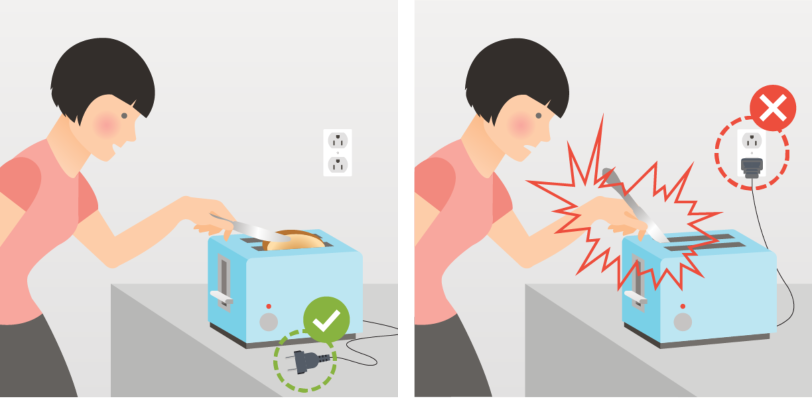
Image Source: www.hydroquebec.com
Staying Safe Around Electrical Appliances
Kitchens are a hub of activity, and with that activity comes a host of electrical appliances. From toasters and blenders to refrigerators and microwaves, these machines make our lives easier, but they also represent potential electrical hazards if not handled with care. Appliance safety is paramount in preventing accidents.
Keeping Cords Tidy and Safe
The cords that power your kitchen appliances are often overlooked, but they can be a source of danger.
Checking Cords Regularly
- Inspect for Damage: Make it a habit to regularly check the power cords of all your kitchen appliances. Look for any signs of wear and tear, such as frayed insulation, cracked casings, or exposed wires. Damaged cords can easily cause sparks or short circuits, leading to shocks or fires.
- Avoid Sharp Bends: Don’t wrap cords too tightly around appliances or tuck them into tight spaces. Sharp bends can damage the internal wires over time.
- Keep Away from Heat: Ensure cords are not touching hot surfaces, like the stovetop or heating elements of ovens, as this can melt the insulation.
- No Staples or Nails: Never secure electrical cords with staples or nails. These can pierce the wire and cause a shock or fire hazard.
Proper Cord Storage
- Unplug When Not in Use: For appliances that aren’t used daily, like stand mixers or waffle makers, it’s a good practice to unplug them from the wall socket when not in use. This reduces the risk of accidental contact with a damaged cord and also saves energy.
- Gentle Coiling: When storing cords, coil them loosely. Tightly coiled cords can stress the wires.
Knowing Your Appliances
Each appliance has its own set of safety guidelines.
Reading the Manual
- Follow Manufacturer Instructions: Always read and follow the user manual that comes with your appliances. Manufacturers provide specific safety warnings and usage instructions tailored to their products.
- Proper Use: Ensure you are using appliances for their intended purpose. For example, don’t use a blender for tasks it wasn’t designed for.
Appliance Maintenance
- Regular Cleaning: Keep appliances clean, especially around vents and electrical components. Dust and food debris can build up and create fire or shock hazards.
- Professional Repairs: If an appliance is malfunctioning, don’t try to fix it yourself unless you are qualified. Contact the manufacturer or a certified repair technician for appliance maintenance.
The Danger of Water and Electricity
The kitchen is a high-moisture environment. Sinks, dishwashers, and even steam from cooking can introduce water and electricity into close proximity, creating a significant risk of electric shock.
Wet Hands and Electrical Devices
- Never Touch Appliances with Wet Hands: This is one of the most critical rules. Water is an excellent conductor of electricity. Touching an electrical appliance or switch with wet hands can allow current to flow through your body, causing a severe shock.
- Dry Your Hands Thoroughly: Always dry your hands completely before touching any electrical appliances or outlets.
- Keep Surfaces Dry: Wipe up any spills around outlets and appliances immediately.
Water Spills and Appliances
- Unplug Immediately: If you spill water or any liquid on or near an electrical appliance, unplug it immediately if it is safe to do so. If the plug or socket is wet, do not touch it. Turn off the power to that outlet at the main circuit breaker first.
- Allow to Dry: Let the appliance and the surrounding area dry completely before plugging it back in or using it again. If you suspect internal damage, it’s best to have it inspected by a professional.
- Dishwasher Safety: Ensure the dishwasher door is fully closed before operating. Never try to access the interior while it is running, especially if there’s a leak.
Essential Safety Features: GFCI Outlets and Proper Grounding
Modern kitchens are equipped with safety features designed to protect you from electric shock. Knowing what these are and how they work is vital.
GFCI Outlets: Your First Line of Defense
GFCI outlets, or Ground Fault Circuit Interrupters, are crucial safety devices.
What is a GFCI Outlet?
A GFCI outlet constantly monitors the amount of electrical current flowing through a circuit. If it detects an imbalance – meaning more current is flowing out than returning – it quickly shuts off the power. This is incredibly effective at preventing shocks, especially in areas where water and electricity are common.
Why GFCI Outlets are Important in the Kitchen
- Detecting Ground Faults: If current leaks from a faulty appliance or is diverted through a person to the ground, a GFCI will trip, cutting off power.
- Protection Near Water Sources: Kitchens, bathrooms, and outdoor areas require GFCI protection by electrical codes because of the increased risk of shock.
- Test and Reset Buttons: GFCI outlets have “Test” and “Reset” buttons. You should test them monthly to ensure they are working correctly.
Testing Your GFCI Outlets
- Press the “Test” Button: This should immediately cut power to the outlet and any connected devices. The “Reset” button may pop out.
- Press the “Reset” Button: This restores power. If the outlet doesn’t reset or the test doesn’t work, it’s faulty and needs to be replaced.
The Role of Proper Grounding
Proper grounding is another fundamental safety aspect of your kitchen’s electrical system.
What is Grounding?
Grounding provides a safe path for electricity to flow to the earth in case of a fault. A properly grounded electrical system helps prevent shocks by diverting dangerous currents away from people.
Three-Prong Plugs and Outlets
- The Third Prong: The third, round prong on a plug is the ground connection. It connects to the metal casing of the appliance. If there’s a fault within the appliance that causes the metal casing to become energized, the current will flow through the ground wire to the earth, tripping a breaker or blowing a fuse, rather than through someone who touches it.
- Never Remove the Ground Prong: It might be tempting to break off the third prong on a plug to fit it into a two-prong outlet, but this eliminates a vital safety feature. It’s safer to have a qualified electrician install proper grounded outlets.
Checking for Proper Grounding
- Three-Hole Outlets: Ensure that all your kitchen outlets are three-hole outlets designed for grounded plugs.
- Professional Checks: If you have older wiring or are unsure about the grounding in your kitchen, have a qualified electrician inspect your system.
Safe Use of Extension Cords
While convenient, extension cord safety is often overlooked, leading to dangerous situations in the kitchen.
When to Use Extension Cords
- Temporary Solutions: Extension cords should ideally be used as temporary solutions, not permanent wiring replacements.
- Avoid Overloading: Never plug multiple high-power appliances into a single extension cord. Check the cord’s wattage rating and the appliance’s power consumption to ensure you don’t overload it.
Extension Cord Safety Practices
- Use the Right Cord: Choose extension cords rated for the wattage of the appliances you’ll be using. Heavy-duty appliances require heavy-duty cords.
- Inspect Before Use: Like appliance cords, always inspect extension cords for damage before plugging them in.
- Keep Away from Water: Never run extension cords across wet areas or near sinks. Ensure they are not lying in puddles of water.
- No Under Rugs or Furniture: Do not run extension cords under carpets or furniture. This can cause them to overheat and wear out, increasing the risk of fire and shock.
- Proper Connection: Ensure the plug is fully inserted into the outlet and the appliance plug is securely in the extension cord.
- Avoid Daisy-Chaining: Do not connect multiple extension cords together (“daisy-chaining”). This increases the resistance, leading to overheating and potential fire hazards.
Practices to Avoid to Prevent Electric Shock
Certain actions drastically increase your risk of electric shock in the kitchen. By avoiding these, you can create a safer environment.
Common Mistakes to Steer Clear Of
- Inserting Objects into Outlets: Never insert fingers or any objects (like knives, forks, or metal utensils) into electrical outlets or appliance slots, even if the appliance is unplugged.
- Using Damaged Appliances: Do not use any appliance that shows signs of damage, whether it’s a frayed cord, a cracked casing, or strange smells. This points to faulty wiring or other internal issues.
- Ignoring Warning Signs: If an appliance sparks, smells burnt, or gives you a tingling sensation, stop using it immediately. These are clear indicators of a problem.
- Overloading Circuits: Plugging too many appliances into one outlet or circuit can overload the system, causing breakers to trip or, in severe cases, leading to fires or shocks.
- DIY Electrical Repairs: Unless you are a trained electrician, avoid attempting any electrical repairs yourself. Improperly handled electrical work can be extremely dangerous. For any suspected faulty wiring or appliance repair, always call a professional.
The Importance of Regular Appliance Maintenance
As mentioned earlier, consistent appliance maintenance is key.
Keeping Appliances in Good Condition
- Regular Checks: Perform regular visual inspections of your appliances and their cords.
- Professional Servicing: Schedule professional servicing for appliances like refrigerators, dishwashers, and ovens as recommended by the manufacturer. This helps catch potential issues before they become dangerous.
Emergency Procedures: What to Do If an Electric Shock Occurs
Knowing how to react in an emergency can save a life.
Immediate Actions to Take
- Do NOT Touch the Person: The most crucial first step is to avoid touching the person receiving the shock. You could become a victim yourself.
- Turn Off the Power Source: If possible, immediately shut off the power to the outlet or appliance causing the shock. This can be done at the appliance itself (if it has an on/off switch), at the wall outlet (if safe to reach), or at the main circuit breaker panel.
- Use a Non-Conductive Object: If you cannot turn off the power safely, use a dry, non-conductive object (like a wooden broomstick or a thick rubber mat) to push the person away from the electrical source or to move the electrical source away from the person.
- Call for Emergency Services: Once the person is free from the electrical source, call your local emergency number (e.g., 911 in the US) immediately.
- Administer First Aid (If Trained): If you are trained in CPR and first aid, and the person is not breathing or has no pulse, begin resuscitation until medical help arrives.
Preventative Measures Summary
To reinforce the key takeaways for preventing electric shock in the kitchen:
Key Safety Checklist
- Dry Hands Always: Never handle electrical appliances or outlets with wet hands.
- Inspect Cords: Regularly check all appliance and extension cord safety for any damage.
- GFCI Protection: Ensure your kitchen has GFCI outlets, especially near sinks, and test them monthly.
- Proper Grounding: Use three-prong plugs and outlets for proper grounding.
- No Water Near Electricity: Keep water and electricity separate. Clean up spills promptly.
- Appliance Maintenance: Keep appliances in good working order through regular appliance maintenance and professional checks.
- Avoid Overloading: Do not overload outlets or extension cords.
- Professional Help: For any electrical concerns or repairs, always hire a qualified electrician.
- Educate Family: Teach all family members, especially children, about kitchen electrical safety.
Frequently Asked Questions (FAQ)
Q1: What should I do if my toaster sparks?
A1: If your toaster sparks, immediately unplug it if it is safe to do so. Do not attempt to use it again until it has been inspected by a qualified appliance repair person. Sparks often indicate faulty wiring or internal damage.
Q2: Can I use a regular extension cord for my microwave?
A2: It is generally not recommended to use standard extension cords for high-power appliances like microwaves. Microwaves draw a significant amount of current, and a standard cord may overheat or not provide adequate power. Always use a heavy-duty extension cord rated for the microwave’s wattage, and ideally, plug the microwave directly into a wall outlet. Check your appliance manual for specific recommendations.
Q3: My GFCI outlet keeps tripping. What does this mean?
A3: If your GFCI outlet keeps tripping, it indicates that it is detecting a ground fault or an overload on the circuit. This could be due to a faulty appliance, a short circuit in the wiring, or moisture. Unplug all appliances connected to that circuit, reset the GFCI, and if it trips again, you likely have an electrical issue that needs to be diagnosed by an electrician.
Q4: Is it safe to clean my kitchen appliances with the power on?
A4: No, it is never safe to clean kitchen appliances with the power on, especially if you are using wet cloths or cleaning solutions. Always unplug appliances before cleaning them. This prevents accidental shocks from exposed electrical components and protects you from short circuits if water gets into the appliance.
Q5: What are the signs of faulty wiring in my kitchen?
A5: Signs of faulty wiring can include flickering lights, outlets that are warm to the touch, a burning smell near outlets or switches, a buzzing sound from outlets, or frequently tripping circuit breakers. If you notice any of these signs, it’s crucial to have your wiring inspected by a qualified electrician immediately to prevent a fire or electric shock.
By following these comprehensive safety tips, you can greatly reduce the risk of electric shock and ensure your kitchen remains a safe place for everyone. Remember, when it comes to electricity, caution and awareness are your best tools.