
Can you recycle kitchen appliances? Yes, absolutely! You can recycle most kitchen appliances through various channels, including specialized recycling centers, take-back programs, and even appliance donation centers. Proper appliance disposal is crucial for environmental protection, as these items often contain recyclable metals and hazardous materials that shouldn’t end up in landfills.
Replacing old kitchen appliances is exciting, but it also brings a common question: what do you do with the old ones? Simply tossing them in the trash isn’t the best option. Kitchen appliances are often bulky and contain valuable materials that can be recycled, as well as substances that require careful handling. This guide will walk you through the best ways to handle appliance disposal responsibly, ensuring you’re making a green choice.
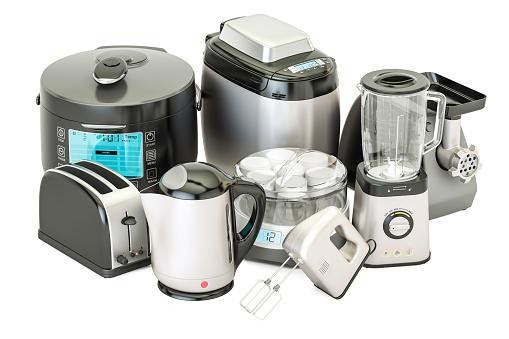
Image Source: www.cohenusa.com
Why Responsible Appliance Disposal Matters
Throwing away old appliances like refrigerators, ovens, or dishwashers can have a significant environmental impact. These machines are made of metal, plastic, and often contain refrigerants or other chemicals that can be harmful if not disposed of properly.
- Resource Recovery: Appliances are packed with recyclable metals like steel, aluminum, and copper. Recycling these materials reduces the need for mining new resources, saving energy and minimizing habitat disruption.
- Hazardous Material Management: Older refrigerators and air conditioners, for example, contain refrigerants like Freon. These can deplete the ozone layer and contribute to global warming. Specialized recycling facilities can safely extract and dispose of these substances.
- Landfill Space: Appliances are bulky. Diverting them from landfills helps conserve valuable space and reduces the environmental burden associated with landfill operations.
- Reducing Pollution: Improper disposal can lead to soil and water contamination from hazardous components. Responsible recycling ensures these materials are handled safely.
Your Options for Appliance Disposal
There are several avenues to explore when it’s time to say goodbye to your old kitchen workhorses. Each has its benefits, and the best choice often depends on the condition of the appliance and your location.
1. Appliance Donation: Giving Your Old Appliances a New Life
If your appliance is still in good working condition, appliance donation is a fantastic option. Many charitable organizations accept working appliances and provide them to families in need. This not only helps the environment by extending the life of the appliance but also directly benefits your community.
- How it Works:
- Check the Condition: Ensure your appliance is clean and fully functional. Many charities won’t accept broken items.
- Find a Charity: Local shelters, Habitat for Humanity ReStores, and specific appliance donation programs are good places to start.
- Arrange Pickup or Drop-off: Some organizations offer free pick-up services for larger appliances, while others may require you to bring the item to their facility.
- Tax Deductions: In many cases, you can receive a tax deduction for your donation, making it a win-win situation.
2. Manufacturer and Retailer Take-Back Programs
Many appliance manufacturers and retailers offer take-back programs when you purchase a new appliance. This is a convenient way to ensure your old appliance is recycled properly, as the retailer or manufacturer usually handles the logistics.
- When Buying New:
- Inquire During Purchase: Always ask the retailer if they offer an old appliance removal and recycling service when you’re buying a replacement.
- Check Manufacturer Websites: Some manufacturers have their own recycling initiatives or partnerships.
- Benefits: This method is incredibly convenient. You can often have your old appliance removed when the new one is delivered, simplifying the process.
3. Local Recycling Centers and E-Waste Facilities
Your local government or waste management authority is a great resource for finding dedicated recycling centers or e-waste recycling facilities. These centers are equipped to handle the complex materials found in appliances.
- How to Find Them:
- City/County Website: Check your local government’s website for a waste management or recycling section.
- Search Online: Use terms like “appliance recycling near me” or “e-waste drop-off.”
- Waste Management Companies: Local waste disposal companies often have information on where to take specific items.
- Preparation: You might need to disconnect the appliance and remove any detachable parts like shelves or drawers. Some centers may charge a small fee.
4. Junk Removal Services: The Convenient, Though Often Costlier, Option
If you need a quick and hassle-free solution, junk removal services can haul away your old appliances. While this is often the most expensive option, it’s incredibly convenient, especially if you don’t have the means to transport the appliance yourself.
- Choosing a Service:
- Look for Eco-Friendly Practices: Ask if they prioritize recycling and responsible disposal for the items they collect.
- Get Quotes: Compare prices from different services in your area.
- What to Expect: They will typically come to your home, load the appliance, and take it away.
- Considerations: Ensure the service you choose is reputable and committed to e-waste recycling and proper appliance disposal.
Specific Appliance Recycling Guidance
Different appliances have unique components and recycling requirements. Here’s a breakdown of how to handle some of the most common kitchen appliances.
Refrigerator Recycling
Refrigerator recycling is particularly important due to the refrigerants and insulating foam they contain. These substances need to be handled by certified professionals to prevent environmental damage.
- Refrigerant Removal: Before recycling, the refrigerant must be safely extracted by a certified technician. Many recycling centers or appliance removal services will handle this as part of their process.
- Materials: Refrigerators are largely made of steel, which is highly recyclable. Copper and aluminum are also present.
- Where to Take Them: Look for specialized appliance recyclers, scrap metal yards that accept white goods, or local e-waste recycling events. Many municipal waste facilities also have designated drop-off points.
Washing Machine Recycling and Dryer Recycling
When it’s time to replace your laundry pair, think about the proper disposal of your old washing machine recycling and dryer recycling.
- Materials: Both appliances are primarily made of steel and contain motors, pumps, and electrical components.
- Recycling Process: These items are typically dismantled. The steel casing is recycled as scrap metal. The motors and electrical parts can often be broken down for their metal and plastic components.
- Disposal Options: Similar to refrigerators, local recycling centers, scrap metal yards, and junk removal services are good options. Retailer take-back programs are also common for laundry appliances.
Microwave Recycling
Microwave recycling can be a bit trickier as they contain electronic components and a capacitor that can hold a charge even when unplugged.
- E-Waste Recycling: Microwaves are considered electronic waste. They should be taken to designated e-waste recycling facilities or collection points.
- Hazardous Components: The capacitor must be discharged safely. Never attempt to dismantle a microwave yourself unless you have the proper training.
- Where to Recycle: Check for local electronics recycling events, e-waste recycling centers, or electronics retailers that accept old microwaves. Some municipalities have specific drop-off days for electronics.
Oven Disposal and Dishwasher Recycling
Oven disposal and dishwasher recycling also involve valuable metal components.
- Ovens: Primarily made of steel, ovens can be recycled at scrap metal yards. If the oven contains a self-cleaning feature, it may have special insulation that needs careful handling.
- Dishwashers: These appliances are also largely steel, along with plastic parts and electrical components. They can usually be recycled along with other white goods at general appliance recycling facilities or scrap metal yards.
- Removal: If the oven or dishwasher is being replaced by a new one, the retailer often offers removal services. Otherwise, junk removal services or local recycling drop-off points are your best bet.
Preparing Appliances for Recycling
Before you hand over your old appliance, a little preparation can make the recycling process smoother and safer.
Cleaning Your Appliances
- General Cleaning: Wipe down the interior and exterior of the appliance. Remove any food debris from ovens, dishwashers, or refrigerators.
- Defrosting: If you’re recycling a refrigerator or freezer, ensure it’s completely defrosted and dry.
- Remove Loose Parts: Take out removable shelves, drawers, and racks. These can often be recycled separately or may need to be disposed of differently depending on the recycling facility.
Disconnection and Safety
- Unplug: Always ensure the appliance is unplugged from the power source.
- Water Lines: For washing machines and dishwashers, disconnect and drain any water lines.
- Gas Lines: Oven disposal for gas ovens requires special care. If you’re not comfortable disconnecting the gas line, hire a professional. Ensure the gas valve is turned off.
- Refrigerant: As mentioned, refrigerators and freezers require professional refrigerant removal before recycling.
Finding Local Recycling Resources
Locating the right place to recycle your appliances is key to a successful green disposal.
Online Resources
- Earth911: This website provides a search tool to find recycling centers for various items, including appliances, based on your ZIP code.
- Call2Recycle: While primarily for batteries and cell phones, their site sometimes lists broader e-waste recycling programs.
- Your Local Municipality’s Website: As mentioned, this is often the most accurate source for local recycling guidelines and drop-off locations.
Community Programs
- Recycling Events: Keep an eye out for community-wide recycling events, often organized by local governments or environmental groups. These events frequently accept large appliances.
- Scrap Metal Yards: Many scrap metal yards accept appliances, especially those with significant metal content like refrigerators and washing machines. They may even pay you a small amount for the scrap metal.
The Economics of Appliance Recycling
While the primary motivation for appliance recycling is environmental, there are some economic factors to consider.
- Fees: Some recycling centers or junk removal services may charge a fee for appliance disposal. This fee often covers the cost of special handling, such as refrigerant removal, and transportation.
- Potential Income: Conversely, if you take appliances directly to a scrap metal yard, you might receive payment for the metal content, especially for larger, all-metal appliances.
- Cost of Doing Nothing: Ignoring proper disposal can lead to fines in some municipalities or environmental cleanup costs down the line, making responsible recycling a more economical choice in the long run.
Table: Common Kitchen Appliances and Recycling Channels
| Appliance | Primary Materials | Key Recycling Considerations | Recommended Channels |
|---|---|---|---|
| Refrigerator/Freezer | Steel, Aluminum, Copper, Refrigerant, Insulating Foam | Safe refrigerant extraction by certified technician is mandatory. | Specialized appliance recyclers, certified junk removal services, appliance donation (if working), municipal recycling centers. |
| Washing Machine | Steel, Plastic, Copper, Electrical Components | Motors and pumps contain recyclable metals. | Scrap metal yards, municipal recycling centers, junk removal services, retailer take-back programs. |
| Dryer | Steel, Plastic, Copper, Electrical Components | Similar to washing machines; focus on metal and electrical component recovery. | Scrap metal yards, municipal recycling centers, junk removal services, retailer take-back programs. |
| Dishwasher | Steel, Plastic, Copper, Electrical Components | Contains electrical parts and often plastic tubing. | Municipal recycling centers, scrap metal yards, junk removal services, retailer take-back programs. |
| Oven (Electric/Gas) | Steel, Glass, Electrical Components, Gas Lines (if applicable) | Gas ovens require careful handling of gas lines. Steel is the primary recyclable material. | Scrap metal yards, municipal recycling centers, junk removal services, appliance donation (if working). |
| Microwave | Metal, Plastic, Glass, Electronic Components | Contains a capacitor that requires safe handling. Considered e-waste recycling. | Designated e-waste recycling centers, electronics recycling events, retailer take-back programs. |
| Small Appliances (Toaster, Blender, etc.) | Plastic, Metal, Electrical Components | Often handled through general e-waste recycling programs. | Local e-waste recycling drop-offs, electronics recycling events, some retailers. |
Frequently Asked Questions (FAQ)
Q1: Do I have to pay to recycle my old appliances?
A: It depends. Some places offer free appliance recycling, especially if it’s part of a municipal program or a retailer’s take-back service. However, private junk removal services or specialized recycling centers might charge a fee to cover the costs of transport, dismantling, and proper disposal of hazardous materials.
Q2: Can I sell my old working appliances?
A: Absolutely! If your appliances are still in good working order, selling them is a great option. You can try online marketplaces like Craigslist, Facebook Marketplace, or local classifieds. It’s a sustainable way to recoup some costs and give your appliance a second life.
Q3: What are the rules for refrigerator recycling regarding refrigerants?
A: Refrigerator recycling mandates that refrigerants must be removed by a certified technician before the unit can be processed. This is a legal requirement in many places to protect the ozone layer and prevent greenhouse gas emissions. Most reputable recycling centers and junk removal services will ensure this step is handled correctly.
Q4: What is considered e-waste recycling for kitchen appliances?
A: E-waste recycling typically refers to electronics that are discarded. For kitchen appliances, this often includes smaller items like microwaves, toasters, blenders, and even some components of larger appliances that contain circuit boards or electronic controls. These items require specialized handling to recover valuable metals and manage hazardous components.
Q5: Are there any alternatives to appliance disposal like donation?
A: Yes, appliance donation is a wonderful alternative if your appliance is still functional. Charities often need refrigerators, stoves, washing machines, and dryers for families moving into new homes or facing hardship. It’s a fantastic way to help others and keep appliances out of the landfill.
Q6: How do junk removal services handle appliances?
A: Reputable junk removal services will typically sort through the items they collect. They aim to take appliances to appropriate recycling facilities, scrap metal yards, or donation centers. It’s always a good idea to ask about their recycling policies before booking their services.
By choosing to recycle your old kitchen appliances, you’re contributing to a healthier planet. You’re conserving resources, preventing pollution, and supporting a circular economy. So, the next time an old appliance needs replacing, remember these green solutions and dispose of it responsibly!