
Can you brighten a kitchen with dark cabinets? Absolutely! With the right design choices and decor secrets, you can transform a dark kitchen into a luminous, welcoming space, even with deep-toned cabinetry.
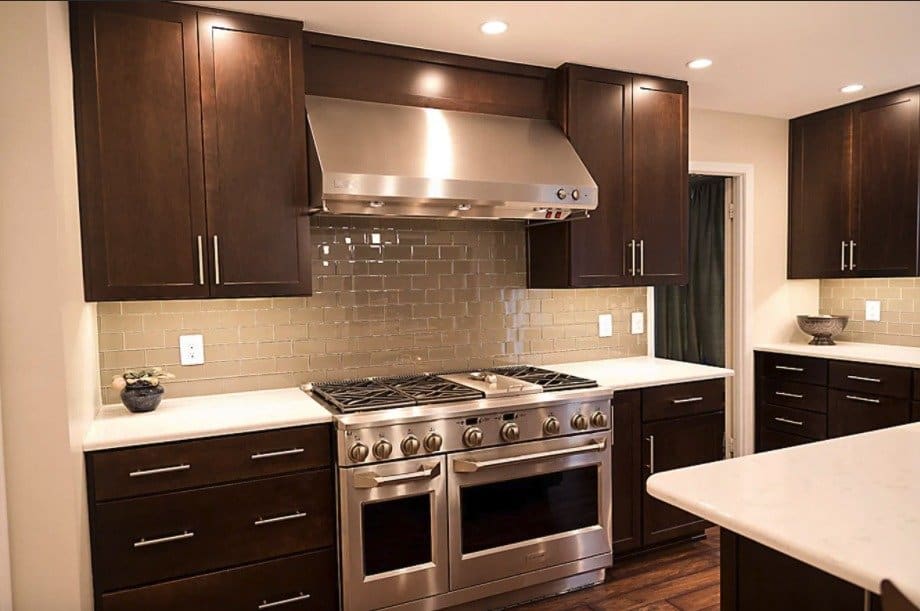
Image Source: ohanlonkitchens.com
Embracing the Glow: Illuminating Your Kitchen with Dark Cabinets
Dark cabinets, while elegant and sophisticated, can often make a kitchen feel smaller and less inviting. The key to tackling this challenge lies in a strategic approach to lighting, color, and reflective surfaces. This guide will walk you through proven methods to banish the gloom and create a bright, airy atmosphere. We’ll explore everything from paint colors to the smart placement of light fixtures, offering practical tips and design inspiration.
The Magic of Light: Maximizing Natural and Artificial Sources
One of the most impactful ways to brighten any kitchen, especially one with dark cabinets, is to maximize its light sources. This involves both enhancing natural light and strategically implementing artificial lighting.
Harnessing Natural Light
Natural light kitchen spaces feel inherently more open and vibrant. Even if your kitchen doesn’t have huge windows, there are ways to make the most of what you have.
- Keep Windows Unobstructed: Avoid heavy, dark curtains. Opt for sheer blinds, light-colored Roman shades, or even just crisp white shutters that can be opened fully. If privacy is a concern, consider frosted glass films which allow light to pass through while obscuring the view.
- Clean Your Windows Regularly: It sounds simple, but clean windows let in significantly more light than dirty ones. Make this a regular part of your cleaning routine.
- Reflective Surfaces: Position mirrors or highly polished decorative items opposite windows to bounce natural light deeper into the room.
Illuminating with Artificial Light
When natural light is limited, or after the sun sets, artificial light becomes your best friend. A well-planned lighting scheme is crucial for adding light to dark kitchen areas.
-
Layer Your Lighting: A layered approach ensures that every corner of your kitchen is illuminated. This typically includes three main types of lighting:
- Ambient Lighting: This is the general, overall light of the room. Think ceiling fixtures like flush mounts or recessed lights.
- Task Lighting: This focuses on functional areas like countertops and the stove. Under-cabinet lighting is a prime example, crucial for a bright kitchen design.
- Accent Lighting: This highlights specific features, such as artwork or decorative shelves.
-
Kitchen Cabinet Lighting Ideas: This is where you can make a significant difference.
- Under-Cabinet Lighting: LED strips or puck lights installed beneath your upper cabinets cast light directly onto your countertops, instantly brightening your workspace and making the cabinets appear less imposing. This is a game-changer for dark cabinets.
- Inside Cabinet Lighting: For cabinets with glass fronts, consider installing small LED lights inside. This adds a touch of elegance and helps to illuminate the cabinet’s interior, reflecting light outwards.
- Toe-Kick Lighting: Small lights fitted into the bottom toe kick of your cabinets can add a subtle glow and make the cabinets appear to float, creating an illusion of more space and light.
-
Choosing the Right Bulb: The color temperature of your bulbs matters.
- Warm White (2700K-3000K): Creates a cozy, inviting atmosphere.
- Cool White/Daylight (4000K-5000K): Mimics natural daylight and is excellent for task areas where clarity is important. For a brighter feel, leaning towards the cooler end of the spectrum can be beneficial.
The Power of Color: Strategizing Your Palette
Color is a powerful tool in interior design, especially when you’re working with dark cabinets. The right color choices can significantly brighten your kitchen.
Painting Your Dark Cabinets
The most dramatic transformation for dark cabinets often comes from a fresh coat of paint. Paint dark cabinets white or a light, neutral color is a popular choice for a reason – it instantly brightens the space.
-
Choosing the Right Paint Color:
- Whites and Off-Whites: Crisp whites, creamy off-whites, or light beiges reflect the most light. Consider undertones – a slightly warm white can prevent a sterile feel, while a cool white can make the space feel crisp and clean.
- Light Grays: Soft, pale grays can offer a sophisticated alternative to white, still providing excellent light reflection.
- Light Pastels: Subtle blues, greens, or even soft yellows can add a touch of personality while keeping the space light and airy.
-
The Painting Process:
- Preparation is Key: Thoroughly clean the cabinets to remove grease and grime. Sand them down to create a smooth surface for the paint to adhere to.
- Priming: Use a high-quality primer designed for cabinetry. This ensures even color application and durability.
- Painting: Apply thin, even coats of paint. Cabinet-specific paints or enamels offer a durable, washable finish. Consider a satin or semi-gloss finish, as these reflect more light than matte finishes.
- Allow Adequate Drying Time: Patience is crucial for a professional-looking finish.
Complementary Wall and Accent Colors
The colors on your walls, backsplash, and countertops play a vital role in the overall brightness.
- Walls: Opt for light, neutral colors like white, cream, light gray, or pale pastels. These will amplify the light in the room and create a cohesive look with your dark cabinets.
- Backsplash: A light-colored, reflective backsplash can work wonders. Consider glossy subway tiles, mirrored tiles, or even a light quartz with a high polish.
- Countertops: Light-colored countertops, such as white quartz, granite, or marble, will reflect light and prevent the dark cabinets from feeling too heavy.
Kitchen Cabinet Color Contrast
Creating effective kitchen cabinet color contrast is essential. If your cabinets are very dark, pairing them with significantly lighter elements in the rest of the kitchen will create the most impact. This contrast draws the eye and makes the lighter elements pop, contributing to a brighter overall impression.
Reflective Surfaces and Finishes: Bouncing Light Around
Reflective surfaces are your allies in the quest for a brighter kitchen. They bounce light around the room, creating an illusion of space and airiness.
- High-Gloss Finishes: Consider a semi-gloss or high-gloss paint finish for your cabinets if you opt for painting them. These finishes reflect more light than matte finishes. Even the natural sheen of some wood or laminate finishes can contribute to this effect.
- Mirrors: Strategically placed mirrors can be incredibly effective. A mirrored backsplash, a decorative mirror on an empty wall, or even mirrored cabinet inserts can significantly amplify the light.
- Glossy Tiles: As mentioned, glossy tiles for backsplashes or even floors can bounce light around the room.
- Polished Metals: Stainless steel appliances, chrome or brushed nickel hardware, and light fixtures with polished finishes all contribute to a brighter, more reflective environment.
Strategic Styling and Decor: The Finishing Touches
Beyond paint and lighting, carefully chosen decor can further enhance the brightness of your kitchen.
- Hardware: Swap out dark or ornate cabinet hardware for lighter, shinier options like brushed nickel, chrome, or polished brass. These small changes can make a big difference.
- Open Shelving: Replacing a section of upper cabinets with open shelves can lighten the visual weight of the cabinetry. Style these shelves with white or light-colored dishware and decorative items.
- Glass Front Cabinets: Incorporate glass-front cabinets to break up the expanse of dark wood. This allows light to pass through and adds visual interest.
- Light-Colored Flooring: If your budget allows for a floor renovation, opt for lighter-colored tiles, wood, or vinyl. Light floors can significantly brighten the entire kitchen.
- Decluttering: A cluttered kitchen always feels darker and smaller. Keep countertops clear and organized.
- Art and Decor: Choose artwork with lighter color palettes and incorporate light-colored decorative accessories like vases, bowls, and canisters.
Brightening Small Kitchens with Dark Cabinets
For small kitchen bright ideas, the principles remain the same but require even more strategic application.
- Maximize Vertical Space: Use tall, narrow cabinets if possible. Avoid bulky, visually heavy upper cabinets if you’re replacing them. Open shelving can be particularly effective in small spaces.
- Light Colors are Paramount: In a small kitchen, every surface should lean towards lighter shades to maximize the sense of space.
- Mirrored Backsplash: This can be a powerful tool in a small kitchen, making the space feel twice as large.
- Smart Lighting: Under-cabinet lighting is non-negotiable. Consider a statement pendant light over an island or dining nook that provides ample light without overwhelming the space.
- Minimalist Approach: Avoid overcrowding the kitchen with too many decorative items. A clean, streamlined look will contribute to a brighter feel.
Kitchen Cabinet Refresh: A Gradual Approach
Not ready for a full cabinet overhaul? A kitchen cabinet refresh can still bring a significant uplift.
- New Hardware: This is the easiest and most cost-effective change.
- Paint the Interior: If you have glass-front cabinets, painting the interior a bright white or a light color can make a subtle but noticeable difference.
- Add Under-Cabinet Lighting: This is a high-impact, relatively low-cost DIY project that will transform your kitchen’s ambiance.
- Update Backsplash: A new, lighter backsplash can dramatically change the feel of the space.
Dark Kitchen Cabinet Solutions: A Summary of Strategies
Here’s a concise overview of dark kitchen cabinet solutions:
| Strategy | Description | Impact on Brightness |
|---|---|---|
| Paint Cabinets | Repainting dark cabinets in light colors (white, cream, light gray). | High: Instantly brightens the core of the kitchen. |
| Lighting Enhancement | Adding under-cabinet, in-cabinet, and improved ambient/task lighting. | High: Illuminates dark corners and workspaces. |
| Reflective Surfaces | Incorporating mirrors, glossy tiles, polished metal hardware, and high-gloss paint finishes. | Medium-High: Bounces light, creating an airy feel. |
| Light-Colored Accents | Using light paint on walls, light-colored backsplashes, and countertops. | Medium: Creates contrast and amplifies light. |
| Open Shelving | Replacing some upper cabinets with open shelves. | Medium: Reduces visual weight and allows light flow. |
| Glass Front Cabinets | Incorporating cabinets with glass doors. | Medium: Allows light to pass through and reflect. |
| Hardware Upgrade | Swapping dark hardware for lighter, shinier finishes. | Low-Medium: Adds subtle sparkle and reflectivity. |
| Flooring Choice | Opting for lighter-colored flooring materials. | Medium: Brightens the lower half of the kitchen. |
| Declutter and Organize | Keeping surfaces clean and free of clutter. | Low-Medium: Makes the space feel more open and airy. |
Bringing it All Together: Creating a Harmonious Bright Kitchen Design
Achieving a truly bright kitchen design with dark cabinets is about balancing the rich, grounding effect of the cabinets with elements that promote lightness and airiness. It’s not about eliminating the dark cabinets entirely, but about softening their impact and ensuring they are well-supported by a bright, well-lit environment.
- Create a Focal Point: If your dark cabinets are a statement piece, use them as a grounding element. Then, build brightness around them with light walls, a vibrant light-colored rug, and ample lighting.
- Consider the Overall Flow: Ensure the brightness extends beyond the immediate vicinity of the cabinets. Think about how light travels through the room.
- Personalize Your Space: While brightness is the goal, don’t sacrifice your personal style. Incorporate elements you love that also happen to be light and airy.
Frequently Asked Questions (FAQ)
Q1: Will painting my dark cabinets make my kitchen look cheap?
A1: Not necessarily. The quality of the paint, the preparation, and the finish are crucial. Using a high-quality cabinet paint and ensuring a smooth, even application will yield a professional, high-end look. Light colors can actually make a kitchen feel more spacious and airy, which can enhance its perceived value.
Q2: What is the best color to paint dark cabinets to make my kitchen brighter?
A2: White is often considered the best choice for maximum brightness. However, off-whites, creams, very light grays, and subtle pastels are also excellent options that reflect light well and can offer a softer, warmer feel than stark white.
Q3: How much does it cost to paint kitchen cabinets?
A3: The cost can vary significantly depending on whether you DIY or hire a professional. DIY costs can range from $100-$300 for supplies (paint, primer, brushes, rollers). Professional painting can cost anywhere from $500 to $5,000 or more, depending on the size of the kitchen, the type of cabinets, and the complexity of the job.
Q4: Can I just change the cabinet hardware to brighten my kitchen?
A4: Yes, changing hardware can make a noticeable difference, especially if your current hardware is dark or dated. Swapping out dark knobs and pulls for brushed nickel, chrome, or polished brass can add a touch of shine and reflect more light, contributing to a brighter feel.
Q5: Is it a good idea to mix dark cabinets with light cabinets in a kitchen?
A5: Absolutely! Mixing dark and light cabinets, known as two-tone cabinetry, is a very popular design trend. For instance, you could have dark cabinets on the lower level and light cabinets on the upper level. This creates visual interest and can help to balance the darkness of the lower cabinets while keeping the upper parts of the kitchen feeling lighter and more open. This is a great kitchen cabinet color contrast strategy.