
Can I fit a kitchen island in my kitchen? Yes, most kitchens can accommodate a kitchen island, but the amount of space you need is crucial for safety, functionality, and comfort.
Fitting a kitchen island into your home is a dream for many, offering a central hub for cooking, socializing, and dining. But the most common stumbling block isn’t the desire, it’s the available space. Simply put, a kitchen island needs adequate room to be both beautiful and practical. Too little space, and it becomes a hazard; too much, and it can feel lost and disconnected. This guide will delve into the essential space requirements for a kitchen island, helping you determine the perfect kitchen island size and kitchen island placement for your unique kitchen.
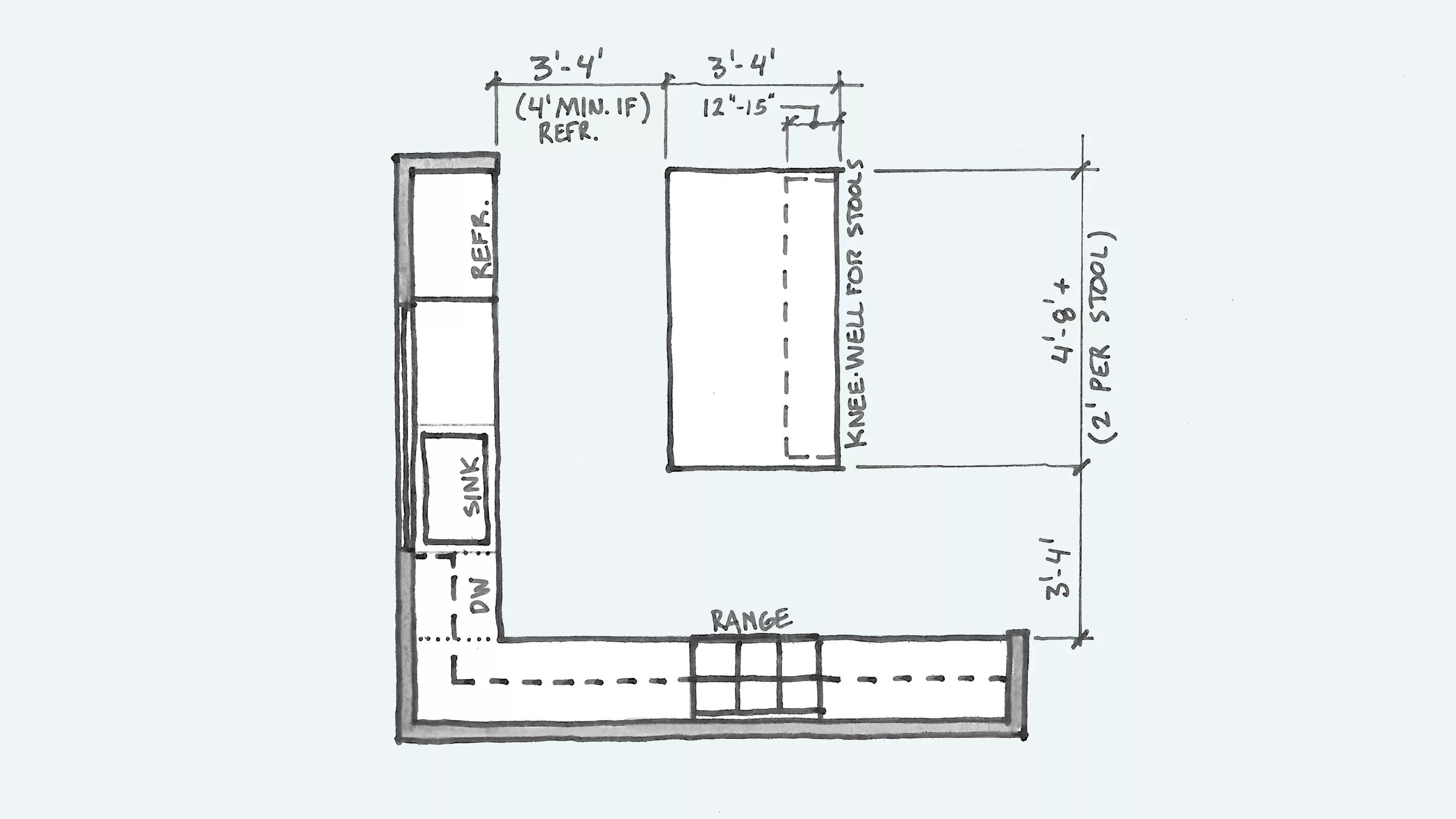
Image Source: www.boardandvellum.com
Deciphering Minimum Space for an Island
Before you even start dreaming about the kitchen island dimensions, you need to know the absolute minimum space required for a functional and safe kitchen. This is often referred to as the minimum space for island consideration. Without enough walk around space kitchen island, you risk creating a cramped and inefficient workspace.
The Golden Rule: Clearance is Key
The most critical factor when planning for a kitchen island is the clearance around it. This is the empty space you need to move freely, open cabinets and appliances, and work comfortably.
- Work Aisles: The primary walkways around your island are crucial. These areas need to be wide enough to allow at least one person to comfortably pass through.
- Appliance Clearance: Remember that you’ll need space to open refrigerator doors, oven doors, dishwasher doors, and cabinet doors without them banging into the island.
- Seating Space: If your island will have seating, you’ll need to account for the depth of the stools or chairs, plus the space needed for people to pull them out and sit down.
Minimum Clearance Recommendations
Here’s a breakdown of the generally accepted kitchen island spacing guidelines:
- Minimum Walkway (1 person passing): 36 inches (approximately 91 cm). This is the absolute minimum and can feel tight if you have a lot of traffic.
- Comfortable Walkway (2 people passing or working): 42-48 inches (approximately 107-122 cm). This is the most recommended clearance for optimal functionality.
- Clearance for Appliance Doors/Drawers: Aim for at least 42 inches (approximately 107 cm) in front of appliances that open outwards, especially if they are on the same side of the island as a primary walkway.
- Seating Clearance (behind seated person): 30 inches (approximately 76 cm). This allows someone to comfortably get in and out of their seat without blocking the walkway. However, for a more relaxed feel, 36 inches is better.
Table 1: Minimum Clearance Requirements
| Area to Clear | Minimum Recommended Clearance | Ideal Recommended Clearance |
|---|---|---|
| Walkway (1 person passing) | 36 inches (91 cm) | 42-48 inches (107-122 cm) |
| Appliance Doors/Drawers | 42 inches (107 cm) | 48 inches (122 cm) |
| Seating (behind seated person) | 30 inches (76 cm) | 36 inches (91 cm) |
Important Note: These are guidelines, not strict rules. Your specific kitchen layout, the type of appliances you have, and how you intend to use the island will influence the ideal spacing.
Comprehending Kitchen Island Size and Layout
Once you’ve established the necessary clearance, you can start thinking about the kitchen island size and how it will fit into your overall kitchen island layout. The size of your island is directly dictated by the size of your kitchen and the clearances you must maintain.
Determining Your Kitchen’s Usable Space
Before selecting an island, measure your kitchen accurately. Measure the length and width of the space where you envision the island. Then, subtract the required clearances from these dimensions.
Example:
Imagine your kitchen is 10 feet by 12 feet. If you want a comfortable 42-inch walkway on all sides of your island, you’ll need to subtract:
* 42 inches (walkway) + 42 inches (walkway) = 84 inches (7 feet) from the length.
* 42 inches (walkway) + 42 inches (walkway) = 84 inches (7 feet) from the width.
This calculation will give you the maximum possible dimensions for your island to ensure adequate walk around space kitchen island.
How Big Should a Kitchen Island Be?
The question of how big should a kitchen island be has no single answer, as it depends entirely on your kitchen’s dimensions and your needs.
- Small Kitchens: In smaller kitchens, a narrower and shorter island might be best. Consider a mobile island or a peninsula attached to a wall if a freestanding island won’t fit comfortably.
- Medium Kitchens: You have more flexibility in medium-sized kitchens. You can typically accommodate a standard-sized island with ample clearance.
- Large Kitchens: Large kitchens can handle bigger, more substantial islands, which can often incorporate multiple zones for cooking, seating, and storage.
Island Shapes and Their Space Needs
The shape of your island also impacts the space it occupies and the flow of your kitchen.
- Rectangular Islands: These are the most common and versatile. They require straightforward clearance calculations.
- Square Islands: Similar to rectangular islands, but can feel more imposing in a narrow space.
- L-Shaped Islands: These can be great for defining zones but require careful consideration of the corner and clearance on all sides.
- U-Shaped Islands (Peninsulas): These are attached to a wall or cabinetry and don’t require clearance on one side, making them a good option for smaller kitchens or open-plan living spaces.
Fathoming Kitchen Island Dimensions
Now that we’ve discussed clearance and general size, let’s dive into specific kitchen island dimensions and what works best.
Standard Island Sizes
While there’s no universal standard, here are some common ranges for kitchen island size:
- Small Islands (for compact kitchens):
- Length: 36-48 inches (91-122 cm)
- Width: 24-30 inches (61-76 cm)
- Height: 36 inches (91 cm) (standard counter height)
- Medium Islands (most common):
- Length: 48-72 inches (122-183 cm)
- Width: 30-42 inches (76-107 cm)
- Height: 36 inches (91 cm)
- Large Islands (for spacious kitchens):
- Length: 72 inches (183 cm) or more
- Width: 42 inches (107 cm) or more
- Height: 36 inches (91 cm) or a higher bar-top height of 40-42 inches (102-107 cm)
Table 2: General Kitchen Island Dimensions
| Island Type | Length Range | Width Range | Height Range (Counter) |
|---|---|---|---|
| Small | 36-48 inches (91-122 cm) | 24-30 inches (61-76 cm) | 36 inches (91 cm) |
| Medium | 48-72 inches (122-183 cm) | 30-42 inches (76-107 cm) | 36 inches (91 cm) |
| Large | 72+ inches (183+ cm) | 42+ inches (107+ cm) | 36 inches (91 cm) |
Width Considerations
The width of your island is as important as its length. A wider island offers more countertop workspace, storage, and seating potential, but it also requires more clearance.
- Minimum Width for Functionality: 24 inches (61 cm) is the absolute minimum for a very basic island, perhaps just for prep.
- Good Width for Prep and Storage: 30-36 inches (76-91 cm) provides a decent amount of workspace and allows for some shallow storage like drawers.
- Ideal Width for Seating and Appliances: 36-42 inches (91-107 cm) is often the sweet spot, allowing for comfortable seating on one side and good workspace. If you plan to incorporate a sink or cooktop, you’ll likely need a width of at least 36 inches, and often 42 inches or more.
Depth Considerations
While less about clearance and more about the island’s footprint, consider how the depth will affect your usable kitchen space.
- Standard Cabinet Depth: Kitchen base cabinets are typically 24 inches deep. Many islands are built to this depth or slightly more to accommodate standard cabinet carcasses.
- Seating Overhang: If you’re adding seating, you’ll need to factor in an overhang. A comfortable seating overhang is typically 12-15 inches (30-38 cm). This means an island with seating will need to be at least 36-39 inches (91-99 cm) deep (24-inch base cabinet + 12-15 inch overhang).
Optimizing Kitchen Island Placement
Kitchen island placement is paramount to achieving a harmonious and efficient kitchen flow. Where you position your island can make or break its functionality.
The Work Triangle (or Zone)
The concept of the work triangle (sink, refrigerator, and stove) still holds relevance. Ideally, your island should be placed so it doesn’t disrupt the flow between these essential zones.
- Island as a Work Zone: Often, the island itself becomes a major work zone, housing the cooktop or sink. If this is the case, ensure adequate clearance around these appliances.
- Island as a Transition: In many kitchens, the island serves as a transition point between the cooking and dining areas, or between the kitchen and an adjacent living space.
Common Placement Strategies
- Central Island: This is the most classic placement, where the island sits in the middle of the kitchen, providing equal access from all sides. This requires the most surrounding space.
- Island with Seating on One Side: The island is placed closer to a bank of cabinets or a wall, with seating extending out on the opposite side. This can save space in narrower kitchens.
- Island as a Peninsula: As mentioned, a peninsula is attached to a wall or cabinetry. It essentially acts as a one-sided island and is excellent for defining spaces or adding extra counter without requiring full clearance on all sides.
Visualizing Your Island
Before committing to a size and placement, it’s highly recommended to use painter’s tape or cardboard boxes to mark out the dimensions of your proposed island in your kitchen. This allows you to physically walk around the marked area and get a real feel for the kitchen island spacing guidelines.
- Walkthrough Test: Try opening cabinet doors and appliance doors. Pretend to cook, prepare food, and sit at the island. This practical test is invaluable.
- Traffic Flow: Observe how people would move through the kitchen with the island in place. Are there any bottlenecks?
Considering an Ideal Kitchen Island Size
What constitutes an ideal kitchen island size is a blend of your kitchen’s dimensions, your lifestyle, and your aesthetic preferences.
Matching Island Size to Kitchen Size
A common mistake is to over-island a small kitchen or under-island a large one.
- For a Kitchen Under 10×10 Feet: Consider a narrow island (24-30 inches wide) or a mobile cart. A peninsula might be a more practical solution.
- For a Kitchen Between 10×12 and 12×15 Feet: A standard island of around 3×5 feet to 4×6 feet (36×60 to 48×72 inches) is often ideal, providing good workspace and seating potential while maintaining comfortable clearance.
- For a Kitchen Over 15×15 Feet: You have the luxury of space. A larger island, perhaps 5×8 feet (60×96 inches) or even larger, can be a stunning focal point and provide extensive workspace, storage, and seating.
Functionality Dictates Size
Think about how you will primarily use your island:
- Prep Space: If it’s your main prep area, prioritize generous countertop space.
- Seating: If it’s for casual dining, ensure enough legroom and comfortable seating space.
- Storage: If you need extra cabinets or drawers, factor in the depth required for these.
- Appliances: Incorporating a sink, dishwasher, or cooktop will influence both the length and width of the island.
The “Empty Space” Principle
A well-placed island doesn’t just fill a space; it enhances it. Even with ample clearance, an island that is too large or visually heavy for the room can make the kitchen feel cluttered. Conversely, a too-small island can look awkward and serve little purpose. The goal is to create a balanced and proportionate look.
Advanced Considerations for Kitchen Island Layout
Beyond the basics, several advanced considerations can refine your kitchen island layout and ensure optimal functionality.
Integrated Appliances
If you plan to integrate appliances like a dishwasher, wine cooler, or microwave drawer into your island, remember that these often have specific depth and clearance requirements that must be factored into the island’s overall dimensions.
Plumbing and Electrical
For islands with sinks or cooktops, you’ll need to plan for plumbing and electrical hookups. This can sometimes dictate the island’s position and may influence its size or shape due to necessary access points. Consult with your contractor or electrician early in the planning process.
Seating Arrangements
- Island Seating Depth: Allow at least 15 inches (38 cm) of kitchen island clearance for comfortable legroom behind seated individuals. If the island is a primary dining spot, 18-24 inches (46-61 cm) is even better.
- Stool Storage: Consider if you want stools to tuck completely under the island. This requires a deeper overhang (15 inches or more) and can help maintain clearer walkways when not in use.
Lighting and Ventilation
- Lighting: Pendant lights or a chandelier above the island are common. Ensure they are hung at a height that doesn’t obstruct views but provides adequate task lighting.
- Ventilation: If you have a cooktop on your island, a downdraft vent or a ceiling-mounted hood is essential. This can influence the island’s height and require specific installation considerations.
Frequently Asked Questions (FAQ)
Q1: What is the absolute minimum space required for a kitchen island?
A1: The absolute minimum walk around space kitchen island is 36 inches (91 cm) on all sides for basic passage. However, 42-48 inches (107-122 cm) is highly recommended for comfortable movement and to open appliances.
Q2: Can I put an island in a galley kitchen?
A2: Yes, but it requires very careful planning. Typically, you’ll need a minimum of 48 inches (122 cm) between the island and the parallel countertops or walls to allow for two people to pass each other comfortably. A narrower island or a mobile cart is often a better solution for galley kitchens.
Q3: How much space do I need for island seating?
A3: You need about 24 inches (61 cm) of width per person for seating. For legroom and comfortable movement, allow at least 15 inches (38 cm) of countertop overhang and 30-36 inches (76-91 cm) of clearance behind the seated person.
Q4: What is the standard height for a kitchen island?
A4: The standard counter height for a kitchen island is 36 inches (91 cm). However, islands with a bar-top seating area can be higher, typically 40-42 inches (102-107 cm).
Q5: Should my island be the same height as my countertops?
A5: It can be, especially if you want a unified workspace. However, many people opt for a two-tiered island, with a lower counter-height section for prep and a higher bar-height section for casual dining. This requires careful consideration of the overall kitchen island dimensions and clearances.
By carefully measuring your space, considering your needs, and adhering to kitchen island spacing guidelines, you can ensure that your kitchen island is not just a beautiful addition but also a functional and safe centerpiece for your home.