
The standard kitchen cabinet height for base cabinets is 34.5 inches without the countertop, and 36 inches once the countertop is installed. Upper cabinets typically measure 30, 36, or 42 inches in height, and their placement above the countertop is crucial for accessibility and workflow.
When you’re planning a kitchen renovation or simply curious about the architecture of your cooking space, one of the most fundamental questions revolves around the dimensions of kitchen cabinets. Specifically, how tall are kitchen cabinets? This isn’t just about aesthetics; it’s about functionality, ergonomics, and the overall flow of your kitchen. Getting these measurements right ensures your kitchen is a pleasure to work in, not a frustration.
This comprehensive guide will delve into the world of kitchen cabinet heights, exploring standard sizes, variations, and the factors that influence these dimensions. We’ll cover base cabinets, upper cabinets, and even specialized units like pantries, providing you with the knowledge to make informed decisions about your kitchen design.
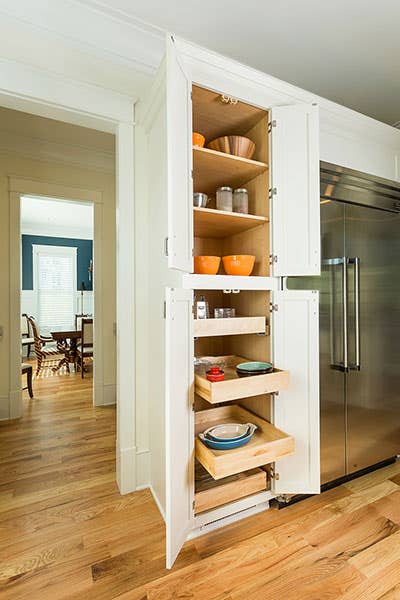
Image Source: www.cliqstudios.com
Deciphering Base Cabinet Dimensions
Base cabinets form the foundation of your kitchen, providing crucial storage and a surface for your countertops. Their height is a carefully considered aspect of kitchen design.
The Standard Height of Base Cabinets
The most common base cabinet dimensions for height, before adding a countertop, are 34.5 inches. This specific measurement is not arbitrary. It’s designed to work in conjunction with standard countertop heights.
- Why 34.5 inches? This height, when combined with a typical 1.5-inch thick countertop, brings the total height to 36 inches. This 36-inch height is considered the ergonomic standard for most people to comfortably prepare food, chop vegetables, and perform other kitchen tasks without excessive bending or reaching.
Factors Influencing Base Cabinet Height
While 34.5 inches is the standard, there are situations where base cabinet heights might vary:
- Custom Countertop Thickness: If you opt for a thicker or thinner countertop material (e.g., a substantial butcher block or a sleek, thin quartz), you might need to adjust base cabinet heights accordingly to achieve the desired 36-inch finished height.
- Accessibility Needs: For individuals with mobility challenges, lower base cabinets might be considered. Conversely, some designers might opt for slightly taller base cabinets for a more elevated workspace, though this is less common and requires careful consideration of ergonomics.
- Appliance Integration: The height of integrated appliances, such as dishwashers or built-in ovens, can also influence base cabinet dimensions to ensure a seamless fit.
Fathoming Upper Cabinet Height
Upper cabinets provide essential overhead storage, keeping frequently used items within easy reach. Their height and placement are critical for both convenience and safety.
Standard Upper Cabinet Height
Upper cabinets come in a variety of standard heights to accommodate different ceiling heights and storage needs. The most common are:
- 30 inches: This is a very popular height, especially in kitchens with standard 8-foot ceilings. It allows for a comfortable amount of countertop to cabinet clearance.
- 36 inches: This height offers more storage space and is often used in kitchens with slightly higher ceilings or when a more substantial look is desired.
- 42 inches: For kitchens with higher ceilings (9 feet or more), 42-inch upper cabinets maximize vertical storage. They can extend closer to the ceiling, creating a more impactful visual statement and reducing the need for decorative filler panels.
The Crucial Countertop to Cabinet Clearance
The space between your countertop and the bottom of your upper cabinets is known as the countertop to cabinet clearance. This is a vital measurement for kitchen functionality.
- Standard Clearance: The most common and recommended countertop to cabinet clearance is 18 inches. This provides ample space for most kitchen activities, from placing small appliances like toasters and coffee makers to comfortably working at the countertop without feeling cramped by the cabinets above.
- Factors Affecting Clearance:
- Appliance Height: If you frequently use tall appliances, you might consider a slightly larger clearance.
- User Height: While 18 inches is standard, taller individuals might find 20-21 inches more comfortable for everyday tasks. Conversely, shorter individuals might prefer slightly less, though it’s important not to compromise usability.
- Aesthetics: Sometimes, designers will adjust this clearance for aesthetic reasons, but functionality should always be the priority.
Depths of Upper Cabinets
While we’re focusing on height, it’s worth noting that standard kitchen cabinet depth for upper cabinets is typically 12 inches. This depth provides a good balance between storage capacity and not encroaching too far into the kitchen workspace. Deeper upper cabinets (e.g., 15 inches) are available but can feel more imposing and may reduce usable countertop space if not strategically placed.
Gauging Kitchen Island Height
Kitchen islands have become a centerpiece in many modern kitchens, serving as prep areas, dining spots, and storage hubs. Their height needs to be functional for various purposes.
Standard Kitchen Island Height
Similar to base cabinets, the standard kitchen island height is typically 36 inches from the floor to the top of the countertop. This consistent height makes it a seamless extension of your main kitchen workspace.
However, islands can be designed with varying heights to accommodate different functions:
- 36-inch Standard: Ideal for food preparation and general workspace.
- Bar Height (42 inches): Often incorporated as a seating area, allowing guests to comfortably sit and chat while you cook.
- Counter Height (30-32 inches): Less common for the main island surface, but sometimes used for specific sections if an island incorporates a lower seating area or a built-in table.
Island Depth and Width
While height is key, remember that standard kitchen cabinet depth for island cabinets will vary depending on the design, but typically ranges from 24 inches for single-sided cabinets to 36 inches or more if incorporating seating or double-sided storage. The width will entirely depend on the available space and the desired functionality.
Exploring Standard Pantry Cabinet Height
Pantry cabinets are essential for storing dry goods, canned items, and small appliances. Their height can vary significantly depending on whether they are freestanding or built-in.
Types of Pantry Cabinets and Their Heights
- Full-Height Pantry Cabinets: These often extend from the floor to near the ceiling, maximizing storage. Their height can range from 80 to 96 inches or even more, depending on ceiling height and design. They offer substantial storage and can be a striking feature in a kitchen.
- Standard Depth Pantry Cabinets: The standard kitchen cabinet depth for pantry units is often deeper than regular base or upper cabinets, typically 24 inches, to accommodate more items.
- Half-Height or Wall Pantries: These are essentially tall upper cabinets designed for pantry use, often around 36 to 42 inches in height, providing accessible storage for frequently used items.
Location and Accessibility
The placement of pantry cabinets is as important as their height. Wall pantries should be placed at a comfortable reach, while full-height pantries should have adjustable shelving to accommodate items of varying sizes.
How to Measure Kitchen Cabinets for Replacement or New Installation
If you’re undertaking a kitchen project, accurate measurements are paramount. Knowing how to measure kitchen cabinets is essential for ordering the correct sizes, whether you’re replacing existing cabinets or installing new ones.
Measuring Existing Base Cabinets
- Height: Measure from the floor to the top of the cabinet box (not the countertop).
- Width: Measure the width of the cabinet box from one side to the other. If it’s an existing installation, measure the opening between walls or adjacent cabinets.
- Depth: Measure the depth of the cabinet box from the front edge to the back. Do not include the countertop overhang.
Measuring Existing Upper Cabinets
- Height: Measure the height of the cabinet box from the bottom edge to the top edge.
- Width: Measure the width of the cabinet box from one side to the other.
- Depth: Measure the depth of the cabinet box from the front edge to the back.
Measuring for New Cabinet Installation
When installing new cabinets, you’ll need to measure the available space:
- Wall Lengths: Measure the total length of each wall where cabinets will be installed.
- Ceiling Height: Measure the height of the ceiling in multiple locations to account for any variations.
- Window and Door Openings: Accurately measure the height and width of all windows and doors. Note their distance from corners and other features.
- Appliance Locations: Measure the dimensions of all appliances that will be integrated into the cabinetry (refrigerator, dishwasher, oven, etc.).
- Obstructions: Note the location of any vents, pipes, electrical outlets, or other obstructions that might affect cabinet placement.
Cabinet Installation Height Considerations
The cabinet installation height is critical for both aesthetics and functionality.
Base Cabinet Installation Height
As mentioned, the primary goal is to achieve a finished height of 36 inches with the countertop. This means installing the base cabinets at 34.5 inches.
- Leveling: It’s crucial that base cabinets are perfectly level. Use shims to adjust as needed before securing them to the wall. A level base ensures a level countertop and proper door and drawer alignment.
Upper Cabinet Installation Height
The cabinet installation height for upper cabinets is dictated by the desired countertop to cabinet clearance.
- Marking: Use a level and pencil to draw a horizontal line on the wall at the desired bottom height of the upper cabinets (e.g., 18 inches above the countertop).
- Securing: Upper cabinets are typically secured to wall studs for maximum stability. Ensure you locate and mark the stud locations accurately.
- Plumb and Level: Install upper cabinets so they are plumb (vertically straight) and level (horizontally straight). This ensures they look good and function correctly.
Beyond the Standard: Customization and Ergonomics
While standard sizes provide a reliable framework, kitchens are highly personal spaces. Customization is often key to achieving the perfect fit and functionality.
When Standard Sizes Aren’t Enough
- Unusual Ceiling Heights: Very high or very low ceilings may require custom-sized cabinets to maximize storage or maintain visual balance.
- Unique Kitchen Layouts: Awkward corners, sloped ceilings, or specific architectural features might necessitate custom cabinet dimensions.
- Specific Storage Needs: If you have exceptionally tall or short items to store, custom-height cabinets can be a solution.
- Ergonomic Preferences: As discussed, individual preferences for working height can lead to custom base cabinet or clearance adjustments.
The Role of Ergonomics in Cabinet Height
Ergonomics is the science of designing for human efficiency and comfort. In kitchen design, this translates to:
- Reduced Strain: Proper cabinet heights minimize bending, reaching, and stretching, reducing the physical strain on the user.
- Improved Workflow: When frequently used items are stored at accessible heights, the workflow in the kitchen becomes smoother and more efficient.
- Safety: Adequate clearance between countertops and upper cabinets prevents accidents and allows for comfortable food preparation.
Tables Summarizing Standard Kitchen Cabinet Dimensions
To provide a quick reference, here’s a summary of common kitchen cabinet dimensions:
Base Cabinet Standard Sizes
| Dimension | Measurement (without countertop) | Finished Measurement (with 1.5″ countertop) |
|---|---|---|
| Height | 34.5 inches | 36 inches |
| Depth | 24 inches | 24 inches (cabinet box) |
| Width | 9 inches to 48 inches (common) | Varies based on cabinet type and design |
Upper Cabinet Standard Sizes
| Dimension | Common Measurements |
|---|---|
| Height | 30 inches, 36 inches, 42 inches |
| Depth | 12 inches (most common) |
| Width | 9 inches to 36 inches (common) |
Countertop to Cabinet Clearance
| Measurement | Standard | Notes |
|---|---|---|
| Countertop to Upper Cabinet | 18 inches | Most common for ergonomic workflow. |
Kitchen Island Standard Height
| Dimension | Measurement | Notes |
|---|---|---|
| Height | 36 inches | Standard work height, matches base cabinets |
| Bar Height | 42 inches | Common for seating areas |
Frequently Asked Questions (FAQ)
Q1: What is the standard height of kitchen cabinets?
A1: The standard kitchen cabinet height for base cabinets is 34.5 inches before the countertop is added, resulting in a finished height of 36 inches with a standard 1.5-inch countertop. Upper cabinets commonly come in heights of 30, 36, or 42 inches.
Q2: Can I have custom-height kitchen cabinets?
A2: Absolutely! While standard sizes are widely available and cost-effective, custom-height kitchen cabinets can be ordered to perfectly suit your ceiling height, ergonomic needs, and design preferences.
Q3: What is the typical clearance between the countertop and upper cabinets?
A3: The typical and recommended countertop to cabinet clearance is 18 inches. This provides ample space for most kitchen activities and small appliances.
Q4: How deep are standard kitchen cabinets?
A4: The standard kitchen cabinet depth for base cabinets is typically 24 inches. For upper cabinets, the standard depth is usually 12 inches. Pantry cabinets may be deeper, often 24 inches.
Q5: What is the ideal height for a kitchen island?
A5: The ideal kitchen island height is usually 36 inches, matching the standard counter height for comfortable food preparation. Islands can also be designed with bar height (42 inches) for seating.
Q6: How do I measure my existing kitchen cabinets?
A6: To measure existing cabinets, record the height, width, and depth of each cabinet box. For base cabinets, measure from the floor to the top of the box. For upper cabinets, measure from bottom to top. For depth, measure the box itself, not including countertops or decorative doors. This process is crucial for how to measure kitchen cabinets accurately for replacements.
Q7: Does cabinet installation height affect kitchen functionality?
A7: Yes, the cabinet installation height significantly affects kitchen functionality. Correct placement of base cabinets ensures a comfortable working height with the countertop, and proper installation height for upper cabinets provides adequate workspace and easy access to stored items.
Q8: What are standard pantry cabinet heights?
A8: Standard pantry cabinet height can vary greatly. Full-height pantries might range from 80 to 96 inches or more, while smaller wall pantries are often similar in height to standard upper cabinets (e.g., 36-42 inches).
In conclusion, the height of kitchen cabinets is a foundational element of kitchen design, directly impacting usability, comfort, and overall aesthetic. By familiarizing yourself with standard dimensions and understanding the factors that influence them, you can create a kitchen that is as functional as it is beautiful. Whether you’re working with existing spaces or planning a complete overhaul, knowing these kitchen cabinet measurements is the first step towards achieving your dream kitchen.