
Can you get rid of a smelly kitchen drain? Yes, you can! Many common household items and simple techniques can effectively eliminate those unpleasant sink smells. This guide will walk you through various solutions, from quick fixes to long-term drain maintenance, ensuring your kitchen stays fresh and hygienic.
A foul odor emanating from your kitchen sink is more than just an annoyance; it’s often a sign of underlying issues that need attention. This persistent smell can ruin the ambiance of your kitchen and potentially indicate problems that could worsen over time. Fortunately, you don’t need harsh chemicals to tackle this common problem. We’ll explore effective ways to achieve kitchen drain cleaning and banish those sink smells for good.
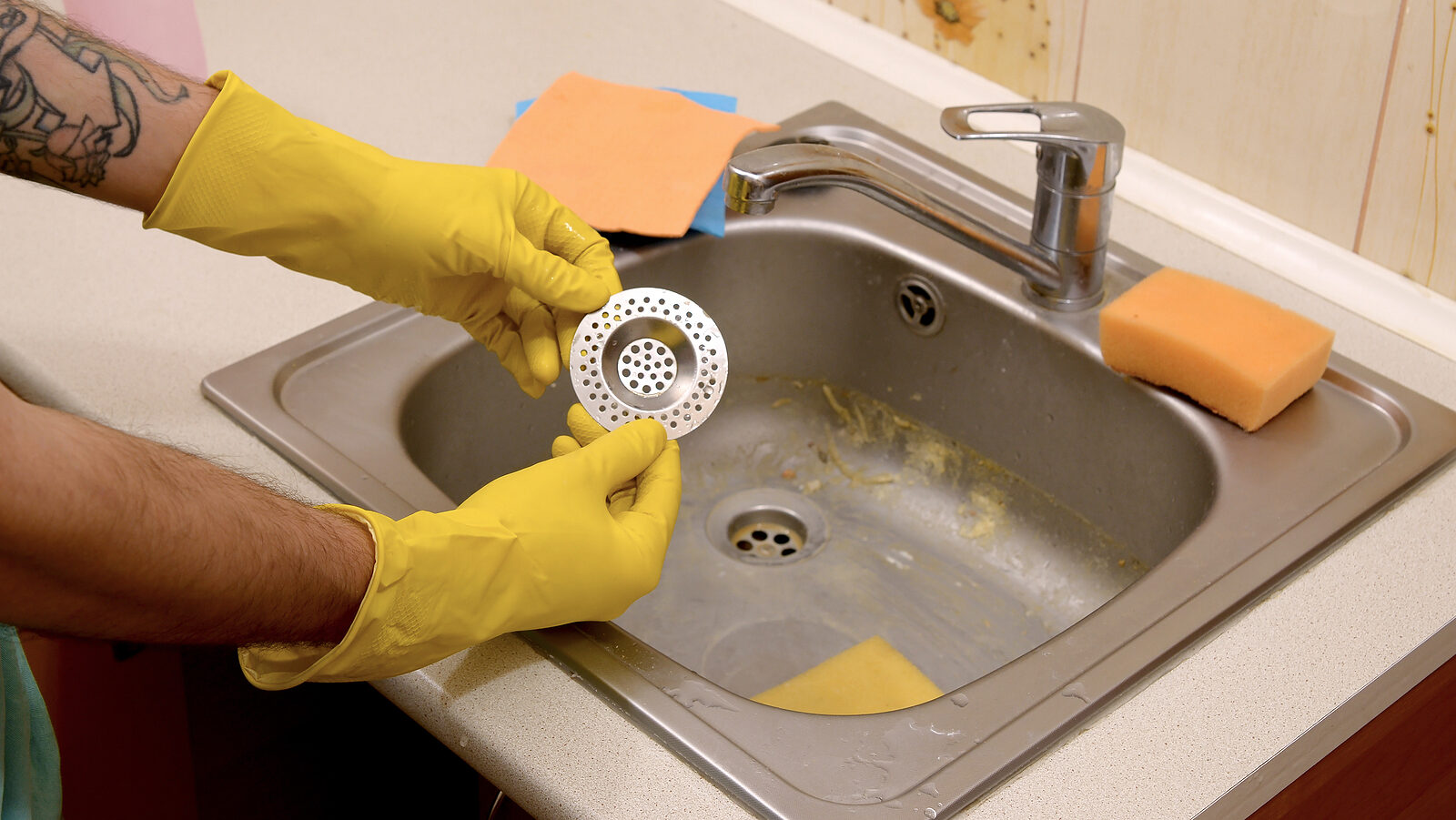
Image Source: blockbusters.co.uk
Why Does My Kitchen Drain Smell So Bad?
Before we dive into solutions, let’s explore the common culprits behind a smelly kitchen drain. Understanding the cause is the first step to a lasting fix.
Accumulation of Debris
Over time, food particles, grease, soap scum, and other organic matter can build up in your drain pipes. This gunk clings to the sides of the pipes, creating a breeding ground for bacteria. As these bacteria break down the organic material, they release gases that cause foul odors.
- Food Scraps: Small bits of food, even those that go down the garbage disposal, can get trapped.
- Grease and Oils: When hot grease or oil is poured down the drain, it cools and solidifies, coating the pipes and trapping other debris. This is a major contributor to clogged kitchen drain issues and smells.
- Soap Scum: Soap, especially bar soap, leaves behind a residue that can combine with hair and other particles to form a sticky buildup.
- Coffee Grounds: While often thought to be safe, coffee grounds can accumulate and create a sludge in the pipes.
Bacterial Growth
The moist environment within your drain pipes is ideal for bacteria to thrive. These microorganisms feed on the accumulated organic debris, and their metabolic processes produce volatile sulfur compounds (VSCs), which are responsible for the characteristic rotten-egg or sulfurous smell.
Dry P-Trap
The P-trap, the U-shaped pipe beneath your sink, is designed to hold a small amount of water. This water creates a seal that prevents sewer gases from rising into your kitchen. If the sink is not used for an extended period, or if there’s a problem with the plumbing, the water in the P-trap can evaporate, allowing sewer gases to escape and cause odors.
Septic System or Sewer Line Issues
In rare cases, a persistent and pervasive smell might indicate a larger problem with your home’s septic system or the main sewer line. This could involve blockages or leaks that need professional attention.
Natural Drain Cleaners and Odor Removal from Kitchen Sink
The good news is that many effective odor removal from kitchen sink solutions can be found in your pantry. These natural drain cleaners are not only effective but also safer for your pipes and the environment than harsh chemical drain cleaners.
The Power Duo: Baking Soda and Vinegar
This classic combination is a go-to for a reason. Baking soda and vinegar drain cleaning is a simple, safe, and effective way to tackle minor clogs and odors.
How it works:
- Baking Soda: Baking soda is a mild abrasive and an alkali. It helps to scrub away grime and neutralize acidic odors.
- Vinegar: Vinegar is acidic. When it reacts with baking soda, it creates a fizzy chemical reaction (carbon dioxide gas). This bubbling action helps to loosen debris and dislodge gunk from the pipe walls.
Steps for using baking soda and vinegar:
- Step 1: Clear the Sink: Remove any standing water from the sink.
- Step 2: Pour Baking Soda: Pour about ½ cup to 1 cup of baking soda directly down the drain. Try to get as much as possible into the drain opening.
- Step 3: Add Vinegar: Slowly pour about 1 cup of white vinegar down the drain over the baking soda. You’ll hear fizzing and see bubbling.
- Step 4: Cover and Wait: Immediately cover the drain with a stopper or a rag to keep the reaction working downwards in the pipes. Let it sit for at least 30 minutes, or preferably an hour or even overnight for tougher jobs.
- Step 5: Flush with Hot Water: After the waiting period, pour a kettle of boiling hot water down the drain. This will help to flush away the loosened debris and any remaining residue.
Table: Baking Soda and Vinegar Drain Cleaning
| Ingredient | Quantity | Purpose |
|---|---|---|
| Baking Soda | ½ – 1 cup | Mild abrasive, neutralizes odors |
| White Vinegar | 1 cup | Acidic, reacts with baking soda to fizz |
| Boiling Water | 1-2 kettles | Flushes away loosened debris |
Boiling Water Flush
Sometimes, a simple flush with boiling water is all that’s needed to melt away grease and loosen minor blockages. This is particularly effective for greasy kitchen drains.
How to do it:
- Boil a kettle or pot of water.
- Slowly and carefully pour the boiling water directly down the drain in stages. Avoid pouring it all at once, as this can cause splashing.
- Repeat this process a few times if necessary.
Caution: While effective for many drains, avoid this method if you have PVC pipes that are old or brittle, as extreme heat could potentially damage them. If you have a garbage disposal, check your manufacturer’s recommendations.
Lemon Juice and Hot Water
The acidic nature of lemon juice can help break down grease and leave a fresh, citrusy scent, acting as a natural drain freshener.
How to do it:
- Pour the juice of one or two lemons down the drain.
- Follow with a kettle of boiling hot water.
- For an extra scrub, you can add some baking soda before the lemon juice.
Salt and Hot Water
Salt can act as a mild abrasive and help to scrub away buildup.
How to do it:
- Pour ½ cup of salt down the drain.
- Follow with a kettle of boiling hot water.
- Let it sit for a few minutes before flushing with more hot water.
Deeper Cleaning Methods for Persistent Odors
If natural remedies aren’t fully cutting it, or if you suspect a more significant buildup, consider these deeper cleaning methods.
Using a Plunger
A good old-fashioned plunger can be surprisingly effective for dislodging clogs and the gunk that causes odors.
How to use a plunger for kitchen drains:
- Create a Seal: Ensure there’s enough water in the sink to cover the rubber cup of the plunger. If the sink is empty, add some water. If you have a double sink, block the other drain with a wet cloth to create a better seal.
- Position the Plunger: Place the plunger cup directly over the drain opening, ensuring a tight seal.
- Plunge Vigorously: Push and pull the plunger firmly several times. You’re aiming to create suction that will dislodge the blockage.
- Check and Repeat: Remove the plunger and see if the water drains. You may need to repeat the plunging process several times. Once the clog is cleared, flush the drain with hot water.
Drain Snake or Auger
For more stubborn clogs and buildup, a drain snake (also known as a plumbing auger) can be invaluable. This flexible tool can reach deeper into the pipes to break up or pull out obstructions.
How to use a drain snake:
- Insert the Snake: Feed the end of the snake into the drain opening.
- Advance and Rotate: Push the snake further into the pipe until you encounter resistance (the clog). Once you hit the clog, begin to rotate the handle of the snake. This will help the end of the snake to break through or hook onto the debris.
- Retrieve Debris: Slowly pull the snake back out, bringing any dislodged gunk with it.
- Flush Thoroughly: Once the obstruction is removed, flush the drain with plenty of hot water to clear any remaining debris.
This is a crucial step in kitchen drain cleaning for more substantial buildups.
Commercial Drain Cleaners (Use with Caution)
While natural methods are preferred, there are times when a commercial drain cleaner might be considered. However, it’s essential to use these products with extreme caution.
Important considerations for commercial drain cleaners:
- Read Instructions Carefully: Always follow the manufacturer’s instructions precisely.
- Ventilation: Ensure the area is well-ventilated, as these cleaners often produce strong fumes.
- Protective Gear: Wear gloves and eye protection.
- Avoid Mixing: Never mix different drain cleaning products, as this can create dangerous chemical reactions.
- Pipe Compatibility: Check if the product is safe for your specific type of pipes (e.g., PVC, metal).
- Environmental Impact: Many commercial cleaners contain harsh chemicals that can be harmful to the environment.
Consider these a last resort after trying other methods.
Long-Term Drain Maintenance and Prevention
The best way to deal with smelly kitchen drains is to prevent them from becoming smelly in the first place. Consistent drain maintenance is key.
What NOT to Put Down Your Kitchen Drain
Being mindful of what goes down your drain is paramount. Avoiding certain items can significantly reduce the likelihood of clogs and odors.
Items to Avoid:
- Grease, Fats, and Oils: Never pour these down the drain. Wipe greasy pans with paper towels before washing, or collect grease in a container to discard in the trash.
- Coffee Grounds: Despite common belief, coffee grounds don’t break down easily and can accumulate.
- Eggshells: The thin membrane inside eggshells can stick to pipes and trap other debris.
- Starchy Foods: Pasta, rice, and potato peels can expand with water and form clogs.
- Fibrous Foods: Celery, corn husks, artichokes, and asparagus have tough fibers that can get tangled.
- Bones and Fruit Pits: These are too hard for most garbage disposals and can cause damage or blockages.
- Abrasive Materials: Sand, kitty litter, or similar substances can scour and damage pipes.
- Chemicals: Paint, solvents, and harsh chemicals should never be poured down the drain.
Regular Flushing and Cleaning
Make a habit of regular drain maintenance.
- Daily Rinse: After using the sink, rinse the drain thoroughly with hot water for about 30 seconds. This helps to wash away any small particles before they accumulate.
- Weekly Deodorizing: Once a week, perform the baking soda and vinegar drain cleaning as described above. This is an excellent preventative measure.
Garbage Disposal Care
If you have a garbage disposal, it needs its own care to prevent smells.
- Run Cold Water: Always run cold water before, during, and for about 15-20 seconds after using the disposal. Cold water helps to solidify grease so it can be flushed away, rather than coating the pipes.
- Avoid Fibrous Materials: As mentioned above, avoid putting fibrous foods down the disposal.
- Grind Ice: Grinding a few trays of ice cubes in the disposal can help to scrape away buildup from the disposal’s grinding chamber and drain pipes.
- Citrus Peels: Grind up citrus peels (lemons, oranges, limes) occasionally. The oils can help to freshen the disposal and pipes.
- Baking Soda and Vinegar for Disposals: You can also use the baking soda and vinegar method to clean the disposal itself. Pour baking soda into the disposal, followed by vinegar, let it fizz, then flush with cold water.
Grease Trap Cleaning (Commercial and Household)
For many restaurants and commercial kitchens, and some older homes, a grease trap is installed to intercept grease and solids before they enter the main sewer system. If you have a grease trap, regular grease trap cleaning is essential to prevent backups and odors. Even in homes without a dedicated grease trap, grease can accumulate in the drain pipes, effectively acting as a localized grease trap. Proper drain pipe maintenance that prevents grease buildup is crucial.
Identifying and Addressing Deeper Plumbing Issues
If you’ve tried various cleaning methods and the smell persists, or if you suspect a more significant problem, it might be time to investigate deeper plumbing issues.
Checking the P-Trap Water Seal
As mentioned earlier, a dry P-trap can allow sewer gases to enter your kitchen.
- Test: If your sink is rarely used, run water for a minute or two to ensure the P-trap is full. You can also pour a cup of water down the drain periodically if the sink is seldom used.
Inspecting Vent Pipes
Your home’s plumbing system has vent pipes that allow sewer gases to escape safely through your roof. If these vents become blocked by leaves, nests, or debris, it can create pressure imbalances and lead to foul odors.
- Signs of Blocked Vents: Gurgling sounds from drains, slow draining, and unusual smells.
- Action: Inspecting and clearing vent pipes is usually a job for a professional roofer or plumber.
Signs of a Clogged Kitchen Drain Requiring Professional Help
While many kitchen drain issues can be managed with DIY methods, some situations warrant a call to a professional plumber.
- Persistent and Strong Odors: Odors that don’t improve after thorough cleaning.
- Multiple Slow Drains: If more than one drain in your house is draining slowly.
- Gurgling Sounds: Strange gurgling noises coming from drains, especially when other fixtures are used.
- Water Backups: If water backs up into your sink or tub when you flush a toilet.
- Visible Blockages: If you can see a clear obstruction that you cannot safely remove.
A plumber can diagnose issues related to drain pipe maintenance and more complex blockages, ensuring your plumbing system is functioning correctly.
Frequently Asked Questions About Smelly Kitchen Drains
Q1: How often should I clean my kitchen drain to prevent smells?
A: It’s recommended to do a preventative cleaning with baking soda and vinegar at least once a week. Regular flushing with hot water after each use also helps immensely.
Q2: Can I pour bleach down my kitchen drain to get rid of the smell?
A: While bleach can kill bacteria, it’s generally not recommended for routine drain cleaning. It can damage some pipe materials, especially older ones, and is harmful to the environment. Plus, it doesn’t address the underlying gunk buildup that causes the smell. Natural methods are safer and more effective for long-term drain maintenance.
Q3: My garbage disposal smells. What can I do?
A: For a smelly garbage disposal, try grinding ice cubes to clean the blades and pipes. Then, use the baking soda and vinegar method described earlier. Grinding citrus peels can also help freshen it up. Always run cold water when using the disposal.
Q4: What are the best drain fresheners?
A: Natural options like lemon juice, vinegar, and baking soda mixtures are excellent drain fresheners. They not only neutralize odors but also help clean the pipes. Some commercial drain fresheners are available, but often contain fragrances that mask rather than eliminate odors and may not have cleaning benefits.
Q5: I have a persistent clog and smell. Should I use a chemical drain cleaner?
A: If natural methods and plunging haven’t worked, a chemical drain cleaner might seem tempting. However, they can be harsh on pipes and the environment. Consider trying a drain snake first. If the problem persists, it’s best to call a plumber to address the clogged kitchen drain and potential underlying issues with drain pipe maintenance.
By implementing these tips for kitchen drain cleaning, odor removal from kitchen sink, and consistent drain maintenance, you can keep your kitchen smelling fresh and your drains flowing freely. Remember, prevention is always easier than cure!