
What is the standard depth of a kitchen counter? The standard kitchen counter depth in the United States is 25 inches. This measurement typically refers to the depth of the base cabinets, which then supports the countertop. Let’s delve deeper into why this dimension is so prevalent and explore the various countertop dimensions that impact your kitchen’s functionality and design.
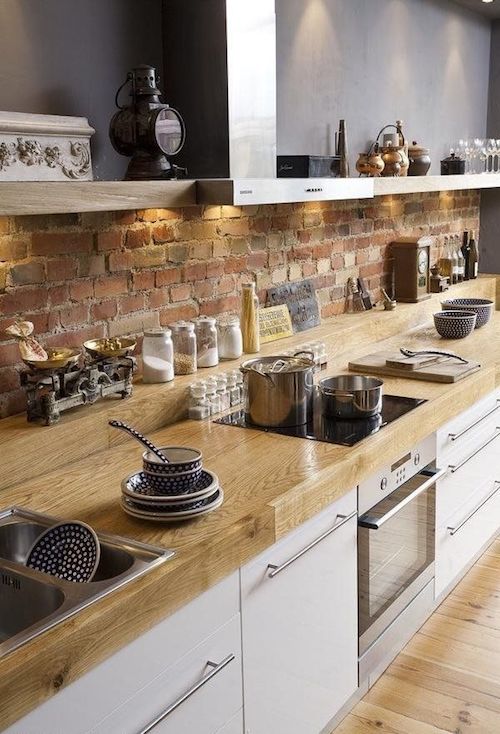
Image Source: victoriaelizabethbarnes.com
Deciphering Standard Counter Dimensions
When we talk about counter depth, we’re usually referring to the depth of the cabinet box. This is because the countertop itself will typically extend beyond the cabinet to provide a comfortable working surface and often an overhang. Understanding these basic measurements is crucial for planning your kitchen layout and ensuring it meets your needs for both cooking and everyday living.
Standard Cabinet Depth: The Foundation
The most common standard cabinet depth for base cabinets is 24 inches. These cabinets form the sturdy foundation for your countertops. They house drawers, shelves, and often appliances like dishwashers and ovens. The 24-inch depth is a well-established industry standard for good reason, balancing storage capacity with the need for adequate walkway space in the kitchen.
Countertop Material and Its Impact on Depth
While the cabinet depth is standard, the actual countertop dimensions can vary slightly depending on the material chosen. Different countertop materials have varying thicknesses, which can add a small amount to the overall depth.
- Laminate: Typically around 1.5 inches thick.
- Solid Surface (e.g., Corian): Can be 0.5 to 1.5 inches thick.
- Granite, Quartz, Marble: Usually between 1.25 and 2 inches thick.
- Butcher Block: Can range from 1.5 inches to 3 inches or more.
These thicknesses are added to the cabinet depth, meaning a 24-inch deep cabinet with a 1.5-inch thick countertop will have an overall depth of 25.5 inches.
Counter Overhang Depth: Creating Usable Space
The counter overhang depth is a critical element that expands the usable counter depth and enhances functionality. This is the portion of the countertop that extends beyond the front of the base cabinets.
- Standard Counter Overhang: The generally accepted counter overhang depth for kitchen countertops is 1.5 inches. This provides enough space for comfortable seating at an island or peninsula, allowing knees to fit comfortably without bumping into the cabinet face.
- Functional Overhang: For areas without seating, a 1-inch overhang is often sufficient. However, a larger overhang might be preferred for aesthetic reasons or to accommodate specific appliance installations.
- Structural Considerations: It’s important to note that overhangs beyond a certain point require structural support, such as additional bracing or the use of thicker countertop materials, to prevent sagging or breakage. For granite or quartz, an overhang of up to 10-12 inches is often possible without additional support, depending on the slab thickness. Laminate and solid surface materials typically have limitations on overhang size.
Kitchen Workspace Depth: Optimizing Your Layout
The kitchen workspace depth is the total distance from the front edge of your countertop to the nearest obstruction, such as a wall, another countertop, or a major appliance. This measurement directly impacts how comfortable and efficient your kitchen is to use.
- Main Work Areas: The primary working zones, like the space between the sink and the stove, or the counter space next to the refrigerator, need ample depth. A typical kitchen workspace depth should ideally be at least 36 inches.
- Traffic Flow: Ensuring adequate kitchen workspace depth also means considering the pathways. You need enough space to move around freely while working, opening drawers and appliance doors, and passing others in the kitchen. Aisles should generally be at least 36 inches wide, with 42-48 inches being ideal for busy kitchens or those with multiple cooks.
Beyond the Standard: Exploring Variations
While 25 inches is the benchmark, various factors can lead to deviations from this standard kitchen counter depth. These variations are often driven by specific design choices, functional requirements, or the type of cabinetry used.
Custom Cabinetry and Counter Depth
Custom-built cabinets offer the most flexibility in determining your counter depth. If you have a particular need for more or less depth, custom options can accommodate this.
- Deeper Cabinets: Some homeowners opt for deeper cabinets (e.g., 27 or 30 inches) to maximize storage space, especially in larger kitchens. This can provide significantly more usable counter space.
- Shallower Cabinets: In very compact kitchens or specific layouts where space is extremely limited, shallower cabinets (e.g., 18 or 21 inches) might be used. However, this significantly reduces the usable counter depth and storage within the cabinets.
Kitchen Island Counter Depth: A Central Hub
The kitchen island counter depth is a significant design element that often dictates its primary use. Islands can serve multiple purposes, from food preparation to casual dining, and their dimensions reflect these roles.
- Standard Island Depth: Similar to perimeter counters, a standard kitchen island counter depth often starts with a 24-inch deep cabinet base. However, islands frequently incorporate features that increase their overall depth.
- Seating and Overhangs: For islands with seating, the countertop will extend beyond the cabinet base. A common counter overhang depth for seating is 12 inches, providing comfortable legroom. This means an island with a 24-inch cabinet base and a 12-inch overhang would have a total counter depth of 36 inches on the seating side.
- Two-Tiered Islands: Some islands feature a higher bar area for seating, which can add to the overall depth and create distinct zones for cooking and socializing.
- Appliance Integration: If appliances like cooktops or sinks are integrated into the island, the counter depth needs to accommodate the appliance’s dimensions and any necessary clearances. For example, a standard range needs a certain depth for its installation.
Appliances and Counter Depth
The depth of your appliances plays a crucial role in how your countertops are installed and how much usable counter depth you have in front of them.
- Standard Depth Appliances: Most standard-depth refrigerators are around 29-33 inches deep. Standard ranges are typically 25-27 inches deep. Dishwashers are usually around 24 inches deep. The 25-inch counter depth is designed to work seamlessly with these standard appliances, often with the countertop sitting flush with the front of most appliances or extending slightly beyond.
- Counter-Depth Appliances: Counter-depth refrigerators are designed to align more closely with the front of standard base cabinets, typically measuring around 24-27 inches deep. This creates a more streamlined look but may offer less interior storage space. When using counter-depth appliances, you might consider a slightly deeper countertop or a deeper cabinet to maintain a more substantial kitchen workspace depth.
Accessibility and Ergonomics: Comfortable Counter Height
While depth is important, the average kitchen counter height is equally critical for ergonomics and usability.
- Standard Counter Height: The average kitchen counter height in the US is 36 inches from the floor to the top of the countertop. This height is generally considered comfortable counter height for the majority of adults, allowing for comfortable standing work and easy access.
- Ergonomic Considerations: The 36-inch height is based on averages. For individuals who are significantly taller or shorter, custom counter heights can be implemented. For example, a shorter person might prefer a counter height of 30-32 inches, while a taller person might find 38-40 inches more comfortable.
- Varied Heights: Many kitchens now incorporate varied counter heights. For instance, a baking station might be at a slightly lower height (e.g., 30 inches) to reduce strain during kneading, while a breakfast bar on an island might be at a standard 36 inches or a higher bar height of 42 inches. This allows for more specific task-oriented comfort.
Factors Influencing Counter Depth Decisions
Several factors can influence your choice of counter depth, going beyond the basic standard kitchen counter depth.
Functionality and Task Requirements
- Baking and Prep: For serious bakers or those who do a lot of food preparation, a greater usable counter depth is invaluable. It provides more space to chop, mix, and lay out ingredients without feeling cramped.
- Appliance Placement: The depth needed to accommodate appliances like stand mixers, food processors, or even a standard toaster oven will influence your counter depth requirements.
- Entertaining: If you frequently entertain, a deeper counter or a larger island provides more space for serving dishes and for guests to gather around.
Kitchen Size and Layout
- Compact Kitchens: In smaller kitchens, maximizing every inch is crucial. You might need to balance a slightly shallower counter to allow for wider walkways with the desire for more prep space.
- Large Kitchens: Larger kitchens offer more freedom. You can comfortably opt for deeper cabinets or wider walkways, enhancing both functionality and the overall sense of space. The kitchen design counter dimensions in larger spaces can be more generous.
Aesthetic Preferences
- Modern vs. Traditional: While not a primary driver, the perceived depth can sometimes influence the aesthetic. Deeper counters can sometimes make a kitchen feel more substantial.
- Consistency: Maintaining consistent countertop dimensions throughout your kitchen generally creates a cleaner, more cohesive look, unless intentional variations are part of the design.
Achieving Optimal Kitchen Workspace Depth
Creating an optimal kitchen workspace depth involves careful planning of both counter depth and surrounding clearances.
Calculating Usable Counter Depth
To calculate your usable counter depth, subtract the thickness of your backsplash (if any) and the cabinet face from the total countertop depth.
- Example: A 25-inch deep countertop with a 0.75-inch cabinet face and a 1.5-inch backsplash leaves you with approximately 22.75 inches of usable counter depth for working. This is why the overhang is so important, as it extends this usable space forward.
Balancing Depth with Clearance
The key to a well-designed kitchen is finding the right balance between counter depth and necessary clearances for movement and appliance operation.
- Work Zones: Ensure that each primary work zone (e.g., prep area, cooking area, cleaning area) has sufficient kitchen workspace depth and adequate clearance from other elements.
- Appliance Doors: Remember to account for the swing of appliance doors. A refrigerator door or oven door opening into a walkway can be a significant impediment if clearances are not carefully considered.
Frequently Asked Questions About Kitchen Counter Depths
Q1: Can I install wider countertops than the standard 25 inches?
Yes, you can install wider countertops. The standard 25 inches is based on the typical 24-inch deep cabinet base plus a standard overhang. You can choose deeper cabinets or have custom cabinets made to accommodate deeper countertops. However, ensure that deeper counters do not impede traffic flow or create usability issues with standard appliance depths.
Q2: How much overhang is too much for a countertop?
For stone countertops like granite or quartz, an overhang of up to 10-12 inches is generally acceptable without additional support, depending on the thickness of the slab. For laminate or solid surface materials, the maximum overhang is usually more limited, often around 6-10 inches, and may require specific support structures. Exceeding these limits without proper support can lead to sagging or breakage.
Q3: Does counter depth affect cabinet storage?
Yes, a deeper countertop generally means deeper base cabinets. This can provide more storage space within the cabinets. However, the most common standard cabinet depth is 24 inches, and while countertops extend beyond this, the internal storage capacity of the cabinet remains tied to its 24-inch depth unless you opt for custom deeper cabinets.
Q4: What is the best kitchen counter depth for baking?
For baking and extensive food preparation, a greater usable counter depth is highly beneficial. Consider countertops that are at least 27-30 inches deep, especially in your primary prep zone. This allows ample space for ingredients, equipment, and comfortable working.
Q5: What is the average height of a kitchen counter for sitting?
When used for seating, kitchen counters (often on islands or peninsulas) are typically around 36 inches high, matching the average kitchen counter height. This allows for comfortable use with standard bar stools. For a higher bar seating experience, counters can be built to 42 inches high, requiring taller bar stools.
Q6: How do I choose the right counter dimensions for my kitchen?
Consider your primary activities in the kitchen, the size of your space, and the appliances you plan to use. Measure your walkways carefully. Look at kitchen design counter dimensions in magazines or online for inspiration, focusing on how different depths and overhangs are used in practical settings. Always prioritize functionality and comfortable ergonomics.
By carefully considering these countertop dimensions and how they relate to the overall kitchen design, you can create a space that is both beautiful and highly functional for all your culinary and everyday needs. The standard kitchen counter depth of 25 inches is a reliable starting point, but don’t be afraid to customize to achieve your perfect kitchen workspace depth and comfortable counter height.