
Can you touch up kitchen cabinets yourself? Yes, you absolutely can! Many homeowners can successfully touch up their kitchen cabinets with the right guidance and a little patience, making them look refreshed and new. This guide will walk you through the process, covering everything from simple scratch repair to a more involved cabinet renewal.
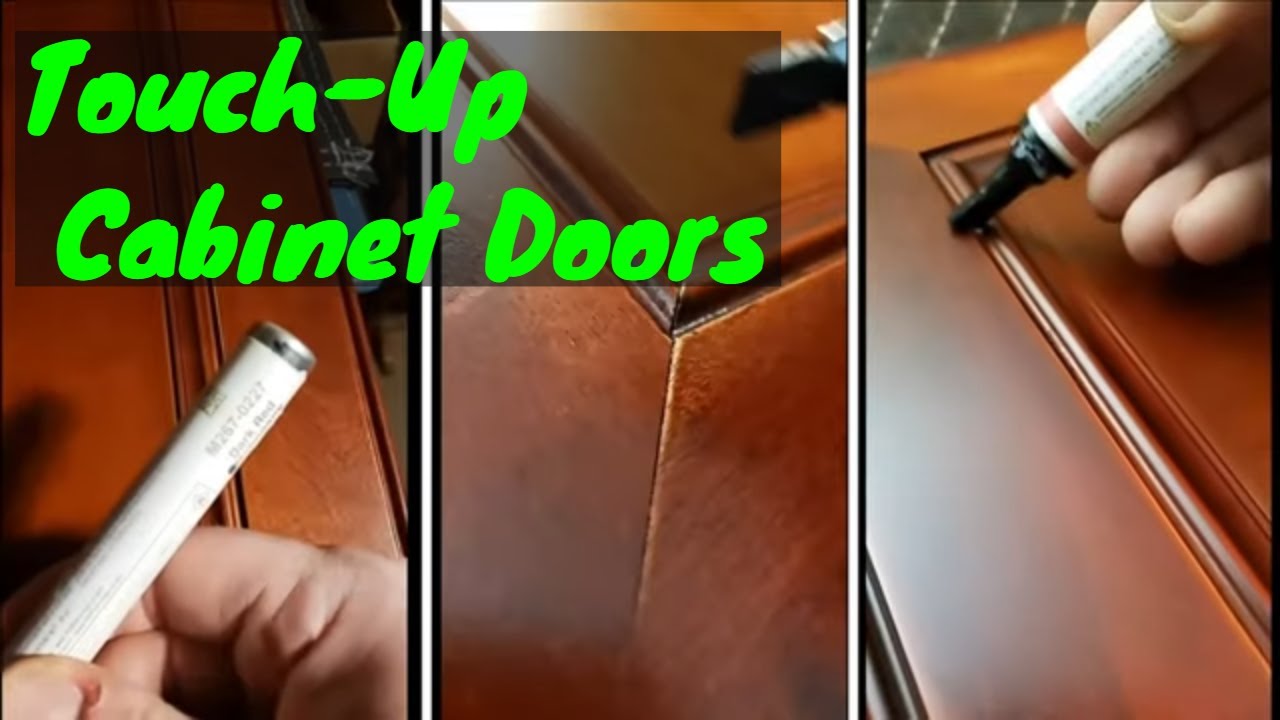
Image Source: i.ytimg.com
Giving Your Kitchen Cabinets a Fresh Look
Over time, kitchen cabinets can show signs of wear and tear. Scratches, scuffs, and fading can dull their appearance, making your whole kitchen feel a bit tired. But before you consider a complete cabinet refinishing or cabinet painting, a simple touch-up can often work wonders. This DIY cabinet restoration process is a budget-friendly way to revive your cabinets and boost your kitchen’s overall appeal. We’ll cover how to tackle common issues and bring back that showroom shine.
Essential Supplies for Cabinet Touch-Ups
Gathering the right tools and materials is key to achieving professional-looking results. Having everything ready before you start will make the process smooth and efficient.
Tools You’ll Need:
- Clean cloths: Microfiber cloths are best for gentle cleaning and applying finishes.
- Soft brushes: Small, high-quality artist brushes or specialized cabinet touch-up brushes are perfect for precise application.
- Sanding sponges or fine-grit sandpaper: 220-grit is a good starting point for most minor repairs.
- Wood filler or putty: Choose a color that matches your cabinets or a stainable option.
- Applicators for filler: A putty knife or your finger can work for small areas.
- Safety glasses: Protect your eyes from dust and debris.
- Gloves: Keep your hands clean and protected.
Finishing Materials:
- Cabinet stain: If your cabinets are stained, you’ll need a stain that matches.
- Cabinet paint: If your cabinets are painted, you’ll need a small amount of matching paint.
- Clear coat or sealant: A satin or semi-gloss finish is common for cabinets.
- Mineral spirits or appropriate cleaner: For cleaning brushes and surfaces.
Preparing Your Cabinets for Touch-Ups
Proper preparation is the most crucial step for any cabinet repair or renewal. Skipping this can lead to a less-than-ideal finish.
Step 1: Thorough Cabinet Cleaning
Before you can address any damage, your cabinets need a deep clean. Dust, grease, and grime can interfere with adhesion and make your touch-ups look uneven.
- Remove cabinet hardware: Take off knobs and pulls. This makes cleaning and touching up much easier and prevents accidental damage to the hardware.
- Gentle soap and water: Mix a few drops of mild dish soap with warm water.
- Wipe down surfaces: Use a clean, soft cloth dampened with the soapy water. Work in sections and rinse the cloth frequently.
- Rinse thoroughly: Use a separate cloth dampened with clean water to wipe away any soap residue.
- Dry completely: Use a dry, lint-free cloth to ensure cabinets are bone dry. This is vital to prevent water from affecting the finish.
Step 2: Inspecting for Damage
Carefully examine each cabinet door and drawer front. Look for:
- Scratches: Are they surface-level or deep gouges?
- Dings and dents: Small imperfections that might need filling.
- Fading or wear: Areas where the finish has rubbed off.
- Chipped paint or stain: More significant damage that might require more effort.
Tackling Common Cabinet Issues
Once your cabinets are clean and you’ve identified the problems, it’s time to fix them.
Addressing Cabinet Scratch Repair
The method for cabinet scratch repair depends on the depth of the scratch and the cabinet’s finish.
For Light Surface Scratches (on Stained or Painted Cabinets):
These are usually superficial and haven’t penetrated the wood or primer.
- Clean the area: Ensure the scratch is free of dust.
- Use a touch-up pen or marker: For painted cabinets, find a paint pen or marker that matches your cabinet color. For stained cabinets, use a wood-tone marker or crayon.
- Apply carefully: Draw the marker along the scratch. Wipe away excess with a clean cloth immediately. It might take a couple of light applications to blend.
For Deeper Scratches on Stained Cabinets:
These scratches have likely removed some of the stain or even the wood itself.
- Clean the scratch: Make sure it’s clear of debris.
- Apply matching cabinet stain: Use a fine artist’s brush to carefully apply a small amount of matching stain directly into the scratch.
- Wipe and blend: Immediately wipe away any excess stain with a clean cloth, blending it with the surrounding area. You might need to apply a second coat to build up the color. Allow to dry fully between coats.
- Apply clear coat: Once the stain is dry, apply a thin layer of matching clear coat with a fine brush.
For Deeper Scratches and Gouges on Painted Cabinets:
These require a bit more filling and recoloring.
- Clean the scratch: Ensure it’s clean.
- Apply wood filler: For gouges, use a small amount of wood filler. Apply it with a putty knife, pressing it firmly into the scratch. Smooth it flush with the cabinet surface.
- Let it dry: Allow the filler to dry completely according to the product instructions.
- Sand lightly: Once dry, lightly sand the filled area with a fine-grit sanding sponge (220-grit) until it’s smooth and level with the surrounding paint.
- Wipe away dust: Clean the area with a tack cloth or damp cloth.
- Paint the area: Using a small, fine-tipped brush, carefully apply a thin coat of matching cabinet paint to the repaired area. Let it dry. You may need a second coat for full coverage. Feather the edges of the paint to help it blend.
Filling Dings and Small Holes
Small dents and nail holes can be easily fixed with wood filler.
- Apply filler: Use a putty knife to apply a small amount of wood filler into the ding or hole. Press it in firmly.
- Smooth it out: Scrape away any excess filler, leaving the surface as flush as possible.
- Allow to dry: Let the filler dry completely. This can take anywhere from a few minutes to a couple of hours, depending on the product and the size of the repair.
- Sand smooth: Once dry, gently sand the filled area with fine-grit sandpaper or a sanding sponge until it’s smooth and level with the cabinet surface.
- Clean the dust: Wipe the area with a clean, damp cloth or tack cloth to remove all dust.
- Touch up finish: Apply matching cabinet stain or paint, as described for scratch repair.
Refreshing Worn Areas
Sometimes, cabinets don’t have specific scratches but areas where the finish has simply worn away.
- For stained cabinets: Clean the area thoroughly. Lightly sand the worn area if it feels rough. Apply a thin coat of matching cabinet stain with a fine brush. Wipe away excess. Once dry, apply a thin coat of matching clear coat.
- For painted cabinets: Clean the area. Lightly sand if needed. Apply thin coats of matching paint with a fine brush, allowing each coat to dry completely. Feather the edges to blend.
Cabinet Stain Touch Up Techniques
When working with stained cabinets, matching the color is key.
Matching the Stain Color
This is often the trickiest part of cabinet stain touch up.
- Test in an inconspicuous area: Always test your stain on the back of a cabinet door or an inside panel first to ensure the color is a good match.
- Apply in thin coats: It’s better to apply multiple thin coats of stain than one thick one.
- Use a fine brush: A small, natural-bristle brush is ideal for precise application.
- Wipe off excess: For most stains, wiping away excess with a clean cloth helps blend the color and prevent blotchiness.
Applying a Clear Coat
After stain touch-ups, you’ll likely need to reapply a clear coat to protect the area and match the sheen.
- Choose the right sheen: Ensure your clear coat matches the existing finish (e.g., satin, semi-gloss).
- Apply thinly and evenly: Use a good quality brush and apply a thin, even coat. Avoid over-brushing.
- Allow drying time: Let the clear coat dry completely between coats and before reattaching hardware.
Cabinet Painting Tips for Touch-Ups
If your cabinets are painted, touching up can be simpler, but still requires care.
Color Matching is Crucial
- Find the original paint: If you’re lucky, you might have leftover paint from when the cabinets were originally painted.
- Take a chip to the store: If you don’t have leftover paint, carefully pry off a small chip of paint from an inconspicuous area (like inside a door) and take it to a paint store. They can often match the color and sheen.
- Use a paint pen or small sample pot: For very small scratches, a paint pen or a small sample pot of matching paint is perfect.
Application Techniques
- Use a high-quality fine brush: A small artist’s brush or a fine-tipped foam brush will give you the most control.
- Apply in thin layers: This is essential for blending. Thick paint will stand out.
- Feather the edges: When painting a small area, lightly feather the edges of the paint into the existing finish to help it blend seamlessly.
- Consider a matte finish: If you’re touching up a matte finish, it’s generally more forgiving than glossier finishes.
Advanced Cabinet Renewal: When Touch-Ups Aren’t Enough
Sometimes, minor touch-ups won’t cut it. If your cabinets are significantly worn, chipped, or you simply want a new look, you might consider more extensive options.
Cabinet Refinishing vs. Cabinet Painting
- Cabinet Refinishing: This typically involves stripping the old finish, sanding, staining, and applying a new clear coat. It’s a great option if the wood itself is in good condition and you want to maintain or change the wood tone.
- Cabinet Painting: This is ideal if you want a completely new color for your cabinets or if the wood underneath is not in the best condition. Painting can dramatically change the look of your kitchen.
DIY Cabinet Restoration
This is a broader term that can encompass both touch-ups and more involved refinishing or painting projects. If you’re looking for a complete cabinet renewal without hiring a professional, this is the route to consider.
Steps for a More Extensive DIY Cabinet Restoration:
- Remove all doors and drawers: Take everything out for easier access.
- Clean thoroughly: As mentioned before, a deep clean is essential.
- Repair significant damage: Fill larger holes, repair veneer, or fix any structural issues.
- Sand surfaces: Lightly sand all surfaces to create a surface for the new finish to adhere to.
- Apply new finish: This could be staining or painting, depending on your desired outcome.
- For staining: Apply stain evenly, wipe off excess, and let dry. Apply multiple thin coats for desired depth.
- For painting: Apply a primer specifically designed for cabinets. Once dry, apply thin, even coats of your chosen cabinet paint.
- Apply protective topcoat: A durable clear coat (polyurethane, polycrylic) is essential for protection against wear and tear.
- Reassemble hardware: Once everything is fully dry and cured, reattach your cabinet hardware.
Cabinet Resurfacing
Cabinet resurfacing is another option that can give your cabinets a new look. This often involves applying a new laminate or veneer over the existing cabinet structure. While this can be a DIY project, it often requires more specialized tools and techniques than simple touch-ups.
Cabinet Hardware Replacement
A simple yet highly effective way to update your kitchen cabinets is to replace the hardware. New knobs or pulls can dramatically change the style and feel of your cabinets.
- Measure existing holes: Ensure your new hardware will fit the existing screw holes. If not, you may need to drill new holes or use a mounting plate.
- Consider the style: Choose hardware that complements your kitchen’s overall design.
- Easy installation: This is usually as simple as unscrewing the old hardware and screwing in the new.
Protecting Your Newly Touched-Up Cabinets
Once you’ve revitalized your cabinets, taking steps to maintain them will ensure they stay looking great for longer.
- Regular cleaning: Wipe down cabinets regularly with a soft, damp cloth to prevent grease and grime buildup.
- Avoid harsh chemicals: Stick to mild soap and water or specialized cabinet cleaners. Avoid abrasive cleaners or solvents that can damage the finish.
- Be mindful of moisture: Wipe up spills immediately, as prolonged exposure to moisture can damage wood finishes.
- Use coasters: For items placed on countertops directly below cabinets, consider using coasters to protect against condensation rings that could stain the cabinets above.
Summary of Cabinet Touch-Up Steps
Here’s a quick recap of the process for achieving professional-looking cabinet touch-ups:
| Step | Key Actions |
|---|---|
| Gather Supplies | Collect cloths, brushes, filler, sandpaper, stain/paint, clear coat, safety gear. |
| Prepare Cabinets | Remove hardware, clean thoroughly, and dry completely. |
| Inspect & Identify | Look for scratches, dings, wear, and chips. |
| Repair Scratches | Use touch-up pens, stain, filler, and paint as needed, blending carefully. |
| Fill Dings & Holes | Apply filler, let dry, sand smooth, and touch up finish. |
| Address Worn Areas | Lightly sand if needed, apply matching stain or paint, and clear coat. |
| Match Colors | Test stain/paint in an inconspicuous area before full application. |
| Apply Clear Coat | Use a matching sheen and apply thinly and evenly to protect and blend. |
| Consider Upgrades | Think about cabinet hardware replacement for a bigger impact. |
| Protect & Maintain | Clean regularly with mild solutions to keep cabinets looking fresh. |
Frequently Asked Questions (FAQ)
Q1: Can I touch up cabinets with a different color stain or paint?
Yes, if you are planning a more extensive cabinet renewal, you can change the color. However, for simple touch-ups, it’s best to match the existing color as closely as possible to avoid noticeable patches.
Q2: How do I choose the right color stain for my cabinets?
The best approach is to test the stain in an inconspicuous area first. If you have a small piece of the original wood or a loose trim piece, that’s an ideal place to test. Otherwise, the back of a door or the inside of a cabinet frame can work.
Q3: What is the best way to repair deep scratches on kitchen cabinets?
For deep scratches or gouges, you’ll likely need to use wood filler. Apply it, let it dry, sand it smooth, and then carefully match the color with stain or paint. Finally, apply a clear coat to seal the repair.
Q4: How often should I clean my kitchen cabinets?
Regular cleaning, perhaps weekly or bi-weekly, with a soft cloth will prevent buildup. A more thorough cleaning using mild soap and water can be done every few months.
Q5: What’s the difference between cabinet refinishing and cabinet painting?
Cabinet refinishing usually involves stripping the old finish and reapplying stain and a clear coat. Cabinet painting involves applying primer and multiple coats of paint. Both are forms of cabinet renewal, but the process and final look are different.
By following these steps, you can effectively touch up your kitchen cabinets, giving them a refreshed look and extending their lifespan. Enjoy your revitalized kitchen!