
What is the standard depth of a kitchen cabinet? Most kitchen cabinets, particularly base cabinets, have a standard depth of 24 inches. This depth is crucial for accommodating standard appliances like ovens and dishwashers, as well as providing ample workspace on the countertop. Upper cabinets, however, are typically shallower, with a common depth of 12 inches. This article will delve into the various cabinet depth considerations for your kitchen, exploring standard kitchen cabinet dimensions, the specifics of upper cabinet depth and base cabinet depth, and the advantages of counter depth cabinets. We’ll cover kitchen cabinet measurements, standard cabinet sizes, cabinet installation depth, and common kitchen cabinet depths to help you make informed decisions for your kitchen design.
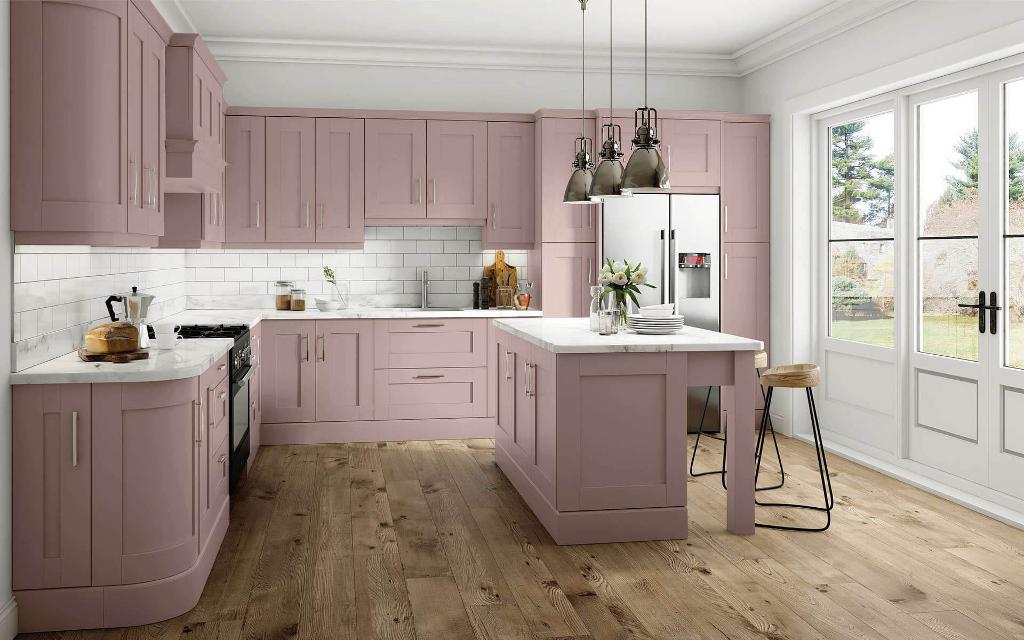
Image Source: www.betterkitchens.co.uk
The Foundation: Base Cabinet Depth
Base cabinets form the backbone of your kitchen’s functionality. Their depth is a critical factor in how you use your kitchen. The vast majority of base cabinets, when measured from the wall to the front edge of the cabinet box itself (excluding the countertop), are 24 inches deep. This standard cabinet size is not arbitrary; it’s a deliberate choice based on practicality and the dimensions of common kitchen appliances.
Why 24 Inches for Base Cabinets?
- Appliance Accommodation: Many standard kitchen appliances, such as refrigerators, dishwashers, and ovens, are designed to fit flush with a 24-inch deep countertop. Having a base cabinet that is also 24 inches deep allows these appliances to be installed seamlessly, creating a clean, uniform look and preventing them from sticking out into your kitchen walkway.
- Countertop Support: A 24-inch deep cabinet box provides a robust and stable foundation for a standard 25-inch deep countertop. The extra inch of countertop overhang is typical and serves a purpose: it allows for easier opening of cabinet doors and drawers, prevents fingers from hitting the cabinet box when reaching for items on the counter, and can even help catch spills.
- Storage Capacity: The 24-inch depth maximizes the usable storage space within your base cabinets. This depth allows you to store larger items, pots and pans, small appliances, and pantry staples efficiently. You can fit standard-sized mixing bowls, baking sheets, and even many slow cookers comfortably.
Variations in Base Cabinet Depth
While 24 inches is the standard, there can be some minor variations or specific reasons for choosing a different base cabinet depth:
- Custom Designs: For highly customized kitchens, designers might opt for slightly deeper or shallower base cabinets to achieve a specific aesthetic or to accommodate unique appliance sizes.
- Corner Cabinets: Corner base cabinets often have a different configuration to maximize space. While the front face might align with the 24-inch standard, the internal depth can vary depending on the type of corner cabinet (e.g., lazy Susan, blind corner).
- Appliance Garages: Some custom base cabinets might be designed with integrated appliance garages, which can affect the overall internal depth.
When discussing kitchen cabinet measurements, it’s important to distinguish between the cabinet box depth and the total depth including the countertop and any overhang.
Reaching Upwards: Upper Cabinet Depth
Upper cabinets, also known as wall cabinets, hang on the wall above your countertops. Their primary purpose is to provide accessible storage without taking up valuable floor space. The depth of upper cabinets plays a crucial role in accessibility and safety.
The Standard 12-Inch Depth
The most common kitchen cabinet depths for upper cabinets is 12 inches. This depth offers a good balance between storage capacity and accessibility.
- Accessibility: A 12-inch depth allows most people to easily reach items stored in the front and middle of the shelves without needing a step stool. Deeper upper cabinets could make it difficult to reach items at the back.
- Clearance: This depth ensures adequate clearance between the countertop and the bottom of the upper cabinet. This space is essential for comfortable food preparation and for housing countertop appliances like toasters, coffee makers, or blenders. The standard distance between the countertop and the bottom of an upper cabinet is typically 18 inches.
- Storage: While not as deep as base cabinets, 12-inch deep upper cabinets can still store a significant amount of kitchenware, including plates, bowls, glasses, mugs, canned goods, and spices.
Why Not Deeper or Shallower Upper Cabinets?
- Deeper Upper Cabinets:
- Accessibility Issues: Reaching items at the back of deeper upper cabinets (e.g., 15 or 18 inches) becomes very challenging for most individuals. This can lead to items being forgotten or going unused.
- Potential Hazard: Deeper upper cabinets can also feel more imposing and might create a sense of being too close to the wall when working at the counter, especially in smaller kitchens.
- Cost: Deeper cabinets typically require more material and can be more expensive to manufacture.
- Shallower Upper Cabinets:
- Limited Storage: Very shallow upper cabinets (e.g., 8 or 10 inches) offer less storage capacity. While they can be useful for displaying decorative items or storing very lightweight things, they are less practical for everyday kitchen essentials.
- Aesthetic Impact: Shallower cabinets might make the kitchen feel less substantial or proportionate, depending on the overall kitchen design.
Variations in Upper Cabinet Depth
Similar to base cabinets, there are some exceptions and variations to the standard 12-inch upper cabinet depth:
- Microwave Cabinets: Cabinets designed to house a built-in microwave are often deeper than standard upper cabinets, typically around 18 to 24 inches deep, to accommodate the microwave’s dimensions.
- Specialty Storage: Some upper cabinets might be designed with a slightly different depth to accommodate specific items, like taller spice racks or decorative plate displays.
- Design Choices: In some modern or minimalist kitchen designs, shallower upper cabinets (e.g., 10 inches) might be used for a lighter visual impact.
When planning your kitchen, considering how you will use the space and what you intend to store in your upper cabinets is key to selecting the appropriate cabinet depth.
Specialized Depths: Counter Depth Cabinets
Beyond the standard dimensions, there’s a category of cabinets specifically designed for aesthetic integration with countertops: counter depth cabinets. These are a popular choice for achieving a more built-in and seamless look in the kitchen.
What are Counter Depth Cabinets?
Counter depth cabinets are designed to be shallower than standard base cabinets. Their typical depth is around 24 inches, but this measurement often includes the countertop and its overhang. The cabinet box itself might be slightly shallower, around 23 to 23.5 inches, to allow for the standard countertop overhang, which is usually about 1 to 1.5 inches.
Advantages of Counter Depth Cabinets
- Flush Appearance: The primary advantage of counter depth cabinets is that they sit flush with the front edge of your countertop. This creates a streamlined, built-in appearance, making your kitchen look more cohesive and less cluttered.
- Improved Traffic Flow: By not protruding significantly beyond the countertop, counter depth cabinets can help create a more open and accessible walkway in your kitchen, especially in smaller or galley-style kitchens.
- Appliance Integration: Counter depth refrigerators are specifically designed to match the cabinet depth of standard kitchens. Using counter depth cabinets ensures that your refrigerator, dishwasher, and other base appliances will align perfectly with the cabinetry, enhancing the overall aesthetic.
- Aesthetic Appeal: Many homeowners prefer the clean lines and polished look that counter depth cabinets provide. They contribute to a sophisticated and professional kitchen design.
Considerations for Counter Depth Cabinets
- Reduced Storage Space: The most significant trade-off for the flush aesthetic is a reduction in storage capacity. Since the cabinet box is shallower, you won’t be able to store as much inside compared to standard 24-inch deep base cabinets. This might necessitate additional storage solutions elsewhere in the kitchen or home.
- Cost: Custom counter depth cabinets can sometimes be more expensive than standard cabinets due to the specialized dimensions.
- Appliance Compatibility: If you opt for counter depth cabinets, you should ideally pair them with counter depth appliances for the most visually appealing result. Standard-depth appliances will still fit, but they will protrude beyond the cabinet and countertop.
Fathoming Kitchen Cabinet Measurements
Accurate kitchen cabinet measurements are essential for both kitchen design and cabinet installation. Understanding these measurements ensures that everything fits together correctly and that your kitchen functions as intended.
Key Kitchen Cabinet Measurements
- Width: This is the measurement from one side of the cabinet to the other. Standard widths for base and upper cabinets vary, often in 3-inch increments (e.g., 12″, 15″, 18″, 21″, 24″, 30″, 36″).
- Height:
- Base Cabinets: Typically 34.5 inches tall before countertop installation. This, combined with a standard 1.5-inch countertop, brings the total counter height to 36 inches.
- Upper Cabinets: Standard heights include 30 inches, 36 inches, and 42 inches, but can vary based on ceiling height and design preferences.
- Depth: As discussed, the standard cabinet depth for base cabinets is 24 inches, and for upper cabinets is 12 inches.
Cabinet Installation Depth Considerations
When thinking about cabinet installation depth, it’s important to consider:
- Wall Thickness: The actual wall thickness can sometimes affect how cabinets are installed, especially if you’re using shallow cabinets or need to recess them for any reason.
- Plumbing and Electrical: Existing plumbing and electrical outlets within the walls need to be factored into the cabinet installation depth. You may need to adjust cabinet placement or use specific mounting hardware.
- Door and Drawer Clearance: Ensure that cabinet doors and drawers have enough clearance to open fully without hitting adjacent cabinets, appliances, or walls. This is where the countertop overhang becomes important.
- Appliance Requirements: As mentioned, appliances have their own depth requirements, which must align with your cabinet depths.
Standard Cabinet Sizes: A Quick Guide
Let’s summarize some common standard cabinet sizes to provide a clearer picture of kitchen cabinet measurements:
| Cabinet Type | Standard Widths (inches) | Standard Height (inches) | Standard Depth (inches) |
|---|---|---|---|
| Base Cabinets | 12, 15, 18, 21, 24, 30, 33, 36, 42, 48 | 34.5 (without countertop) | 24 (box depth) |
| Upper Cabinets | 12, 15, 18, 21, 24, 27, 30, 33, 36 | 30, 36, 42 | 12 |
| Sink Base Cabinets | 30, 33, 36, 42, 48 | 34.5 (without countertop) | 24 (box depth) |
| Corner Base | Varies (typically 36″ or 42″ cabinet width to achieve effective corner access) | 34.5 (without countertop) | 24 (box depth) |
| Corner Upper | Varies (typically 30″ or 36″ cabinet width to achieve effective corner access) | 30, 36, 42 | 12 (box depth) |
Note: These are common dimensions. Custom sizes are widely available. The depth measurement refers to the cabinet box itself, not including the countertop or overhang unless specified.
Deciphering Common Kitchen Cabinet Depths
The term “common” when referring to common kitchen cabinet depths primarily revolves around the 24-inch standard for base cabinets and the 12-inch standard for upper cabinets. These dimensions have become entrenched in kitchen design due to their practicality, efficiency, and compatibility with standard appliances and kitchen workflows.
Factors Influencing Common Depths
- Ergonomics: The 24-inch base cabinet depth combined with an 18-inch clearance and a 12-inch upper cabinet depth creates an ergonomic workspace. It allows for comfortable bending, reaching, and movement while preparing food.
- Efficiency: These dimensions maximize storage while ensuring ease of access. You can store a good amount of items without making them difficult to retrieve.
- Appliance Standardization: The appliance industry has largely standardized around these dimensions, making it easier for consumers to select appliances that will fit seamlessly into their kitchens.
When to Deviate from Common Depths
While common depths are excellent starting points, there are valid reasons to consider deviations:
- Small Kitchens: In very compact kitchens, shallower base cabinets (e.g., 18 inches deep) might be considered to free up floor space. However, this significantly reduces storage and countertop work area.
- Large Kitchens/Specific Needs: In expansive kitchens or for specific storage needs, deeper cabinets might be desirable. For example, a deeper pantry cabinet or a specialty baking station might benefit from a 30-inch depth.
- Appliance Requirements: If you have an unusually deep or shallow appliance, you might need to adjust your cabinet depths accordingly.
- Aesthetic Goals: As discussed with counter depth cabinets, aesthetic choices can also lead to deviating from standard depths.
The Importance of Precise Kitchen Cabinet Measurements
When embarking on a kitchen remodel or new build, precise kitchen cabinet measurements are paramount. This means not only knowing the standard dimensions but also accurately measuring your own kitchen space.
Measuring Your Kitchen Space
- Wall Lengths: Measure the length of all walls where cabinets will be installed.
- Ceiling Height: Measure the height from the floor to the ceiling.
- Window and Door Placement: Note the exact location and dimensions of windows and doors.
- Appliance Locations: Mark the planned locations for your refrigerator, oven, dishwasher, and sink.
- Obstructions: Identify any pipes, vents, or electrical boxes that might interfere with cabinet installation.
- Corners: Measure corner dimensions carefully, as corner cabinets can be tricky.
Working with Cabinet Manufacturers and Designers
- Provide Accurate Measurements: Always double-check your measurements before submitting them to cabinet manufacturers or designers.
- Discuss Your Needs: Clearly communicate your storage needs, cooking habits, and aesthetic preferences. This will help them recommend appropriate cabinet depth and configurations.
- Understand Specifications: Pay close attention to the detailed specifications provided by the manufacturer, including exact cabinet installation depth and any required clearances.
Frequently Asked Questions About Cabinet Depth
Q1: Is it possible to have shallower base cabinets than 24 inches?
A1: Yes, it is possible to have shallower base cabinets, but it’s not a common practice. Many homeowners opt for 18-inch deep base cabinets in very small kitchens to gain a little more floor space. However, this significantly reduces storage capacity and might make it difficult to accommodate standard appliances.
Q2: What is the purpose of the countertop overhang?
A2: The countertop overhang, typically 1 to 1.5 inches on the front edge of a base cabinet, serves several purposes. It provides a comfortable space for your fingers when opening drawers and doors, helps catch spills from reaching the cabinet face, and contributes to the aesthetic balance of the kitchen. For counter depth cabinets, this overhang is crucial for achieving the flush look with the cabinet box.
Q3: Can I mix standard and counter depth cabinets in my kitchen?
A3: Absolutely. Many kitchens effectively mix standard and counter depth cabinets. For instance, you might use standard 24-inch deep base cabinets in areas where maximum storage is needed (like a pantry wall or a baking zone) and counter depth cabinets in the main work triangle or near a dining area for a sleeker appearance. Just be mindful of how the different depths will affect the visual flow and usability of your kitchen.
Q4: How does upper cabinet depth affect accessibility?
A4: Upper cabinet depth significantly impacts accessibility. The standard 12-inch depth allows most people to reach items at the back of the shelves without excessive stretching or using a step stool. Deeper upper cabinets (e.g., 15 or 18 inches) can make it very difficult to access items stored further back, leading to wasted space and potential hazards.
Q5: What are the standard dimensions for a sink base cabinet?
A5: Sink base cabinets are typically the same depth as other base cabinets (24 inches) but often come in wider widths to accommodate a sink. Common widths for sink base cabinets range from 30 inches to 48 inches, depending on the size of the sink. They may have a different internal construction to allow for plumbing.
Q6: Do all kitchen cabinet companies offer the same standard depths?
A6: Most major cabinet manufacturers adhere to the standard kitchen cabinet dimensions of 24 inches for base cabinets and 12 inches for upper cabinets. However, custom cabinet makers and some semi-custom lines may offer a wider range of depths or be more flexible with custom sizing. It’s always best to confirm the exact cabinet depth specifications with your chosen supplier.
Q7: How important is it for appliance depth to match cabinet depth?
A7: Matching appliance depth to cabinet depth is primarily an aesthetic consideration. For a seamless, built-in look, especially with refrigerators and dishwashers, having them align flush with the cabinetry is highly desirable. If aesthetics are less of a concern, standard depth appliances can still function perfectly well, although they might protrude slightly.
Q8: What is the average cabinet depth for a small kitchen?
A8: In small kitchens, the average cabinet depth for base cabinets is still often the standard 24 inches for functionality and appliance compatibility. However, designers might explore shallower options (e.g., 18 or 20 inches) if space is extremely limited, with the understanding that this comes at the cost of storage and countertop space. For upper cabinets, 12 inches remains the most common and practical depth.
By thoroughly understanding the nuances of cabinet depth and standard kitchen cabinet dimensions, you can make informed choices that contribute to a functional, beautiful, and efficient kitchen.