
What is the best way to dispose of kitchen waste? The best way to dispose of kitchen waste is to reduce it first, then recycle or compost what you can. This minimizes what goes to landfill, helping our planet.
Our kitchens are the heart of our homes, but they can also be a significant source of waste. From vegetable peelings to leftover meals, a lot of what we throw away doesn’t need to end up in a landfill. Embracing eco-friendly kitchen waste disposal is a crucial step towards a more sustainable home and a healthier planet. This guide will explore various methods for dealing with your kitchen waste, focusing on reducing, reusing, and recycling.
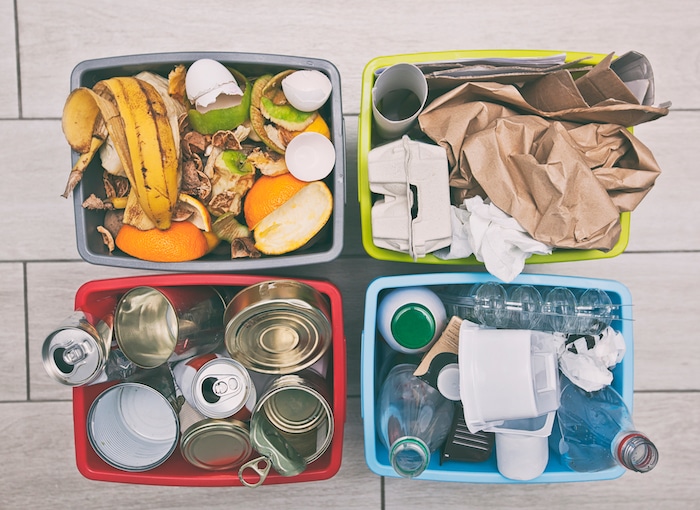
Image Source: www.homebiogas.com
Reducing Your Kitchen Waste
Before we even think about disposal, the most effective strategy is reducing kitchen waste at its source. This means making conscious choices in how we shop, store, and cook.
Smart Shopping Habits
- Plan Your Meals: Create a weekly meal plan. This helps you buy only what you need, avoiding impulse purchases that often lead to food spoilage.
- Buy Loose Produce: Whenever possible, choose fruits and vegetables sold loose rather than pre-packaged. This reduces plastic waste and allows you to buy the exact quantity you need.
- Check Your Fridge First: Before heading to the store, take stock of what you already have. This prevents buying duplicates and helps you use up existing ingredients.
- Understand “Best Before” vs. “Use By”: “Best before” dates are about quality, not safety. Many foods are perfectly edible after this date. “Use by” dates, however, relate to safety and should be heeded.
- Buy Imperfect Produce: Many supermarkets now offer “ugly” or imperfect produce at a discount. These fruits and vegetables are just as nutritious and delicious.
Savvy Storage Techniques
Proper storage extends the life of your food significantly.
- Airtight Containers: Store leftovers and opened packages in airtight containers to keep them fresh for longer.
- Proper Fridge Placement:
- Top Shelf: Ready-to-eat foods, leftovers, drinks.
- Middle Shelves: Dairy products, eggs.
- Bottom Shelf: Raw meat, poultry, and fish. This prevents drips from contaminating other foods.
- Crisper Drawers: Use these for fruits and vegetables, adjusting humidity settings if available. Ethylene-producing fruits (like apples and bananas) should be stored separately from ethylene-sensitive vegetables (like broccoli and lettuce).
- Freezing Power: Don’t let good food go to waste. Freeze leftovers, excess produce, or items nearing their expiry date. Many things can be frozen, from bread and cheese to herbs in ice cube trays with water or oil.
Creative Cooking and Leftover Utilization
- Use the Whole Ingredient: Many parts of vegetables that are often discarded are perfectly edible and nutritious. Broccoli stalks can be chopped and stir-fried, carrot tops can be made into pesto, and citrus peels can be zested for flavour or used in cleaning solutions.
- Embrace Leftovers: Plan a “leftover night” once a week to clear out your fridge. Transform leftovers into new dishes – yesterday’s roasted vegetables can become today’s soup base or a filling for an omelet.
- Batch Cooking: Cook larger portions of staple meals and freeze them in single-serving portions for quick and easy meals later.
Exploring Kitchen Waste Recycling and Disposal Methods
Once you’ve done your best to reduce waste, the next step is to manage what remains responsibly. This involves looking at food waste recycling and other responsible garbage disposal techniques.
Composting Kitchen Scraps: The Greenest Option
Composting kitchen scraps is one of the most effective ways to divert organic waste from landfills. Compost is rich in nutrients and can be used to enrich your garden soil, reducing the need for chemical fertilizers.
What Can Be Composted?
Most uncooked fruit and vegetable scraps, coffee grounds and filters, tea bags, eggshells, and yard waste (leaves, grass clippings) are excellent for composting.
What to Avoid in a Compost Bin
While many kitchen items are compostable, some should be excluded to prevent issues:
- Meat, Fish, and Dairy: These can attract pests and create unpleasant odors.
- Oily Foods: Oils and grease can slow down the decomposition process and make the compost mass heavy and smelly.
- Diseased Plants: To avoid spreading diseases to your garden.
- Weeds with Seeds: Unless your compost reaches high temperatures, these seeds can sprout in your garden.
- Pet Waste: Can contain pathogens harmful to humans.
Types of Composting Systems
There are several ways to compost kitchen waste, depending on your space and preferences:
Traditional Outdoor Composting
This is the most common method for those with gardens.
- The Basics: You need a compost bin or a designated pile. The key is balancing “greens” (nitrogen-rich materials like food scraps) and “browns” (carbon-rich materials like dried leaves, cardboard, and newspaper). A good ratio is roughly 2 parts browns to 1 part greens.
- How It Works: Layer your materials, ensuring adequate aeration. Turn the pile regularly to introduce oxygen, which speeds up decomposition. Keep the pile moist, like a wrung-out sponge.
- Benefits: Handles larger volumes, relatively simple.
- Considerations: Requires outdoor space, can take several months for compost to mature.
Kitchen Compost Bin (Indoor Composting)
For those without outdoor space or who want a more contained method, a kitchen compost bin is ideal.
- Types of Kitchen Compost Bins:
- Countertop Bins: Small, often with charcoal filters to control odors, perfect for collecting scraps before taking them to a larger compost system or collection service.
- Worm Composting (Vermicomposting): This is a highly efficient and popular method of vermicomposting kitchen waste.
- Electric Composter/Food Cycler: These appliances rapidly dehydrate and grind food scraps into a compost-like material, often within hours. They are expensive but very effective at reducing volume and odor.
Vermicomposting Kitchen Waste
Vermicomposting kitchen waste uses red wiggler worms to break down organic matter. It’s an efficient, odorless, and space-saving method.
- How it Works: You create a habitat for the worms in a bin, typically made of plastic or wood. You feed them your kitchen scraps, and they eat the organic matter, producing nutrient-rich “worm castings” – a powerful fertilizer.
- What Worms Eat: Primarily fruit and vegetable scraps, coffee grounds, tea bags, and shredded newspaper or cardboard.
- What Worms Avoid: Citrus, onions, garlic, meat, dairy, and oily foods.
- Benefits: Produces high-quality fertilizer, can be done indoors or outdoors, very efficient.
- Considerations: Requires specific types of worms, needs careful management of moisture and food intake.
Food Waste Recycling Programs
Many municipalities offer food waste recycling programs, often referred to as “green bin” programs.
- How They Work: You are provided with a special bin for your food scraps. These are collected regularly and taken to commercial composting facilities or anaerobic digesters.
- What Can Go In: Typically includes most food scraps, including meat and dairy, depending on the facility’s capabilities.
- Benefits: Convenient for residents, diverts large amounts of food waste from landfills.
- Considerations: Availability varies by location, requires participation and adherence to guidelines.
Other Food Scraps Disposal Methods
While composting and recycling are preferred, other food scraps disposal methods exist for specific situations.
- Garbage Disposals (InSinkErators): While convenient, many environmentalists advise against frequent use. Food waste ground up and sent to wastewater treatment plants can overload the system and release methane, a potent greenhouse gas, if not managed correctly at the plant. If you must use one, consider running cold water through it and minimizing the amount of waste.
- Anaerobic Digestion: This kitchen waste treatment process involves breaking down organic matter in the absence of oxygen, producing biogas (a renewable energy source) and digestate (a nutrient-rich fertilizer). Many municipal composting facilities utilize this method.
Dealing with Non-Compostable Kitchen Waste
Not all kitchen waste is organic. Here’s how to handle other materials responsibly:
Plastics
- Reduce Single-Use Plastics: Avoid plastic wrap, single-use bags, and disposable cutlery.
- Recycle Properly: Rinse all plastic containers thoroughly. Check your local recycling guidelines for which types of plastic are accepted. Look for the recycling symbol with a number.
- Compostable Plastics: Be cautious with “compostable” or “biodegradable” plastics. Many require industrial composting facilities to break down properly and won’t decompose in a home compost bin or landfill.
Glass and Metal
- Recycle: Rinse glass jars and metal cans. Most curbside recycling programs accept these materials.
- Reuse: Glass jars can be repurposed for storage, and metal tins can be used for various DIY projects.
Paper and Cardboard
- Recycle: Most paper products, including paper towels and napkins (if not heavily soiled with grease), junk mail, and cardboard boxes, are recyclable.
- Compost: Small amounts of unbleached paper and cardboard can be added to your compost bin as “brown” material.
Making Your Kitchen More Sustainable
Here are some practical tips to implement eco-friendly kitchen waste disposal practices:
Creating a Waste Sorting System
- Designated Bins: Set up clear bins or containers in your kitchen for different waste streams: landfill, recycling, and compost.
- Clear Labeling: Label each bin clearly so everyone in the household knows where to put their waste.
- Countertop Compost Caddy: Keep a small, lidded bin on your counter for daily food scraps to make collection easy. Empty it into your main compost bin or collection bag regularly.
Educating Your Household
- Involve Everyone: Ensure all family members understand the waste sorting system and the importance of reducing waste.
- Visual Aids: Use charts or posters to remind people what can and cannot be composted or recycled.
Choosing Eco-Friendly Products
- Reusable Items: Invest in reusable shopping bags, produce bags, water bottles, coffee cups, and food storage containers.
- Biodegradable Alternatives: When disposable items are necessary, opt for truly biodegradable waste options made from plant-based materials, and ensure you have a facility that can process them.
The Impact of Responsible Garbage Disposal
Adopting these practices has a significant positive impact:
- Reduces Landfill Burden: Less waste in landfills means less methane gas production, a major contributor to climate change.
- Conserves Resources: Recycling and composting allow materials to be reused, saving raw materials and energy.
- Enriches Soil: Compost provides vital nutrients for soil health, supporting plant growth and reducing reliance on chemical fertilizers.
- Promotes a Circular Economy: By turning waste into valuable resources, we move towards a more sustainable, circular economic model.
Common Kitchen Waste FAQs
Q1: Can I compost meat and dairy products?
A1: Generally, it’s best to avoid composting meat, fish, and dairy products in a home compost system as they can attract pests and create odors. However, some commercial composting facilities and advanced home composting systems (like those that reach very high temperatures or are specifically designed for it) can handle these items. Always check your local guidelines.
Q2: What is food waste recycling?
A2: Food waste recycling refers to the process of collecting and processing food scraps separately from general waste. This typically involves industrial composting or anaerobic digestion to turn the food waste into valuable resources like compost or biogas.
Q3: How do I prevent odors from my kitchen compost bin?
A3: To prevent odors from your kitchen compost bin, ensure a good balance of “greens” (food scraps) and “browns” (carbon-rich materials like dried leaves or shredded paper). Avoid putting in oily or greasy foods. If using a countertop caddy, empty it daily. For outdoor compost piles, turning them regularly improves aeration and reduces smells. Charcoal filters on indoor bins also help.
Q4: What is vermicomposting kitchen waste?
A4: Vermicomposting is a method of kitchen waste treatment that uses specific types of earthworms, like red wigglers, to break down organic materials. The worms consume the food scraps and excrete nutrient-rich castings, also known as worm manure, which is an excellent fertilizer for plants.
Q5: How much kitchen waste can I compost?
A5: The amount of kitchen waste you can compost depends on the size of your compost bin or system and your rate of waste production. A traditional outdoor compost pile can handle a significant volume. Worm bins are typically sized for household waste, while electric composters can process smaller batches quickly.
Q6: What is biodegradable waste?
A6: Biodegradable waste is organic material that can be decomposed by microorganisms into simpler substances like water, carbon dioxide, and biomass. Many kitchen scraps, like fruit peels and vegetable waste, are biodegradable. However, it’s important to note that “biodegradable” doesn’t always mean it will break down quickly or in all environments, especially in a landfill or a standard home compost.
Q7: Who is responsible for managing food waste?
A7: Everyone plays a role in managing food waste. Households are responsible for proper sorting and disposal. Local governments are responsible for providing collection services and processing facilities. Businesses, especially food service establishments, also have responsibilities to reduce and manage their food waste.
By adopting these eco-friendly kitchen waste disposal habits, we can make a significant difference, creating a more sustainable home and contributing to a healthier planet for future generations.