
Is your kitchen sink draining slowly? Are you dealing with unpleasant odors emanating from the drain? You’ve come to the right place. This guide will walk you through effective, fast, and easy methods for cleaning your kitchen drain pipes, tackling everything from minor clogs to persistent blockages and foul smells.
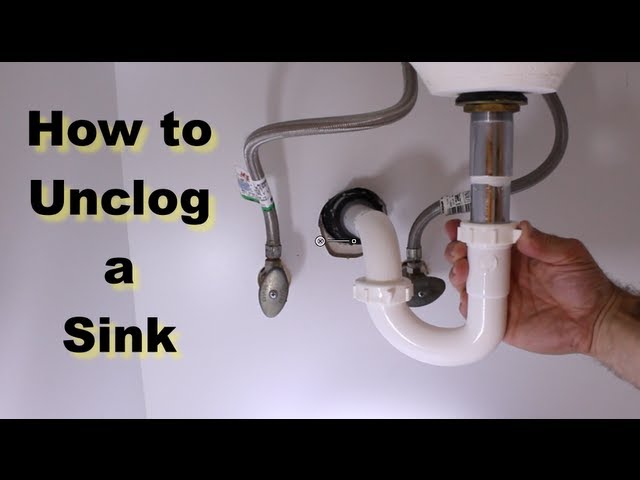
Image Source: i.ytimg.com
Why Do Kitchen Drains Clog?
Kitchen sink unclogging is a common household chore, and it often happens because of what we put down our drains. Grease, oil, and fats from cooking are the biggest culprits. When they cool down, they solidify and coat the inside of your pipes. Food scraps, coffee grounds, eggshells, and even small pieces of paper can get caught in this greasy buildup, creating a blockage. Over time, this accumulation narrows the pipe, slowing down water flow and eventually leading to a complete clog.
Common Signs of a Clogged Kitchen Drain
- Slow Draining: Water takes a long time to go down the sink.
- Standing Water: Water pools in the sink and doesn’t drain at all.
- Bad Odors: A foul smell, often like rotten eggs or sewage, comes from the drain.
- Gurgling Noises: You hear unusual gurgling sounds from the pipes when water is running or draining.
- Water Backing Up: Water backs up into the sink or dishwasher.
Quick & Easy Drain Cleaning Methods
When your kitchen sink is backing up, you need solutions that work fast. Here are some of the best DIY drain cleaning methods to try.
Method 1: Boiling Water Flush
This is the simplest and often most effective first step, especially for grease-based clogs.
What you’ll need:
* A kettle or pot
* Water
Steps:
1. Boil a full kettle or pot of water.
2. Carefully pour the boiling water directly down the drain, in stages.
3. Wait a few minutes and test if the water drains faster.
4. Repeat if necessary.
Why it works: Hot water can melt solidified grease and oils, helping to flush them through the pipes.
Important Note: Avoid this method if you have PVC pipes that are very old or brittle, as extreme heat could potentially cause damage. However, for most standard plumbing, this is safe.
Method 2: Baking Soda and Vinegar
This classic natural drain cleaner is a powerhouse for breaking down grime and deodorizing.
What you’ll need:
* 1/2 cup baking soda
* 1/2 cup white vinegar
* Hot water
* A stopper or rag
Steps:
1. Pour the baking soda down the drain.
2. Follow with the white vinegar. You’ll see it fizz – this is the chemical reaction working.
3. Immediately cover the drain with a stopper or a rag to keep the reaction contained within the pipes.
4. Let it sit for at least 30 minutes, or even overnight for tougher clogs.
5. Pour a kettle of hot (not boiling) water down the drain to rinse.
Why it works: The baking soda is a mild abrasive and deodorizer. The vinegar is acidic and reacts with the baking soda to create a fizzing action that can help dislodge buildup.
Method 3: Salt and Baking Soda
Another simple yet effective natural drain cleaner combination.
What you’ll need:
* 1/2 cup salt
* 1/2 cup baking soda
* Hot water
Steps:
1. Mix the salt and baking soda together.
2. Pour the mixture down the drain.
3. Let it sit for at least 15-30 minutes.
4. Flush with hot water.
Why it works: The salt acts as a gentle abrasive, and combined with baking soda, it helps to scrub away greasy residue and loosen blockages.
Method 4: Dish Soap and Hot Water
Simple dish soap can be surprisingly effective against greasy clogs.
What you’ll need:
* Liquid dish soap
* Hot water
Steps:
1. Pour about 1/4 cup of liquid dish soap down the drain.
2. Let it sit for about 5-10 minutes to coat the clog.
3. Follow with a kettle of hot (not boiling) water.
Why it works: Dish soap is designed to cut through grease, which is a primary component of many kitchen drain clogs.
Tools for Tackling Tougher Clogs
If the simple methods don’t fully clear the blockage, you might need a bit of mechanical help. These tools can be very effective for removing sink blockages.
Plunger Power
A cup plunger is a must-have for any homeowner.
What you’ll need:
* A cup plunger
* Water
Steps:
1. Ensure there’s enough water in the sink to cover the rubber cup of the plunger. If not, add some.
2. Place the plunger over the drain opening, creating a tight seal.
3. Pump the plunger up and down vigorously for about 20-30 seconds.
4. Quickly pull the plunger away to break the seal.
5. Repeat this process several times. You might need to do this several times to completely clear the clog.
Why it works: The plunging action creates pressure and suction, which can dislodge stubborn blockages.
The Drain Snake (Auger)
For clogs that are further down the pipe or more solid, a drain snake is an excellent tool. This is one of the most common drain cleaning methods for deeper issues.
What you’ll need:
* A drain snake or auger
* Gloves
* A bucket or rags (for cleanup)
Steps:
1. Feed the end of the snake into the drain opening.
2. Push the snake into the pipe until you feel resistance – this is likely the clog.
3. Turn the handle of the snake clockwise. This will cause the auger end to rotate and break up the clog or grab onto it.
4. Gently pull the snake back out, bringing the clog with it. If it’s a soft clog, the auger might break it up and push it through.
5. Dispose of any debris removed.
6. Flush the drain with hot water.
Why it works: The metal coil of the snake can either break through blockages or snag them, allowing you to pull them out.
Wet/Dry Vacuum
This might seem unusual, but a wet/dry vacuum can be an effective way to clear a blockage.
What you’ll need:
* A wet/dry vacuum cleaner
* A rag or old towel
Steps:
1. Set your vacuum to the “wet” setting.
2. Create a tight seal around the drain opening with the vacuum hose. You might need to use a rag to fill any gaps.
3. Turn on the vacuum for a short burst. This can suck out loose debris causing the clog.
4. Alternatively, you can try blowing air into the drain to dislodge the clog.
Why it works: It creates powerful suction to pull out the blockage.
Dealing with Persistent Buildup and Odors
Sometimes, the issue isn’t a complete blockage but a slow drain and lingering smells. This often points to a buildup of slime and debris on the pipe walls, a process often referred to as pipe descaling or simply deep cleaning. Drain deodorizing is also a key aspect here.
Enzyme Drain Cleaners
These are a great alternative to harsh chemical cleaners. They use natural enzymes and bacteria to break down organic waste like grease and food particles.
What you’ll need:
* An enzyme drain cleaner product
Steps:
1. Follow the product’s instructions carefully.
2. Typically, you’ll pour a measured amount down the drain, usually at night, allowing the enzymes to work for several hours.
3. Flush with water in the morning.
Why it works: Enzymes digest organic matter, effectively “eating away” at the buildup without harming pipes. This is a gentler form of pipe descaling.
Cleaning the P-Trap
The P-trap is the U-shaped pipe under your sink. It’s designed to hold water, which prevents sewer gases from entering your home, but it’s also a common place for debris to get stuck.
What you’ll need:
* A bucket
* Pliers or a pipe wrench
* Gloves
* Old rags or paper towels
Steps:
1. Place the bucket directly under the P-trap to catch any water or debris.
2. Use pliers or a pipe wrench to loosen the slip nuts on either side of the P-trap. You might be able to do it by hand if they aren’t too tight.
3. Carefully remove the P-trap.
4. Empty its contents into the bucket.
5. Clean out any gunk or hair from the trap using a brush or rag.
6. Reassemble the P-trap, ensuring the slip nuts are tightened securely but not overtightened to avoid cracking.
7. Run water to check for leaks.
Why it works: This physically removes trapped debris that might be causing slow drains or smells.
Preventing Future Kitchen Drain Problems
The best way to deal with clogged drains is to prevent them in the first place. Good kitchen drain maintenance is key.
- Never Pour Grease Down the Drain: This is the golden rule. Pour cooled grease and oil into a disposable container (like an old can or jar) and throw it in the trash. You can also buy affordable grease traps.
- Scrape Food Scraps: Before washing dishes, scrape all food scraps into the trash or compost bin.
- Use a Sink Strainer: A good quality sink strainer will catch food particles, hair, and other debris, preventing them from entering the pipes. Clean the strainer regularly.
- Run Hot Water After Use: After using the sink, especially for washing greasy dishes, run hot water for a minute to help flush any residual grease.
- Regularly Use a Natural Cleaner: Once a month, pour baking soda and vinegar down the drain, let it sit, and then flush with hot water. This helps prevent buildup.
- Avoid Coffee Grounds: While some might consider them natural, coffee grounds don’t break down easily and can contribute to clogs. Dispose of them in the trash or compost.
- Be Wary of Eggshells: Eggshells have a membrane that can adhere to pipes and trap other debris, leading to clogs over time.
Table: Drain Cleaning Method Comparison
| Method | Best For | Speed | Effort | Safety | Cost |
|---|---|---|---|---|---|
| Boiling Water | Grease clogs | Fast | Low | Generally safe, avoid on very old PVC | Free |
| Baking Soda & Vinegar | Mild clogs, deodorizing | Medium | Low | Very safe, natural | Low |
| Salt & Baking Soda | Mild clogs, scrubbing | Medium | Low | Safe | Low |
| Dish Soap & Hot Water | Greasy buildup | Fast | Low | Safe | Low |
| Plunger | Minor to moderate clogs | Fast | Medium | Safe | Low |
| Drain Snake | Stubborn, deep clogs | Medium | High | Safe with care | Medium |
| Enzyme Cleaner | Regular maintenance, slow drains, odors | Slow | Low | Very safe, natural | Medium |
| Cleaning P-Trap | Physical removal of blockages, odors | Medium | Medium | Safe with care | Free |
| Wet/Dry Vacuum | Loose debris clogs | Fast | Medium | Safe | Already own |
When to Call a Professional
While these DIY methods are effective for most common kitchen drain issues, there are times when you should call a plumber:
- Persistent Clogs: If you’ve tried multiple methods and the drain is still clogged, the blockage might be too severe for DIY.
- Multiple Fixtures Affected: If you have clogs in multiple sinks, toilets, or showers, it could indicate a larger problem in your main sewer line.
- Sewage Backup: If you see sewage backing up into your sinks or toilets, this is a serious issue requiring immediate professional attention.
- Recurring Problems: If you find yourself constantly dealing with clogged drains, a plumber can inspect your system for underlying issues like pipe damage or improper venting.
Frequently Asked Questions (FAQ)
Q1: How often should I clean my kitchen drain pipes?
For preventative maintenance, it’s recommended to use a natural drain cleaner like baking soda and vinegar or an enzyme cleaner once a month.
Q2: Can I use chemical drain cleaners?
While chemical drain cleaners are available, they are often harsh and can damage pipes, especially older ones. They can also be harmful if not used with extreme caution. It’s generally better to try natural or mechanical methods first.
Q3: Why does my kitchen sink smell bad even if it’s draining okay?
A bad smell, even with draining, usually indicates a buildup of slime and organic matter on the inside of the pipes or in the P-trap. This requires a deep clean or deodorizing treatment.
Q4: What is the fastest way to unclog a kitchen sink?
For immediate relief from a greasy clog, boiling water followed by the baking soda and vinegar method is usually very fast and effective. If that doesn’t work, a plunger is the next quickest option.
Q5: Is it safe to clear blocked pipes myself?
Yes, most common kitchen drain clogs can be safely cleared using the DIY methods outlined in this guide. Always prioritize safety, wear gloves, and be cautious when handling hot water or tools.
By understanding what causes clogs and employing these fast and easy drain cleaning methods, you can keep your kitchen sink flowing freely and your home smelling fresh. Regular kitchen drain maintenance is the key to avoiding the frustration of blocked pipes!