
Does your kitchen sink smell bad? You’re not alone! A lingering kitchen sink odor can be a real nuisance. Thankfully, you can get rid of kitchen drain smell fast with a few simple steps. This guide will walk you through effective methods and preventative measures for a fresh-smelling kitchen.
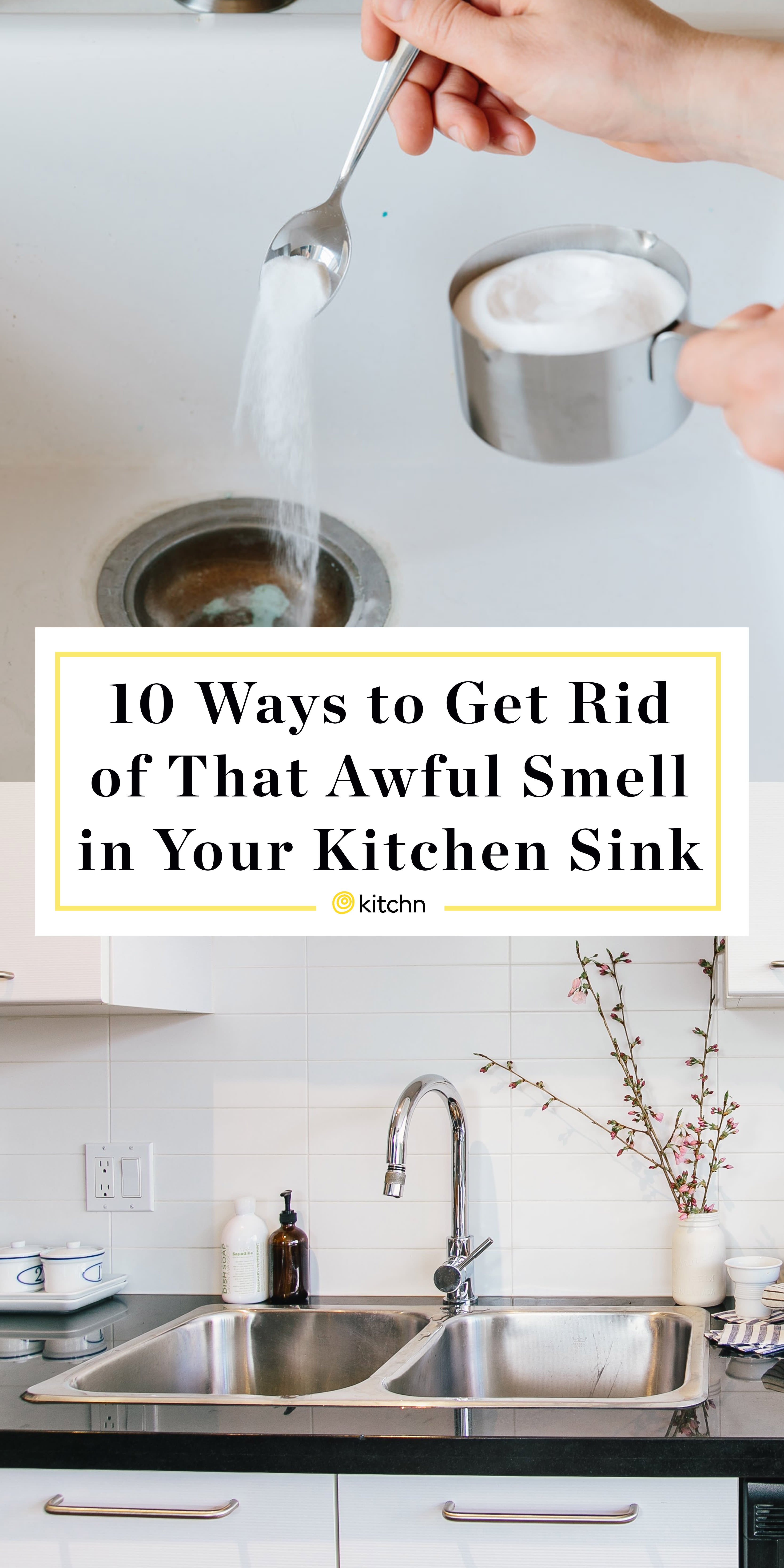
Image Source: cdn.apartmenttherapy.info
Why Do Kitchen Drains Smell?
Before we dive into solutions, let’s look at why that smelly sink happens. The primary culprits are usually food particles, grease, and other organic matter that get trapped in your pipes. Over time, this gunk breaks down, leading to the unpleasant odors.
- Food Debris: Small bits of food, especially starchy ones like rice or pasta, can cling to pipe walls.
- Grease and Fats: Pouring grease down the drain might seem harmless, but it solidifies as it cools, creating sticky blockages where waste can accumulate.
- Biofilm: A layer of bacteria and slime can form on the inside of your pipes, especially in damp environments. This biofilm feeds on the trapped food particles and produces foul-smelling gases.
- Garbage Disposal Issues: If you have a garbage disposal, food waste can get lodged in its blades or chamber, contributing to the smell. A garbage disposal smell is a common problem.
- Trapped Water: Stagnant water in P-traps can also contribute to odors if it becomes contaminated.
Fast Fixes for a Smelly Sink
When you need an immediate solution to a smelly sink, these methods offer quick relief. They are easy to do and use common household items.
The Baking Soda and Vinegar Drain Method
This is a classic and effective way to tackle kitchen drain smell. The chemical reaction between baking soda and vinegar helps to loosen gunk and deodorize the drain.
How to do it:
- Pour baking soda: Start by pouring about half a cup of baking soda directly down the drain.
- Add vinegar: Follow this with about half a cup of white vinegar.
- Watch the fizz: You’ll see a fizzing reaction. This is the baking soda and vinegar working together.
- Cover the drain: Quickly cover the drain with a stopper or a damp cloth to keep the reaction working in the pipes.
- Let it sit: Leave it for about 15-30 minutes.
- Flush with hot water: After waiting, flush the drain thoroughly with hot water. This helps wash away the loosened debris.
This baking soda and vinegar drain trick is great for regular maintenance and minor clogs.
Boiling Water Flush
Sometimes, all it takes is a good flush of hot water to clear out minor blockages and smells.
How to do it:
- Boil water: Heat a kettle or pot of water to boiling.
- Pour slowly: Carefully pour the boiling water directly down the drain in stages. Pouring too much at once can cause splashing.
- Repeat if needed: For stubborn smells, you might need to repeat this a couple of times.
Caution: Be careful when handling boiling water. Avoid this method if you have plastic pipes, as extremely hot water could potentially damage them. Check your kitchen plumbing specifics if unsure.
Lemon and Hot Water
Lemon juice is a natural deodorizer and degreaser. The citric acid can help break down grease, and the lemon scent leaves a fresh aroma.
How to do it:
- Boil water: Heat a pot of water.
- Add lemon: Squeeze the juice of one lemon into the hot water, or add lemon slices.
- Pour: Pour the lemon-infused hot water down the drain.
This is a pleasant-smelling way to freshen your drain.
Deeper Drain Cleaning Methods
For more persistent odors or minor blockages, you might need to go a bit deeper. These methods involve more specific drain cleaning techniques.
Using Baking Soda and Salt
A mix of baking soda and salt can create a slightly abrasive paste that helps scrub away buildup.
How to do it:
- Mix: Combine half a cup of baking soda with half a cup of salt.
- Pour: Pour this mixture down the drain.
- Add vinegar (optional): If you want the fizzing action, pour about a cup of vinegar over the mixture.
- Wait: Let it sit for at least 30 minutes, or even a few hours for tougher jobs.
- Flush: Flush with hot water.
The Power of a Drain Brush
A long, flexible drain brush can physically dislodge gunk that’s stuck to the pipe walls.
How to do it:
- Insert the brush: Gently insert the drain brush into the drain opening.
- Scrub: Twist and push the brush to scrub the sides of the pipe. Try to reach as far down as you can.
- Pull out debris: You might pull out a surprising amount of gunk. Dispose of it in the trash, not back down the drain.
- Flush: Run hot water to clear any remaining residue.
This method is particularly effective for reaching buildup in the immediate pipework.
Natural Drain Deodorizers and Cleaners
When you prefer to avoid harsh chemicals, these natural options are excellent. They are effective and environmentally friendly.
Enzyme Drain Cleaners
These are biological cleaners that use enzymes to break down organic waste. They are safe for pipes and septic systems.
How to use:
- Follow instructions: Always follow the product’s specific instructions.
- Apply at night: Many enzyme cleaners work best when left overnight, as they have more time to break down the organic matter.
- Flush: Flush with water in the morning.
Enzyme cleaners are great for regular maintenance to prevent drain smells.
Salt and Hot Water Scrub
Salt, combined with hot water, can act as a mild abrasive and disinfectant.
How to do it:
- Pour salt: Pour about half a cup of salt down the drain.
- Flush with hot water: Follow with a kettle of hot water.
- Let it sit: Allow it to work for an hour or so.
- Rinse: Flush again with more hot water.
Dish Soap and Hot Water
A few squirts of dish soap can help break down grease.
How to do it:
- Add soap: Pour a few tablespoons of liquid dish soap down the drain.
- Follow with hot water: Pour a kettle of hot water after it.
- Flush: Let it sit for a few minutes, then flush again with more hot water.
This is a good first step for drains that might be experiencing greasy buildup.
Dealing with Garbage Disposal Smells
If the odor is clearly coming from your garbage disposal, here’s how to tackle it:
Cleaning the Disposal Itself
The blades and chamber of your garbage disposal are common places for food to get trapped and rot.
Methods:
- Ice Cubes: Grind a tray of ice cubes. The ice helps scrape away debris from the grinding chamber and blades.
- Citrus Peels: Grind citrus peels (lemon, lime, orange) for a fresh scent and to help degrease the disposal.
- Baking Soda and Vinegar: Pour baking soda and vinegar into the disposal (turn it off first!). Let it fizz, then flush with cold water while the disposal is running.
- Specialized Disposal Cleaners: You can buy cleaners specifically designed for garbage disposals.
Important Safety Tip: Always ensure the garbage disposal is turned OFF at the power switch before attempting any cleaning inside the unit. Never put your hands inside the disposal.
Creating Your Own Drain Cleaner Recipe
For those who prefer a DIY approach, you can create your own drain cleaner recipe using natural ingredients.
Here’s a simple and effective drain cleaner recipe:
Ingredients:
- 1/2 cup Baking Soda
- 1/2 cup Salt
- 1 cup White Vinegar (add more if needed)
- Hot Water (boiling if your pipes can handle it)
Instructions:
- Combine baking soda and salt. Pour this dry mixture down the drain.
- Slowly pour the vinegar over the baking soda and salt. It will fizz.
- Cover the drain opening with a stopper or cloth to keep the reaction contained.
- Let it sit for at least 30 minutes, or up to a few hours for tougher jobs.
- Flush thoroughly with hot water.
This drain cleaner recipe is non-toxic and effective for general cleaning and deodorizing.
When to Call a Professional
While most kitchen sink smells can be handled with DIY methods, there are times when you might need a plumber.
Signs you need professional help:
- Persistent odors: If the smell returns quickly despite your best efforts.
- Slow drains: If your drains are consistently slow or completely blocked.
- Recurring clogs: If you frequently have to clear clogs.
- Gurgling sounds: Unusual noises from your drains can indicate a deeper issue.
- Water backups: If water is backing up into your sink or dishwasher.
A plumber can inspect your kitchen plumbing for more serious problems like pipe damage, vent issues, or significant blockages deep within the system.
How to Prevent Drain Smells
The best way to deal with a smelly sink is to prevent the problem from occurring in the first place. Consistent maintenance is key to avoiding those unpleasant odors.
What to Avoid Putting Down the Drain
Being mindful of what goes down your drain is crucial for maintaining clear and odor-free pipes.
- Grease, Oils, and Fats: These are the biggest culprits. They solidify in pipes, trapping food particles and causing blockages. Wipe greasy pans with paper towels before washing, or pour grease into a disposable container and throw it away.
- Coffee Grounds: While often thought to be safe, coffee grounds don’t dissolve well and can accumulate, creating blockages and odors.
- Eggshells: The slimy film on eggshells can cling to pipes and attract other debris.
- Starchy Foods: Pasta, rice, and potato peels can expand with water and create clogs.
- Fibrous Foods: Celery, corn husks, and artichokes can tangle and block pipes.
- Bones and Fruit Pits: These are too hard for most disposals and can cause damage or blockages.
- Harsh Chemicals: Avoid using chemical drain cleaners regularly, as they can damage pipes and are not good for the environment.
Regular Drain Maintenance
Incorporating a routine for drain cleaning will help prevent drain smells.
- Weekly Flush: Once a week, pour a kettle of boiling water down the drain. This helps melt away any minor grease buildup.
- Monthly Deodorizing: Use the baking soda and vinegar drain method or an enzyme cleaner once a month to keep your drains fresh.
- Scrape Plates: Before washing dishes, scrape as much food residue as possible into the trash or compost bin.
- Use Strainers: Install drain strainers to catch larger food particles. Clean them out regularly.
Maintaining Your Garbage Disposal
If you have a garbage disposal, proper use and cleaning are vital to avoid garbage disposal smell.
- Run Cold Water: Always run cold water when using the disposal and for about 15-30 seconds after you’ve finished grinding. Cold water helps solidify any grease, allowing the disposal to push it through.
- Grind Moderately: Don’t overload the disposal. Feed food waste in slowly.
- Clean Regularly: Use the cleaning methods mentioned earlier (ice, citrus peels, baking soda/vinegar) to keep it clean.
Troubleshooting Common Odor Sources
Let’s break down specific scenarios and how to address them.
Sink Smells Only When Garbage Disposal Runs
If the smell only appears when you run your garbage disposal, the issue is almost certainly within the unit itself. Food particles are likely trapped in the disposal chamber or on the blades.
Solution: Focus on thoroughly cleaning the garbage disposal using ice, citrus peels, or a specialized cleaner. Always ensure the disposal is off before cleaning and run cold water when using it.
Sink Smells After Doing Dishes
This often indicates a buildup of grease and food particles in the pipes connected to your sink.
Solution: Use the baking soda and vinegar method, followed by a hot water flush. A drain brush can also be helpful to physically remove residue. Regular maintenance is key here.
Sink Smells When It Hasn’t Been Used Recently
This can happen if the P-trap under your sink has dried out, allowing sewer gases to escape into your kitchen.
Solution: Simply run the water for a minute or two to refill the P-trap and block the gases. If the smell persists, check for leaks or other issues with the P-trap.
Frequently Asked Questions (FAQ)
Q1: How often should I clean my kitchen drains?
A1: It’s a good idea to do a basic deodorizing treatment (like baking soda and vinegar) once a month and a hot water flush weekly.
Q2: Can I pour bleach down my kitchen drain to get rid of the smell?
A2: While bleach can kill bacteria, it’s not ideal for regular drain cleaning. It can be harsh on pipes and is not effective at breaking down grease and food buildup. Natural methods are generally preferred.
Q3: My drain is still smelly after trying these methods. What else could it be?
A3: The smell might be coming from further down the kitchen plumbing system, a vent pipe issue, or a problem with the P-trap. If DIY methods don’t work, it’s time to call a plumber.
Q4: Is a drain deodorizer different from a drain cleaner?
A4: Yes, a drain deodorizer primarily aims to mask or neutralize odors, often with pleasant scents or baking soda. A drain cleaner, especially a chemical one, is designed to break down clogs and buildup. Natural methods like baking soda and vinegar often serve both purposes.
Q5: How do I know if I have a serious clog?
A5: Serious clogs are indicated by water not draining at all, very slow draining, or water backing up into other fixtures when you use the sink. A persistent, bad smell that doesn’t go away with cleaning can also signal a problem.
By understanding the causes of kitchen sink odor and employing these cleaning and preventative strategies, you can keep your kitchen smelling fresh and your kitchen plumbing in good condition. Regular attention is the best drain cleaner recipe for a pleasant-smelling kitchen!