
What is the perfect height for a kitchen island? The perfect height for a kitchen island depends on its primary use, but generally, a standard kitchen island height is between 36 and 38 inches, ideal for food preparation and casual dining. For a more formal dining experience or a dedicated workspace, you might consider a bar height island at 40-42 inches.
Choosing the right height for your kitchen island is a crucial decision that impacts both its functionality and your kitchen’s overall flow. Too low, and it becomes an ergonomic nightmare for cooking. Too high, and it hinders everyday tasks and can feel unwieldy. This guide will help you navigate the various heights and factors to consider when selecting the perfect height for your kitchen island.
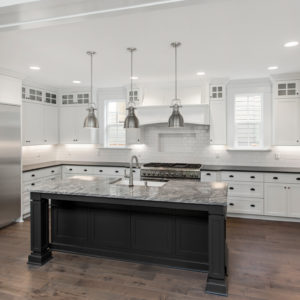
Image Source: www.missionwest.biz
Deciphering Kitchen Island Heights: More Than Just Inches
The height of your kitchen island isn’t just a random measurement; it’s a deliberate choice that affects how you interact with your kitchen. Think about what you’ll be doing most at your island. Will it be your primary prep zone, a place for quick breakfasts, a homework station, or a gathering spot for cocktails? Each of these activities has an ideal height associated with it.
Standard Kitchen Island Height: The Versatile Workhorse
When most people think of a kitchen island, they picture a surface at the same height as their kitchen countertops. This is what we refer to as the standard kitchen island height.
- Typical Range: 36 to 38 inches.
- Why it Works: This height is perfect for a multitude of kitchen tasks. It’s comfortable for chopping vegetables, kneading dough, and washing dishes if your sink is integrated into the island. It also works well for casual dining with stools that are typically 24-26 inches high.
- Ergonomics: This height aligns with standard counter heights, meaning you won’t be hunching over or reaching too high during most kitchen activities. This reduces strain on your back and shoulders.
- Considerations: If you plan to do a lot of serious baking or food preparation, you might find a slightly lower height (around 34-35 inches) more comfortable for rolling out dough, as it allows you to use your body weight more effectively.
Counter Height Island: The Seamless Extension
A counter height island is essentially a standard height island. It seamlessly extends your existing countertop space, creating a cohesive look and feel.
- Benefits:
- Unified Design: Blends effortlessly with your existing kitchen cabinets and countertops.
- Practicality: Offers ample workspace for food preparation.
- Comfortable for Most: Accommodates a wide range of tasks and sitting heights.
- Seating at Kitchen Island: For a counter height island, you’ll want stools that are around 24 to 26 inches high. This allows for comfortable legroom and a natural seating posture.
Bar Height Island: Elevating the Social Experience
For those who envision their kitchen island as a social hub, a bar height island is an excellent choice. This option is taller, mimicking the height of a bar.
- Typical Range: 40 to 42 inches.
- Why it Works: This height is ideal for guests to gather around with drinks and appetizers. It also works well as a standing desk or a casual dining spot for those who prefer to stand or use higher stools.
- Seating at Kitchen Island: Bar height islands require bar stools that are typically 28 to 32 inches high. Ensure there’s enough knee space and that the stool height complements the island’s elevation.
- Considerations: While great for socializing, a bar height island can be less comfortable for extended food preparation compared to a standard height island. It might also feel too high for some children.
Dining Height Island: A Formal Touch
Less common but still a viable option, a dining height island sits at a standard dining table height.
- Typical Range: 28 to 30 inches.
- Why it Works: This creates a dedicated dining area within your kitchen, perfect for smaller homes or kitchens that don’t have a separate dining room.
- Seating at Kitchen Island: You’ll need standard dining chairs for this height.
- Considerations: This height is generally too low for comfortable food preparation and can lead to back strain if used for extensive cooking.
Beyond Height: Crucial Dimensions for Your Island
While height is a major factor, kitchen island dimensions encompass more than just its vertical measurement. Width, length, and depth all play a vital role in its usability and how it fits within your kitchen layout.
Kitchen Island Width: Balancing Space and Function
The width of your island dictates the amount of usable surface area you have and how much space is left for circulation.
- Minimum Recommended: 24 inches for the island structure itself, but this doesn’t include any seating or overhang.
- Ideal for Prep: 30 to 36 inches wide provides a good amount of workspace.
- Wider is Better (Sometimes): If space allows, a wider island (48 inches or more) can accommodate more features like sinks, cooktops, or a greater seating capacity.
- Considerations: Don’t make your island too wide if it compromises essential walkway clearance.
Kitchen Island Length: Stretching Your Workspace
The length of your island will be influenced by your kitchen’s size and your specific needs.
- Small Kitchens: Islands can be as short as 4 feet (48 inches).
- Medium Kitchens: 5 to 7 feet (60 to 84 inches) is common.
- Large Kitchens: Islands can extend 8 feet (96 inches) or more, offering extensive workspace and seating.
- Layout Impact: The length of your island should not make the kitchen feel cramped.
Kitchen Island Depth: Accommodating Features and Seating
The depth of your island is crucial for incorporating features like cabinets, drawers, and seating.
- Standard Depth: Typically ranges from 24 inches for base cabinets to 30-36 inches when including an overhang for seating.
- Cabinetry Depth: Standard kitchen cabinets are usually 24 inches deep.
- Seating Depth: If you are adding seating on one side, you’ll need to account for that space.
- Considerations: Ensure the depth allows for comfortable seating without encroaching on traffic flow.
Optimizing Seating at Your Kitchen Island
The comfort and usability of seating at kitchen island is directly tied to the island’s height and the chosen stool.
Seating Clearance: The Unsung Hero
Adequate clearance is paramount for comfortable seating.
- Knee Space: For counter height islands (36-38 inches), aim for 12-15 inches of knee space. For bar height islands (40-42 inches), you might need 15-18 inches.
- Stool Width: Allow at least 6 inches of space between the edge of the island and the back of the stool. For multiple seats, aim for 24-30 inches of width per person.
Island Overhang Dimensions: Comfort and Style
The overhang is the part of the countertop that extends beyond the base of the island, providing legroom for seated guests.
- Counter Height (36-38 inches): A 12-inch overhang is generally sufficient for comfortable seating with 24-26 inch stools.
- Bar Height (40-42 inches): A 15-inch overhang is recommended for seating with 28-32 inch stools.
- Eating at the Island: If people will be eating full meals at the island, consider a larger overhang, perhaps 15 inches for counter height, to allow for plates and elbows.
- Structural Support: Ensure substantial overhangs have adequate support to prevent sagging or breakage. This might involve reinforcing the cabinet base or adding corbels.
Kitchen Island Clearance: Ensuring Flow and Safety
Proper kitchen island clearance is essential for a functional and safe kitchen. It’s the space left around the island for movement and opening appliance doors.
- General Walkway: Aim for a minimum of 36 inches of clearance on all sides where you will be walking.
- Working Zones: If the island is used for primary cooking and prep, and there are appliances or cabinets on opposing sides, a larger clearance of 42-48 inches is highly recommended. This allows for two people to work comfortably and for appliance doors (like ovens or dishwashers) to open fully.
- Seating Clearance: When seating is in use, ensure there’s still enough space to navigate around the chairs. Ideally, have at least 54 inches between the island edge and a wall or other obstruction behind the seating.
- Appliance Clearance: If your island has appliances like a dishwasher, oven, or microwave, ensure you have adequate clearance for these to open and operate safely. For a dishwasher, this means at least 36 inches in front of it for it to open fully.
Custom Kitchen Island Dimensions: Tailoring to Your Needs
For many, a pre-fabricated island won’t perfectly fit their kitchen or meet their specific requirements. This is where custom kitchen island dimensions come into play.
When to Consider Custom
- Unique Kitchen Layouts: Oddly shaped kitchens or those with limited space often benefit from a custom-sized island.
- Specific Functional Needs: If you need a very large prep area, a specialized appliance integrated into the island, or a particular seating arrangement, custom is the way to go.
- Aesthetic Goals: You can achieve a truly bespoke look and feel with custom dimensions that perfectly match your design vision.
Designing Your Custom Island
- Measure Your Space: Accurately measure your kitchen, noting the placement of windows, doors, and existing cabinetry.
- Define Your Needs: List all the functions you want your island to serve (prep, dining, storage, appliance housing).
- Sketch and Plan: Draw out your kitchen and try different island sizes and placements. Use painter’s tape on the floor to visualize the footprint.
- Consult Professionals: Work with kitchen designers or cabinet makers who specialize in custom islands. They can help translate your needs into practical, well-proportioned dimensions.
Frequently Asked Questions About Kitchen Island Heights
Q1: Can I have a kitchen island with multiple heights?
A1: Yes! It’s possible and increasingly popular to have a multi-level island. For example, you could have a lower section at counter height (36 inches) for prep work and a raised section at bar height (42 inches) for casual dining. This offers versatility in a single piece.
Q2: What is the best height for a kitchen island if I have young children?
A2: A standard counter height island (36-38 inches) is generally a good balance. It’s not so high that it’s inaccessible for younger children to sit at with appropriate stools, but it’s also not so low that it encourages them to climb on it unsafely. Ensure stools are stable and have safety features if needed.
Q3: How much overhang do I need for seating at my kitchen island?
A3: For a standard kitchen island height of 36-38 inches, a 12-inch overhang is typically sufficient for comfortable seating. If you opt for a bar height island (40-42 inches), a 15-inch overhang is usually better. If you plan to eat full meals at the island, you might want an even larger overhang, around 15-18 inches, for more elbow room.
Q4: What is the minimum clearance I need around my kitchen island?
A4: The minimum kitchen island clearance for walking is 36 inches. However, for a more functional kitchen, especially in high-traffic areas or where appliance doors will open, 42-48 inches is strongly recommended.
Q5: Does the material of my countertop affect the ideal island height?
A5: Generally, no. The countertop material itself (granite, quartz, laminate, wood) doesn’t dictate the ideal island height. The height is determined by ergonomics and intended use. However, heavier materials like thick granite slabs might influence the structural requirements for your island base, especially with larger overhangs.
By carefully considering these dimensions and your personal needs, you can ensure your kitchen island is not only a beautiful focal point but also a highly functional and comfortable addition to your home.