
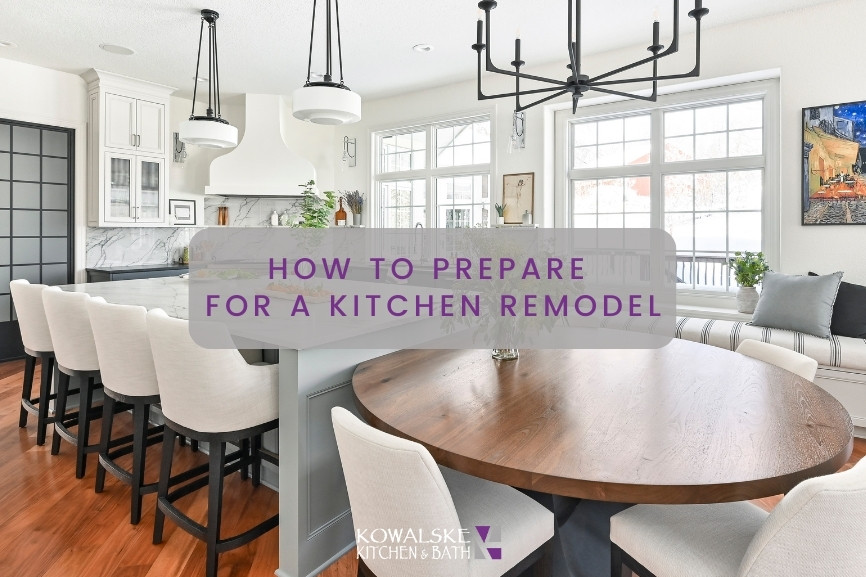
Image Source: kowalske.com
How To Prepare For A Kitchen Remodel: Essential Tips
A kitchen remodel can transform your home, but it requires careful preparation. What is the most important step in preparing for a kitchen remodel? Establishing a clear budget and a realistic timeline are the cornerstones of a successful kitchen remodel planning process. This comprehensive guide will walk you through everything you need to know to get ready for your dream kitchen.
Setting Your Kitchen Remodel Budget
Your kitchen remodel budget is the first and most crucial step. Without a solid budget, you risk overspending or making compromises that leave you unsatisfied.
Determining Your Financial Limits
- Honest Financial Assessment: Sit down and look at your savings, current income, and any funds you might access (like home equity loans). Be realistic about what you can comfortably afford.
- Contingency Fund: Always add a buffer of 15-20% to your total budget for unexpected expenses. These often pop up during remodels.
Allocating Funds for Different Aspects
Your kitchen remodel costs will be spread across several categories. Knowing these helps you allocate funds wisely.
- Design & Planning: Don’t skimp here. This includes designer fees, architectural drawings, and permit costs.
- Cabinetry: Often the largest portion of the budget.
- Countertops: Prices vary significantly based on material.
- Appliances: Consider energy efficiency and features.
- Flooring: Durability and aesthetics play a role.
- Backsplash: A chance for personality.
- Plumbing & Electrical: Essential for functionality and safety.
- Lighting: Creates ambiance and improves task visibility.
- Labor: This includes all the skilled tradespeople involved.
- Paint & Finishes: The final touches.
- Contingency: As mentioned, your emergency fund.
Table 1: Sample Kitchen Remodel Budget Allocation
| Category | Estimated Percentage of Budget |
|---|---|
| Cabinetry | 30-40% |
| Countertops | 10-20% |
| Appliances | 10-15% |
| Labor | 15-20% |
| Flooring | 5-10% |
| Plumbing & Electrical | 5-10% |
| Lighting | 3-5% |
| Backsplash | 2-5% |
| Design & Permits | 2-5% |
| Contingency | 15-20% |
Crafting Your Kitchen Remodel Planning Strategy
Kitchen remodel planning goes beyond just deciding on cabinets. It involves thinking about your lifestyle, how you use your kitchen, and your aesthetic preferences.
Defining Your Kitchen’s Purpose and Style
- How do you use your kitchen? Is it primarily for cooking, entertaining, or a family gathering spot?
- What’s your desired aesthetic? Modern, farmhouse, traditional, eclectic? Gather kitchen remodel ideas from magazines, Pinterest, Houzz, and showrooms.
- Consider your lifestyle: Do you have young children? Pets? Are you a gourmet chef or a microwave master?
Creating a Kitchen Remodel Checklist
A kitchen remodel checklist ensures you don’t miss crucial steps.
- Needs vs. Wants: Differentiate between essential upgrades and desirable but non-essential features.
- Layout and Flow: Think about how you move around the kitchen. Is the current layout efficient?
- Storage Solutions: How can you maximize cabinet and pantry space?
- Appliance Placement: Where will the refrigerator, stove, dishwasher, and microwave go?
- Ergonomics: Consider counter heights, cabinet depth, and workspace areas.
- Lighting Plan: Task lighting, ambient lighting, and accent lighting.
- Material Selection: Choose durable, easy-to-clean materials that fit your style and budget.
Developing a Kitchen Remodel Timeline
A kitchen remodel timeline is essential for managing expectations and staying organized.
Estimating Project Duration
- Small Updates: A minor refresh might take a few days to a week.
- Moderate Remodel: This usually takes 4-8 weeks.
- Full Gut Job: A complete overhaul can take 8-16 weeks or even longer, depending on complexity and contractor availability.
Key Stages and Their Durations
- Planning & Design: 2-6 weeks (research, design, material selection).
- Permits & Approvals: 1-4 weeks (depending on your local municipality).
- Demolition: 1-3 days.
- Rough-in (Plumbing, Electrical, HVAC): 1-2 weeks.
- Cabinet Installation: 1-2 weeks.
- Countertop Fabrication & Installation: 1-3 weeks (includes templating and installation).
- Flooring Installation: 3-7 days.
- Backsplash Installation: 2-4 days.
- Appliance Installation: 1-3 days.
- Final Touches (Painting, Fixtures, Trim): 1-2 weeks.
Table 2: Sample Kitchen Remodel Timeline (Moderate)
| Activity | Week 1 | Week 2 | Week 3 | Week 4 | Week 5 | Week 6 | Week 7 | Week 8 |
|---|---|---|---|---|---|---|---|---|
| Planning & Design | X | X | ||||||
| Demolition | X | |||||||
| Rough-in (Plumbing/Elec) | X | X | ||||||
| Cabinetry | X | X | ||||||
| Countertops (Templating) | X | |||||||
| Countertops (Installation) | X | |||||||
| Flooring | X | |||||||
| Backsplash | X | |||||||
| Appliances | X | |||||||
| Final Touches | X |
Note: This is a simplified example. Actual timelines can vary.
Kitchen Remodel Design Considerations
The kitchen remodel design is where your vision comes to life.
Layout and Functionality
- The Kitchen Work Triangle: Revisit the concept of the work triangle (sink, stove, refrigerator). While not as rigid in modern kitchens, it’s still a good guide for efficient workflow.
- Island or Peninsula: Consider how an island or peninsula can improve functionality, storage, and seating.
- Cabinet Layout: Think about drawer versus cabinet storage, corner cabinet solutions (like Lazy Susans or pull-outs), and appliance garages.
- Pantry Solutions: Built-in pantries, walk-in pantries, or dedicated cabinet pantries offer ample storage.
Material Selection for Durability and Aesthetics
- Cabinet Materials: Solid wood, plywood, MDF, and particleboard have different costs and durability levels.
- Countertop Materials: Granite, quartz, marble, butcher block, laminate, and solid surface all have pros and cons regarding cost, durability, and maintenance.
- Flooring Options: Tile, hardwood, luxury vinyl plank (LVP), and laminate are popular choices.
- Backsplash Materials: Ceramic tile, subway tile, glass tile, stone, and metal offer various looks.
Lighting Design
- Task Lighting: Under-cabinet lights, pendant lights over an island, or recessed lights over work surfaces.
- Ambient Lighting: General room lighting, often from recessed ceiling lights or a central fixture.
- Accent Lighting: Lights to highlight artwork or decorative features.
Finding and Working with Kitchen Remodel Contractors
Your kitchen remodel contractors are critical to a smooth project.
The Importance of Hiring Professionals
- Expertise: They have the knowledge and skills to execute the design properly and safely.
- Licensing and Insurance: Ensure they are licensed and insured to protect yourself from liability.
- Efficiency: They can often complete the work faster and more efficiently than a DIY approach.
How to Choose the Right Contractor
- Get Multiple Bids: Obtain at least three detailed quotes from different contractors.
- Check References: Speak to previous clients and ask about their experience.
- Review Portfolios: Look at their past projects, paying attention to kitchen remodel before and after examples.
- Written Contracts: Always have a clear, written contract that outlines the scope of work, materials, timeline, payment schedule, and warranty.
- Communication: Choose someone you feel comfortable communicating with and who listens to your needs.
Preparing Your Home for the Remodel
Disruption is inevitable, but preparation can minimize the chaos.
Setting Up a Temporary Kitchen
- Designated Space: If possible, set up a temporary cooking and cleaning area in another room (like a basement or garage).
- Essential Appliances: You might need a microwave, a portable induction cooktop, a mini-fridge, and a coffee maker.
- Storage: Use plastic tubs or shelves for your essential dishes, utensils, and pantry items.
Protecting Your Home
- Dust Containment: Use plastic sheeting and tape to seal off doorways leading to other parts of the house. Consider a dust barrier system.
- Floor Protection: Lay down drop cloths or protective coverings in high-traffic areas.
- Furniture: Move furniture out of the work zone or cover it thoroughly.
- Valuables: Remove or protect any delicate items.
Staying Organized and Managing the Process
Kitchen remodel tips for staying on track.
Regular Communication with Your Contractor
- Scheduled Check-ins: Establish a routine for site visits and progress meetings.
- Document Everything: Keep notes, photos, and emails to track decisions and changes.
- Address Issues Promptly: Don’t let small problems fester; discuss them with your contractor immediately.
Managing Unexpected Changes
- Change Orders: If you decide to make changes during the remodel, ensure they are documented in a formal change order, including any cost and timeline adjustments.
- Flexibility: Be prepared for minor delays due to material availability or unforeseen site conditions.
The Excitement of Kitchen Remodel Ideas and Kitchen Remodel Before and After
One of the most rewarding parts of a kitchen remodel is seeing the transformation. Gathering kitchen remodel ideas throughout the process will keep you inspired. Look at kitchen remodel before and after photos for inspiration and to see how other homeowners have tackled similar projects.
Frequently Asked Questions About Kitchen Remodels
Q1: How long does a kitchen remodel typically take?
A1: A moderate kitchen remodel usually takes 4-8 weeks. A full gut job can take 8-16 weeks or more, depending on the project’s complexity and contractor availability.
Q2: What are the biggest cost factors in a kitchen remodel?
A2: Cabinetry and labor are typically the largest expenses. Appliances, countertops, and flooring also contribute significantly to kitchen remodel costs.
Q3: Should I hire a designer or just a contractor?
A3: While a contractor can execute your vision, a kitchen designer can help refine your kitchen remodel design, optimize layout, select materials, and create a cohesive aesthetic, often leading to a more satisfying outcome.
Q4: What is a contingency fund in a kitchen remodel?
A4: A contingency fund is a portion of your kitchen remodel budget (usually 15-20%) set aside for unexpected expenses that can arise during the renovation process.
Q5: How do I prepare my kitchen for the remodel?
A5: You’ll need to set up a temporary kitchen space, pack away dishes and food, protect your home from dust and damage, and communicate clearly with your contractor about the schedule.
Q6: Can I do parts of the remodel myself?
A6: Some homeowners choose to DIY certain tasks like demolition or painting to save money. However, critical jobs like plumbing, electrical work, and cabinet installation are best left to experienced professionals to ensure safety and quality.
Q7: What are some popular kitchen remodel trends?
A7: Current trends include open shelving, two-tone cabinetry, statement backsplashes, smart appliances, natural materials, and increased focus on functional island designs.
By diligently following these kitchen remodel tips and comprehensive kitchen remodel planning, you can navigate your renovation with confidence and achieve the kitchen of your dreams.