
What can I do if my kitchen sink smells bad? You can tackle a smelly kitchen sink by cleaning it regularly and using natural deodorizers. This guide will show you how to effectively remove sink odor, deodorize kitchen sink, and eliminate bad smells from sink to restore kitchen sink freshness.
A foul odor emanating from your kitchen sink can be quite unpleasant and concerning. This common household issue often stems from a buildup of food particles, grease, and other organic matter that decomposes within the pipes and the sink trap. Fortunately, with a few simple steps and the right cleaning agents, you can effectively get rid of sink smell and enjoy a fresh-smelling kitchen once again. This comprehensive guide will walk you through various methods, from quick fixes to deep cleaning techniques, ensuring your sink stays hygienic and odor-free.
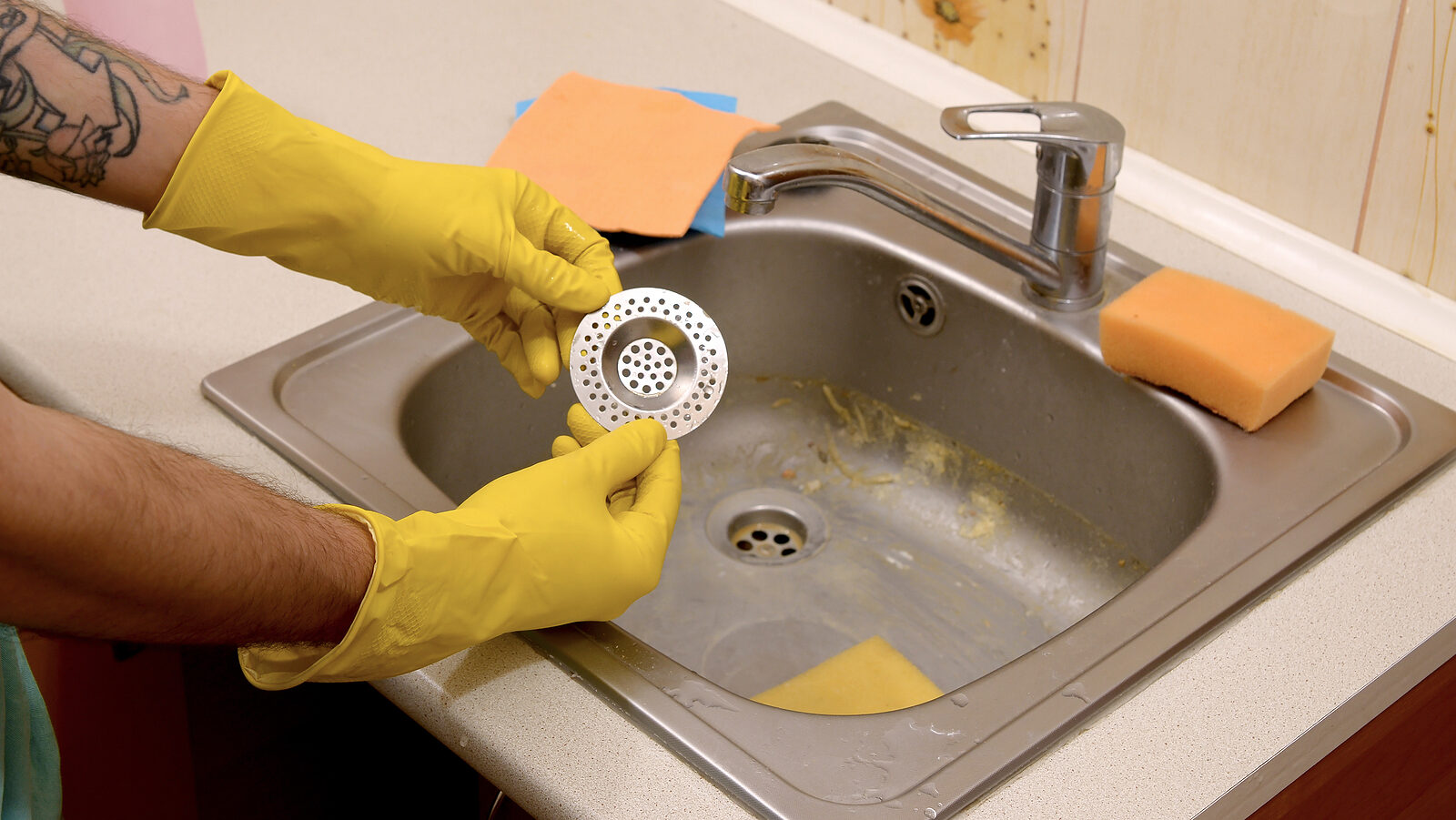
Image Source: blockbusters.co.uk
Why Your Kitchen Sink Smells
Before we dive into the solutions, let’s explore why your kitchen sink might be producing those unwelcome odors.
Common Culprits of Sink Odors
Several things can cause your sink to smell:
- Food Debris: Small pieces of food, coffee grounds, and vegetable peels can get trapped in the drain and the sink trap. As this organic material breaks down, it releases gases that smell unpleasant.
- Grease and Oil Buildup: Pouring grease, oil, or fatty liquids down the drain might seem harmless, but they solidify and coat the inside of your pipes. This sticky residue traps food particles, creating a perfect breeding ground for bacteria and odor-causing microbes.
- Bacteria and Mold Growth: The dark, damp environment within your sink pipes is ideal for bacteria and mold to thrive. These microorganisms feed on the trapped organic matter, producing foul-smelling byproducts.
- Clogged Drains: Even minor clogs can slow down the flow of water, allowing stagnant water and debris to collect in the pipes, leading to smells.
- Dirty Garbage Disposal: If you have a garbage disposal, food particles can cling to its blades and the unit itself, contributing to odors.
- Dirty Sink Trap (P-Trap): The U-shaped pipe beneath your sink, known as the P-trap, is designed to hold water to block sewer gases from entering your home. If it’s not filled with enough water or if debris accumulates within it, odors can escape.
- Vent Pipe Issues: While less common, a blocked vent pipe connected to your plumbing system can sometimes cause sewer gases to back up into your sink.
Simple Ways to Get Sink Smells Out
Often, the solution to a smelly sink is simpler than you might think. These methods focus on immediate odor removal and basic cleaning.
The Hot Water Flush
Sometimes, all your sink needs is a good flush.
- Method: Boil a kettle of water. Slowly pour the boiling water directly down the drain.
- Why it works: The heat can help dissolve grease and loosen minor blockages. It also flushes away loose debris.
- Frequency: Do this weekly for maintenance.
Baking Soda and Vinegar: The Classic Duo
This is a popular and effective natural method to deodorize kitchen sink.
- Method:
- Pour about half a cup of baking soda down the drain.
- Follow it with about half a cup of white vinegar.
- You’ll hear fizzing – that’s the chemical reaction working!
- Let it sit for 15-30 minutes.
- Flush with hot water.
- Why it works: Baking soda is a mild abrasive and a natural deodorizer. Vinegar is acidic and helps break down grime and kill bacteria. The fizzing action helps to dislodge debris.
- Frequency: Use this method once a week or whenever you notice an odor.
Lemon Power
Lemon can add a pleasant scent and has cleaning properties.
- Method:
- Cut a lemon into wedges.
- Feed the wedges one by one into your garbage disposal (if you have one).
- Run the disposal with cold water.
- If you don’t have a disposal, you can boil lemon peels in water and then pour the strained hot water down the drain.
- Why it works: The citric acid in lemons can help cut through grease and leave a fresh scent.
- Frequency: Use as needed for a quick refresh.
Salt and Hot Water
Salt can act as a mild abrasive.
- Method:
- Pour half a cup of salt down the drain.
- Follow with hot water.
- Let it sit for a few hours or overnight.
- Flush with more hot water.
- Why it works: Salt helps to scrub the inside of the pipes and can neutralize some odors.
- Frequency: Use monthly.
Deep Cleaning for Persistent Sink Smells
If the simpler methods don’t quite do the trick, it’s time for a more thorough approach to sink pipe cleaning.
Cleaning the Sink Trap (P-Trap)
The P-trap is a common hiding spot for odor-causing gunk.
Materials Needed:
- Bucket
- Gloves
- Plumber’s snake or old toothbrush
- Hot water and dish soap
- Vinegar or baking soda (optional)
Steps:
- Prepare: Place a bucket directly under the P-trap to catch any water or debris. Put on your gloves.
- Loosen the Trap: Most P-traps have slip nuts that can be loosened by hand or with pliers. Unscrew these nuts.
- Remove and Empty: Carefully detach the P-trap and empty its contents into the bucket. You might be surprised by what you find!
- Clean: Scrub the inside of the P-trap with a brush or plumber’s snake. Rinse it thoroughly with hot water and soap. For extra deodorizing, you can soak it in a vinegar and water solution.
- Reassemble: Reattach the P-trap, making sure the slip nuts are securely tightened to prevent leaks.
- Test: Run some water into the sink to check for leaks and ensure the trap is filling correctly.
This process is crucial for sink trap odor removal.
Using a Drain Snake or Auger
A drain snake can reach further into your pipes to clear blockages.
- Method:
- Feed the end of the snake into the drain opening.
- Push it down until you feel resistance, indicating a blockage.
- Turn the handle of the snake to break up or hook onto the debris.
- Slowly pull the snake back out, removing the gunk.
- Flush the drain thoroughly with hot water.
- Why it works: This physically removes the buildup causing the smell. It’s a key step in sink drain cleaning.
Baking Soda Paste for Immediate Action
For a quick scrub of the sink basin and drain opening.
- Method:
- Mix baking soda with a little water to form a thick paste.
- Apply the paste around the drain opening, the sink basin, and any visible parts of the drain.
- Let it sit for about 15-20 minutes.
- Scrub with a brush or sponge.
- Rinse thoroughly with hot water.
- Why it works: The abrasive nature of baking soda helps scrub away grime, and it also deodorizes.
Natural Sink Deodorizers
Beyond baking soda and vinegar, several other natural ingredients can help maintain kitchen sink freshness.
Ice and Citrus Peels
A great way to clean your garbage disposal and freshen the air.
- Method:
- Fill your ice cube trays with water and a few lemon, lime, or orange peels.
- Freeze them.
- Once frozen, drop a few ice cubes into your garbage disposal.
- Run the disposal with cold water.
- Why it works: The ice scrapes the disposal blades clean, and the citrus peels leave a refreshing scent.
Coffee Grounds (Use with Caution)
Coffee grounds can sometimes help, but overuse can cause clogs.
- Method:
- After brewing coffee, pour a small amount of the used grounds down the drain.
- Follow immediately with hot water.
- Why it works: The grounds can act as a mild abrasive, and they have a naturally deodorizing scent that can mask other odors.
- Caution: Only use small amounts, and always follow with plenty of hot water. Excessive coffee grounds can contribute to clogs.
Activated Charcoal
A powerful natural absorbent.
- Method: Place a small amount of activated charcoal in a porous bag (like cheesecloth) and place it near the sink drain or in the sink trap (if accessible).
- Why it works: Activated charcoal is highly porous and absorbs odors effectively.
- Frequency: Replace as needed, typically every few weeks.
Cleaning Your Garbage Disposal
If you have a garbage disposal, it’s essential to clean it regularly to remove sink odor.
The Ice and Dish Soap Method
Simple and effective.
- Method:
- Fill the disposal with ice cubes.
- Add a squirt of dish soap.
- Run the disposal with cold water for about a minute.
- For extra freshness, follow with citrus peels as described above.
- Why it works: The ice scrapes away food residue from the blades and chamber, while the soap helps break down grease.
Vinegar and Baking Soda for Disposal Odors
A more intensive cleaning for the disposal.
- Method:
- Pour about half a cup of baking soda into the disposal.
- Follow with half a cup of white vinegar.
- Let it fizz for about 10 minutes.
- Flush with cold water while running the disposal.
- Why it works: This combination tackles grime and neutralizes odors within the disposal unit.
What to Avoid When Cleaning Your Sink
Certain cleaning products and habits can worsen sink smells or damage your pipes.
Harsh Chemicals
- Avoid: Commercial drain cleaners that contain harsh chemicals like lye or sulfuric acid.
- Why: These can corrode your pipes over time, damage your garbage disposal, and are harmful to the environment. They might offer a quick fix but can lead to bigger problems.
Pouring Grease and Oils Down the Drain
- Avoid: Never pour cooking grease, fats, or oils directly into the sink.
- Why: As mentioned earlier, these solidify and create sticky buildups that trap food and bacteria, leading to persistent odors and clogs. Collect grease in a container and dispose of it in the trash.
Ignoring Minor Clogs
- Avoid: Don’t let slow drains go unaddressed.
- Why: Slow drains mean water and debris are sitting in your pipes longer, promoting odor-causing bacteria. Address them promptly.
Overusing Coffee Grounds or Eggshells
- Avoid: While sometimes suggested, excessive amounts of coffee grounds or eggshells can actually contribute to clogs because they don’t break down easily.
- Why: They can accumulate and form stubborn blockages, making the odor problem worse.
Preventing Sink Smells in the Future
The best way to deal with a smelly sink is to prevent odors from developing in the first place.
Regular Maintenance Routine
Consistency is key to kitchen sink freshness.
- Daily:
- Rinse your sink with hot water after each use, especially after washing greasy dishes.
- Wipe down the sink basin and faucet.
- Weekly:
- Perform the baking soda and vinegar treatment.
- Clean your garbage disposal.
- If you have a dishwasher, run a cleaning cycle with a dishwasher cleaner.
- Monthly:
- Consider a deeper clean of the sink trap or a gentle drain snake run.
Proper Food Disposal Habits
- Scrape Plates: Scrape all food scraps into the trash or compost bin before rinsing dishes.
- Avoid Fibrous Foods: Don’t put fibrous foods like celery, corn husks, or onion skins down the disposal, as they can easily wrap around the blades and cause issues.
- Limit Starchy Foods: Pasta, rice, and potato peels can expand with water and create clogs. Dispose of them in the trash.
Using a Sink Strainer
- What it does: A sink strainer catches food particles and other debris before they enter the drain.
- Benefits: This is a simple yet effective way to prevent food from getting into your pipes. Empty the strainer into the trash regularly.
Running Cold Water with Garbage Disposal
- Always: Run cold water before, during, and for a short time after using your garbage disposal.
- Why: Cold water helps solidify any grease or oils, allowing them to be flushed away with the ground food particles. Hot water can melt grease, allowing it to coat the pipes.
Troubleshooting Persistent Odors
If you’ve tried these methods and your sink still smells, it might be time to investigate further.
Check for Leaks or Blockages Further Down
Sometimes, the smell isn’t directly in the sink but further down the plumbing line.
- What to look for: Inspect pipes under the sink for any signs of leaks or dampness, which could indicate trapped moisture and mold.
- Professional Help: If you suspect a more significant blockage or pipe issue, it might be time to call a plumber. They have specialized equipment to diagnose and fix problems beyond typical DIY capabilities.
Consider Your Water Source
While rare, certain mineral deposits or even well water issues can sometimes contribute to unusual smells. If the odor is particularly metallic or sulfurous and affects multiple fixtures, investigate your water quality.
Summary of Methods to Remove Sink Odor
Here’s a quick recap of effective ways to get sink smells out:
| Method | Frequency | Best For | Notes |
|---|---|---|---|
| Hot Water Flush | Weekly | General maintenance, minor grease | Dissolves minor grease buildup. |
| Baking Soda & Vinegar | Weekly or as needed | General deodorizing, cleaning | Fizzing action dislodges debris. |
| Lemon/Citrus Peels | As needed | Freshening disposal, pleasant scent | Citric acid cuts grease. |
| Salt & Hot Water | Monthly | Mild scrubbing, odor neutralization | Salt acts as a gentle abrasive. |
| Sink Trap Cleaning | Quarterly or as needed | Persistent odors, heavy buildup | Removes trapped gunk from the P-trap. |
| Drain Snake | As needed | Stubborn clogs, deeper pipe cleaning | Physically removes blockages. |
| Garbage Disposal Cleaning | Weekly or as needed | Disposal unit odors | Ice, soap, and citrus peels are effective. |
| Baking Soda Paste | As needed | Quick sink basin scrub, odor control | Abrasive and deodorizing paste. |
| Activated Charcoal | As needed | Continuous odor absorption | Place near drain or in trap. |
By implementing these strategies, you can confidently tackle and prevent those unpleasant kitchen sink odors, ensuring a cleaner and fresher-smelling home. Maintaining kitchen sink freshness is achievable with consistent effort and the right techniques. Remember, regular cleaning and mindful habits are your best defense against a smelly sink.
Frequently Asked Questions (FAQ)
Q1: How often should I clean my kitchen sink drain?
A1: For general maintenance and to deodorize kitchen sink, a quick clean with baking soda and vinegar or a hot water flush once a week is usually sufficient. If you notice persistent odors, you might need to clean the sink trap or use a drain snake more frequently.
Q2: Can I use bleach to clean my kitchen sink?
A2: While bleach can kill bacteria, it’s generally not recommended for regular sink drain cleaning. Harsh chemicals can damage pipes over time, especially if you have older plumbing or a garbage disposal. Natural methods are often safer and just as effective for eliminate bad smells from sink.
Q3: My garbage disposal smells, what’s the best way to clean it?
A3: The ice and dish soap method or the baking soda and vinegar treatment are excellent for cleaning garbage disposals and removing odors. Running citrus peels through it afterward also leaves a pleasant scent.
Q4: What if the smell persists even after deep cleaning?
A4: If you’ve tried multiple methods and the odor remains, there might be a more significant issue with your plumbing, such as a blockage further down the line or a problem with your sink’s vent pipe. In such cases, it’s best to consult a professional plumber. They can perform thorough sink pipe cleaning and diagnose the root cause of the smell.
Q5: Are there any natural sink deodorizers I can keep in my sink?
A5: You can place small sachets of activated charcoal near your drain or in the sink trap if accessible. Some people also find that leaving a small bowl of baking soda near the sink can help absorb ambient odors. However, never put loose baking soda or other large particles directly into the drain without flushing.
Q6: How do I clean the sink trap odor removal effectively?
A6: To effectively perform sink trap odor removal, you’ll need to loosen the trap, remove it, empty it into a bucket, scrub it clean with a brush, and then rinse it thoroughly. A vinegar and water soak can help further deodorize it before reassembly. Always test for leaks afterward.