
Can you separate a kitchen and living room in an open concept layout? Yes, you absolutely can! Separating a kitchen and living room in an open-concept space is a common design challenge. Fortunately, there are many smart and stylish ways to achieve this, allowing you to create distinct zones without sacrificing the airy feel of your home. This guide will walk you through various solutions, from simple furniture arrangements to more involved architectural changes, helping you define living areas and create a more functional and aesthetically pleasing home.
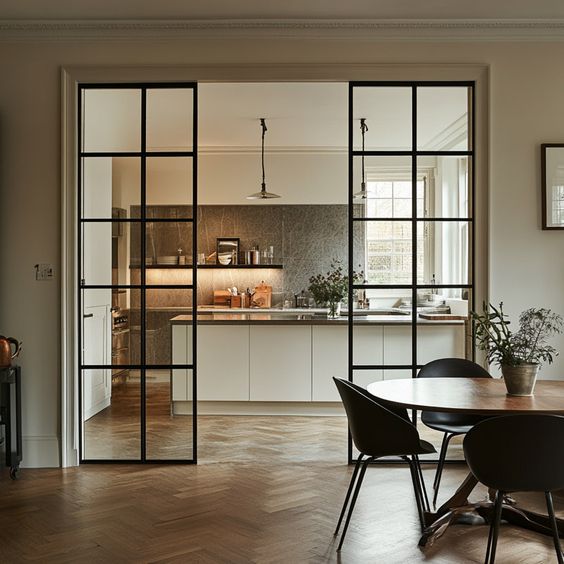
Image Source: andorwillow.com
Why Separate Your Kitchen and Living Room?
Open-concept living has been a popular trend for years, offering a sense of spaciousness and flow. However, it’s not always ideal. There are several compelling reasons why you might want to visually or physically separate your kitchen and living room:
- Noise Reduction: Kitchen activities, like cooking and running appliances, can be noisy and disruptive to relaxation in the living room. Separation helps contain these sounds.
- Odor Control: Cooking smells, especially strong ones, can easily permeate an open space. A separation can help keep cooking odors confined to the kitchen.
- Visual Clutter Management: The kitchen can often become visually cluttered with appliances, dishes, and food preparation. Separating it from the living room helps create a tidier and more inviting atmosphere in the latter.
- Defining Functional Zones: Even in a single large space, creating distinct areas for cooking, dining, and lounging enhances usability and organization.
- Privacy: Sometimes, you might want a bit of privacy while entertaining guests in the living room or while prepping food in the kitchen.
- Aesthetics and Style: Different rooms can have different design styles. Separating them allows for more tailored decorating approaches.
Simple Solutions for Room Divider Ideas
When considering how to partition living and dining room areas or separate your kitchen from your living space, often the simplest solutions are the most effective. These methods are generally budget-friendly and don’t require major renovations.
Furniture Arrangement Living Room
The strategic placement of furniture is a powerful tool for creating visual separation. It’s one of the easiest ways to start dividing open plan spaces.
- The Sofa as a Barrier: Place your sofa with its back to the kitchen or dining area. This creates a clear visual and physical barrier, instantly defining the living room zone. You can add a console table behind the sofa to further enhance this separation and provide a surface for lamps or decor.
- Bookcases and Shelving Units: Tall, open-backed bookcases or modular shelving units work wonders as room divider ideas. They offer storage and display space while allowing light to pass through, preventing the space from feeling too closed off. Consider placing them perpendicular to a wall to create a more defined division.
- Consoles and Sideboards: Similar to the sofa approach, a console table or sideboard placed strategically can delineate zones. This is particularly effective when placed behind a sofa or as a divider between a kitchen island and a dining or living area.
- Rugs to Define Zones: Area rugs are excellent for visually anchoring specific areas. Use one rug to define your living room seating area and another (perhaps smaller) rug in front of the kitchen island or in the dining space. This layering of rugs clearly signals different functional zones.
Creating Distinct Zones with Decor and Lighting
Beyond furniture, thoughtful decorative choices can reinforce the separation of your kitchen and living room.
- Color Palettes: Using slightly different, yet complementary, color palettes for each zone can create a subtle but effective division. For example, a warmer, cozier palette in the living room and a cleaner, brighter palette in the kitchen.
- Lighting: Different lighting schemes can also signal a change in zone. Pendant lights over a kitchen island or dining table create a focal point and a sense of enclosure for that area, while a floor lamp and table lamps in the living room create a softer, more intimate ambiance.
- Wall Art and Decor: Strategically placed wall art or decorative objects can draw the eye and help define the boundaries of each space.
Medium-Level Solutions for Visual Separation Living Space
For those looking for a bit more definition without a full renovation, consider these options. These are excellent open concept living room solutions that offer more substantial separation.
Screens and Dividers
Freestanding screens offer flexibility and can be easily moved or folded away.
- Folding Screens: Available in various materials like wood, fabric, or wicker, folding screens are a classic and versatile option. They can be easily adjusted to control the degree of separation.
- Tapestry or Fabric Dividers: Hanging a large tapestry or a thick fabric panel from a ceiling track or a freestanding frame can create a soft, elegant separation. This is a great way to add texture and color to your space.
- Plants as Dividers: A cluster of tall plants or a well-maintained indoor garden can act as a living, breathing room divider. This adds a natural element and improves air quality.
Shelving and Storage Solutions
Beyond open bookcases, more solid shelving units can offer greater visual and even acoustic separation.
- Closed Storage Units: Cabinets or closed shelving units provide not only separation but also valuable storage, helping to keep the living area free from kitchen-related clutter.
- Low-Level Dividers: Shorter shelving units or benches can create a sense of separation without completely blocking sightlines, allowing for a feeling of openness while still defining zones.
Architectural and Semi-Permanent Solutions for Dividing Open Plan Spaces
If you’re ready for a more significant change, these solutions offer more permanent and impactful separation.
Partial Walls and Half Walls
A half wall can be a fantastic compromise. It offers a strong visual and physical barrier while still allowing light and a sense of connection between the spaces.
- Built-in Half Walls: These can be constructed from drywall, wood, or even brick, and can incorporate features like built-in shelving, a countertop for casual seating, or a fireplace.
- Half-Height Walls with Shelving: Integrating shelving into a half wall maximizes its functionality, offering display and storage opportunities.
Sliding Doors and Pocket Doors
These are excellent for creating a flexible separation that can be opened up when desired.
- Barn Doors: With their stylish aesthetic, barn doors slide along an exterior track, making them a popular choice for adding character and a distinct separation between kitchen and living areas.
- Pocket Doors: These doors slide into a hidden cavity within the wall, disappearing completely when open, offering a seamless transition.
- Glass Sliding Doors: For maximum light penetration while still achieving separation, consider glass sliding doors. These can be framed in wood, metal, or even be entirely frameless for a minimalist look.
Room Dividers with Integrated Features
Some room divider ideas are designed with multiple functions in mind.
- Kitchen Islands with Extended Countertops: A well-placed kitchen island, especially one with an extended countertop that can serve as a breakfast bar or dining area, naturally creates a visual separation between the kitchen and living space. This is a key element in defining living areas.
- Fireplace Dividers: A double-sided fireplace can be a stunning focal point and an effective room divider, offering warmth and ambiance to both the kitchen and living areas.
DIY Room Separation: Budget-Friendly Options
For the hands-on homeowner, there are numerous DIY room separation projects that can achieve a similar effect to professional solutions.
- Repurposed Doors: An old door, perhaps with some decorative elements added, can be mounted on hinges to create a swinging room divider.
- Pallet Wood Walls: Constructing a decorative wall from reclaimed pallet wood can add a rustic charm and a definite separation.
- Curtain Dividers: Hanging heavy, decorative curtains from a ceiling track or a tension rod can provide a soft, flexible separation. This is a great option for visual separation living space without commitment.
- Repurposed Furniture: An old dresser, wardrobe, or even a collection of large plants in decorative pots can be creatively arranged to act as a divider.
Creating an Entryway and Defining Living Areas
When you’re working with an open-concept layout, the entrance to your home often merges directly into your living space, and the kitchen can feel like it’s spilling into your relaxation zone. How do you address this to create a more organized and welcoming flow?
Zone Creation for Entryways
- Console Table and Mirror: Placing a console table with a mirror above it near the main entrance can create an immediate sense of an entryway, even within a larger open space. This gives a designated spot for keys, mail, and a quick check before heading out.
- Area Rug: A welcoming rug at the entrance signals the transition from outside to inside and visually separates the entryway from the main living area.
- Bench or Storage Ottoman: A bench or storage ottoman provides a place to sit while putting on shoes and can also serve as a low-profile divider between the entryway and the living room.
Defining Living Areas with Furniture and Layout
The way you arrange your furniture is crucial for defining living areas within your open-concept home.
- The “Living Room” as a Cluster: Arrange your sofa, armchairs, and coffee table in a cohesive grouping, typically facing a focal point like a television or fireplace. Ensure this grouping is distinct from the kitchen and dining areas.
- The “Dining Room” as a Transition: Often, the dining area acts as a natural bridge between the kitchen and living room. A dining table and chairs here clearly mark the transition.
- Flow and Traffic Patterns: Consider how people will move through the space. Ensure there are clear pathways between zones and avoid blocking major thoroughfares with furniture.
Table of Solutions: Separating Kitchen and Living Room
| Solution Type | Method | Pros | Cons | Best For |
|---|---|---|---|---|
| Furniture | Sofa with back to kitchen | Simple, effective, doubles as seating. | Limited separation if sofas are low. | Budget-conscious, renters, quick fixes. |
| Bookcases/Shelving | Offers storage/display, allows light. | Can feel bulky if solid, needs anchoring. | Open-plan, desire for adaptable separation. | |
| Rugs | Visually defines zones, adds warmth. | Doesn’t provide physical separation. | Emphasizing different functional areas. | |
| Dividers | Screens (folding, fabric) | Flexible, decorative, easy to move. | Offers limited acoustic or odor separation. | Adding a temporary or decorative division. |
| Plants | Natural, improves air quality, adds beauty. | Requires maintenance, may not provide sufficient privacy. | Soft, organic separation, biophilic design. | |
| Semi-Permanent | Half walls | Offers good visual and some acoustic separation, can incorporate features. | Less flexible than other options, may require some construction. | Creating a more defined and sturdy separation. |
| Sliding/Pocket Doors | Flexible separation, saves space when open. | Can be an investment, requires wall space for operation. | Desire for adaptable separation, modern aesthetics. | |
| Kitchen Islands/Peninsulas | Functional workspace, dining, and separation in one. | Can take up floor space, may not be suitable for very small layouts. | Creating a clear demarcation while maximizing kitchen functionality. | |
| DIY | Curtains | Affordable, easy to install, customizable. | Can look less polished if not done well, minimal acoustic/odor control. | Budget-friendly, renters, desire for a soft division. |
| Repurposed furniture/doors | Eco-friendly, unique aesthetic, cost-effective. | Requires creativity and effort, may not fit all decor styles. | Creative individuals, upcycling enthusiasts. |
Frequently Asked Questions (FAQ)
Q: What is the most cost-effective way to separate a kitchen and living room?
A: Using furniture arrangement, like placing a sofa with its back to the kitchen, or using rugs to define zones, are the most cost-effective methods. DIY curtain dividers are also very budget-friendly.
Q: Can I use plants to separate my kitchen and living room?
A: Yes, a collection of tall plants can create a beautiful and natural visual separation. Consider plants like Snake Plants, Fiddle Leaf Figs, or Bamboo for height and density.
Q: What are some open concept living room solutions that don’t involve construction?
A: Furniture arrangement, freestanding screens, decorative rugs, and using lighting to define zones are excellent non-construction solutions for open concept living room solutions.
Q: How can I improve acoustic separation between my kitchen and living room?
A: More solid solutions like half walls, pocket doors, or even strategically placed bookshelves filled with books can help absorb sound and improve acoustic separation.
Q: What is the best way to create an entryway in an open-concept home?
A: You can create an entryway by using a console table with a mirror, a distinct area rug, and perhaps a bench or coat rack near the main door to signal the transition into the home.
By implementing these various strategies, you can effectively separate your kitchen and living room, enhancing the functionality, comfort, and aesthetic appeal of your home. Whether you opt for a subtle visual cue or a more defined architectural division, the key is to choose solutions that align with your lifestyle, budget, and design preferences.