
What is the most important aspect of commercial kitchen cleaning? Ensuring food safety and preventing cross-contamination are paramount when cleaning a commercial kitchen. This involves regular cleaning, proper sanitization, and a systematic approach to maintain a hygienic environment.
A spotless commercial kitchen isn’t just about aesthetics; it’s a critical component of food safety, operational efficiency, and regulatory compliance. Neglecting cleaning can lead to pest infestations, health code violations, and ultimately, harm to your customers. This comprehensive guide will equip you with expert tips and strategies to maintain the highest standards of cleanliness in your busy culinary space.
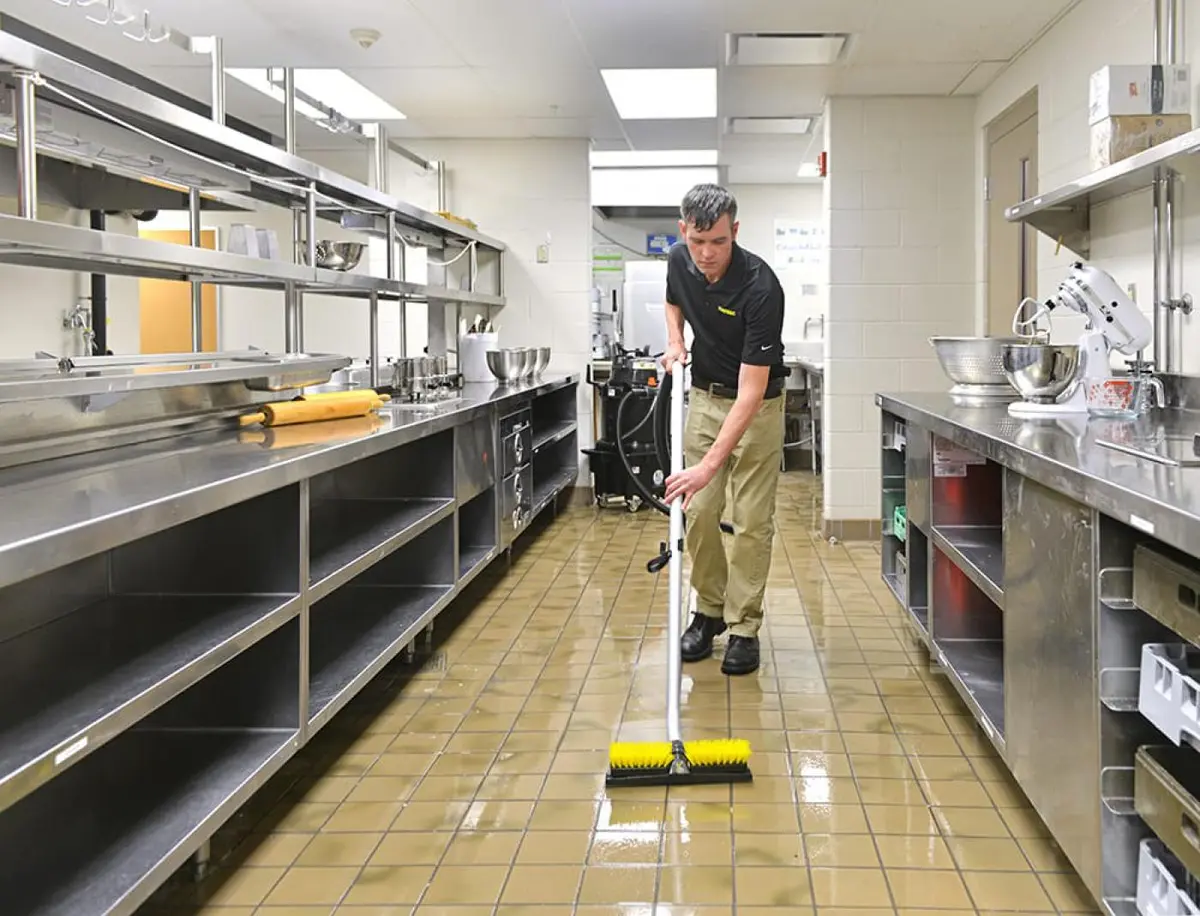
Image Source: cdn.sanity.io
The Foundation: Establishing a Robust Commercial Kitchen Cleaning Checklist
A detailed commercial kitchen cleaning checklist is the backbone of any effective cleaning program. It ensures that no area or piece of equipment is overlooked and provides a clear framework for your staff. This checklist should be broken down by frequency (daily, weekly, monthly, quarterly) and responsibility.
Daily Cleaning Tasks: The Non-Negotiables
These tasks are the frontline defense against dirt, grease, and bacteria. They should be performed at the end of each shift or at the close of business.
- Surfaces: All food preparation surfaces, including countertops, cutting boards, and sinks, must be washed, rinsed, and sanitized.
- Equipment: Food contact surfaces of all equipment (mixers, slicers, ovens, grills, fryers) need thorough cleaning and sanitization.
- Floors: Sweep and mop all kitchen floors to remove debris and spills.
- Dishware and Utensils: Ensure all dishes, cutlery, and cooking utensils are washed, rinsed, and sanitized according to health regulations.
- Waste Bins: Empty and clean all waste bins, lining them with fresh bags.
- Grease Filters: Clean or replace grease filters in the ventilation system.
Weekly Cleaning Tasks: Deeper Dive, Greater Impact
These tasks require a bit more time and attention but are crucial for preventing buildup and maintaining overall hygiene.
- Oven Interiors: Scrape down and clean oven interiors, including racks and walls.
- Fryer Cleaning: Drain, clean, and refill fryers. This is a critical step for both food quality and safety.
- Walk-in Refrigerators/Freezers: Wipe down shelves, walls, and floors. Check for expired or spoiled food.
- Shelving Units: Clean all storage shelves in dry storage, refrigerators, and freezers.
- Dishwasher Cleaning: Clean the interior and exterior of dishwashers, including spray arms and filters.
- Mops and Cleaning Cloths: Launder or discard all cleaning cloths and mop heads.
Monthly Cleaning Tasks: Tackling the Tough Spots
These tasks focus on areas that accumulate grease and grime over a longer period.
- Commercial Kitchen Ventilation Cleaning: This is a critical but often overlooked task. Professional cleaning of hoods, ducts, and exhaust fans is essential to prevent fire hazards and improve air quality.
- Deep Cleaning Commercial Kitchen Equipment: Thoroughly dismantle and clean equipment that can be safely disassembled, such as griddle grates, fryer baskets, and oven components.
- Behind and Underneath Equipment: Move heavy equipment (where feasible and safe) to clean the areas behind and underneath.
- Wall and Ceiling Cleaning: Wipe down walls and ceilings to remove grease splatters and dust.
- Light Fixtures: Clean light fixtures to improve visibility and prevent dust accumulation from falling into food.
Quarterly/Semi-Annual Cleaning Tasks: The Grand Overhaul
These are the significant deep cleaning efforts that ensure every nook and cranny is addressed.
- Commercial Kitchen Floor Cleaning: Deep scrub all floors, including grout lines and coving. Consider professional floor cleaning services for tougher stains.
- Grease Trap Cleaning: This is a vital environmental and health regulation compliance task. Regular commercial kitchen grease trap cleaning prevents blockages and unpleasant odors.
- Pest Control Inspection and Treatment: Schedule professional pest control services.
- Wall and Ceiling Deep Clean: More intensive cleaning of walls and ceilings, potentially using degreasers for stubborn build-up.
Mastering Commercial Kitchen Sanitization: Beyond Just Cleaning
Commercial kitchen sanitization goes hand-in-hand with cleaning. Cleaning removes visible dirt and food particles, while sanitizing reduces the number of harmful microorganisms to safe levels.
The Three-Compartment Sink Method: A Cornerstone of Sanitization
This method is fundamental for washing, rinsing, and sanitizing utensils and equipment that cannot be machine washed.
- Wash: Fill the first compartment with hot water (at least 110°F or 43°C) and detergent. Wash all items thoroughly.
- Rinse: Fill the second compartment with clean hot water. Rinse all items to remove detergent residue.
- Sanitize: Fill the third compartment with a sanitizing solution. Common sanitizers include:
- Chlorine (Bleach): Typically a concentration of 50-100 parts per million (ppm). The water should be at least 75°F (24°C).
- Quaternary Ammonium Compounds (Quats): Follow manufacturer instructions for dilution and contact time.
- Iodine: Follow manufacturer instructions for dilution and contact time.
- Air Dry: Remove items from the sanitizer and allow them to air dry completely on a clean rack. Do not towel dry, as towels can reintroduce bacteria.
Chemical Sanitizers: Proper Usage is Key
- Test Strips: Always use test strips to verify the correct concentration of your sanitizing solution. Too weak won’t sanitize effectively; too strong can be corrosive and leave residue.
- Contact Time: Ensure items remain in the sanitizer for the recommended contact time (usually 30 seconds to 1 minute, depending on the sanitizer).
- Temperature: For chlorine sanitizers, water temperature is crucial. For quats, it might be less critical but still important to check manufacturer guidelines.
- Freshness: Change sanitizing solutions regularly, especially if they become diluted or contaminated.
Heat Sanitization
Using hot water at a specific temperature can also be an effective sanitization method, particularly in commercial dishwashers. Ensure your dishwasher reaches and maintains the required temperatures for washing and sanitizing.
Expert Tips for Commercial Kitchen Equipment Cleaning
Each piece of commercial kitchen equipment cleaning requires specific attention. Grease, carbonized food particles, and bacteria can build up rapidly.
Grills and Griddles: Combating Carbon Build-up
- Daily: While hot, use a scraper to remove debris. Clean with a grill brick or stone.
- Weekly: Apply a degreaser and scrub thoroughly. Rinse and dry.
- Seasoning: After cleaning, re-season flat-top griddles by applying a thin layer of cooking oil and heating it until it smokes. This prevents sticking and corrosion.
Fryers: Safety First, Cleanliness Always
- Daily: Skim out food particles.
- Weekly (or more often depending on usage): Drain oil. Clean the fryer tank with hot water and degreaser, scrubbing all surfaces. Rinse thoroughly. Refill with fresh oil and heat to the appropriate temperature before use. Filter oil regularly between full cleans to extend its life and maintain quality.
Ovens and Ranges: Taming the Heat and Grease
- Daily: Wipe down exterior surfaces. Clean spills inside the oven while still warm.
- Weekly: Clean oven interiors with approved oven cleaners. Scrub racks and grates.
- Deep Clean: For baked-on grease, use specialized degreasers and allow adequate dwell time.
Slicers and Mixers: Precision Cleaning
- Daily: Disassemble removable parts (blades, guards, bowls) and wash, rinse, and sanitize them. Clean the main unit with a damp cloth and approved cleaner. Ensure all parts are thoroughly dried before reassembly.
- Caution: Always follow manufacturer instructions for disassembly and cleaning to avoid damage and ensure safety.
Refrigeration Units: Preventing Spoilage and Odors
- Daily: Wipe down frequently touched handles and surfaces. Check for spills inside.
- Weekly: Wipe down interior shelves and walls with a mild detergent and water. Check for and discard any spoiled food.
- Monthly: Clean condenser coils for better efficiency and to prevent overheating.
Commercial Kitchen Floor Cleaning: The Unsung Hero of Hygiene
Clean floors are essential for safety and hygiene. Grease, moisture, and food particles can make floors slippery and harbor bacteria.
Daily Floor Maintenance
- Sweeping: Sweep all floors thoroughly to remove dry debris. Pay attention to corners and under equipment.
- Mopping: Mop all floors with hot water and an appropriate floor cleaner. Use a degreasing cleaner in high-traffic areas. Ensure proper rinsing and allow floors to dry completely.
Deep Cleaning Commercial Kitchen Floor Areas
- Grout and Seams: Use a stiff-bristled brush or a floor scrubber to clean grout lines and seams between tiles or floor sections where grime can accumulate.
- Coving: Don’t forget the coving – the curved area where the floor meets the wall. This is a prime spot for grease and dirt buildup.
- Under Equipment: Regularly move heavy equipment to clean the floor beneath. This prevents hidden messes and potential pest habitats.
- Drain Cleaning: Ensure floor drains are clean and free of debris. Some may require regular flushing with hot water and degreaser.
The Importance of Commercial Kitchen Ventilation Cleaning
A clean ventilation system is crucial for fire safety and air quality. Grease can accumulate in hoods, filters, and exhaust ducts, creating a significant fire hazard.
- Hoods: Clean the exterior and interior of exhaust hoods regularly.
- Filters: Clean or replace grease filters daily or weekly, depending on usage and manufacturer recommendations.
- Ductwork: Professional cleaning of exhaust ductwork is recommended at least annually, or more frequently in high-volume operations. This removes accumulated grease that could ignite.
- Exhaust Fans: Ensure exhaust fans are clean and functioning properly.
Commercial Kitchen Grease Trap Cleaning: Protecting Your Plumbing and the Environment
Grease traps are designed to intercept fats, oils, and grease (FOG) from wastewater before it enters the sewer system. If not cleaned regularly, they can overflow, causing blockages, foul odors, and environmental violations.
- Frequency: The frequency of commercial kitchen grease trap cleaning depends on the size of the trap and the volume of grease produced. This can range from monthly to quarterly.
- Professional Services: It is highly recommended to use professional grease trap cleaning services. They have the specialized equipment and expertise to remove FOG safely and dispose of it responsibly.
- Record Keeping: Maintain records of cleaning to demonstrate compliance with local regulations.
Commercial Kitchen Waste Disposal: A Clean Sweep from Start to Finish
Proper commercial kitchen waste disposal is an integral part of maintaining a hygienic environment.
- Segregation: Separate different types of waste (food scraps, recyclables, general waste).
- Bins: Use designated, lidded bins for all waste.
- Regular Emptying: Empty bins frequently throughout the day, especially during peak hours, and at the end of each shift.
- Cleaning Bins: Wash and sanitize waste bins regularly to prevent odor and pest attraction.
- Exterior Areas: Keep exterior waste disposal areas clean and free of debris. Ensure dumpsters are covered and the surrounding area is maintained.
Creating an Effective Commercial Kitchen Cleaning Schedule
A well-defined commercial kitchen cleaning schedule ensures that cleaning tasks are performed consistently and thoroughly.
Key Components of a Schedule:
- Task Identification: Clearly list all cleaning tasks.
- Frequency: Assign a specific frequency to each task (daily, weekly, monthly, etc.).
- Responsibility: Designate who is responsible for each task (e.g., specific staff members, shift leads, or a dedicated cleaning team).
- Check-off System: Implement a system for staff to check off tasks as they are completed. This promotes accountability.
- Review and Update: Regularly review and update the schedule based on operational needs, staff feedback, and inspection reports.
Sample Weekly Schedule Snippet:
| Task | Monday | Tuesday | Wednesday | Thursday | Friday | Saturday | Sunday |
|---|---|---|---|---|---|---|---|
| Grill Cleaning | Daily | Daily | Daily | Daily | Daily | Daily | Daily |
| Fryer Cleaning & Refill | Friday | — | — | — | — | — | — |
| Walk-in Fridge Wipe Down | Monday | — | — | — | — | — | — |
| Floor Mopping | Daily | Daily | Daily | Daily | Daily | Daily | Daily |
| Dishwasher Cleaning | Friday | — | — | — | — | — | — |
When to Consider Professional Kitchen Cleaning Services
While your in-house team can handle daily and weekly tasks, some jobs are best left to the experts. Engaging professional kitchen cleaning services can provide a deeper level of clean and ensure compliance with specialized requirements.
- Deep Cleaning Commercial Kitchen: For comprehensive, periodic deep cleans that your staff may not have the time or specialized equipment for.
- Commercial Kitchen Ventilation Cleaning: Professionals have the tools and safety equipment to access and clean ductwork effectively.
- Commercial Kitchen Grease Trap Cleaning: As mentioned, this requires specialized removal and disposal services.
- Floor Stripping and Waxing: For restoring and protecting kitchen flooring.
- Post-Renovation Cleaning: Removing construction dust and debris.
Frequently Asked Questions (FAQ)
Q1: How often should I sanitize my commercial kitchen?
Sanitization should occur after every cleaning cycle, especially for food contact surfaces. This means after daily cleaning, after cleaning spills, and after washing utensils and equipment.
Q2: What are the most common mistakes made in commercial kitchen cleaning?
Common mistakes include:
* Not using a proper sanitizing solution or incorrect concentration.
* Skipping rinsing steps after cleaning.
* Towel drying sanitized items instead of air drying.
* Neglecting hard-to-reach areas and under equipment.
* Infrequent cleaning of ventilation systems and grease traps.
* Using the wrong cleaning chemicals for specific surfaces or equipment.
Q3: Can I use household cleaning products in a commercial kitchen?
No, it’s generally not recommended. Commercial kitchens require heavy-duty, food-safe cleaning agents and sanitizers designed to handle grease, high temperatures, and stringent hygiene standards. Household products may not be effective or approved for commercial use.
Q4: What is the best way to train staff on cleaning procedures?
Provide clear, written procedures and visual aids. Conduct hands-on training sessions, demonstrating proper techniques for each task. Regular refresher courses and competency checks are also beneficial. Emphasize the importance of food safety and the “why” behind each cleaning step.
Q5: How do I manage cleaning supplies and chemicals safely?
Store all cleaning chemicals in their original containers, clearly labeled. Keep them in a designated, secure area, separate from food storage. Provide staff with appropriate Personal Protective Equipment (PPE), such as gloves and eye protection, when handling chemicals. Ensure Material Safety Data Sheets (MSDS) or Safety Data Sheets (SDS) are readily available for all chemicals.
By implementing these expert tips, maintaining a rigorous cleaning schedule, and prioritizing commercial kitchen sanitization, you can ensure your kitchen is not only a safe and hygienic place to work but also a testament to your commitment to quality and customer well-being. Regular attention to every detail, from commercial kitchen equipment cleaning to commercial kitchen waste disposal, forms the foundation of a successful and compliant food service operation.