
Does your kitchen sink emit an unpleasant odor, turning a simple chore into a sensory assault? Yes, you can stop your kitchen sink from smelling naturally, often by addressing the buildup of gunk and bacteria that cause these foul scents. This guide will explore effective, natural methods to banish sink smells and keep your kitchen fresh.
A lingering kitchen sink smell can be more than just annoying; it can be a sign of underlying issues in your plumbing. This odor can stem from trapped food particles, grease buildup, or even problems within your garbage disposal. Fortunately, you don’t need harsh chemicals to tackle this common household problem. Many effective solutions rely on simple, readily available ingredients and preventative measures.
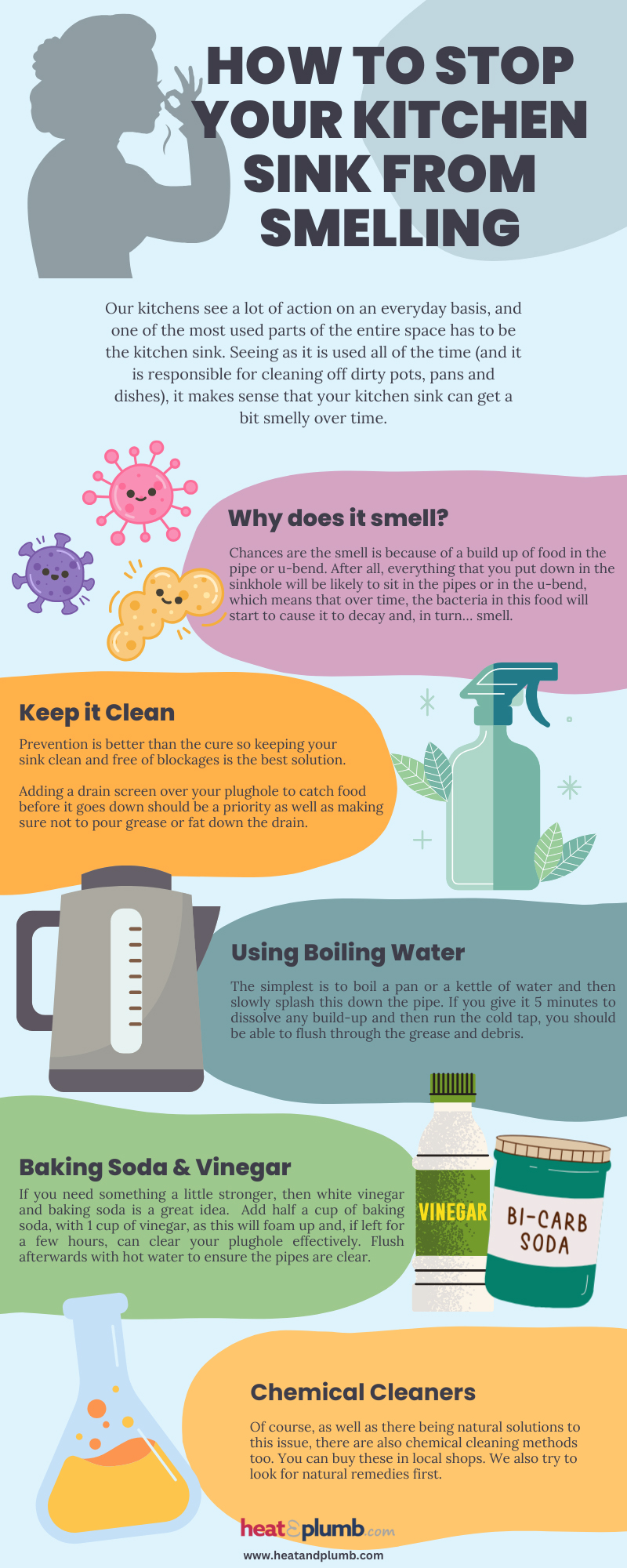
Image Source: www.heatandplumb.com
Deciphering the Source of Sink Odors
Before we dive into solutions, let’s identify what causes that unwelcome smell. Most often, the culprit is organic matter that gets trapped in your sink drain or garbage disposal. Over time, this matter decomposes, creating a breeding ground for bacteria and producing foul odors.
- Food Debris: Small particles of food, especially those with high fat or protein content, can stick to the sides of your pipes.
- Grease and Fats: When grease, oil, or fat goes down the drain, it solidifies and coats the pipes, trapping other debris.
- Soap Scum: While not as potent as food, soap scum can also contribute to buildup and harbor bacteria.
- Garbage Disposal Issues: If you have a garbage disposal, food trapped within its blades or housing is a prime suspect for garbage disposal odor.
- P-Trap Problems: The P-trap, the curved pipe under your sink, is designed to hold water and prevent sewer gases from entering your home. If it dries out or gets clogged, it can release odors.
Natural Cleaning Arsenal: Your Go-To Solutions
Forget those harsh, fume-filled drain cleaner products. Nature offers powerful and safe alternatives to keep your sink smelling fresh.
The Power Duo: Baking Soda and Vinegar
This classic combination is a marvel for cleaning and deodorizing. The reaction between baking soda vinegar creates a fizzing action that helps dislodge grime and kill odor-causing bacteria.
How to Use:
- Boiling Water Flush: Start by pouring a kettle of boiling water down the drain. This helps to melt away any initial grease buildup.
- Baking Soda Application: Pour about half a cup of baking soda directly into the drain.
- Vinegar Pour: Follow up by pouring about a cup of white vinegar over the baking soda. You’ll hear and see it fizz.
- Cover and Wait: Immediately cover the drain with a stopper or a wet cloth to keep the reaction contained. Let it sit for at least 30 minutes, or even longer for tougher smells.
- Final Rinse: Pour another kettle of boiling water down the drain to wash away the loosened debris.
This method is excellent for general sink maintenance and can be performed weekly to prevent drain smell.
Lemon and Orange Peels: A Zesty Deodorizer
Citrus peels are fantastic for their natural oils, which not only provide a pleasant scent but also have mild degreasing properties.
How to Use:
- With Garbage Disposal: Cut up lemon, lime, or orange peels into small pieces and run them through your garbage disposal. Flush with cold water. This is a simple way to add a fresh scent and help scrub the disposal.
- Without Garbage Disposal: You can also boil citrus peels in a pot of water for about 15-20 minutes. Let the water cool slightly and then carefully pour it down your drain.
This is a quick and easy way to introduce a fresh fragrance and assist with kitchen sink maintenance.
Salt and Baking Soda: The Gritty Scrubbers
Salt acts as a gentle abrasive, helping to scrub away buildup, while baking soda deodorizes.
How to Use:
- Combine: Mix half a cup of salt with half a cup of baking soda.
- Apply: Pour the mixture down the drain.
- Let Sit: Allow it to sit for at least an hour, or overnight for stubborn odors.
- Flush: Rinse with hot or boiling water.
This is a good approach for tackling persistent odors and contributes to effective smelly drain treatment.
Ice Cubes and Citrus: For Garbage Disposal Revitalization
If your garbage disposal odor is the primary concern, ice cubes can help.
How to Use:
- Fill Disposal: Fill the garbage disposal unit with ice cubes.
- Add Citrus: Add some lemon or lime wedges or peels on top of the ice.
- Run Disposal: Turn on the cold water and then run the garbage disposal until the ice and peels are completely ground up.
- Flush: Turn off the disposal and flush with plenty of cold water.
The ice helps to scrape away residue from the disposal blades, and the citrus adds a fresh scent. This is a key part of garbage disposal odor management.
Deep Cleaning Your Sink Pipes
Sometimes, the smell indicates a more significant buildup within the pipes themselves. These methods go a step further to clean sink pipes.
Boiling Water and Dish Soap
A simple yet effective way to tackle grease buildup.
How to Use:
- Boiling Water: Pour a kettle of boiling water down the drain to melt grease.
- Dish Soap: Squirt a generous amount of liquid dish soap (preferably a degreasing formula) down the drain.
- Hot Water Rinse: Follow with another flush of hot tap water.
Repeat this process regularly to prevent drain smell.
Baking Soda Paste for Gunk Removal
For visible gunk around the drain opening, a baking soda paste can be very effective.
How to Use:
- Make Paste: Mix baking soda with a small amount of water to form a thick paste.
- Apply: Use an old toothbrush or sponge to apply the paste around the drain opening and any visible pipework.
- Scrub: Gently scrub the area.
- Rinse: Rinse thoroughly with hot water.
This helps to physically remove food debris and surface grime.
Preventing Future Sink Smells: Proactive Measures
The best way to stop a kitchen sink from smelling is to prevent the problem from occurring in the first place. Consistent kitchen sink maintenance is key.
What to Avoid Pouring Down the Drain
Being mindful of what goes down your drain is crucial. Many common kitchen items can cause significant buildup and contribute to foul odors.
- Fats, Oils, and Grease: Always wipe greasy pans with paper towels before washing, or collect grease in a separate container to dispose of in the trash.
- Coffee Grounds: While they seem small, coffee grounds can accumulate and form clogs.
- Eggshells: The membrane of eggshells can stick to pipes and trap other debris.
- Starchy Foods: Pasta, rice, and potato peels can expand with water and create blockages.
- Fibrous Vegetables: Celery, corn husks, and asparagus can create tangled masses that trap other waste.
- Harsh Chemicals: Avoid chemical drain cleaner as they can damage pipes and are not environmentally friendly.
Regular Rinsing with Hot Water
After using the sink, especially after cooking or washing dishes, running hot water for about 30 seconds can help wash away any lingering particles and prevent them from sticking to the pipes. This is a simple yet effective step in preventing garbage disposal odor as well.
Using a Sink Strainer
A good quality sink strainer will catch larger food particles and debris, preventing them from entering the drain system. Make sure to empty and clean the strainer regularly. This is a fundamental step for prevent drain smell.
Running Cold Water with the Garbage Disposal
When using your garbage disposal, always run cold water before, during, and for a short time after. Cold water helps to solidify grease so it can be chopped up and flushed away more effectively, rather than coating your pipes. This is vital for garbage disposal odor control.
Specific Solutions for Garbage Disposal Odor
If your garbage disposal is the main source of the smell, here are some targeted strategies to act as a sink deodorizer.
The Baking Soda and Vinegar Deep Clean for Disposals
This is a more robust version of the drain cleaning method.
How to Use:
- Turn Off Power: Ensure the garbage disposal is turned OFF at the switch.
- Baking Soda: Pour about half a cup of baking soda directly into the disposal unit.
- Vinegar: Pour about a cup of white vinegar into the disposal.
- Wait: Let it fizz and sit for at least 30 minutes.
- Scrape: Use a brush to gently scrub the inside of the disposal chamber if accessible.
- Flush: Turn on the cold water and run the disposal. Then, flush with plenty of cold water.
This is a highly effective smelly drain treatment for the disposal unit.
Utilizing Enzyme-Based Cleaners
Enzyme cleaners contain beneficial bacteria that consume organic waste, breaking down the gunk that causes odors. They are a fantastic natural drain cleaner and a safe alternative to chemical drain cleaners.
How to Use:
- Follow the manufacturer’s instructions. Typically, you pour a measured amount down the drain or disposal and let it work overnight.
These cleaners are excellent for long-term sink maintenance and preventing clogs.
Troubleshooting Persistent Smells
If you’ve tried the above methods and the smell persists, here are a few more things to consider.
Checking the P-Trap
The P-trap can sometimes accumulate debris.
How to Inspect:
- Prepare: Place a bucket underneath the P-trap to catch any water or debris.
- Loosen: Use a wrench to carefully loosen the slip nuts connecting the P-trap.
- Clean: Remove the P-trap and empty its contents into the bucket. Clean it thoroughly with a brush and hot, soapy water.
- Reassemble: Reassemble the P-trap, ensuring all connections are tight.
- Test: Run water down the sink and check for leaks.
This process helps to remove food debris that might be lodged in the trap.
Vent Pipe Issues
Your plumbing system has a vent pipe that allows sewer gases to escape outside. If this vent becomes blocked, gases can be forced back up into your sink. This is less common, but if odors are strong and persistent, it might be worth investigating or calling a plumber.
When to Call a Professional
While natural remedies are powerful, some issues require professional attention. If you have recurring blockages, persistent strong odors despite your best efforts, or suspect a more serious plumbing problem, don’t hesitate to contact a qualified plumber. They can identify and fix issues that are beyond DIY solutions.
Frequently Asked Questions (FAQ)
Q1: How often should I use baking soda and vinegar to clean my sink?
A1: For general maintenance and to prevent drain smell, using the baking soda and vinegar method once a week is ideal. If you’re tackling a specific odor, you might need to do it more frequently for a few days.
Q2: Can I use bleach to clean my sink pipes?
A2: While bleach can kill bacteria, it’s not the best long-term solution for your pipes. It can be harsh and may damage certain pipe materials over time. Natural methods like baking soda vinegar are safer and equally effective for most odor problems.
Q3: My garbage disposal smells terrible. What’s the best natural way to fix it?
A3: For garbage disposal odor, a combination of ice cubes, citrus peels, and then a baking soda vinegar treatment is highly effective. Regularly running cold water while using the disposal also helps.
Q4: What is the best natural sink deodorizer?
A4: Lemon and orange peels, along with the baking soda vinegar method, are excellent natural options for a pleasant sink deodorizer.
Q5: How can I remove food debris from my sink pipes naturally?
A5: Boiling water flushes, the baking soda vinegar reaction, and regular use of a sink strainer are key to removing and preventing food debris buildup. Enzyme cleaners also work effectively to break down organic matter.
By adopting a regular cleaning routine and being mindful of what goes down your drain, you can effectively banish unpleasant sink smells and maintain a fresh, clean kitchen. These natural methods provide a safe and effective way to tackle the problem and ensure your kitchen sink maintenance is both easy and eco-friendly.