
So, how much does it cost to replace kitchen cabinets? The average cost to replace kitchen cabinets in the US can range from $4,000 to $15,000 or more, depending heavily on the size of your kitchen, the materials you choose, and whether you opt for stock, semi-custom, or custom options.
Replacing kitchen cabinets is a major renovation step that can drastically change the look and feel of your kitchen. It’s also one of the most significant expenses in a kitchen remodel. So, if you’re wondering about the kitchen cabinet replacement cost, you’ve come to the right place. This guide will break down all the factors that influence the price, from the type of cabinets you select to the installation process.
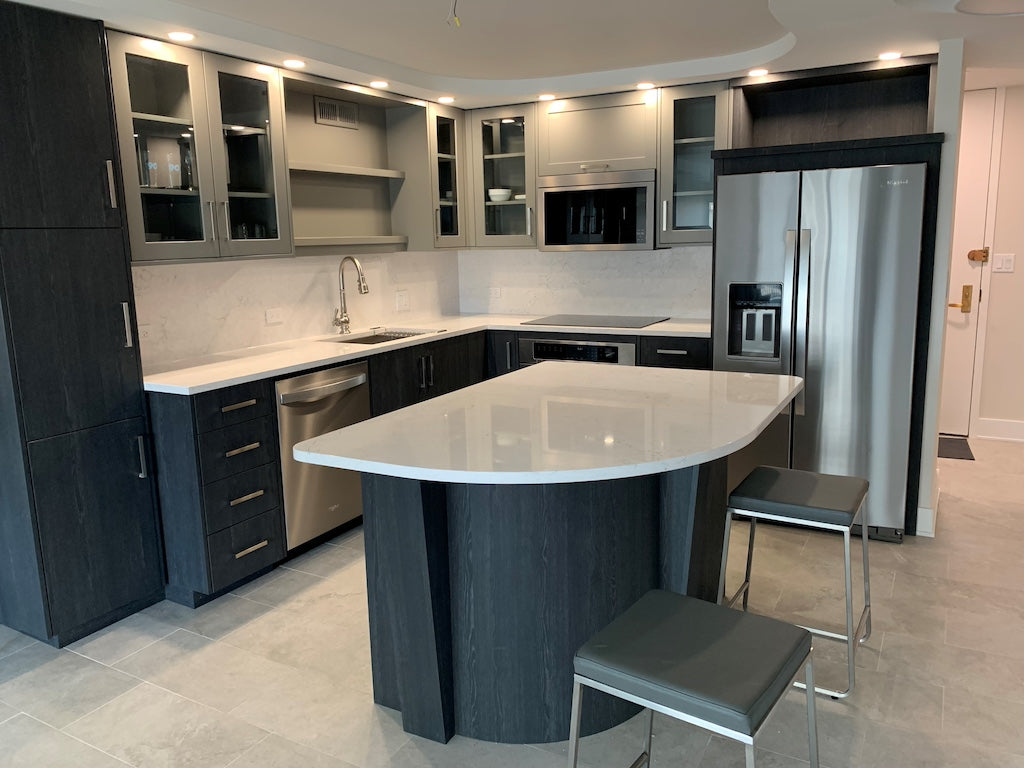
Image Source: homecarpetone.com
Fathoming the Factors: What Drives Kitchen Cabinet Costs?
Several elements contribute to the overall kitchen cabinet remodel cost. It’s not just about the cabinets themselves. Think of it as a puzzle where each piece adds to the final picture and price.
Cabinet Type: Stock vs. Semi-Custom vs. Custom
The first major decision you’ll make is the type of cabinets you want. This is arguably the biggest driver of the new kitchen cabinets cost.
-
Stock Cabinets: These are pre-made cabinets sold in standard sizes and limited styles. They are the most budget-friendly option. You can find them at big-box home improvement stores and online retailers. Because they are mass-produced, they are less expensive but offer the least flexibility in terms of design and size.
- Pros: Affordable, readily available, quick to purchase.
- Cons: Limited style and size options, may not fit your kitchen perfectly, quality can vary.
- Typical Cost: $100-$400 per linear foot.
-
Semi-Custom Cabinets: These offer a middle ground. They start with a base of stock cabinet styles but allow for more customization in terms of size, door styles, finishes, and storage options. You can often order cabinets in specific widths to better fit your kitchen layout.
- Pros: More style and size choices than stock, better quality, can be tailored to your kitchen.
- Cons: More expensive than stock, longer lead times.
- Typical Cost: $150-$700 per linear foot.
-
Custom Cabinets: These are built to your exact specifications. You have complete control over every aspect, from the wood type and finish to the door style, dimensions, and internal features. This offers the ultimate in personalization and quality but comes with the highest price tag.
- Pros: Perfectly tailored to your kitchen, highest quality, unique designs.
- Cons: Most expensive option, longest lead times, require a designer or experienced cabinet maker.
- Typical Cost: $400-$1,500+ per linear foot.
Deciphering Cabinet Materials and Finishes
The material and finish of your cabinets significantly impact both their appearance and their price. The average cost of kitchen cabinets is directly tied to these choices.
Wood Types
Different woods offer different looks, durability, and costs.
- Oak: A very common and durable hardwood. It has a prominent grain pattern and takes stains well. It’s a good mid-range option.
- Maple: Known for its smooth, fine grain and light color. It’s very hard and durable, making it resistant to dents. It’s excellent for painted finishes or light stains. Maple is typically more expensive than oak.
- Cherry: Offers a rich, reddish-brown color that deepens with age. It has a smooth, fine grain and is a premium wood choice, making it one of the more expensive options.
- Hickory: One of the hardest domestic woods, hickory is known for its strength and striking grain patterns, which can range from straight to wavy. It’s a durable and often more affordable hardwood.
- Birch: Similar in appearance to maple but generally less expensive. It has a fine grain and is good for both stained and painted finishes.
- Pine: A softer wood, pine is more prone to dents and scratches. It has a rustic look with visible knots and a more casual feel. It’s a more budget-friendly option.
- MDF (Medium-Density Fiberboard) & Particleboard: Often used in stock cabinets, these engineered wood products are less expensive. They are typically covered with a laminate, veneer, or thermofoil. While cost-effective, they are less durable than solid wood and can be susceptible to moisture damage.
Finishes
The finish applied to the wood also affects the cabinet replacement expenses.
- Stained: Stains enhance the natural beauty of the wood grain. Prices can vary depending on the complexity of the stain and the number of coats.
- Painted: Painted cabinets offer a clean, modern look. White and gray are popular choices. Painting can add to the cost, especially for intricate door styles or specialized finishes.
- Veneered: A thin layer of real wood applied over a core material (like MDF or plywood). Veneers can mimic expensive woods at a lower cost and offer more stability against warping.
- Laminate/Thermofoil: These are vinyl or plastic films applied to a core material. They are very budget-friendly, easy to clean, and come in a wide range of colors and patterns. However, they can be prone to peeling or chipping over time, especially with heat and moisture.
Comprehending Cabinet Construction and Features
Beyond the material, how the cabinets are built and what features they include also impact the cost to reface kitchen cabinets or replace them entirely.
Construction Quality
- Drawer Slides: Metal drawer slides that extend fully and have a soft-close feature are more expensive but offer better functionality and durability than basic wooden slides.
- Cabinet Box Construction: Look for cabinets with 1/2-inch or 3/4-inch thick sides and backs made of plywood. Cheaper options might use thinner materials or particleboard.
- Door and Drawer Construction: Solid wood doors and drawer fronts are more durable and expensive than those made from MDF or particleboard. Dovetail drawer construction is a sign of higher quality.
Hardware
The handles, knobs, and hinges are small details that can add up.
- Knobs and Pulls: These can range from a few dollars each for basic metal or plastic options to $20-$50 or more for designer styles in materials like brushed nickel, brass, or crystal.
- Hinges: Soft-close hinges are a popular upgrade that adds to the cabinet upgrades cost but offers a premium feel and prevents slamming.
Internal Features and Accessories
Modern kitchens often incorporate functional accessories that increase the kitchen cabinet installation cost but add significant value and convenience.
- Pull-out Shelves: Make accessing items at the back of cabinets much easier.
- Drawer Organizers: Keep utensils and other items tidy.
- Spice Racks and Lazy Susans: Maximize storage in corner cabinets.
- Trash and Recycling Pull-outs: Streamline kitchen waste management.
- Appliance Garages: Hide small appliances like toasters or blenders.
These add-ons are often priced individually and can add hundreds or even thousands of dollars to your total bill.
The Impact of Kitchen Size and Layout
The sheer number of cabinets needed for your kitchen directly correlates with the overall new kitchen cabinets cost.
- Square Footage: Larger kitchens naturally require more cabinets, increasing material and labor costs.
- Number of Linear Feet: Cabinet installers often price their work based on linear feet. A typical kitchen might have 20-40 linear feet of base and upper cabinets.
- Complexity of Layout: Awkward angles, unique cabinet shapes, and the need for specialized corner solutions can increase both material waste and installation time, driving up the cabinet replacement expenses.
Cabinet Refacing vs. Replacement: A Cost Comparison
It’s important to distinguish between replacing cabinets and refacing them. Refacing involves keeping your existing cabinet boxes and replacing only the doors, drawer fronts, and visible hardware. This can be a more budget-friendly option than a full replacement.
Cost to Reface Kitchen Cabinets
The cost to reface kitchen cabinets typically ranges from $1,500 to $7,000 or more. This price is significantly lower than full replacement because you’re not paying for new cabinet boxes.
- Cabinet Refacing Prices: Generally fall between 30-50% of the cost of new cabinets.
- Materials Used: Refacing often uses veneers, laminates, or solid wood for the new doors and drawer fronts.
- Labor: While less labor-intensive than full replacement, skilled professionals are still needed for precise fitting and finishing.
When Refacing Makes Sense:
- Your existing cabinet boxes are in good condition (structurally sound, no water damage).
- You like the current layout of your kitchen.
- You’re looking for a more affordable way to update your kitchen’s appearance.
- You want a quicker renovation process.
When Replacement is Better:
- Your current cabinet boxes are damaged, warped, or outdated in construction.
- You want to change the layout of your kitchen (e.g., move cabinets, add an island).
- You desire a completely different cabinet style or material that isn’t achievable through refacing.
- You want to upgrade the internal workings of your cabinets (e.g., new drawer slides, improved storage solutions).
Unveiling Installation Costs: The Hidden Expense
The kitchen cabinet installation cost is a crucial part of the overall budget. This can be charged by the hour or as a flat fee, and it can add a significant amount to your total.
Factors Influencing Installation Costs:
- Installer’s Experience: Highly experienced cabinet installers often charge more but provide superior workmanship.
- Complexity of Installation: Intricate layouts, custom modifications, and working with difficult materials will increase labor costs.
- Removal of Old Cabinets: If old cabinets need to be removed and disposed of, this will add to the labor time and cost.
- Local Labor Rates: Costs vary by region and the prevailing wage for skilled tradespeople.
- Need for Electrical or Plumbing Work: If installing new cabinets requires moving electrical outlets or plumbing, this will involve additional licensed trades and costs.
Typical Installation Fees:
- By the Hour: Rates can range from $50 to $150 per hour per installer.
- By Project: Some installers may quote a flat fee for the entire job. This can be anywhere from $500 to $5,000 or more, depending on the scope.
- Percentage of Cabinet Cost: Some contractors might charge a percentage of the total cabinet material cost for installation.
Professional Design and Planning Services
For a truly seamless and effective renovation, consider professional design services.
The Role of a Designer:
A kitchen designer can help you:
- Optimize your kitchen’s layout for functionality and flow.
- Select the best materials and finishes for your style and budget.
- Choose appropriate cabinet features and accessories.
- Create detailed plans for the cabinet installers.
- Help you avoid costly mistakes.
Design Service Costs:
- Hourly Fees: $75-$250+ per hour.
- Flat Fees: $500-$3,000+ for a comprehensive kitchen design plan.
- Percentage of Project Cost: Some designers charge 10-20% of the total renovation budget.
- Free Design Services: Many cabinet showrooms offer free design services when you purchase cabinets from them, though these services might be more limited.
Other Potential Costs to Consider
When budgeting for your kitchen cabinet replacement, don’t forget these additional expenses that can affect your overall kitchen cabinet remodel cost:
- Demolition and Disposal: Removing old cabinets and any associated materials.
- Permits: Depending on your location and the scope of work, you may need building permits.
- New Countertops: Often, a cabinet replacement goes hand-in-hand with new countertops.
- New Backsplash: Another common update alongside cabinets.
- New Appliances: If your cabinet layout changes, you might need new appliances to fit.
- Lighting: Updated under-cabinet lighting or new ceiling fixtures.
- Paint and Drywall Repair: Necessary touch-ups after cabinet installation.
- Flooring: If cabinets are being significantly repositioned, flooring may need to be addressed.
Estimating Your Kitchen Cabinet Replacement Cost: A Sample Scenario
Let’s break down a hypothetical scenario to give you a clearer picture.
Kitchen Size: Medium-sized kitchen (approximately 150-200 sq ft) requiring about 30 linear feet of base and upper cabinets.
Scenario 1: Budget-Friendly Stock Cabinets
- Cabinet Cost: $200/linear foot x 30 linear feet = $6,000
- Hardware (basic knobs/pulls): $100
- Installation: $2,000 (assuming a straightforward installation)
- Total Estimated Cost: $8,100
Scenario 2: Mid-Range Semi-Custom Cabinets
- Cabinet Cost: $400/linear foot x 30 linear feet = $12,000
- Hardware (mid-range pulls): $300
- Internal Features (e.g., a couple of pull-out shelves): $500
- Installation: $3,000 (more complex installation, potential minor adjustments)
- Total Estimated Cost: $15,800
Scenario 3: High-End Custom Cabinets
- Cabinet Cost: $800/linear foot x 30 linear feet = $24,000
- Premium Hardware: $800
- Extensive Internal Features & Accessories: $3,000
- Professional Design Services: $2,000
- Installation: $5,000 (complex custom layout, detailed fitting)
- Total Estimated Cost: $34,800+
These are just estimates, and actual costs can vary. Always get multiple quotes!
Tips for Saving Money on Your Cabinet Renovation
While replacing kitchen cabinets can be a significant investment, there are ways to manage the cabinet replacement expenses without sacrificing quality or style.
Plan Meticulously
- Set a Clear Budget: Know how much you can spend before you start shopping.
- Prioritize: Decide which features are most important to you. Do you need all the bells and whistles, or are you happy with basic functionality?
- Measure Carefully: Accurate measurements prevent costly errors and the need for special orders.
Smart Shopping Strategies
- Compare Quotes: Get estimates from at least three different cabinet suppliers and installers.
- Look for Sales and Promotions: Home improvement stores often have sales on cabinets.
- Consider Refacing: If your cabinet boxes are sound, refacing can save you thousands.
- Buy in Bulk (if applicable): If you need many of the same type of cabinet, bulk pricing might be available.
- DIY Where Possible (with caution): If you have carpentry skills, you might be able to handle the demolition or installation of simpler elements yourself, but be realistic about your abilities.
Choosing the Right Materials
- Opt for Readily Available Woods: Maple or birch are often more affordable than cherry or exotic hardwoods.
- Consider Laminate or Thermofoil: For budget-conscious updates, these can be attractive and durable options.
- Choose Standard Sizes: Stock cabinets in standard sizes are cheaper than custom-sized cabinets.
Negotiate and Ask Questions
- Don’t Be Afraid to Negotiate: Especially with installers, there can be some wiggle room in pricing.
- Ask About Packages: Some companies offer package deals that include installation and hardware.
- Inquire About Warranties: Understand what the warranty covers for both the cabinets and the installation.
Frequently Asked Questions (FAQ)
Q1: How long does it take to replace kitchen cabinets?
A1: The timeline can vary greatly. For stock cabinets, the process from ordering to installation might take 2-4 weeks. For semi-custom, it can be 4-8 weeks. Custom cabinets can take 8-16 weeks or even longer. The installation itself typically takes 3-10 days, depending on the kitchen size and complexity.
Q2: Can I install kitchen cabinets myself?
A2: While possible for DIY enthusiasts with significant carpentry experience, installing kitchen cabinets requires precision, level surfaces, and the ability to work with heavy materials. Mistakes can be costly. For most homeowners, hiring a professional installer is recommended to ensure a proper, level, and secure installation.
Q3: What is the difference between kitchen cabinet replacement cost and kitchen cabinet remodel cost?
A3: The “kitchen cabinet replacement cost” specifically refers to the expense of removing old cabinets and installing new ones. The “kitchen cabinet remodel cost” is a broader term that encompasses the cabinet replacement cost plus any other expenses associated with updating the kitchen, such as new countertops, backsplashes, flooring, appliances, lighting, and labor for those other tasks.
Q4: What are cabinet upgrades cost?
A4: Cabinet upgrades cost refers to the additional expenses incurred when choosing enhanced features for your cabinets beyond the basic construction. This can include things like soft-close hinges, specialized drawer slides, internal organizers, pull-out shelves, decorative hardware, or custom finishes.
Q5: Is refacing kitchen cabinets worth it?
A5: Refacing kitchen cabinets is often worth it if your existing cabinet boxes are structurally sound and you like the current layout. It’s significantly cheaper than full replacement and can give your kitchen a fresh, updated look. However, if the boxes are damaged or you want to alter the kitchen’s layout, replacement is the better option.
Q6: What’s the average cost of kitchen cabinets per linear foot?
A6: The average cost of kitchen cabinets per linear foot can range from $100 for basic stock cabinets to $1,500 or more for high-end custom cabinets. Semi-custom options typically fall between $150 and $700 per linear foot.
Q7: How much does custom kitchen cabinets price increase the total cost?
A7: Custom kitchen cabinets price can significantly increase the total cost, often doubling or tripling the expense compared to stock or semi-custom options. This is due to the personalized design, higher-quality materials, and specialized craftsmanship involved. Expect custom cabinets to be anywhere from 3 to 10 times more expensive per linear foot than the most basic stock options.
By carefully considering these factors and planning your budget, you can navigate the process of replacing your kitchen cabinets with confidence, achieving a beautiful and functional kitchen that you’ll love for years to come.