
Wondering about the cost of fitting new kitchen? The average kitchen installation price can range widely, but typically you’re looking at anywhere from £3,000 to £10,000 or more, depending on the size, complexity, and materials you choose. This guide breaks down all the expenses involved, helping you plan your kitchen remodel cost estimator and new kitchen project.
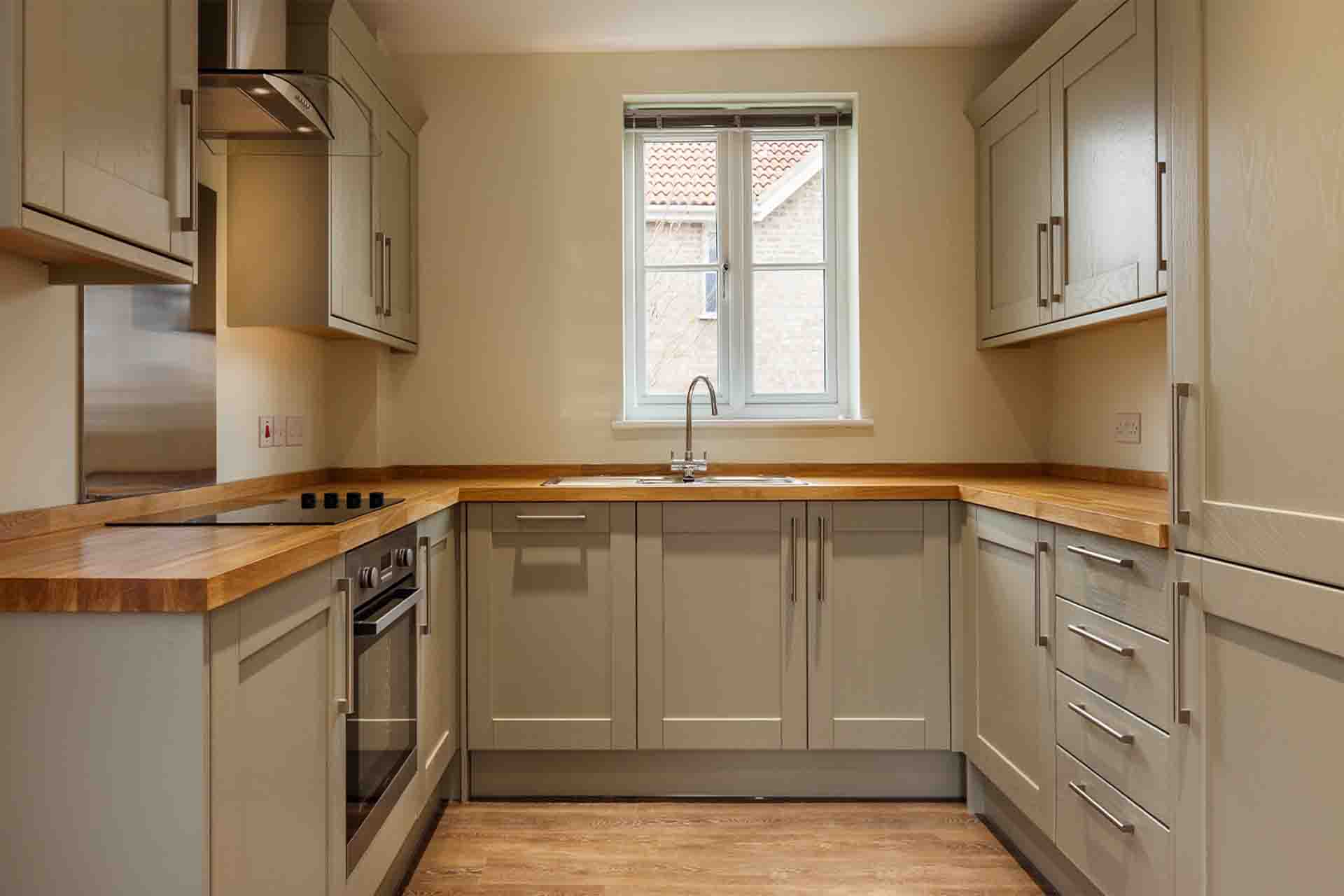
Image Source: images.ctfassets.net
Deconstructing Your Kitchen Fitting Cost
Fitting a new kitchen is a significant investment. It’s not just about the cabinets and appliances; there are many moving parts and associated labour costs that contribute to the overall new kitchen installation expenses. We’ll delve into each component so you can create an accurate budget.
The Core Costs: Units, Worktops, and Appliances
These are the big-ticket items. Their price tags are heavily influenced by material quality, brand, and design.
Kitchen Cabinets and Units: The Foundation
The cabinets form the backbone of your kitchen. They provide storage and define the style.
- Stock vs. Custom:
- Stock (Off-the-shelf) Cabinets: These are pre-made and offer the most budget-friendly option. They come in standard sizes and a limited range of finishes.
- Cost: Can range from £1,000 – £5,000 for a standard-sized kitchen.
- Custom-Made or Bespoke Cabinets: Tailored to your exact specifications, these offer unparalleled design freedom and fit. They are considerably more expensive.
- Cost to fit a bespoke kitchen: Expect to pay £4,000 – £15,000+ for the units alone, with the kitchen cabinet fitting cost adding to this.
- Stock (Off-the-shelf) Cabinets: These are pre-made and offer the most budget-friendly option. They come in standard sizes and a limited range of finishes.
- Material Matters:
- MDF/Particleboard with Laminate/Veneer: The most economical, but less durable.
- Plywood: More robust and water-resistant than MDF.
- Solid Wood (Oak, Maple, Cherry): The premium choice, offering durability and timeless beauty, but at a higher price.
- Style and Features:
- Shaker Style: Classic and popular, usually mid-range.
- High Gloss/Slab Doors: Modern and sleek, can vary in price depending on the finish.
- Soft-close mechanisms, pull-out shelves, integrated lighting: These add to the cost but enhance functionality.
Table: Estimated Cabinet Costs for a Medium-Sized Kitchen
| Cabinet Type | Material | Estimated Cost (£) |
|---|---|---|
| Stock | Laminate/MDF | 1,000 – 3,000 |
| Stock | Plywood/Veneer | 2,500 – 5,000 |
| Semi-Custom | Higher Quality MDF | 4,000 – 7,000 |
| Bespoke | Solid Wood | 7,000 – 15,000+ |
Kitchen Worktops: The Surface Star
Worktops are a focal point and a vital functional element.
- Material Options and Costs:
- Laminate: The most affordable. Durable and available in many styles, but can be prone to damage from heat and scratches.
- Kitchen worktop fitting cost: Relatively low, as it’s easier to cut and install.
- Estimated Cost: £50 – £200 per linear metre.
- Solid Wood (e.g., Beech, Oak): Warm and natural, requires regular sealing and maintenance.
- Estimated Cost: £200 – £500 per linear metre.
- Quartz: Highly durable, non-porous, and stain-resistant. A popular mid-to-high-end option.
- Estimated Cost: £300 – £700 per linear metre.
- Granite: Natural stone, known for its beauty and heat resistance. Each slab is unique.
- Estimated Cost: £400 – £800 per linear metre.
- Solid Surface (e.g., Corian): Seamless appearance, can be repaired.
- Estimated Cost: £400 – £700 per linear metre.
- Stainless Steel: Industrial look, hygienic, but prone to scratches.
- Estimated Cost: £300 – £600 per linear metre.
- Marble: Luxurious and beautiful, but porous and susceptible to staining.
- Estimated Cost: £500 – £1,000+ per linear metre.
- Laminate: The most affordable. Durable and available in many styles, but can be prone to damage from heat and scratches.
Considerations for Worktops:
* Edge profiles: Bullnose, chamfered, waterfall edges add to the cost.
* Cut-outs: For sinks and hobs, these will incur additional charges.
* Templating: Professional templating is essential for a perfect fit, especially for stone or quartz.
Kitchen Appliances: The Essential Tools
From ovens to refrigerators, appliances are crucial.
- Integrated vs. Freestanding: Integrated appliances are hidden behind cabinet doors, offering a seamless look but usually costing more.
- Brand and Features: Premium brands and advanced features (e.g., induction hobs, smart ovens) will increase the price.
- Appliance Packages: Buying a suite of appliances from one brand can sometimes offer discounts.
- The Cost of Fitting: While some appliances are plug-and-play, others, like gas hobs or integrated ovens, require professional kitchen appliance installation cost.
- Estimated Appliance Costs (for a standard kitchen):
- Oven: £300 – £1,500+
- Hob: £150 – £800+
- Cooker Hood/Extractor: £100 – £500+
- Refrigerator: £300 – £1,000+
- Dishwasher: £300 – £800+
- Washing Machine/Dryer (if in kitchen): £300 – £700+
- Estimated Appliance Costs (for a standard kitchen):
Table: Typical Appliance Costs
| Appliance | Budget (£) | Mid-Range (£) | Premium (£) |
|---|---|---|---|
| Oven | 300-600 | 600-1000 | 1000+ |
| Hob | 150-300 | 300-500 | 500+ |
| Fridge Freezer | 300-500 | 500-800 | 800+ |
| Dishwasher | 300-450 | 450-700 | 700+ |
| Extractor Fan | 100-250 | 250-400 | 400+ |
Labour Costs: The Skilled Hands
This is where the bulk of the kitchen fitting cost often lies. The cost of fitting new kitchen is heavily dependent on the hourly rates of tradespeople and the time taken.
Kitchen Fitters: The Master Craftsmen
Experienced kitchen fitters manage the entire installation process. Their fees cover:
- Cabinet Installation: Accurately fitting and levelling all base and wall units. This is a significant part of the kitchen cabinet fitting cost.
- Worktop Installation: Cutting, fitting, and sealing worktops, including any necessary cut-outs. This is a key component of the kitchen worktop fitting cost.
- Appliance Integration: Installing and connecting appliances, ensuring they are safely wired and plumbed. This contributes to the kitchen appliance installation cost.
- Plumbing and Electrics: Connecting sinks, taps, dishwashers, washing machines, ovens, and hobs. This may involve a qualified plumber and electrician.
-
Finishing Touches: Fitting skirting boards, plinths, cornice, and any splashbacks.
-
Average Day Rate for a Kitchen Fitter: £150 – £300 per day.
- Total Fitting Time: A typical kitchen installation can take anywhere from 1 to 3 weeks, depending on the complexity and size.
Other Trades Involved: The Support Crew
Depending on the scope of your renovation, you might need other specialists:
- Plumber: For sink, tap, and appliance connections, and any pipework alterations.
- Day Rate: £150 – £300.
- Electrician: For new sockets, lighting, and appliance wiring, ensuring compliance with safety regulations.
- Day Rate: £160 – £350.
- Gas Safe Registered Engineer: Essential for installing or connecting gas appliances.
- Day Rate: £180 – £350.
- Decorator/Painter: For finishing walls and ceilings.
- Day Rate: £120 – £200.
- Tiler: For splashbacks or floor tiling.
- Day Rate: £150 – £250.
Estimating Labour Hours:
A good kitchen remodel cost estimator will factor in roughly 5-10 days of work for a fitter, plus time for other trades. The kitchen supply and fit cost will combine the price of materials with the labour involved.
Structural and Preparation Work: The Underlying Effort
Before the new kitchen can be fitted, the existing one often needs to be removed, and the space prepared.
Kitchen Removal and Disposal
- Cost: £150 – £500, depending on the size and how much needs to be removed.
Electrical Upgrades
- New Sockets: £70 – £150 per socket.
- Consumer Unit Upgrade: £400 – £800.
- Rewiring: Can cost £1,500 – £4,000, depending on the house size.
Plumbing Alterations
- Moving Pipework: £100 – £300 per section.
- New Radiator Installation: £150 – £300.
Wall and Floor Preparation
- Plastering: £200 – £500 for a small kitchen.
- Damp Proofing: Varies greatly depending on the issue.
- Floor Levelling: £150 – £300 for a standard kitchen floor.
Finishing Touches: The Details That Matter
These elements complete the look and feel of your new kitchen.
Splashbacks
- Tiled Splashback: £20 – £60 per square metre (materials and fitting).
- Glass Splashback: £200 – £600.
- Composite/Quartz Splashback: £300 – £800.
Lighting
- Under-cabinet lighting: £50 – £200.
- Recessed spotlights: £30 – £50 per spotlight (including fitting).
- Feature pendant lights: £50 – £300 each.
Flooring
- Laminate Flooring: £20 – £40 per square metre.
- Vinyl Flooring: £15 – £35 per square metre.
- Ceramic/Porcelain Tiles: £30 – £70 per square metre.
- Engineered Wood/Laminate: £30 – £60 per square metre.
Painting and Decorating
- Labour: £200 – £500.
Contingency Fund: The Essential Safety Net
It’s crucial to budget for the unexpected. New kitchen installation expenses can sometimes throw up surprises.
- Recommended Contingency: 10-20% of your total estimated budget. This covers unforeseen issues like hidden structural problems, or if you decide to upgrade a specific item during the process.
Getting a Quote: How to Estimate Your Kitchen Fitting Cost
To get an accurate kitchen fitting cost, you need detailed quotes from several suppliers and fitters.
What to Include in Your Request:
- Detailed Plans: Provide floor plans and elevations if possible.
- List of Units: Specify the type, style, and finish of cabinets you want.
- Worktop Requirements: Detail the material, edge profile, and any cut-outs.
- Appliance List: Specify the models or types of appliances you intend to purchase.
- Plumbing/Electrical Needs: Note any significant changes to existing layouts.
- Desired Finishings: Mention splashbacks, flooring, lighting, and decoration requirements.
- Existing Kitchen Details: How will the old kitchen be removed and disposed of?
Types of Quotes:
- Supply Only: You buy all the components and hire your own tradespeople for installation. This gives you control but requires more project management.
- Supply and Fit: A company provides all the materials and labour for the installation. This is often simpler but can be more expensive. The kitchen supply and fit cost is a consolidated price.
- Labour Only: You source all the materials yourself, and pay fitters purely for their time and skill.
Factors Influencing the Overall Cost
Several elements will push your average kitchen installation price up or down.
Size of the Kitchen
Larger kitchens naturally require more materials and labour, increasing the overall cost.
Complexity of the Layout
- Straightforward Layout: Units in a single line or simple L-shape are generally less expensive to fit.
- Complex Layout: Corner units, island installations, or unusual room shapes will increase the kitchen cabinet fitting cost and labour time.
Material Choices
As detailed earlier, the quality and type of materials for cabinets, worktops, and appliances have a significant impact. Opting for premium materials will directly raise your cost of fitting new kitchen.
Brand Reputation and Quality
High-end brands for appliances and cabinetry will command higher prices.
Scope of Work
- Minor Refurbishment: Replacing doors or worktops.
- Full Renovation: Gutting the entire kitchen and starting from scratch, potentially involving structural changes. This will incur higher new kitchen installation expenses.
Location
Labour rates can vary significantly depending on your geographical location. Tradespeople in major cities often charge more than those in rural areas.
Cost-Saving Tips
Want to reduce your kitchen fitting cost?
- Shop Around: Get multiple quotes for both materials and labour.
- Consider Mid-Range Options: High-end doesn’t always mean best value. Mid-range appliances and materials can be excellent quality.
- Reface Existing Cabinets: Instead of replacing all cabinets, consider refacing doors and drawer fronts for a fresh look. This significantly reduces the kitchen cabinet fitting cost.
- DIY Some Elements: If you’re skilled, you might be able to undertake some tasks like painting or simple demolition.
- Look for Sales and Discounts: Keep an eye out for seasonal sales on appliances and kitchen units.
- Opt for a Simpler Worktop: Laminate or a less exotic wood can offer great value.
- Choose a Standard Layout: Avoid overly complex designs if budget is a primary concern.
Sample Budget Breakdown (Medium-Sized Kitchen)
This is a hypothetical example and actual costs will vary.
| Item | Estimated Cost Range (£) |
|---|---|
| Kitchen Cabinets & Carcasses | 3,000 – 7,000 |
| Worktops | 1,000 – 3,000 |
| Appliances (Oven, Hob, Fridge, DW) | 2,000 – 5,000 |
| Sink & Taps | 200 – 600 |
| Flooring | 300 – 800 |
| Splashback | 200 – 600 |
| Lighting | 150 – 500 |
| Labour (Fitter, Plumber, Electrician) | 4,000 – 8,000 |
| Preparation & Disposal | 300 – 700 |
| Subtotal | 11,150 – 26,200 |
| Contingency (15%) | 1,672.50 – 3,930 |
| Total Estimated Cost | 12,822.50 – 30,130 |
This illustrates the wide range of potential new kitchen installation expenses. Using a kitchen remodel cost estimator tool online can give you a more personalized initial figure.
Frequently Asked Questions (FAQs)
How long does fitting a new kitchen usually take?
The typical timeframe for fitting a new kitchen is between 2 to 4 weeks. This duration can be shorter for simpler installations or longer for more complex renovations involving structural changes, extensive plumbing, or electrical work.
Can I fit a kitchen myself?
While some basic tasks like painting or fitting very simple units might be manageable for a DIY enthusiast, fitting an entire kitchen is a complex job. It requires precision for cabinet installation, accurate cutting for worktops, and professional knowledge for plumbing and electrical connections. Mistakes can be costly and dangerous. It’s usually best to hire professionals for most of the new kitchen installation expenses, especially for the kitchen fitting cost.
What is the cheapest way to fit a kitchen?
The cheapest way involves opting for stock cabinets with laminate worktops, choosing budget-friendly appliances, and potentially doing some of the preparation or finishing work yourself. However, always balance cost with durability and quality to avoid future expenses.
Who should I hire to fit my kitchen?
You’ll typically need a qualified kitchen fitter or a general builder who specialises in kitchen installations. You may also require a certified plumber and electrician for specific tasks. It’s advisable to hire a reputable company that can manage multiple trades or ensure you hire individuals with good references and insurance.
What’s included in the “kitchen supply and fit cost”?
A “kitchen supply and fit cost” usually encompasses all the materials for the kitchen (cabinets, worktops, sink, tap, handles) along with the labour to install them. It might also include disposal of the old kitchen and connections for standard appliances. Always clarify exactly what is included in the quote.
By carefully planning and researching, you can effectively manage your budget and achieve your dream kitchen.