
What is the best way to get that persistent kitchen sink smell out permanently? The most effective approach involves a multi-pronged attack: regular cleaning, tackling the source of the odor, and implementing preventative measures. This guide will equip you with the knowledge and techniques for lasting sink freshness.
A lingering, unpleasant smell emanating from your kitchen sink can turn a sparkling clean kitchen into a source of embarrassment. This isn’t just an aesthetic issue; it can indicate underlying problems with your plumbing or the presence of bacteria. Fortunately, conquering sink odors permanently is achievable with the right strategies. This in-depth guide will delve into the common culprits behind kitchen sink smells and provide you with a comprehensive plan for odor removal, from simple DIY solutions to understanding when to call in the professionals.
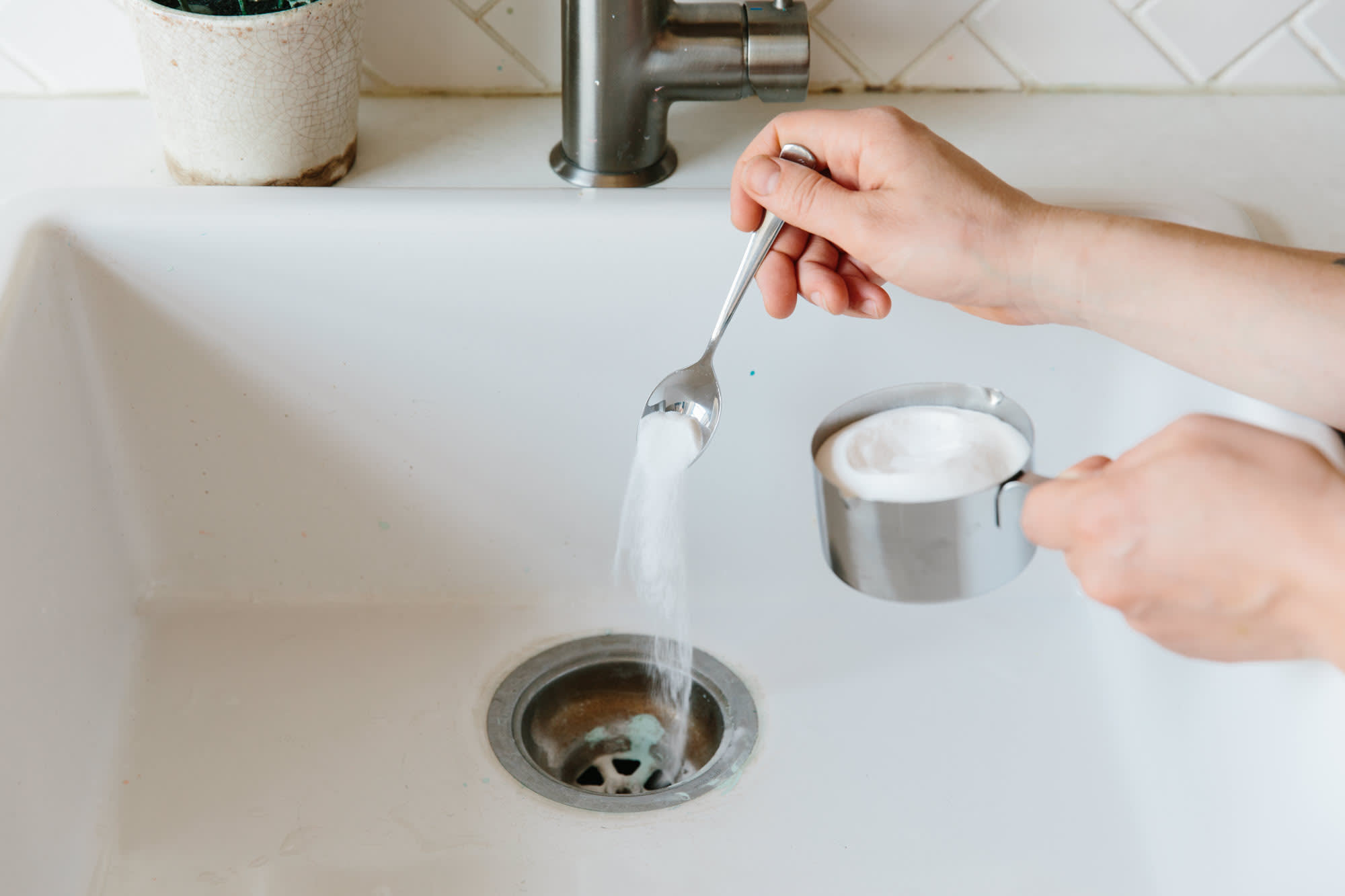
Image Source: cdn.apartmenttherapy.info
Fathoming the Origins of Sink Smells
Before we can effectively banish odors, we need to understand where they come from. Kitchen sinks are prime real estate for odor-causing agents due to the constant flow of food particles, grease, and moisture.
Common Culprits Lurking in Your Drain
- Food Scraps: Even with a garbage disposal, small bits of food can get trapped in the drain pipes and under the rubber baffles of the disposal unit. As these decompose, they release foul-smelling gases.
- Grease and Oils: When hot grease or oil is poured down the drain, it cools and solidifies as it travels through the pipes. Over time, this creates a sticky buildup that traps food particles and bacteria, leading to a rancid odor.
- Biofilm and Bacteria: A slimy layer, known as biofilm, can form on the inner walls of drain pipes. This biofilm is a breeding ground for bacteria, which thrive on leftover food and moisture, producing sulfurous compounds that cause unpleasant smells.
- Trapped Moisture: Stagnant water in P-traps (the U-shaped pipe beneath the sink) can become a breeding ground for mold and bacteria if not flushed regularly.
- Garbage Disposal Issues: A malfunctioning or poorly maintained garbage disposal is a frequent source of odors. Food waste can accumulate in the disposal chamber, and the blades or splash guard can harbor residue.
- Septic System or Sewer Line Problems: In rare cases, persistent odors might indicate a larger issue with your home’s septic system or the main sewer line.
DIY Solutions for Immediate Odor Removal
When that unwelcome smell wafts up, immediate action is often required. Fortunately, many effective odor removal methods use common household ingredients.
The Power of Baking Soda and Vinegar
This classic duo is a potent combination for cleaning and deodorizing.
Method:
- Pour Baking Soda: Start by pouring about half a cup of baking soda directly down the drain.
- Add Vinegar: Slowly pour about one cup of white vinegar over the baking soda. You’ll notice a fizzy reaction as they combine. This effervescence helps to dislodge grime and neutralize odors.
- Let it Sit: Allow the mixture to work its magic for at least 15-30 minutes. For tougher odors, you can let it sit for a few hours or even overnight.
- Flush with Hot Water: After the waiting period, thoroughly flush the drain with very hot water. This helps to wash away loosened debris and any lingering vinegar scent.
Why it Works: Baking soda is a natural abrasive and deodorizer. It absorbs odors and can help to gently scrub away buildup. Vinegar, being acidic, breaks down grease and grime and kills many types of odor-causing bacteria.
The Citrus Solution: Lemon Power
Lemon is a fantastic natural deodorizer and can leave your sink smelling fresh and clean.
Method:
- Citrus Peels: Save your lemon peels (or use orange or grapefruit peels).
- Grind Them Up: Cut the peels into smaller pieces and run them through your garbage disposal (if you have one).
- Alternative for No Disposal: If you don’t have a garbage disposal, you can boil the lemon peels in water for about 10-15 minutes. Let the water cool slightly, then carefully pour it down the drain.
Why it Works: The natural acids in citrus fruits help to cut through grease and leave a pleasant, fresh scent that masks any remaining odors.
Boiling Water Flush
A simple yet effective step for general sanitation and to help melt away some grease.
Method:
- Boil Water: Boil a kettle or pot of water.
- Pour Slowly: Carefully and slowly pour the boiling water directly down the drain. Be cautious not to splash yourself.
Why it Works: Hot water can help to dissolve and flush away grease and soap scum that may be contributing to the smell. It also helps to kill some surface bacteria.
Utilizing Specialized Cleaners and Tools
When DIY methods aren’t enough, or for more targeted sanitation, specialized products can be your allies.
The Role of Garbage Disposal Cleaners
If you have a garbage disposal, a dedicated garbage disposal cleaner can be incredibly effective. These cleaners are formulated to break down food waste and eliminate odors specifically within the disposal unit.
Types of Cleaners:
- Foaming Cleaners: These cleaners often come in packets or sprays. You typically activate them, and they foam up inside the disposal, reaching all the nooks and crannies.
- Enzyme-Based Cleaners: These cleaners use natural enzymes to break down organic matter. They are often considered more environmentally friendly and can be used regularly for maintenance.
- DIY Baking Soda and Vinegar (as a cleaner): As mentioned earlier, this is a great option for maintaining a clean garbage disposal.
How to Use: Always follow the manufacturer’s instructions carefully. Most involve running the disposal with water while adding the cleaner.
Understanding Drain Cleaners (with Caution)
Commercial drain cleaner products can be very effective at clearing clogged drains and removing blockages that cause odors. However, they should be used with extreme caution.
Types of Drain Cleaners:
- Caustic Drain Cleaners: These contain strong alkalis like lye. They work by breaking down grease, hair, and organic matter. They are powerful but can be harsh on pipes, especially older ones, and are dangerous if not handled properly.
- Acidic Drain Cleaners: These contain strong acids and are very effective at dissolving blockages, but they are also highly corrosive and dangerous.
- Enzyme Drain Cleaners: Similar to enzyme garbage disposal cleaners, these use biological agents to break down organic waste. They are safer for pipes and the environment but work more slowly.
Important Considerations When Using Drain Cleaners:
- Safety First: Always wear gloves, eye protection, and old clothing. Ensure good ventilation.
- Never Mix: Never mix different drain cleaners or use them in conjunction with other cleaning products (especially bleach or ammonia), as this can create toxic fumes.
- Pipe Compatibility: Be aware of your pipe material. Some harsh cleaners can damage PVC or older metal pipes.
- Avoid for Frequent Use: These are best used for stubborn clogs, not regular maintenance. Overuse can damage your plumbing.
- If it Doesn’t Work: If a drain cleaner doesn’t clear the clog, do not pour more down. It could create a dangerous situation when a plumber arrives.
The Benefits of a Drain Snake or Auger
For physical blockages that create odors, a drain snake or auger can be a manual yet effective solution.
How to Use:
- Insert: Feed the snake down the drain.
- Turn the Handle: As you encounter resistance (the clog), turn the handle to rotate the auger and break up or hook the blockage.
- Retrieve: Pull the snake back out, bringing the debris with it.
- Flush: Once the blockage is cleared, flush the drain thoroughly with hot water.
This method is excellent for removing hair and larger debris that might be causing a clogged drain and subsequent odor.
Preventative Measures: The Key to Permanent Freshness
The best way to keep your kitchen sink smelling fresh is to prevent odors from forming in the first place. This involves consistent plumbing maintenance and good kitchen habits.
Regular Cleaning Routine
Consistency is your greatest ally in preventing sink smells.
- Daily Rinse: After each use, rinse the sink and drain thoroughly with hot water. This helps to wash away small food particles and grease before they can accumulate.
- Weekly Deodorizing: Perform a deep clean of your sink and drain at least once a week using one of the DIY methods described earlier (baking soda and vinegar, or citrus peels).
Proper Garbage Disposal Use
If you have a garbage disposal, using it correctly is crucial for preventing odors.
- Cold Water Only: Always run cold water while using the disposal and for about 15-20 seconds afterward. Cold water helps to solidify grease, allowing the disposal to chop it up and flush it away more effectively. Hot water can melt grease, which then solidifies further down the pipe.
- Avoid Stringy or Starchy Foods: Fibrous foods like celery, corn husks, and potato peels can wrap around the disposal blades. Starchy foods like rice and pasta can expand and create clogs.
- No Grease or Oil: Never pour grease, oil, or fat down the disposal.
- Don’t Overload: Feed food waste into the disposal gradually.
- Regular Cleaning: Use the garbage disposal cleaner methods described above regularly to keep the unit clean and odor-free.
Sink Basin and Faucet Cleaning
Don’t forget the visible parts of your sink!
- Wipe Down Daily: Wipe down the sink basin, faucet, and handles daily to prevent food spills and water spots from drying and attracting bacteria.
- Scrub Regularly: Use a kitchen cleaner and a non-abrasive sponge to scrub the sink basin thoroughly each week. Pay attention to the area around the drain.
Managing Your P-Trap
The P-trap is designed to hold water, creating a seal that prevents sewer gases from entering your home. However, it can also trap debris.
- Occasional Flushing: Periodically flush the P-trap with hot water and a bit of baking soda and vinegar to keep it clean.
- Check for Leaks: Ensure the P-trap is properly sealed to prevent leaks and potential mold growth.
What About Lint Traps in the Dishwasher?
While not directly part of the sink, a clogged dishwasher lint trap can indirectly affect drain odor if the dishwasher’s drain line is connected to the same plumbing.
- Clean Regularly: Check and clean your dishwasher’s lint trap according to the manufacturer’s instructions. This prevents food debris from being recirculated and potentially contributing to sink drain issues.
Troubleshooting Persistent Smells
If you’ve tried the above methods and the smell persists, it might be time to investigate further.
Is it a Clogged Drain?
Even a partial clog can trap debris and cause odors. If you notice slow draining in addition to smells, a clog is likely the culprit.
- Try a Drain Snake: As mentioned, a drain snake is excellent for physical blockages.
- Consider a Plumber: If DIY methods fail to clear a clog, it’s best to call a plumber to avoid damaging your pipes.
Inspecting the Garbage Disposal Baffles
The rubber splash guard or baffles at the opening of your garbage disposal are notorious for trapping food particles and becoming very smelly.
- Manual Cleaning: With the power to the disposal turned OFF at the breaker, use a brush (an old toothbrush works well) and some dish soap or baking soda paste to scrub the underside of these baffles. Rinse thoroughly with water.
Checking for Leaks Under the Sink
Leaky pipes under the sink can lead to moisture buildup, mold, and mildew, all of which contribute to unpleasant odors.
- Visual Inspection: Periodically check all connections under the sink for any signs of dripping water or water stains.
- Dry Wet Areas: If you find any dampness, dry the area thoroughly and identify the source of the leak. You may need to tighten a fitting or replace a worn washer.
When to Call a Professional Plumber
There are times when tackling sink odors requires the expertise of a plumbing professional.
Signs You Need a Plumber
- Persistent Odors: If odors return quickly despite your best efforts.
- Recurring Clogs: Frequent clogged drain issues that you can’t resolve.
- Slow Draining: Multiple sinks or drains in your home are draining slowly.
- Gurgling Sounds: Unusual gurgling noises from drains, especially when other fixtures are used.
- Suspected Pipe Damage: If you suspect leaks or damage to your main drain lines.
A plumber has specialized tools and knowledge to diagnose and fix deeper issues, ensuring the long-term sanitation and functionality of your plumbing system. They can also perform thorough plumbing maintenance to prevent future problems.
Creating a Routine for Long-Term Freshness
Achieving permanent odor-free results is about establishing a sustainable plumbing maintenance routine.
A Weekly Sink Wellness Checklist
- Monday: Rinse sink and run hot water after meals.
- Tuesday: Wipe down sink basin and faucet.
- Wednesday: Run cold water through garbage disposal with a few ice cubes to clean blades.
- Thursday: Rinse sink and run hot water after meals.
- Friday: Scrub sink basin and faucet. Use baking soda and vinegar in the drain.
- Saturday: Run citrus peels through the garbage disposal.
- Sunday: Flush drains with boiling water (optional, if needed).
Monthly and Quarterly Maintenance
- Monthly: Use an enzyme-based garbage disposal cleaner. Check under the sink for any signs of leaks.
- Quarterly: If you have a garbage disposal, sprinkle a cup of baking soda into it, followed by a cup of vinegar. Let it sit for 30 minutes, then flush with hot water. Consider a professional drain cleaning if you have older pipes or a history of clogs.
By integrating these practices into your home maintenance schedule, you can effectively eliminate kitchen sink odors and enjoy a fresh-smelling kitchen permanently.
Frequently Asked Questions (FAQ)
Q1: Can I pour bleach down the kitchen sink to get rid of the smell?
A1: While bleach can kill bacteria, it’s generally not recommended for regular sink deodorizing. It can be harsh on pipes, and mixing bleach with other cleaning products (like vinegar or ammonia) can create dangerous toxic fumes. Use milder, more targeted odor removal methods first.
Q2: My kitchen sink smells like rotten eggs. What could be the cause?
A2: The “rotten egg” smell is often caused by sulfur compounds produced by bacteria feeding on trapped food particles or organic matter in the drain pipes or garbage disposal. Hydrogen sulfide gas is the culprit. Regular cleaning with baking soda and vinegar, along with proper garbage disposal maintenance, should help.
Q3: How often should I clean my garbage disposal?
A3: It’s best to clean your garbage disposal weekly to prevent odors from developing. A quick rinse with cold water and ice cubes helps keep it clean, and a more thorough cleaning with baking soda, vinegar, or a commercial garbage disposal cleaner should be done at least monthly.
Q4: I have a very stubborn smell that won’t go away. What should I do?
A4: If you’ve exhausted DIY methods, the smell might be originating from deeper within your plumbing system or from a significant buildup. It’s advisable to contact a professional plumber for an inspection and specialized sanitation services or plumbing maintenance.
Q5: Are enzyme cleaners safe for my pipes and the environment?
A5: Yes, enzyme-based cleaners are generally considered safe for all types of pipes and are environmentally friendly. They use natural bacteria to break down organic waste, making them a good option for regular maintenance and odor removal.
Q6: What if I don’t have a garbage disposal? How do I keep my drain smelling fresh?
A6: The principles remain the same! Regularly rinse your drain with hot water, use the baking soda and vinegar method weekly, and consider boiling lemon peels to pour down the drain for a fresh scent. Pay extra attention to clearing out food debris manually after washing dishes to prevent buildup in the drainpipe itself. This is a form of plumbing maintenance that applies to all sinks.