
Is your kitchen sink draining slowly, or worse, not at all? You’re likely dealing with a kitchen sink pipe blockage. Fortunately, you can often unclog a kitchen sink and remove a sink clog yourself with simple, readily available household items. This guide will show you how to clean your kitchen drain quickly and effectively, addressing common issues like grease buildup in pipes and general kitchen sink pipe maintenance for a fresh-smelling sink.
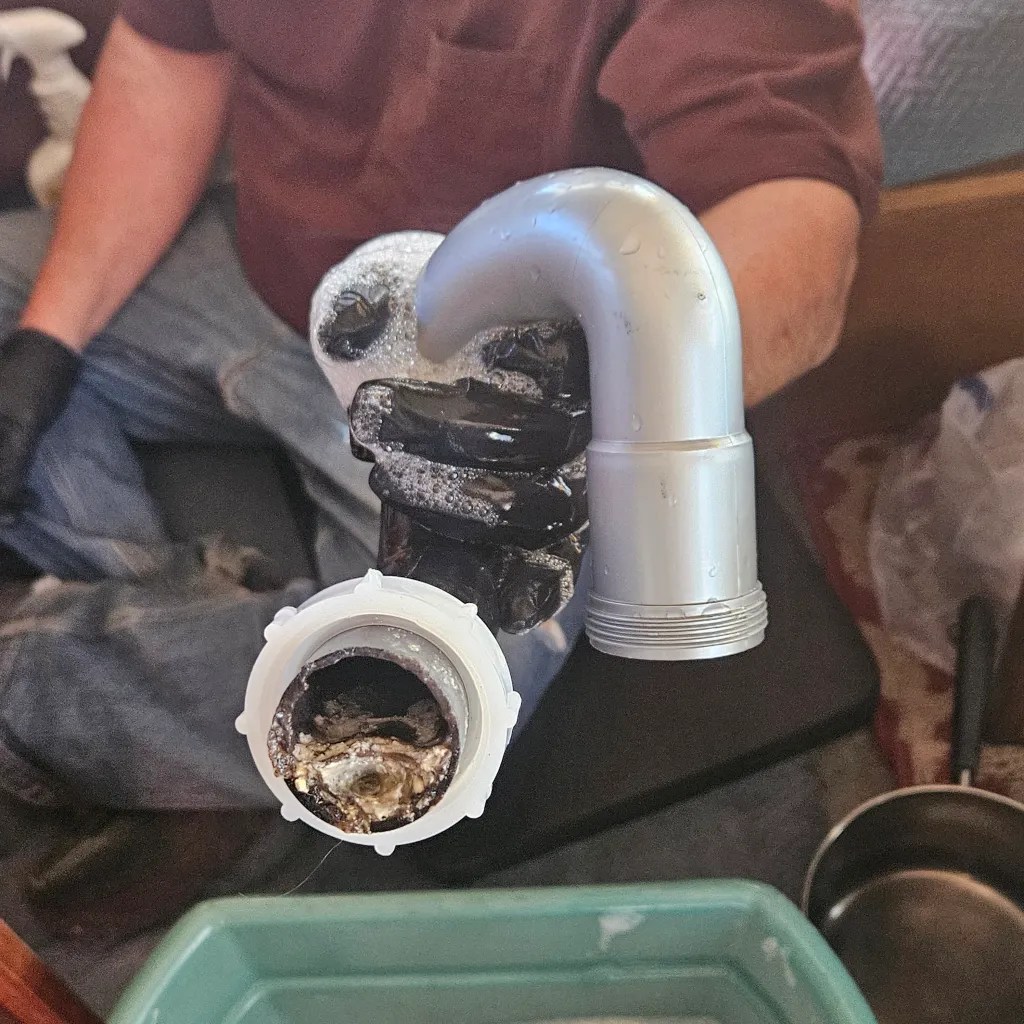
Image Source: thepewterpalace.com
Quick Fixes to Unclog Your Kitchen Sink
When faced with a sluggish drain, the first instinct is often to reach for a chemical drain cleaner. While these can be effective, they can also be harsh on your pipes and the environment. Fortunately, there are several fast and effective DIY methods you can try to clear your kitchen sink drain.
The Power of Boiling Water
This is perhaps the simplest and fastest method for a minor clog.
- How it works: Boiling water can help melt away grease buildup in pipes and loosen other soft blockages.
- What you’ll need:
- A kettle or pot for boiling water
- A heat-resistant container
- Steps:
- Boil a full kettle or pot of water.
- Carefully pour the boiling water directly down the drain. Do this in stages, waiting a few seconds between pours.
- Allow the hot water to sit for a few minutes.
- Run hot tap water to see if the clog has cleared.
Important Note: Avoid this method if you have PVC pipes that are older or in poor condition, as extreme heat can potentially damage them.
Baking Soda and Vinegar Sink Magic
This classic combination is a go-to for many homeowners due to its natural cleaning power. The reaction between baking soda and vinegar creates a fizzing action that can help break down grime and unclog your kitchen sink.
- How it works: Baking soda is a mild abrasive and deodorizer, while vinegar is acidic. Together, they create a chemical reaction that loosens blockages and tackles grease buildup in pipes.
- What you’ll need:
- 1 cup of baking soda
- 1 cup of white vinegar
- A stopper or rag to cover the drain
- Boiling water (optional, for a final flush)
- Steps:
- Pour the baking soda down the drain.
- Follow with the vinegar. You’ll see and hear fizzing immediately.
- Quickly cover the drain with a stopper or rag to direct the fizzing action downwards into the pipes.
- Let it sit for at least 15-30 minutes, or even longer for tougher clogs.
- Flush the drain with hot water or boiling water to wash away the loosened debris.
This method is excellent for kitchen sink odor removal as well.
Salt and Baking Soda for Stubborn Clogs
Adding salt to the baking soda and vinegar mixture can increase its abrasive power, helping to scrub away stubborn grease buildup in pipes.
- How it works: Salt acts as a scouring agent when combined with the acidic and alkaline reaction of baking soda and vinegar.
- What you’ll need:
- 1/2 cup of salt
- 1/2 cup of baking soda
- 1 cup of white vinegar
- Hot water
- Steps:
- Mix the salt and baking soda in a bowl.
- Pour the dry mixture down the drain.
- Slowly pour the vinegar over the mixture.
- Cover the drain and let it work for about 30 minutes.
- Flush with hot water.
The Plunger: A Classic Solution to Remove Sink Clog
A good old-fashioned plunger can be surprisingly effective at creating suction to dislodge a kitchen sink pipe blockage.
- How it works: The plunger creates a seal around the drain. When you push and pull, it forces air and water back and forth, agitating and dislodging the clog.
- What you’ll need:
- A cup plunger (the flat-bottomed kind works best for sinks)
- Water to create suction
- A damp cloth or rag
- Steps:
- Ensure there’s enough water in the sink to cover the plunger’s cup. If not, add some.
- Create a tight seal by placing the plunger directly over the drain opening.
- If you have a double sink, block the other drain with a damp cloth or rag to ensure maximum suction power.
- Push down firmly, then pull up sharply. Repeat this plunging action vigorously for about 20-30 seconds.
- Lift the plunger to see if the water drains. If not, repeat the process.
- Once the water starts to drain, flush with hot water.
Using Dish Soap for Grease Clogs
When grease buildup in pipes is the culprit, dish soap can be a helpful ally.
- How it works: Dish soap is designed to cut through grease and oil, making it effective at breaking down fatty deposits in your pipes.
- What you’ll need:
- Liquid dish soap (a grease-cutting formula is best)
- Hot water
- Steps:
- Pour about 1/4 cup of dish soap directly down the drain.
- Let it sit for about 15 minutes to allow the soap to work on the grease.
- Follow with a pot of hot water (not necessarily boiling, but very hot tap water is fine).
- Run the hot tap water to check the drainage.
More Advanced Methods to Clear Sink Drain
If the simpler methods don’t fully unclog your kitchen sink, you might need to employ slightly more involved techniques. These methods often involve physically removing the obstruction.
The Wire Hanger Trick
A bent wire hanger can be a makeshift tool to snag and pull out debris that’s just out of reach.
- How it works: The hanger acts as a hook to grab hair, food particles, and other gunk that’s causing a kitchen sink pipe blockage.
- What you’ll need:
- A wire coat hanger
- Pliers (optional, for shaping)
- A flashlight
- Gloves
- A trash bag
- Steps:
- Straighten out the wire hanger as much as possible.
- Use pliers to bend a small hook at one end.
- Put on gloves and a trash bag nearby.
- Carefully insert the hooked end of the hanger into the drain opening.
- Gently push and twist, trying to snag any visible debris.
- Pull out any gunk you collect and discard it in the trash bag.
- Repeat until you can’t pull out any more debris.
- Flush with hot water.
Cleaning the P-Trap
The P-trap is the U-shaped pipe under your sink. It’s designed to hold water to prevent sewer gases from entering your home, but it’s also a common spot for clogs to form.
- How it works: By detaching the P-trap, you can directly access and remove accumulated debris, effectively removing a sink clog that’s lodged there.
- What you’ll need:
- A bucket or bowl
- Pliers or a pipe wrench
- Gloves
- Old rags or towels
- Steps:
- Place the bucket or bowl directly underneath the P-trap to catch any water and debris.
- Locate the slip nuts that connect the P-trap to the vertical pipe and the horizontal pipe.
- Use pliers or a pipe wrench to loosen these nuts. Turn them counter-clockwise. If they’re stuck, you might need to apply a little penetrating oil and wait a few minutes.
- Once the nuts are loose, carefully detach the P-trap. Be prepared for water and gunk to spill into the bucket.
- Empty the contents of the P-trap into the trash or bucket.
- Clean out the inside of the P-trap thoroughly with a brush and water.
- Reattach the P-trap, ensuring the slip nuts are snug but not overtightened.
- Run water to check for leaks and ensure the drain is clear.
This is a very effective method to unclog a kitchen sink, especially for persistent blockages.
Using a Drain Snake (Auger)
A drain snake, also known as a plumbing auger, is a flexible coil of wire that can be fed into the pipe to break up or pull out clogs.
- How it works: The snake’s auger head can break apart solid blockages or hook onto softer debris like hair and food scraps, allowing you to pull them out.
- What you’ll need:
- A drain snake (manual or electric)
- Gloves
- Rags or towels
- A bucket
- Steps:
- Feed the end of the drain snake into the drain opening or the pipe after removing the P-trap.
- Push the snake into the pipe until you feel resistance, indicating you’ve reached the clog.
- Turn the crank on the snake. This will rotate the auger head, allowing it to bore through or latch onto the blockage.
- Once you feel the resistance lessen, try to pull the snake back out, rotating as you go. This should bring the debris with it.
- Repeat the process if necessary.
- Flush the drain with hot water.
This tool is highly effective for deep kitchen sink pipe blockages and is a key component of kitchen sink pipe maintenance.
Kitchen Sink Drain Cleaner Options
When DIY methods aren’t cutting it, or for regular maintenance, you might consider specific kitchen sink drain cleaner products.
Enzyme Drain Cleaners
These cleaners use natural enzymes and bacteria to break down organic waste like grease, food particles, and soap scum.
- Pros: Environmentally friendly, safe for most pipes, effective for regular maintenance.
- Cons: Can take longer to work (often overnight), may not be strong enough for severe clogs.
- How to use: Follow product instructions. Typically, you pour a specified amount down the drain and let it sit for several hours or overnight before flushing.
Chemical Drain Cleaners (Use with Caution)
These are strong, fast-acting cleaners that use harsh chemicals to dissolve clogs.
- Pros: Very effective for quickly clearing tough blockages.
- Cons: Can be corrosive to pipes (especially older ones), harmful to the environment, dangerous if mixed with other chemicals, and can cause severe burns if they come into contact with skin or eyes.
- How to use:
- Read the label carefully!
- Wear gloves and eye protection.
- Ensure good ventilation.
- Pour the recommended amount down the drain.
- Let it sit for the time specified on the label.
- Flush with plenty of cold water (hot water can sometimes intensify the reaction).
- NEVER mix different drain cleaners, as this can create toxic fumes.
- NEVER use a plunger immediately after using a chemical drain cleaner, as it can splash the corrosive chemicals onto you.
It’s generally recommended to try the natural methods first before resorting to chemical drain cleaners to unclog a kitchen sink.
Preventing Kitchen Sink Pipe Blockages: Proactive Maintenance
The best way to deal with a clogged sink is to prevent it from happening in the first place. Regular kitchen sink pipe maintenance can save you a lot of hassle.
What NOT to Put Down the Drain
Certain items should never go down your kitchen sink, as they are the primary culprits for grease buildup in pipes and other clogs.
- Grease, oil, and fats: These solidify as they cool and coat the inside of pipes, trapping other debris.
- Coffee grounds: They don’t dissolve easily and can accumulate, forming hard blockages.
- Eggshells: The membrane inside can stick to pipes, and the shell fragments can create rough surfaces for other debris to cling to.
- Fibrous foods: Things like celery, onion skins, and potato peels can mat together and cause clogs.
- Starchy foods: Rice and pasta can expand with water and contribute to blockages.
- Food scraps: Even small bits of food can accumulate over time.
- Hair: While more common in bathroom sinks, hair can find its way down the kitchen drain.
- Feminine hygiene products, cotton balls, wet wipes: These should always be disposed of in the trash.
Daily and Weekly Maintenance Habits
Incorporating a few simple habits can significantly improve your kitchen sink pipe maintenance.
- Use a drain strainer: A simple mesh strainer catches food particles and other debris, preventing them from entering the pipes. Empty it into the trash after each use.
- Scrape plates thoroughly: Remove as much food waste as possible into the trash or compost bin before rinsing plates.
- Run cold water when using the garbage disposal: This helps push food waste through the pipes more effectively and prevents grease from solidifying. Run cold water for about 15-20 seconds after disposal.
- Weekly baking soda and vinegar flush: Once a week or bi-weekly, perform the baking soda and vinegar cleaning routine described earlier. This is an excellent way to keep your drains clear and combat kitchen sink odor removal.
- Pour hot water down the drain regularly: Even when there isn’t a clog, pouring a kettle of hot water down the drain once a week can help melt away any minor grease buildup in pipes.
Addressing Kitchen Sink Odor Removal
A persistent unpleasant smell from your sink can also indicate a buildup of gunk and bacteria in the pipes or the disposal.
- Baking soda and vinegar: As mentioned, this is a great way to tackle odors.
- Citrus peels: Run lemon, orange, or grapefruit peels through the garbage disposal (if you have one) with cold water. The oils and acidity can help clean and deodorize.
- Ice cubes and salt: Putting a few ice cubes and a tablespoon of salt into the disposal and running it with cold water can help scrape away buildup and freshen the unit.
- Commercial drain deodorizers: Look for products specifically designed for drain odor removal.
Troubleshooting Common Kitchen Sink Issues
My Kitchen Sink is Still Draining Slowly After Trying These Methods
If you’ve tried multiple methods and your kitchen sink is still draining slowly, the blockage might be further down the pipe, or there could be a more significant issue.
- Check other drains: Is the slow drainage only in the kitchen sink, or are other fixtures (like a bathroom sink or toilet) also backing up? This could indicate a blockage in the main sewer line.
- Repeat a successful method: Sometimes, a clog requires multiple attempts with the same method.
- Consider the P-trap again: Ensure it’s clean and properly reassembled.
- Vent pipe issues: A blocked plumbing vent can also cause slow draining.
I Used a Chemical Drain Cleaner, and Now My Sink is Backed Up Even More
This is a dangerous situation. Chemical drain cleaners can sometimes cause chemicals to bubble up or react in unexpected ways.
- Do NOT plunge.
- Do NOT try another chemical cleaner.
- Ventilate the area well.
- Call a professional plumber immediately. They have the tools and knowledge to safely handle chemical backups.
When to Call a Professional Plumber
While many kitchen sink pipe blockages can be resolved with DIY methods, there are times when professional help is necessary.
- Persistent clogs: If you’ve tried several methods and the sink remains clogged, it’s time to call a plumber.
- Multiple fixtures affected: If several drains in your home are backing up, it points to a problem in the main sewer line.
- Foul odors persist: Beyond the usual sink smells, a persistent, foul odor could indicate a more serious issue like a sewer gas leak.
- Water backing up: If you see wastewater backing up into the sink when you flush a toilet or run another fixture, this is a sign of a significant blockage.
- Uncertainty or discomfort: If you’re not comfortable performing any of these tasks, especially those involving the P-trap or drain snake, it’s always best to err on the side of caution and call a professional.
Frequently Asked Questions About Cleaning Kitchen Sink Pipes
Q1: How often should I clean my kitchen sink drain?
A: For regular maintenance, performing the baking soda and vinegar flush once a week or every two weeks is a good practice. Pouring hot water down the drain weekly also helps.
Q2: Can I use bleach to clean my kitchen sink pipes?
A: It’s generally not recommended. Bleach can be harsh on pipes, and if mixed with other chemicals (like vinegar or certain cleaners), it can produce toxic fumes. It’s also not as effective at breaking down grease buildup as other methods.
Q3: My garbage disposal is clogged. What should I do?
A: First, turn off the power to the disposal at the circuit breaker. Then, use tongs or pliers to remove any visible obstructions. You can try the plunger method or a drain snake. Never put your hand into the disposal.
Q4: What’s the fastest way to unclog a kitchen sink?
A: For minor clogs, boiling water is often the fastest. For slightly more stubborn clogs, the baking soda and vinegar method followed by hot water can be very quick and effective.
Q5: Is it safe to use a toilet plunger on my kitchen sink?
A: A cup plunger (flat-bottomed) is designed for sinks and flat surfaces. A flange plunger (with the extra rubber flap) is for toilets. Using the correct type of plunger will give you the best results and avoid damaging your sink.
By following these steps and incorporating regular maintenance, you can keep your kitchen sink draining smoothly and avoid the frustration of a kitchen sink pipe blockage. Remember, prevention is key to efficient kitchen sink pipe maintenance!