
So, how do you say “kitchen” in French? The most common and direct translation is la cuisine. But learning just one word is like having only one utensil in your cooking toolbox! A French kitchen is a place of joy, creativity, and delicious meals, and the language used to describe it is just as rich. Beyond the basic term, we’ll explore all the vocabulary you need to talk about this central hub of the French home, from the food you prepare to the furniture that fills it.
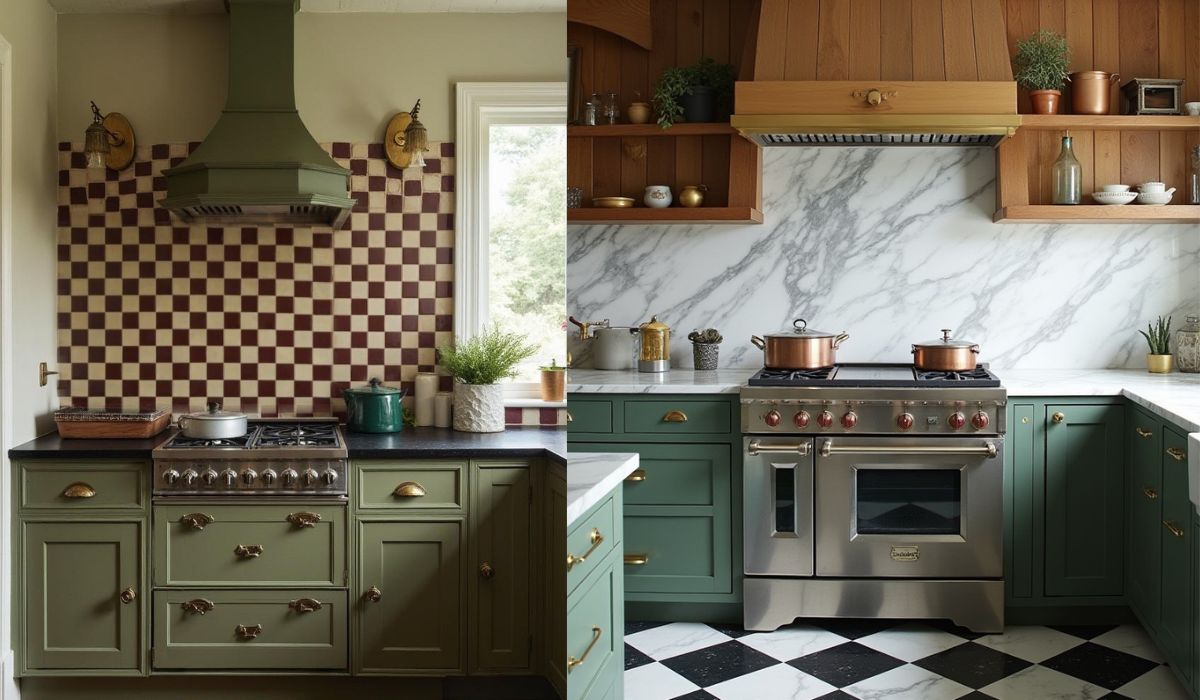
Image Source: mosaics.co
The Heart of the Home: “La Cuisine”
When you ask how to say “kitchen” in French, the primary answer is la cuisine. This word, like its English counterpart, refers to the entire room where food is prepared and cooked. However, “la cuisine” can also refer to the style of cooking itself, as in “French cuisine.” This dual meaning highlights how central the kitchen and its output are to French culture.
Beyond the Room: “Cuisine” as a Concept
Think about it: “French cuisine” is famous worldwide. So, “la cuisine” isn’t just about the place. It’s about the art of making food, the recipes, the techniques. When you say you love “la cuisine française,” you’re talking about the delicious food that comes from the kitchen. It’s a word with deep roots in French culture, embodying tradition, passion, and flavor.
Outfitting Your French Kitchen: Ustensiles, Appareils, and Mobilier
Now that you know the main word for kitchen, let’s furnish it with more vocabulary. A functional kitchen needs specific tools and furniture. Here’s what you might find in a French kitchen.
Essential “Ustensiles” (Utensils)
Every cook needs good “ustensiles.” These are the tools you use to prepare your food.
- Le couteau: Knife. You’ll need a few!
- Le couteau de chef (Chef’s knife)
- Le couteau à pain (Bread knife)
- Le couteau d’office (Paring knife)
- La planche à découper: Cutting board.
- La spatule: Spatula. Used for mixing, spreading, and lifting.
- Le fouet: Whisk. For beating eggs or making sauces.
- La cuillère: Spoon.
- La cuillère en bois (Wooden spoon)
- La cuillère à soupe (Tablespoon)
- La cuillère à café (Teaspoon)
- La passoire: Strainer or colander. For draining pasta or washing vegetables.
- Le saladier: Salad bowl.
- Les plats: Dishes or platters. For serving food.
- La casserole: Saucepan. For cooking liquids or sauces.
- La poêle: Frying pan or skillet. For searing and frying.
- Le torchon: Tea towel or dishcloth. To dry things or handle hot items.
Key “Appareils” (Appliances)
Modern kitchens rely on “appareils.” These are the machines that make cooking easier.
- Le réfrigérateur (le frigo): Refrigerator.
- Le congélateur: Freezer.
- La cuisinière: Stove or range. This usually includes both the hob (la plaque de cuisson) and the oven (le four).
- Le four à micro-ondes: Microwave oven.
- Le lave-vaisselle: Dishwasher.
- La bouilloire: Kettle. For boiling water.
- La cafetière: Coffee maker.
- Le grille-pain: Toaster.
“Mobilier” (Furniture) and Fixtures
The “mobilier” of a kitchen provides both storage and work surfaces.
- Les armoires: Cabinets.
- Les placards de cuisine (Kitchen cupboards)
- Les tiroirs: Drawers.
- Le plan de travail: Worktop or countertop. This is where you prepare your food.
- L’évier: Sink.
- Le robinet: Tap or faucet.
- Une table de cuisine: Kitchen table. Often a place for quick meals or breakfast.
- Les chaises: Chairs. To go with the table.
Preparing a “Repas”: The Joy of French Cooking
In France, preparing a “repas” (meal) is often a cherished activity. It’s not just about fueling the body; it’s about gathering, sharing, and enjoying good “nourriture” (food).
The Process of “Préparer”
To “préparer” a meal involves many steps. You might:
- Laver: Wash (vegetables, fruits).
- Couper: Cut (ingredients).
- Mélanger: Mix (ingredients).
- Cuire: Cook (food).
- Assaisonner: Season (with salt, pepper, herbs).
What’s for Dinner? “Nourriture” and Flavors
The “nourriture” itself is central to the French kitchen experience.
- Les légumes: Vegetables.
- Les fruits: Fruits.
- La viande: Meat.
- Le poisson: Fish.
- Le pain: Bread. Essential for any French meal.
- Le fromage: Cheese. Another staple.
- Les épices et herbes: Spices and herbs. Crucial for flavor.
Beyond the Kitchen: “La Salle à Manger” and “Où Manger”
While the kitchen is where the “nourriture” is made, the “salle à manger” (dining room) is often where the “repas” is formally enjoyed. However, many homes have an espace repas (eating area) within or just off the kitchen itself, especially in smaller apartments.
The “Salle à Manger”
This is the dedicated space for eating. It typically includes:
- Une grande table: A large table.
- Des chaises: Chairs.
- Un buffet ou une commode: A sideboard or dresser for storing tableware.
“Où Manger?” (Where to Eat?)
The question of “où manger” can have many answers in France.
- Dans la cuisine: Many people eat casually in the kitchen itself, especially for breakfast or a quick lunch.
- Dans la salle à manger: For more formal occasions or family dinners.
- Dans le salon: Sometimes, especially for a very relaxed evening or when entertaining many guests, people might eat in the living room.
- À l’extérieur: In good weather, eating on a terrace or in the garden is common.
Kitchen “Décoration” and Ambiance
The “décoration” of a French kitchen is as varied as its owners, but there’s often a focus on both beauty and practicality.
Creating a Welcoming Space
A French kitchen is often seen as the heart of the home, a place to gather and chat. The “décoration” can reflect this warmth.
- Couleurs: Colors can range from classic whites and creams to bold blues or warm terracotta.
- Matériaux: Natural materials like wood, stone, and metal are popular.
- Éclairage: Good lighting is key. Pendant lights over an island or a warm overhead light can create a cozy atmosphere.
- Accessoires: Think about decorative touches like:
- Des plantes: Plants add life and color.
- De la vaisselle colorée: Colorful dishes on display.
- Des ustensiles suspendus: Hanging utensils can be both practical and decorative.
- Des cadres photo: Family photos add a personal touch.
- L’îlot central: A kitchen island is a popular feature, providing extra counter space and often a casual eating area.
Functional Beauty
Good “décoration” in a French kitchen often blends style with function.
- Les étagères ouvertes: Open shelves can display beautiful pottery or cookbooks.
- Les carreaux de ciment: Cement tiles are very popular for backsplashes or floor decoration, adding a vintage or artisanal feel.
- Un grand évier en pierre ou en céramique: A substantial sink is a classic feature.
Talking About Your French Kitchen
Let’s put it all together. How would you describe your French kitchen?
- “Ma cuisine est petite mais fonctionnelle.” (My kitchen is small but functional.)
- “J’aime préparer des repas avec des produits frais.” (I like to prepare meals with fresh produce.)
- “J’ai beaucoup d’ustensiles et de bons appareils.” (I have many utensils and good appliances.)
- “Nous mangeons souvent dans la cuisine.” (We often eat in the kitchen.)
- “La décoration de ma cuisine est rustique.” (The decoration of my kitchen is rustic.)
- “La nourriture est la chose la plus importante.” (Food is the most important thing.)
- “Après le dîner, nous allons dans la salle à manger.” (After dinner, we go to the dining room.)
- “Je me demande où manger ce soir.” (I’m wondering where to eat tonight.)
Grammar Points to Note
- Gender: In French, nouns have a gender. “La cuisine” is feminine, which is why it takes “la.” Other kitchen items also have genders (e.g., le couteau is masculine, la cuillère is feminine). This affects the articles (le/la/les) and adjectives used with them.
- Plurals: Remember to make nouns plural when needed (e.g., les ustensiles, les appareils).
- Possession: To say “my kitchen,” you use ma cuisine. For masculine nouns, you would use mon (e.g., mon couteau).
A Day in a French Kitchen
Imagine a typical day.
Morning:
The first light filters into the kitchen. Someone turns on the cafetière. The smell of coffee fills the air. A quick breakfast of pain and jam is prepared, perhaps eaten at the table de cuisine.
Midday:
Lunch preparations begin. You might wash légumes in the évier, chop them on the plan de travail using a couteau de chef and planche à découper. You’ll gather ustensiles like a spatule and casserole. The cuisinière heats up to cook the nourriture. The delicious aroma of the repas starts to build.
Evening:
After dinner, dishes are loaded into the lave-vaisselle. Torchons are used to dry any hand-washed items. The mobilier, like the armoires and tiroirs, are tidied. The kitchen becomes quiet again, ready for the next day’s culinary adventures.
Common Misconceptions or Interesting Facts
- The “Great French Kitchen” Stereotype: While many French kitchens are indeed functional and beautiful, the image of a sprawling, traditional kitchen isn’t always the reality, especially in Parisian apartments where space is at a premium. Kitchens can be very compact but highly efficient.
- Importance of the “Coin Repas”: In smaller apartments, the “coin repas” (eating corner) within the kitchen is very common. This might be a small table with two chairs, or even just a breakfast bar extending from the counter. It’s a sign that even in limited space, the French value having a dedicated spot to enjoy their meals.
- “La Cuisine” as a Verb: While not common, you might hear the verb “cuisiner” which means “to cook.” For example, “Je cuisine demain soir” means “I am cooking tomorrow night.”
Frequently Asked Questions (FAQ)
Q: Is “la cuisine” the only word for kitchen in French?
A: No, but it is the most common and universally understood term for the room itself. Other less common or more specific terms might exist in regional dialects, but “la cuisine” is your go-to word.
Q: What are the most essential “ustensiles” for a French kitchen?
A: A good set of knives (chef’s knife, paring knife), a cutting board, a whisk, a spatula, spoons (wooden and metal), a colander, a couple of saucepans, and a frying pan are considered essential.
Q: How do the French typically decorate their kitchens?
A: Decoration varies greatly, but there’s often an emphasis on combining practicality with aesthetics. Natural materials, warm colors, good lighting, and personal touches are common. Modern trends also include open shelving and decorative tiles like “carreaux de ciment.”
Q: Can “cuisine” also mean “kitchen appliance”?
A: No, “cuisine” refers to the room or the style of cooking. The word for appliance is “un appareil” or “un électroménager.”
Q: Where do French people usually eat their meals?
A: It depends on the meal and the formality. Breakfast or a quick lunch might be eaten in the kitchen itself, at a small table or counter. More formal meals are usually in the dining room (“la salle à manger”).
Q: Is there a French equivalent to an “open-plan kitchen”?
A: Yes, the term is “cuisine américaine,” which translates to “American kitchen.” It refers to a kitchen that is open to the living or dining area.
Learning these words will greatly enhance your ability to discuss this vital part of French life. So next time you’re talking about food or home, you’ll be well-equipped with the right French vocabulary!