
Can you remove kitchen countertops yourself? Yes, you can remove kitchen countertops yourself if you’re comfortable with basic tools and have a clear plan. This guide will walk you through the process of removing kitchen countertops safely and effectively, whether you’re planning a full kitchen remodel countertop removal, a simple Granite countertop replacement, or a Quartz countertop update. Removing old kitchen counters can seem daunting, but with the right preparation and tools, it’s a manageable DIY countertop removal project.
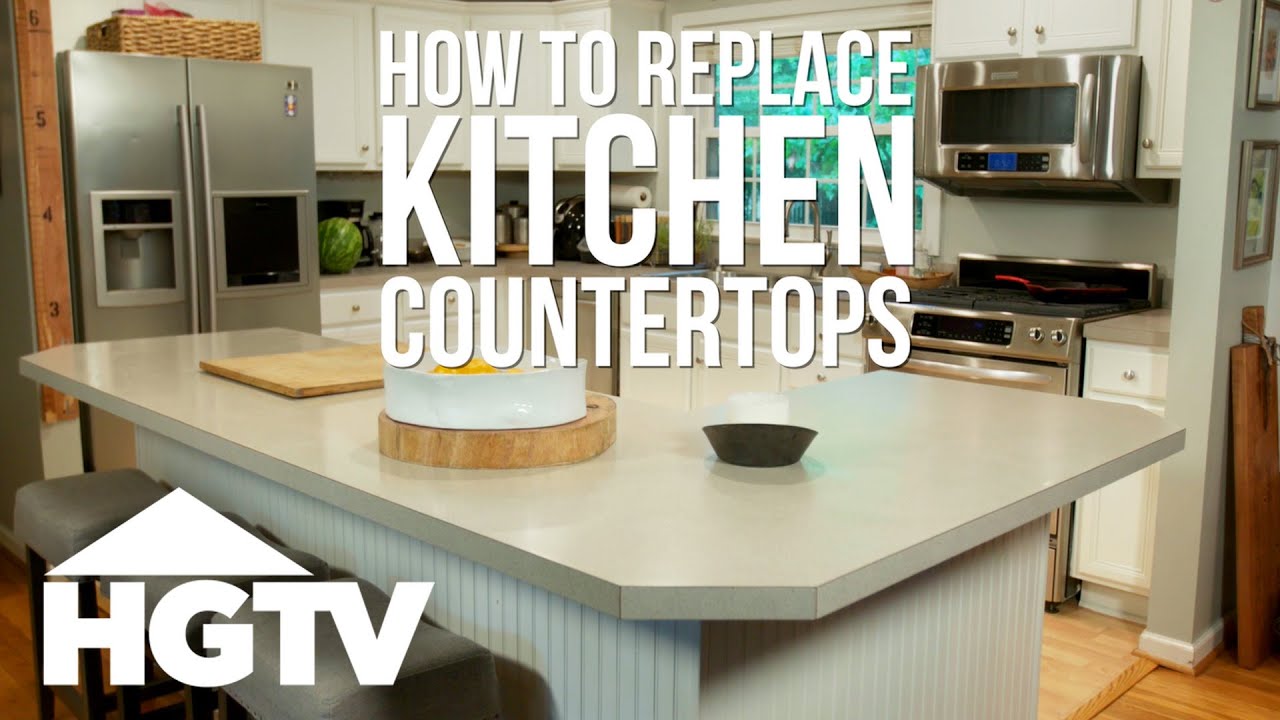
Image Source: i.ytimg.com
Preparing for Countertop Removal
Before you start demolishing kitchen countertops, thorough preparation is key. This ensures safety, protects your cabinets, and makes the removal process smoother.
1. Gather Your Tools and Safety Gear
Having the right tools at hand prevents frustration and ensures you can complete the job efficiently. Always prioritize safety.
Essential Tools:
- Safety Glasses: Protect your eyes from dust and flying debris.
- Work Gloves: Prevent cuts and abrasions from sharp edges.
- Dust Mask or Respirator: Crucial for preventing inhalation of silica dust, especially with granite or quartz.
- Pry Bar(s): For gently separating the countertop from the cabinets.
- Putty Knife or Scraper: To remove any adhesive or caulk.
- Utility Knife: For scoring caulk or sealant lines.
- Screwdrivers (Phillips and Flathead): To remove any screws securing the countertop.
- Reciprocating Saw (Optional, but helpful): For cutting through stubborn adhesive or stubborn seams. Use with the appropriate blade for your countertop material.
- Hammer: To tap the pry bar if needed.
- Chisels: For carefully chipping away adhesive.
- Drop Cloths or Tarps: To protect your floors and surrounding areas from dust and damage.
- Heavy-Duty Bags or Cardboard: For disposing of the old countertops.
- Plywood or Cardboard Sheets: To protect cabinet tops from falling debris.
- Flashlight or Work Light: For better visibility in dimly lit areas.
- Caulking Remover Tool (Optional): Makes removing caulk easier.
- Shop Vacuum: To clean up dust and debris as you go.
Safety Gear:
- Safety Glasses: Non-negotiable.
- Work Gloves: Leather or heavy-duty gloves are best.
- Closed-Toe Shoes: Sturdy footwear is essential.
- Long Sleeves and Pants: To protect your skin.
- Respirator Mask: If working with materials like granite or quartz that can produce silica dust.
2. Protect Your Cabinets and Surroundings
Your cabinets are likely staying, so protecting them is paramount.
- Cover Cabinet Tops: Lay down plywood or thick cardboard on top of your cabinets. This prevents scratches or damage from tools or falling pieces of countertop.
- Protect Flooring: Lay drop cloths or tarps from the countertop to your exit path. This will catch dust and debris.
- Clear the Area: Remove any items from the countertops and the surrounding workspace, including appliances, decorative items, and anything stored in drawers or cabinets near the edge.
- Shut Off Water and Power: If you’re removing a sink or cooktop integrated into the countertop, turn off the water supply and the relevant electrical circuits for safety.
3. Identify How the Countertop is Attached
The method of attachment can vary significantly based on the countertop material and installation.
- Check Underside: Look underneath the countertop, inside the cabinets. You might find screws or clips that secure the countertop to the cabinet frame.
- Look for Caulk/Adhesive: Most countertops have a bead of caulk or adhesive along the backsplash and where they meet the wall.
- Sink and Cooktop Attachments: Sinks are often held in place by clips from underneath, and sometimes sealant. Cooktops might be secured with clips or adhesive.
The Countertop Removal Process
Once you’re prepared, you can begin the actual removal. The approach will slightly differ depending on the material, but the general steps are similar for removing old kitchen counters.
Step-by-Step Removal Guide
Step 1: Remove the Backsplash and Caulk
- Score the Caulk: Use a utility knife to carefully cut along the seam where the backsplash meets the wall and where the countertop meets the backsplash (if it’s a separate piece). This breaks the seal.
- Pry Gently: Use a putty knife or a thin pry bar to gently lift and pull away the caulk. A caulk removal tool can also be effective here.
Step 2: Detach Any Fasteners
- Locate Screws/Clips: Reach inside the cabinets and look for screws or clips that attach the countertop to the cabinet framing. These are most common on laminate and solid surface countertops.
- Remove Fasteners: Use a screwdriver or drill to remove all visible screws or clips. Be thorough; missed fasteners are a common reason for countertops not lifting.
Step 3: Remove the Sink and Fixtures
- Disconnect Plumbing: If removing a sink, turn off the water supply valves under the sink, disconnect the supply lines, and detach the drain assembly. Place a bucket underneath to catch any residual water.
- Disconnect Garbage Disposal (if applicable): Ensure power to the disposal is off at the breaker. Disconnect the plumbing and electrical connections.
- Release Sink Clips: Most under-mount sinks are held in place by clips screwed into the underside of the countertop. Remove these clips.
- Score Sink Sealant: Use a utility knife to cut around the edge of the sink where it meets the countertop.
- Lift the Sink: Gently push the sink up from below to dislodge it. Be prepared for some water or debris to fall into the cabinet.
Step 4: Deal with Adhesive or Sealant
- Check Edges: Many countertops, especially Granite countertop replacement or Quartz countertop update projects, are adhered to the cabinets.
- Pry Gently: Insert a thin pry bar or putty knife between the countertop and the cabinet top. Work your way along the edges, gently prying upwards. Be patient; forcing it can damage cabinets.
- Use a Reciprocating Saw (with caution): If the adhesive is very strong, you might need to use a reciprocating saw. Insert a thin metal blade between the countertop and the cabinet. Move the saw slowly and carefully to cut through the adhesive. Be extremely careful not to cut into the cabinet boxes. A thin wood blade can also be used for laminate countertops if they are glued directly to plywood.
Step 5: Lift and Remove the Countertop Sections
- Work with a Partner: Countertops, especially stone ones, are heavy and bulky. Always have at least one other person to help lift and maneuver them.
- Lift from the Front and Back: With your partner, grip the front and back edges of the countertop. Lift evenly and slowly.
- Watch for Hidden Fasteners: As you lift, be aware of any remaining adhesive or fasteners that might still be connecting the countertop to the cabinets.
- Cut into Sections (if necessary): For very large or heavy stone countertops, you might need to cut them into smaller, more manageable pieces. This is best done with a wet saw or a specialized diamond blade on an angle grinder, but it creates a lot of dust and risk. If you’re not experienced, it’s often better to get professional help for this step or aim for full sections if possible.
- Careful Placement: Once removed, carefully lay the countertop sections on your prepared drop cloths, ensuring they are stable and won’t tip over.
Step 6: Clean Up
- Vacuum Debris: Use a shop vacuum to thoroughly clean up all dust, small pieces, and debris from the cabinets, floors, and surrounding areas.
- Wipe Down Surfaces: Clean any adhesive residue from the cabinet tops.
- Dispose of Old Countertop: Properly dispose of the old countertop material. Check local regulations for disposal of heavy materials or stone.
Material-Specific Considerations for Countertop Removal
While the general steps are similar, some countertop materials require specific approaches during the removal process.
Laminate Countertop Removal
Laminate countertops are generally lighter and less prone to chipping than stone.
- Attachment: Often glued to a particleboard or plywood substrate. Sometimes secured with screws through the cabinet top, especially at the sink cutout.
- Removal Technique: Focus on gently prying and cutting adhesive. A reciprocating saw with a wood blade can be effective for cutting through the substrate if it’s glued to the cabinets. Be careful not to damage the cabinet boxes. Laminate countertop installation often uses contact adhesive that can be softened with heat, but this is rarely necessary for removal.
Solid Surface Countertop Removal (e.g., Corian)
Solid surface materials are typically joined seamlessly and can be heavy.
- Attachment: Usually glued to cabinets with a strong adhesive. They might also have clips.
- Removal Technique: Similar to laminate, focus on prying and adhesive cutting. Since they can be brittle, avoid excessive force. If you’re planning a Granite countertop replacement, you’ll find solid surface to be more manageable in weight.
Butcher Block Countertop Replacement
Butcher block can be quite heavy due to its solid wood construction.
- Attachment: Often attached with screws from the underside of the cabinets. Less commonly, they might be glued.
- Removal Technique: Removing screws is the primary method. Be aware of the weight, and have help ready. If glued, you’ll use prying techniques. Butcher block counter replacement is generally straightforward once screws are removed.
Stone Countertop Removal (Granite, Quartz, Marble)
These materials are the heaviest and most prone to cracking or breaking if not handled properly.
- Attachment: Typically glued to cabinets with silicone adhesive or epoxy. Sometimes secured with clips.
- Removal Technique:
- Extreme Caution: This is where a partner is non-negotiable.
- Adhesive Cutting: Use a thin metal blade on a reciprocating saw to carefully cut through the adhesive along the entire perimeter.
- Pry Bars: Use them gently to lift the stone, working evenly.
- Support: Ensure the countertop is well-supported as you lift, to prevent sagging and breaking.
- Cutting Stone: Do not attempt to cut granite or quartz countertops without specialized diamond blades and experience. This is a dangerous process that creates hazardous dust. If sections need to be broken down, it’s best to hire professionals or leave it to the installation team of your new countertop.
- Weight: A typical slab of granite can weigh 15-20 pounds per square foot. A 10-foot slab can easily weigh over 150 pounds.
Frequently Asked Questions About Countertop Removal
Q1: How much does it cost to remove kitchen countertops?
The cost to remove kitchen countertops varies. If you do it yourself (DIY countertop removal), the cost is minimal, mostly for tools and disposal. Hiring professionals can range from $100 to $500 or more, depending on the material, complexity, and your location. This is often included in the price of a new countertop installation.
Q2: Can I remove kitchen countertops without damaging my cabinets?
Yes, with careful work and the right tools, you can remove kitchen countertops without damaging your cabinets. The key is to identify all attachment points (screws, clips, adhesive) and address them gently. Protecting the cabinet tops with plywood or cardboard is crucial.
Q3: What is the best way to dispose of old kitchen countertops?
Disposal methods depend on the material and local regulations.
* Laminate/Solid Surface: Can often be cut into smaller pieces and disposed of with regular household trash or at a local landfill/transfer station.
* Stone (Granite, Quartz): These are heavy and often require special disposal. You might be able to take them to a landfill that accepts construction debris, or a salvage yard. Some countertop installers may offer removal and disposal services for an extra fee.
* Butcher Block: Can sometimes be repurposed, donated, or disposed of as yard waste or construction debris.
Q4: Do I need a reciprocating saw to remove kitchen countertops?
Not always, but it’s highly recommended, especially for stone or heavily adhered countertops. It makes cutting through tough adhesive much easier and cleaner than trying to pry it all off manually, which can damage cabinets.
Q5: What is the most difficult type of countertop to remove?
Generally, stone countertops like granite and quartz are the most difficult due to their immense weight and the strong adhesives used. They are also the most prone to breaking during removal, which can complicate disposal and potentially cause injury.
Q6: Can I leave the sink in place while removing the countertop?
It’s generally best to remove the sink before attempting to remove the countertop. The sink’s weight and its attachment points can interfere with the removal process and make it more difficult and potentially dangerous. Disconnecting the plumbing and removing the sink first is a safer approach.
Q7: What if my countertop is glued directly to the cabinets without clips or screws?
This is common. You’ll need to focus on carefully cutting through the adhesive. Start with a putty knife, and if that doesn’t work, a thin blade on a reciprocating saw is the next step. Work slowly and methodically to score the adhesive line.
Q8: How do I handle a countertop that wraps around a corner?
Corner countertops might have additional support brackets or may be joined at the corner with a seam. Ensure you check for fasteners in the corner area and address any adhesive along the corner seam. Lifting the two sections of the corner countertop simultaneously with partners is crucial.
Q9: What if I find unexpected plumbing or electrical components when removing the countertop?
Always turn off power and water to the relevant areas before starting. If you uncover wiring or pipes you didn’t expect, stop immediately and assess the situation. If you’re unsure how to proceed safely, consult a qualified electrician or plumber.
Q10: Is it worth the effort to do DIY countertop removal?
For many homeowners, the DIY approach to removing old kitchen counters can save a significant amount of money, especially if you’re undertaking a larger kitchen remodel. It requires patience, the right tools, and a willingness to be meticulous. If you’re dealing with very heavy materials like granite, or if you have minimal DIY experience, hiring professionals might be a safer and less stressful option, particularly when considering the cost savings versus potential damage or injury.
Taking out kitchen countertops safely is an achievable project with proper planning and execution. Whether you’re preparing for a Granite countertop replacement, a Quartz countertop update, or a simpler Laminate countertop installation, following these steps will ensure your DIY countertop removal is successful and safe. Remember, when in doubt, always prioritize safety and consider professional help for more challenging aspects of the job.