
The ideal kitchen island height depends on its primary function, but generally, a standard kitchen island height ranges from 34 to 36 inches from the floor to the countertop surface. This ensures comfortable working and seating heights for most people.
When planning your kitchen, one of the most crucial decisions you’ll make is the height of your island. This seemingly simple measurement has a significant impact on the usability, comfort, and overall aesthetic of your kitchen. A well-proportioned island can become the heart of your home, offering a versatile space for cooking, dining, and socializing. Conversely, an island that’s too high or too low can lead to awkward ergonomics and a less functional kitchen. This guide will delve into the factors that determine the perfect kitchen island height for your needs, exploring various functionalities and offering practical advice.
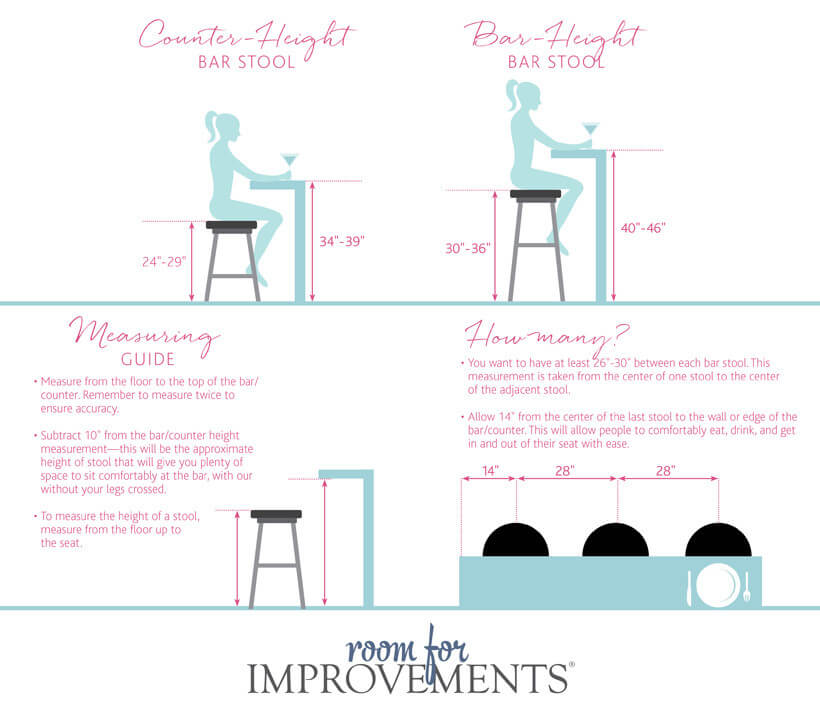
Image Source: www.signaturekab.com
Deciphering the Purpose: What Will Your Island Do?
Before you grab a tape measure, take a moment to consider what you envision for your kitchen island. Its intended purpose will heavily influence the ideal height.
For Culinary Creations and Food Prep
If your island is primarily a workspace for chopping, mixing, and preparing meals, you’ll want it to align with standard countertop heights. This ensures you can stand comfortably without hunching over or reaching too high.
Countertop height for island work surfaces typically falls between 34 and 36 inches. This height is ergonomically designed to allow most adults to stand upright with their elbows at roughly a 90-degree angle while working. This reduces strain on your back and shoulders, making lengthy cooking sessions much more enjoyable.
For Casual Dining and Gathering
Islands that double as eating areas need to accommodate seating. Here, the island seating height becomes a critical consideration. There are two main types of seating heights to consider:
- Counter Height Seating: This is the most common type. Stools designed for counter height kitchen island setups are typically 24 to 26 inches high. This allows diners to sit comfortably at a 34-36 inch countertop. The seating height should allow for about 10-12 inches of legroom between the seat and the underside of the countertop.
- Bar Height Seating: For a more elevated dining experience, a bar height kitchen island is an option. The countertop for bar height seating is usually 40 to 42 inches high, with bar stools measuring 28 to 30 inches. This offers a different social dynamic, often mimicking a pub or bar setting.
For a Multifunctional Hub
Many kitchens benefit from a multifunctional island that serves as both a prep space and a dining area. This often requires a tiered design or careful consideration of the overall height to accommodate different activities.
A common approach for a multifunctional island is to have a main working surface at standard kitchen island height (34-36 inches) and a raised section for seating. This raised section might be a few inches higher, accommodating bar stools or specific counter-height stools.
Fathoming the Standard: Common Kitchen Island Dimensions
While bespoke designs are always an option, understanding the standard kitchen island height is a great starting point.
The 36-Inch Benchmark
A 36-inch high island is a popular choice because it aligns with the standard kitchen island height for most base cabinets. This means it seamlessly integrates with existing cabinetry, creating a cohesive look and feel. It’s also at a comfortable height for most people to work at without strain.
Exploring Variations for Specific Needs
- Lower Islands (30-34 inches): Some designers opt for slightly lower islands, especially in kitchens with a primary focus on seating or for families with very young children. A 30-inch height is equivalent to a standard dining table height, making it suitable for chairs. However, for food preparation, this can be too low for many adults.
- Higher Islands (38-42 inches): As mentioned, a higher island is typically designed for dedicated bar seating. This elevates the surface and provides a distinct area for casual meals or drinks.
Beyond Height: Crucial Kitchen Island Dimensions
While height is paramount, kitchen island dimensions like kitchen island width and kitchen island depth also play vital roles in functionality.
The Importance of Depth
The kitchen island depth is crucial for both workspace and storage.
- Standard Countertop Depth: Most kitchen countertops are 24 inches deep. Islands often feature a deeper countertop to provide more workspace and allow for overhangs for seating.
- Seating Overhang: For comfortable seating, you’ll need an overhang.
- For counter height kitchen island seating (34-36 inch height), aim for a 12-15 inch overhang. This provides enough legroom.
- For bar height kitchen island seating (40-42 inch height), a 15-18 inch overhang is generally recommended.
- Cabinet Depth: If your island incorporates cabinets or drawers, factor in their depth. Standard base cabinets are 24 inches deep. If you add a countertop with an overhang, the total depth will be greater.
Navigating the Width
The kitchen island width is dictated by the available space and the island’s intended use.
- Minimum Width: For a functional workspace, a minimum width of 24 inches is recommended. However, for practical use and to accommodate seating, 36 inches is often a more realistic minimum.
- Ample Workspace: Wider islands (48 inches or more) offer more prep space and can more comfortably accommodate seating on multiple sides.
- Traffic Flow: Ensure the kitchen island width doesn’t impede traffic flow. You need adequate clearance around the island.
Ensuring Ergonomics: Comfortable Seating and Workspace
The interplay between kitchen island height, seating height, and countertop overhang is what truly defines ergonomic comfort.
Seating Harmony
The golden rule for seating comfort is the 10-12 inch gap between the seat and the underside of the countertop.
-
Counter Height Island:
- Island Countertop Height: 34-36 inches
- Counter Stool Seat Height: 24-26 inches
- Legroom: 10-12 inches
-
Bar Height Island:
- Island Countertop Height: 40-42 inches
- Bar Stool Seat Height: 28-30 inches
- Legroom: 12-14 inches
Working Comfortably
For food preparation, the countertop height for island surfaces should allow you to stand with your elbows bent at approximately 90 degrees. This minimizes strain. If you are significantly taller or shorter than average, you might consider a custom height.
- Taller Individuals: A countertop height of 37-38 inches might be more comfortable.
- Shorter Individuals: A height of 32-34 inches could be more suitable.
Designing for Flow: Clearance and Traffic Paths
Even the perfect kitchen island height can be rendered ineffective if there isn’t adequate space to move around it.
Essential Clearances
- Working Side: Allow at least 36-42 inches of clearance between the island and the main kitchen cabinets/appliances. This provides ample space for opening oven doors, drawers, and moving around while cooking.
- Seating Side: If seating is on the island, ensure at least 48 inches of clearance behind the chairs. This allows people to get in and out of their seats comfortably without bumping into anything.
- Walkways: In high-traffic areas or if the island is positioned between two major work zones, consider 48-60 inches of clearance for easy passage.
Material Matters: How Surface Choice Affects Height Perception
While the physical height is fixed, the material of your countertop can subtly influence how you perceive the height.
- Thicker Countertops: Materials like thick granite, quartz, or butcher block can make an island appear more substantial. If you opt for a very thick material, remember to subtract its thickness from your desired finished kitchen island height when ordering the base cabinets.
- Lighter Materials: Lighter-colored or more delicate-looking materials can make an island feel less imposing, which might be desirable in smaller kitchens.
Customization vs. Standards: Making the Right Choice
While standard kitchen island height measurements are a reliable guide, don’t be afraid to deviate if your specific needs warrant it.
When to Go Custom
- Unique Kitchen Layouts: Unusual room dimensions or appliance placements might necessitate a custom island size.
- Accessibility Needs: Individuals with mobility challenges might require lower countertops or specific turning radii.
- Ergonomic Preferences: As mentioned, significant height differences can make custom heights a more comfortable choice.
- Specific Functional Requirements: If your island needs to accommodate a very specific appliance or function, custom dimensions are often the solution.
The Advantages of Standards
- Cost-Effectiveness: Standard sizes are generally more affordable due to mass production.
- Availability: Standard-sized cabinets and countertops are readily available from most suppliers.
- Predictability: You know what you’re getting, making the planning process smoother.
Incorporating Seating: Types of Stools and Chairs
The type of seating you choose will directly relate to your island’s height and the desired island seating height.
Counter Stools
- Height: 24-26 inches
- Best for: Islands with 34-36 inch countertops.
- Features: Typically have a footrest, which is essential for comfort at this height. Many are backless for a streamlined look, while others offer back support.
Bar Stools
- Height: 28-30 inches
- Best for: Islands with 40-42 inch countertops (bar height).
- Features: Similar to counter stools but taller. Footrests are crucial. Backs and armrests can enhance comfort but might take up more space.
Dining Chairs
- Height: 18-20 inches
- Best for: Islands designed as dining height kitchen island surfaces (around 30 inches).
- Features: Offer the most comfort and back support, ideal for longer meals. However, this height is less common for islands primarily used for prep work.
Considering Kitchen Island Depth for Seating and Storage
The kitchen island depth is intrinsically linked to its functionality, especially when incorporating seating or storage.
Seating Depth Considerations
As previously noted, the overhang is key. A 12-15 inch overhang on a 34-36 inch island allows comfortable legroom. If you opt for a deeper island, you might be able to achieve a more generous overhang or incorporate shallow storage behind the seating area.
Storage Integration
When planning your kitchen island dimensions, think about storage. Islands can house:
- Drawers: Excellent for utensils, linens, and smaller kitchen gadgets.
- Cabinets: Ideal for pots, pans, small appliances, and larger items.
- Open Shelving: Useful for decorative items or frequently used cookbooks.
- Specialty Storage: Wine racks, spice racks, or pull-out trash/recycling bins can be integrated.
The depth required for these storage solutions will influence the overall kitchen island depth. Standard cabinet depth is 24 inches, but you might opt for shallower cabinets (e.g., 18 inches) if space is tight, or deeper ones for maximum storage.
The Visual Impact: How Height Affects Your Kitchen’s Look
The kitchen island height also contributes to the overall visual balance of your kitchen.
Proportion and Scale
A very tall island in a small kitchen can feel overwhelming. Conversely, a short island in a large kitchen might look undersized and insignificant. Aim for proportions that feel right for the size of your room.
Tiered Designs
For a truly versatile island, a tiered design can be effective. You might have a 36-inch prep area that transitions to a 42-inch bar height seating area. This visually separates the zones and caters to different activities.
Frequently Asked Questions (FAQ)
Q1: What is the standard kitchen island height?
A1: The standard kitchen island height for the countertop is typically between 34 and 36 inches from the floor.
Q2: How high should my island be if I plan to eat at it?
A2: If you plan to eat at your island using counter-height stools, aim for a countertop height for island between 34 and 36 inches. The stools themselves should be about 24-26 inches high, leaving 10-12 inches of legroom. If you prefer bar-height seating, the countertop should be 40-42 inches high, with 28-30 inch bar stools.
Q3: Can I have an island that’s different heights for prep and seating?
A3: Yes, you can absolutely have a tiered island with different heights. A common design features a lower prep area (34-36 inches) and a raised seating area (40-42 inches).
Q4: What is the minimum clearance needed around a kitchen island?
A4: For comfortable movement and to allow for opening appliances and seating, aim for at least 36-42 inches of clearance on working sides and 48 inches on seating sides.
Q5: Does kitchen island depth affect seating comfort?
A5: Yes, the kitchen island depth directly impacts seating comfort through the overhang. You need at least 10-12 inches of overhang for comfortable legroom for counter-height seating and 12-15 inches for bar-height seating.
Q6: How wide should a kitchen island be?
A6: The ideal kitchen island width depends on your space and needs. A minimum of 36 inches is recommended for functionality, but wider islands (48 inches or more) offer more workspace and better accommodate seating. Always ensure adequate traffic flow.
Choosing the right kitchen island height is a foundational step in creating a functional and enjoyable kitchen. By carefully considering the intended use, standard measurements, and ergonomic principles, you can design an island that perfectly complements your lifestyle and enhances your culinary space. Remember to also factor in kitchen island depth and kitchen island width for a truly well-rounded design. Whether you aim for a bar height kitchen island, a counter height kitchen island, or a versatile dining height kitchen island, thoughtful planning ensures your island becomes a beloved feature of your home.