
Matching kitchen cabinets is a crucial step in any kitchen renovation, significantly impacting the overall aesthetic and feel of your space. So, what is the best way to match kitchen cabinets? The best way to match kitchen cabinets is to consider your desired style, the existing elements in your kitchen like your kitchen countertop and kitchen backsplash, and the overall mood you want to create. Can I mix cabinet colors? Yes, you absolutely can mix cabinet colors, and it’s a popular trend that can add depth and personality to your kitchen design. Who is involved in matching kitchen cabinets? Homeowners, kitchen designers, and cabinet manufacturers are typically involved in matching kitchen cabinets to ensure a cohesive and beautiful outcome.
Choosing the right cabinet finish, style, and color is about creating a harmonious and inviting kitchen. This guide will walk you through the process, from deciphering different cabinet door styles to selecting the perfect cabinet hardware.
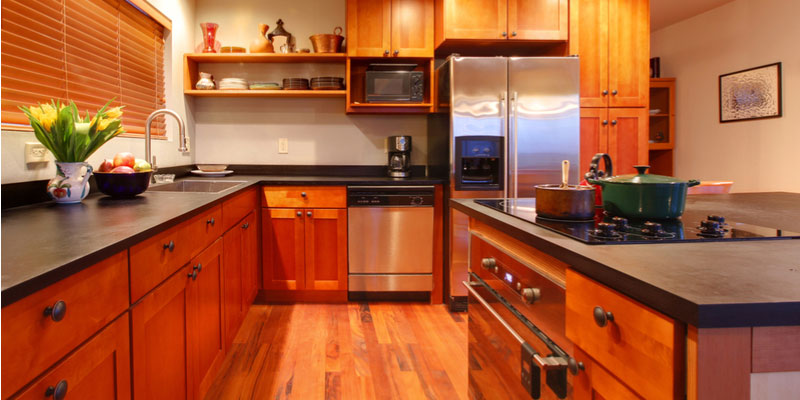
Image Source: topscabinet.net
Decoding Cabinet Styles and Finishes
Your kitchen cabinets are the foundation of your kitchen’s design. They take up the most visual space, so their appearance truly sets the tone for the entire room. Understanding different cabinet styles and finishes is your first step to a successful match.
Popular Cabinet Styles
The cabinet style refers to the design of the cabinet doors and drawers. This is one of the most impactful decisions you’ll make.
- Shaker Style: Characterized by a simple, flat center panel surrounded by a raised frame. This versatile style fits well with both modern and traditional kitchens.
- Pros: Timeless, clean lines, easy to clean, adaptable to many decor styles.
- Cons: Can sometimes feel too simple for very ornate kitchens.
- Slab or Flat Panel: Features a single, flat piece of wood or material for the door. This minimalist style is perfect for contemporary and modern designs.
- Pros: Sleek, modern look, easy to clean, good for a minimalist aesthetic.
- Cons: Can show imperfections easily, may not suit traditional tastes.
- Raised Panel: Has a center panel that is raised and often features decorative molding. This style adds a classic, traditional feel.
- Pros: Elegant, traditional look, adds visual interest.
- Cons: Can be more challenging to clean due to the detailing.
- Recessed Panel: Similar to Shaker but with a center panel that is set in or recessed, often with a slightly beveled edge. It offers a slightly softer look than Shaker.
- Pros: Subtle detailing, good for a transitional look.
- Cons: Less distinct than Shaker or raised panel.
- Beadboard: Features vertical grooves, resembling beadboard paneling. This style lends a cottage or farmhouse charm.
- Pros: Charming, casual feel, adds texture.
- Cons: The grooves can trap dirt and are harder to clean.
Exploring Cabinet Finishes
The cabinet finish is the surface treatment applied to the cabinet material. This greatly influences the look, durability, and maintenance of your cabinets.
- Stained Finishes: These finishes enhance the natural grain of the wood, offering a range of colors from light honey to deep espresso.
- Pros: Highlights wood grain, rich and warm appearance, durable.
- Cons: Wood grain variations can lead to slight color inconsistencies.
- Painted Finishes: Available in virtually any color, painted cabinets offer a smooth, uniform look. White, gray, and blue are popular choices.
- Pros: Wide color selection, modern or classic look, can hide less desirable wood grain.
- Cons: Can chip or scratch over time, may require touch-ups.
- Glazed Finishes: A secondary coat (glaze) is applied over paint or stain and then wiped off, leaving color in the crevices and raised areas. This adds depth and an aged appearance.
- Pros: Adds character and depth, highlights details, can create an antique look.
- Cons: Can make cleaning slightly more difficult.
- Laminate/Veneer Finishes: These are durable, manufactured surfaces applied to a core material. They can mimic the look of wood or offer solid colors.
- Pros: Cost-effective, durable, consistent appearance, easy to clean.
- Cons: May not have the same rich feel as real wood, limited design flexibility.
- High-Gloss Finishes: Offer a modern, reflective surface that can make a small kitchen feel larger.
- Pros: Sleek, contemporary look, easy to wipe clean.
- Cons: Shows fingerprints and smudges easily, can be very glossy.
Key Factors When Matching Cabinets
Matching cabinets is not just about picking a pretty color. It involves harmonizing with existing elements and considering the overall design.
The Role of Cabinet Color
The cabinet color is arguably the most significant decision. It dictates the mood and style of your kitchen.
- Neutral Colors (White, Gray, Beige): These are perennially popular for their versatility. They create a bright, airy feel and pair well with almost any kitchen countertop or kitchen backsplash.
- White: Classic, clean, bright. Makes spaces feel larger.
- Gray: Modern, sophisticated, versatile. Can range from light and airy to deep charcoal.
- Beige/Cream: Warm, inviting, softer than stark white.
- Wood Tones (Light Oak, Cherry, Walnut): These bring natural warmth and texture to a kitchen. The shade of the wood can significantly alter the kitchen’s feel.
- Light Woods (Maple, Birch): Scandinavian or modern look, bright and airy.
- Medium Woods (Oak, Cherry): Traditional, warm, inviting.
- Dark Woods (Walnut, Espresso): Luxurious, dramatic, modern or traditional depending on the style.
- Bold Colors (Blue, Green, Black): These can make a statement and add personality. Use them strategically, perhaps on an island or lower cabinets, to avoid overwhelming the space.
- Navy Blue: Sophisticated, timeless, pairs well with brass hardware.
- Sage Green: Earthy, calming, pairs well with natural materials.
- Black: Bold, modern, dramatic. Can make a kitchen feel intimate and chic.
Harmonizing with Your Kitchen Countertop
Your kitchen countertop is another major visual element. The cabinet color and finish should complement it.
- White Cabinets: Pair well with almost any countertop, including dark granite, marble, quartz in any color, and butcher block.
- Gray Cabinets: Look great with white quartz, marble, light wood, or contrasting dark granite.
- Wood Cabinets: Light wood cabinets complement white, gray, or stone countertops. Dark wood cabinets can be striking with lighter countertops like white marble or quartz.
- Dark Cabinets: Work well with white, light gray, or speckled quartz countertops to provide contrast.
Complementing the Kitchen Backsplash
The kitchen backsplash adds a decorative layer and can tie your cabinet and countertop choices together.
- Busy Backsplash: If you have a patterned or multi-colored backsplash, consider simpler, more neutral cabinet colors to avoid a chaotic look.
- Simple Backsplash: A subway tile or solid color backsplash allows you to be more adventurous with your cabinet color.
- Contrasting: A white backsplash often pairs well with wood or colored cabinets. A natural stone backsplash can bridge the gap between wood cabinets and a granite countertop.
The Impact of Kitchen Flooring
Your kitchen flooring also plays a role in the overall cabinet matching strategy.
- Wood Floors: If you have wood floors, you have more flexibility. Consider if you want your cabinets to match the floor tone or provide a contrast. For example, light wood cabinets can look great with medium-toned wood floors.
- Tile/Stone Floors: These offer a neutral backdrop, allowing your cabinets to be the star.
- Consider the Undertones: Pay attention to the undertones of your flooring, countertops, and cabinets. Do they lean warm (yellow, red) or cool (blue, gray)? Aim for undertones that work together.
Choosing Cabinet Hardware
Cabinet hardware, such as knobs and pulls, are the jewelry of your kitchen cabinets. They can significantly influence the style and can be used to tie different elements together.
- Modern Kitchens: Sleek, minimalist hardware in brushed nickel, chrome, matte black, or stainless steel often works best.
- Traditional Kitchens: More ornate or decorative hardware in oil-rubbed bronze, antique brass, or polished nickel can enhance the classic feel.
- Transitional Kitchens: Hardware that bridges modern and traditional, like brushed gold or oil-rubbed bronze with simple lines, can be ideal.
- Mixing Metals: It’s now acceptable to mix metals, but do it thoughtfully. For example, you might have brushed nickel cabinets with matte black drawer pulls, but ensure there’s a cohesive element.
Cabinet Material Considerations
The cabinet material impacts durability, cost, and appearance.
- Solid Wood (Maple, Cherry, Oak): Offers a natural, premium look and is very durable. The grain and color will vary, adding character.
- MDF (Medium-Density Fiberboard) / Particle Board with Veneer or Laminate: These engineered wood products are often more affordable and stable than solid wood. Veneers offer a wood look, while laminates provide a smooth, consistent surface. They are excellent for painted cabinets.
- Thermofoil: A vinyl film applied to MDF. It’s cost-effective and durable but can be damaged by excessive heat.
Strategies for Matching Cabinets
Now that you know the components, let’s look at popular strategies for matching.
The Monochromatic Approach
This involves using variations of a single color or shade.
- Example: All white cabinets with white subway tile and a white speckled quartz countertop.
- Pros: Creates a clean, seamless, and spacious feel. Very safe and timeless.
- Cons: Can sometimes lack visual interest if not layered with texture and hardware.
Two-Tone Kitchens
This popular strategy uses different cabinet colors or finishes on upper and lower cabinets, or for an island.
- Common Combinations:
- Darker Lower Cabinets, Lighter Upper Cabinets: This grounds the space and makes the upper cabinets feel lighter and less imposing. Often seen with dark blue or gray lowers and white uppers.
- White Cabinets with a Wood Island: A classic combination that adds warmth and texture.
- Colored Island with Neutral Perimeter Cabinets: A navy or green island can be a stunning focal point against white or gray perimeter cabinets.
- Pros: Adds depth, personality, and visual appeal. Allows you to highlight different zones in the kitchen.
- Cons: Requires careful consideration to ensure the colors work well together.
Matching Cabinet Door Styles
While not strictly a “matching” in terms of color, ensuring your cabinet door style is consistent across all cabinets is key to a cohesive look, unless you are intentionally creating a two-tone effect with contrasting styles (which is rare and requires expert design).
- Consistency is Key: Generally, all your main cabinets should share the same door style.
- Island as a Feature: If you opt for a two-tone kitchen, the island can sometimes have a slightly different, but complementary, door style or finish to set it apart.
Considering the Overall Kitchen Renovation Vision
When planning your kitchen renovation, think about the big picture. What is the overall style you are aiming for? Modern, farmhouse, traditional, transitional? Your cabinet choices should align with this overarching vision.
- Example: For a modern farmhouse kitchen, white Shaker cabinets with a natural wood island and black hardware might be perfect.
- Example: For a sleek, modern kitchen, flat-panel cabinets in a high-gloss white or a dark wood veneer with minimalist stainless steel hardware would be a good fit.
Practical Tips for Matching Cabinets
Here are some actionable tips to help you make the right choices.
Get Samples and Test Them
Never decide on cabinet colors or finishes based solely on online photos or small swatches.
- Order Samples: Obtain physical samples of cabinet doors, kitchen countertop materials, and backsplash tiles.
- View in Different Lights: Place these samples in your kitchen and observe them at different times of the day. Natural light, artificial light, and even shadows can dramatically alter how colors appear.
- Consider Nearby Elements: Place the cabinet samples next to your chosen flooring and any existing furniture or wall colors you plan to keep.
Think About Durability and Maintenance
Some finishes and materials are more durable and easier to maintain than others.
- High-Traffic Kitchens: Consider painted cabinets with a durable finish or stained wood cabinets. Laminate or thermofoil can also be good, budget-friendly options.
- Busy Families: Avoid very dark, high-gloss finishes that show every fingerprint or smudge. Light colors or matte finishes can be more forgiving.
- Cleaning: Painted cabinets may require touch-ups if chipped. Stained cabinets are generally more resistant to minor wear and tear but may need occasional refinishing over many years.
Don’t Forget the Details: Cabinet Hardware and Accessories
Your cabinet hardware is not just functional; it’s a critical design element.
- Style: Ensure your hardware style matches your cabinet style and the overall kitchen aesthetic.
- Finish: Coordinate your hardware finish with other metal elements in your kitchen, such as faucets, light fixtures, or appliances.
- Placement: Consider the size and scale of your hardware relative to your cabinet doors and drawers.
When in Doubt, Go Neutral
If you’re struggling to make a decision or want a timeless look, neutral cabinet colors (white, gray, beige, natural wood tones) are your safest bet. They offer maximum flexibility when it comes to matching with other elements and are less likely to feel dated over time.
Embrace Contrast
Don’t be afraid of contrast. It can add visual interest and depth.
- Cabinet & Countertop Contrast: Dark cabinets with a light countertop, or vice versa.
- Cabinet & Backsplash Contrast: A bold cabinet color paired with a neutral backsplash, or a neutral cabinet with a decorative backsplash.
- Island Contrast: A colored island with neutral perimeter cabinets is a highly effective way to use contrast.
Common Matching Scenarios and Solutions
Let’s explore some specific scenarios you might encounter.
Scenario 1: Matching New Cabinets to Existing Countertops
Problem: You love your existing granite countertops but need new cabinets.
Solution:
- Identify Countertop Undertones: Is your granite predominantly warm (beige, brown) or cool (gray, white)?
- Complementary Cabinet Colors:
- If your granite has warm undertones, consider warm wood tones (cherry, maple), creamy whites, or warm grays.
- If your granite has cool undertones, opt for crisp whites, cool grays, or darker wood tones like walnut.
- Style Consideration: If your countertops are traditional (e.g., heavily veined granite), consider Shaker or raised panel cabinets. For simpler countertops (e.g., solid color quartz), modern slab cabinets can work.
Scenario 2: Matching New Cabinets to Existing Flooring
Problem: You have beautiful hardwood floors and want to select new cabinets.
Solution:
- Floor Tone: What is the color and grain of your hardwood?
- Cabinet Color Options:
- Match the Grain: If you want a cohesive look, choose cabinets with a similar wood grain or a matching stain color.
- Contrast with the Grain: If your floors are medium oak, consider white, gray, or even a deep blue painted cabinet for a striking contrast.
- Avoid Too Many Wood Tones: Be mindful of clashing wood tones. If your floors are very warm, avoid cabinets with very different warm undertones unless you are deliberately creating a layered, natural look.
- Consider the Room’s Size: Lighter cabinets can make a room with darker floors feel more spacious.
Scenario 3: Creating a Two-Tone Kitchen
Problem: You want to add visual interest to your kitchen with two different cabinet colors.
Solution:
- Upper vs. Lower: The most common approach is to use a lighter color for upper cabinets and a darker color for lower cabinets. This makes the upper cabinets feel less heavy.
- Island Feature: Use a contrasting color or wood tone for the kitchen island. This creates a focal point.
- Color Combinations:
- White uppers, gray lowers.
- White uppers, navy island.
- Natural wood lowers, white uppers.
- Gray lowers, wood island.
- Balance: Ensure the two chosen colors or finishes complement each other and don’t create visual chaos.
Frequently Asked Questions (FAQ)
Q1: Can I mix different cabinet door styles?
While it’s generally recommended to stick to one cabinet door style for a cohesive look, in some specific designs, you might see subtle variations. For instance, an island might have a slightly different paneling detail than the perimeter cabinets. However, mixing dramatically different styles (e.g., Shaker and ornate raised panel) on main cabinets is usually not advised.
Q2: What is the most popular cabinet color right now?
White remains a perennial favorite for its brightness and versatility. However, gray, navy blue, and sage green have also seen a surge in popularity, offering sophisticated alternatives. Natural wood tones are also making a strong comeback, especially warmer mid-tone woods.
Q3: How do I match cabinet hardware to my faucet?
A good rule of thumb is to keep the finishes similar or complementary. If you have a brushed nickel faucet, brushed nickel or satin nickel hardware would work well. If you have a matte black faucet, matte black hardware creates a unified look. You can also mix finishes intentionally, for example, pairing a chrome faucet with brushed gold hardware for a more eclectic feel, but ensure there’s a connecting element in the overall design.
Q4: What are the easiest cabinet finishes to clean?
Slab or flat-panel doors with a smooth, durable finish like a catalyzed conversion varnish or a high-quality laminate are generally the easiest to clean. Painted finishes can also be easy to wipe down, but they may be more prone to chipping. Stained wood cabinets are also relatively easy to maintain.
Q5: How do I ensure my cabinet choices will last?
Choose high-quality cabinet material and finishes from reputable manufacturers. Consider the durability of the finish against scratches and moisture. For painted cabinets, a multi-step process with a durable topcoat is best. For stained cabinets, ensure the wood is properly sealed.
Matching kitchen cabinets is a rewarding part of a kitchen renovation. By carefully considering your cabinet style, cabinet color, cabinet finish, and how they interact with your kitchen countertop, kitchen backsplash, kitchen flooring, and cabinet hardware, you can create a kitchen that is both beautiful and functional. Remember to sample materials, think about maintenance, and trust your personal style to guide you toward the perfect match.